Hyundai Palisade OEM Options Review: Cost & Results
Service Price
$40–80
Estimated price · Actual price may vary by shop
Before
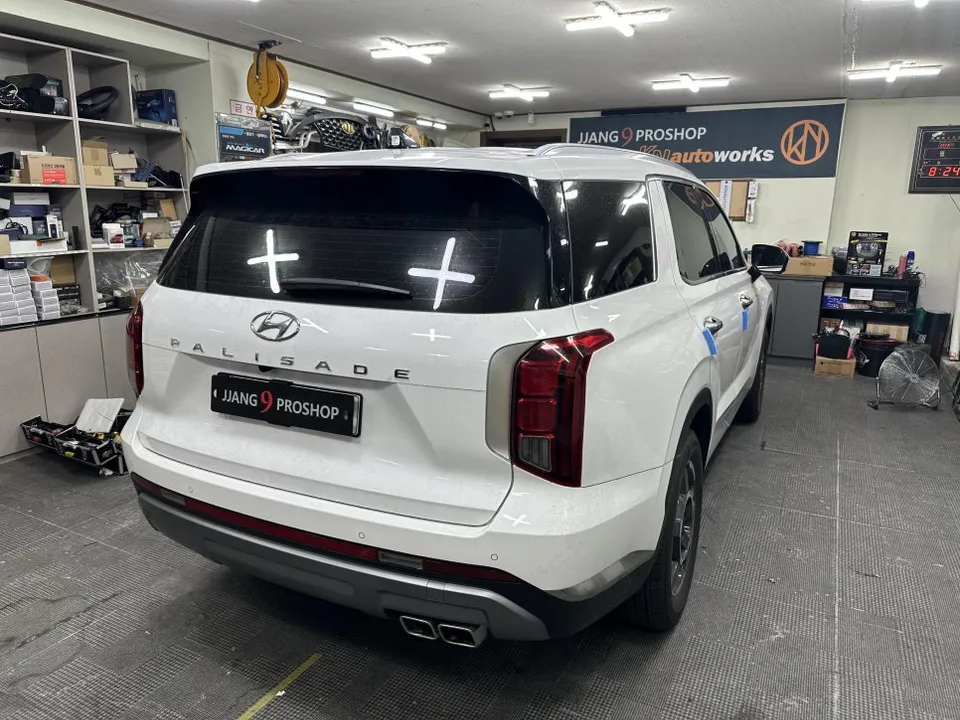
After
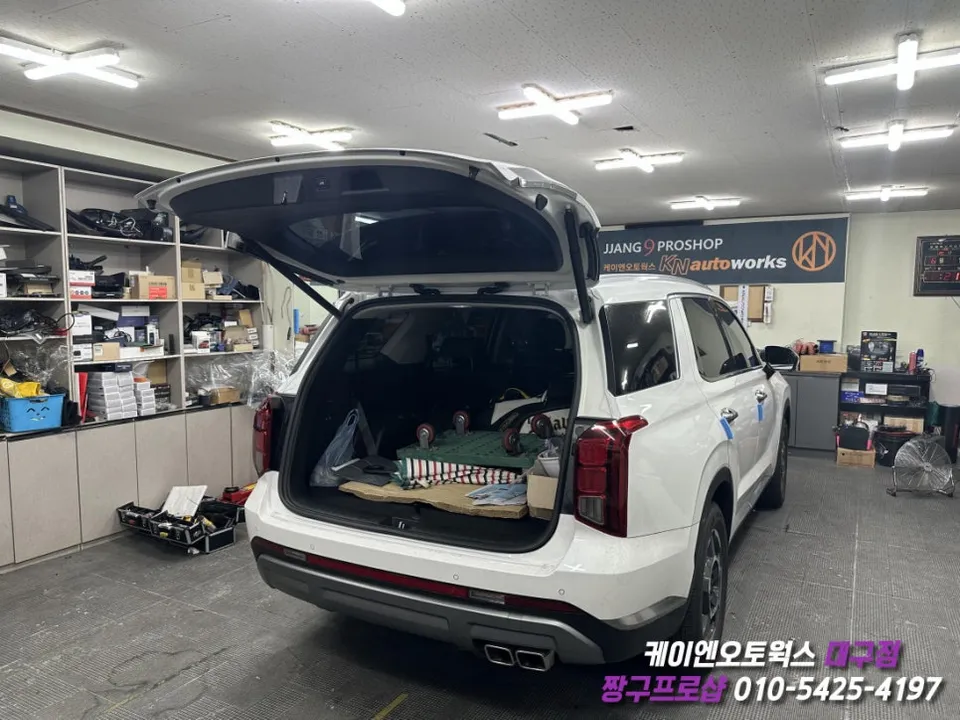
Process photos
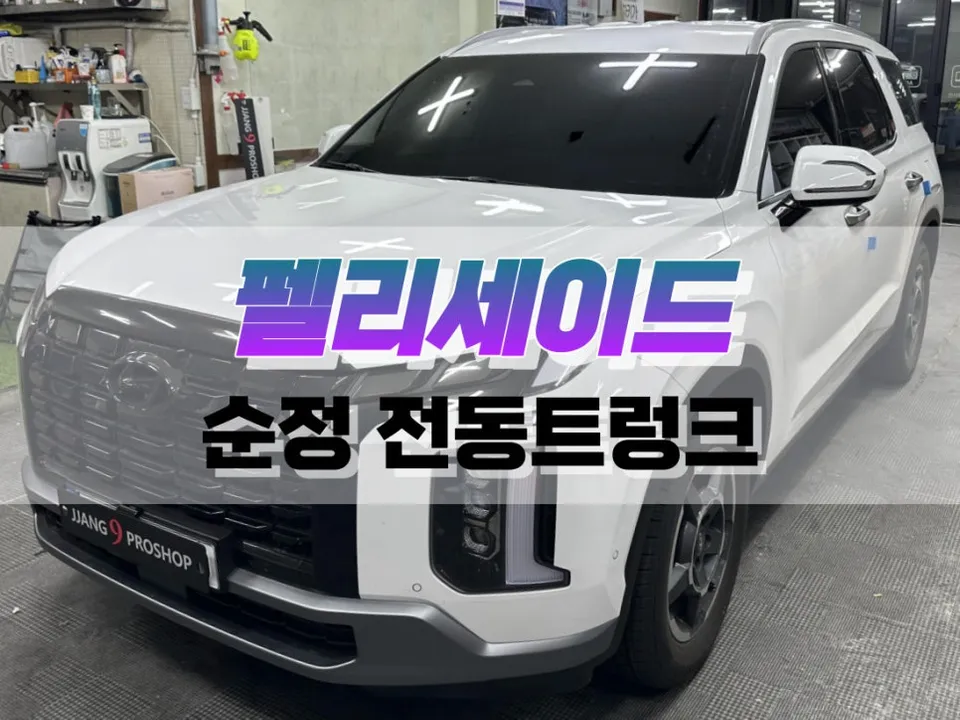
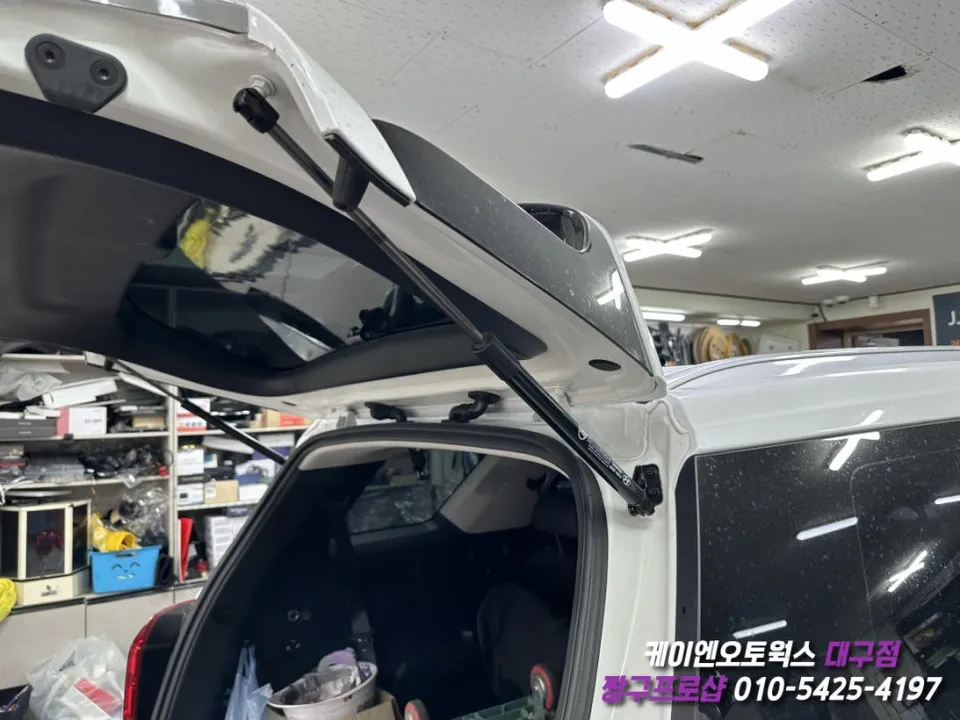
Hyundai Palisade OEM power liftgate retrofit: ~$375-$600. Adds convenience and safety.
Upgrade Your Hyundai Palisade with OEM Options
Choosing the right options when purchasing a new vehicle can be a significant decision. For many Hyundai Palisade owners, the convenience of a power liftgate is a highly desirable feature that might have been overlooked or unavailable at the time of purchase. This review delves into the process and benefits of retrofitting OEM power liftgate options onto a Hyundai Palisade, addressing common concerns about cost, installation, and overall value.
The Hyundai Palisade is a spacious SUV, and managing its large tailgate, especially when your hands are full, can be cumbersome. The original manual liftgate requires considerable effort to open and close, a task made even more inconvenient in adverse weather conditions or when juggling children and groceries. This is where the appeal of an OEM power liftgate retrofit comes in, offering a seamless solution to enhance daily usability.
What Changes with an OEM Power Liftgate?
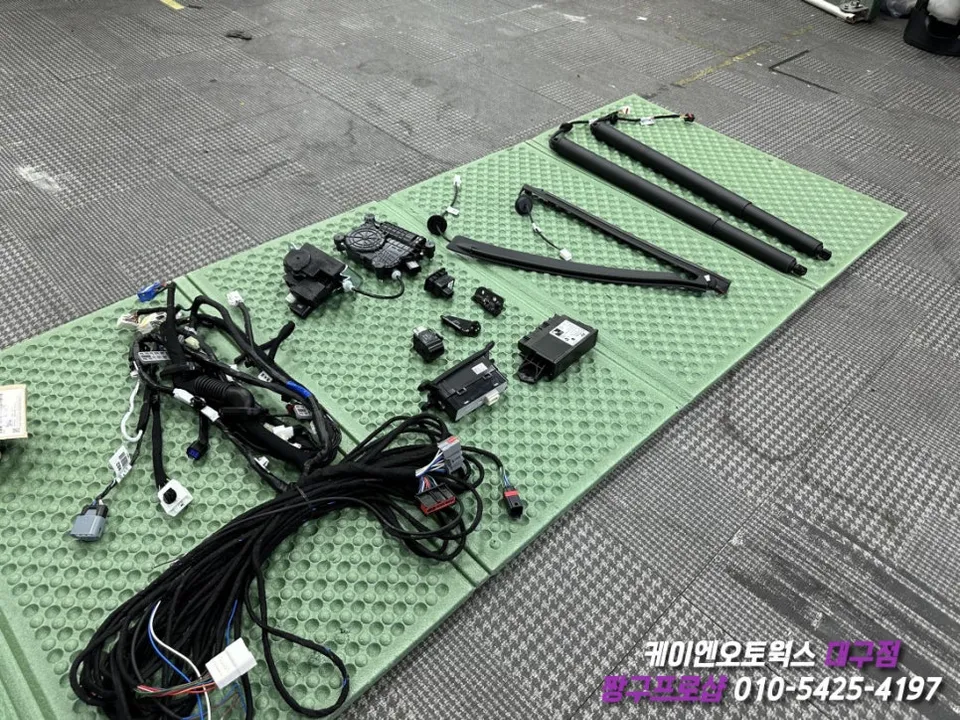
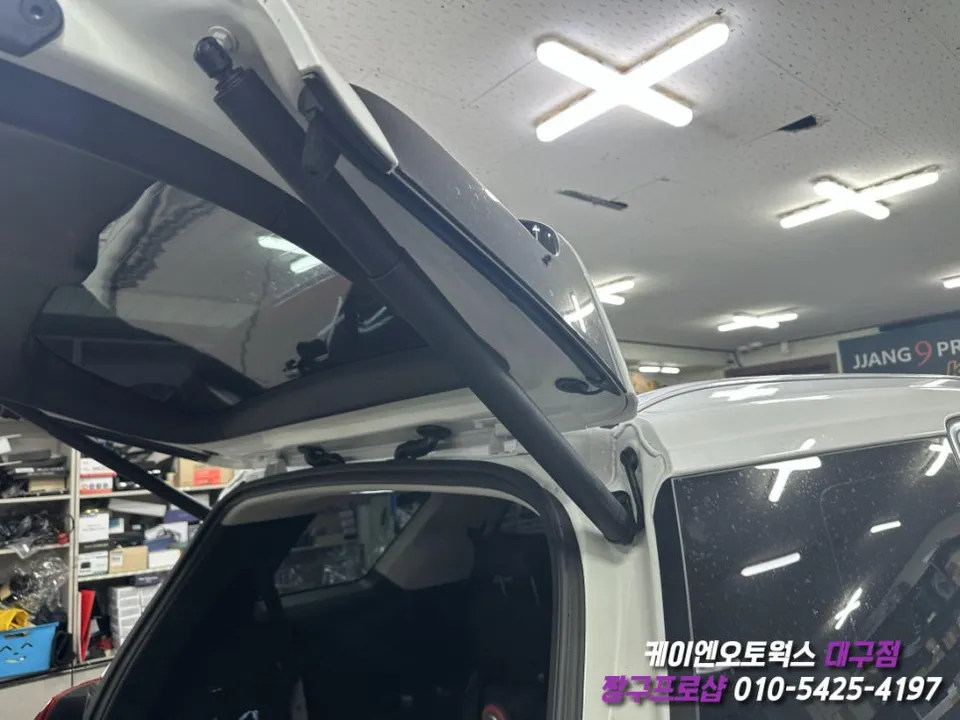
A standard manual Palisade tailgate is equipped with basic gas struts and lacks the convenience of remote or button-activated opening and closing. Crucially, it lacks the power liftgate button on the tailgate itself and the interior button near the driver's seat. The OEM retrofit process involves replacing the existing manual components with genuine Hyundai Mobis parts. This includes upgrading the gas struts to powered actuators, replacing the latch mechanism with a powered one, and integrating the necessary control modules and wiring.
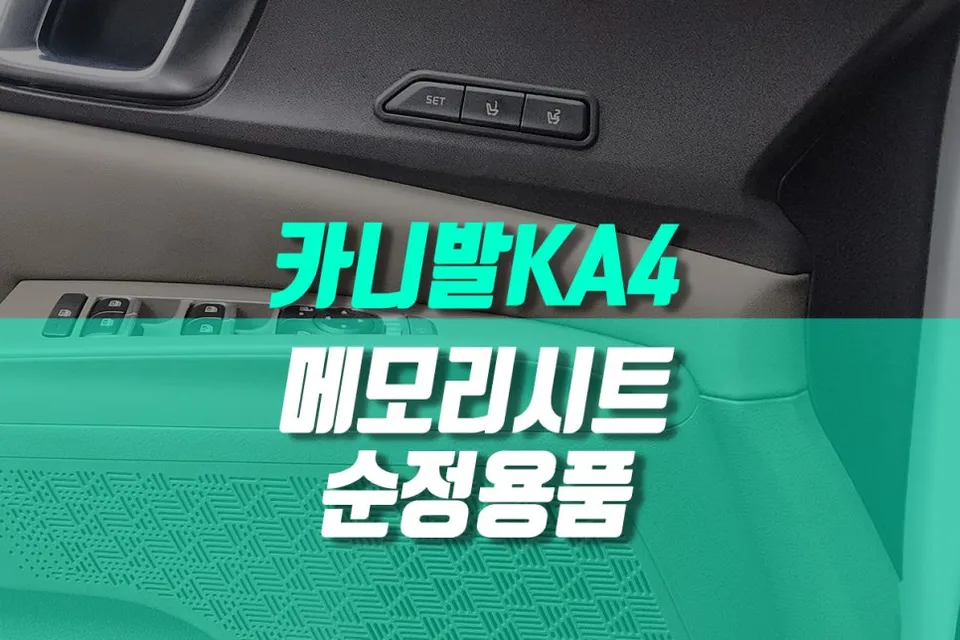
The installation also involves adding the factory-style power liftgate buttons. One is typically located on the tailgate itself, allowing for easy closing and locking, while another is integrated into the driver's side door panel, providing convenient access from the driver's seat. This ensures that the operation is identical to a Palisade that came equipped with the power liftgate from the factory.
The Installation Process and Benefits
The installation process for an OEM power liftgate on a Hyundai Palisade is meticulous and requires specialized knowledge to ensure it functions correctly and safely. The process generally involves the following steps:
- Component Replacement: The existing manual gas struts, latch, and striker are removed. They are then replaced with the OEM powered motor, power latch, and robust powered struts.
- Wiring Integration: New wiring harnesses are carefully routed and connected according to the factory wiring diagrams. This ensures proper communication between the liftgate, the vehicle's body control module, and the new control buttons.
- Button Installation: The factory-style buttons for the power liftgate are installed in their designated locations on the tailgate and the driver's side door panel.
- Safety Sensor Integration: Crucially, safety sensors are installed to detect obstructions during operation, preventing the liftgate from closing on objects or people.
- System Testing and Configuration: After installation, the entire system is tested to ensure smooth operation. Vehicle settings related to the power liftgate, such as height adjustment and opening/closing speed, are configured through the infotainment system.
Once the installation is complete, owners can enjoy the full functionality of the power liftgate. This includes operation via the key fob, the button on the tailgate, and the button inside the cabin. For SUVs like the Palisade, the system can often be configured to include the 'Smart Tailgate' feature, which automatically opens the liftgate when the key fob is detected within a certain proximity of the rear of the vehicle. This hands-free operation is incredibly useful when carrying heavy items.
Furthermore, the integrated safety sensors provide peace of mind. If the liftgate encounters an obstruction while opening or closing, it will automatically stop and reverse, significantly reducing the risk of injury or damage. This adherence to factory safety standards is a key advantage of choosing an OEM retrofit over aftermarket solutions.
Is an OEM Power Liftgate Retrofit Worth It?
The cost for an OEM power liftgate retrofit on a Hyundai Palisade typically ranges from approximately 500,000 to 800,000 Korean Won (roughly $375-$600 USD, depending on exchange rates). While this is a significant investment, it offers a substantial upgrade in convenience and functionality. For owners who frequently use their tailgate or find the manual operation a daily annoyance, the added convenience and safety features can make it a worthwhile modification. The use of genuine OEM parts ensures compatibility, durability, and maintains the vehicle's aesthetic and functional integrity, much like it came from the factory.
Frequently Asked Questions
Q. How much does OEM option and factory upgrade installation cost for a Hyundai Palisade?
The OEM power liftgate retrofit for a Hyundai Palisade typically costs between 500,000 and 800,000 KRW (approximately $375-$600 USD). In the US, similar factory option retrofits can range from $400 to $1000 or more, depending on the specific option and vehicle.
Q. How long does OEM options installation take on a Hyundai Palisade?
OEM power liftgate installations are designed for long-term durability, often lasting the lifetime of the vehicle with proper use. Basic maintenance involves keeping the liftgate tracks and sensors clean from debris to ensure smooth operation.
Q. Are OEM options worth adding after purchase for a Hyundai Palisade?
Adding an OEM power liftgate is particularly beneficial for Palisade owners who frequently use their tailgate or find the manual operation inconvenient. The enhanced convenience and safety features often justify the investment for these users.
Q. How are OEM factory options installed on a Hyundai Palisade?
OEM factory options like a power liftgate are installed by replacing existing manual components with genuine factory parts. This involves fitting powered struts, a new latch mechanism, control modules, and integrating factory-style buttons and safety sensors, all connected via the vehicle's original wiring system.
Q. What is the difference between dealer-installed options and aftermarket upgrades for a Hyundai Palisade?
OEM options are genuine parts designed and manufactured by the vehicle's maker (like Hyundai), ensuring perfect integration and maintaining factory warranty. Aftermarket upgrades are made by third-party companies and may not offer the same level of fit, finish, or long-term reliability as OEM parts.
OhCar Partner Shop