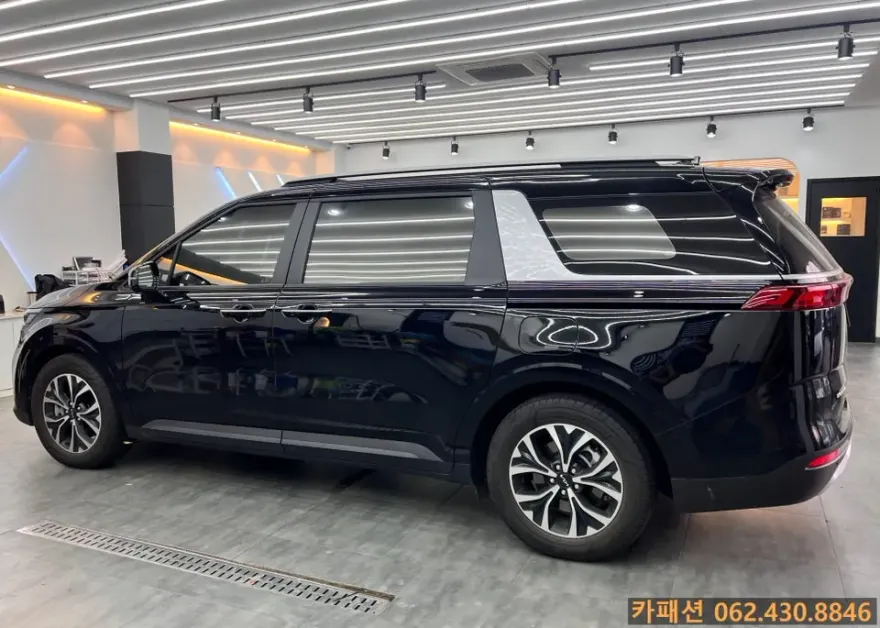
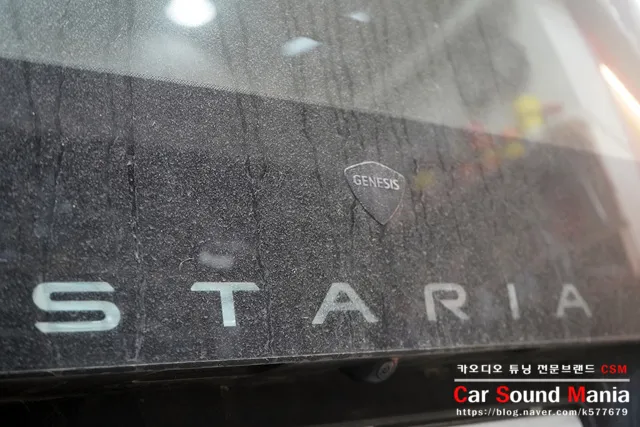
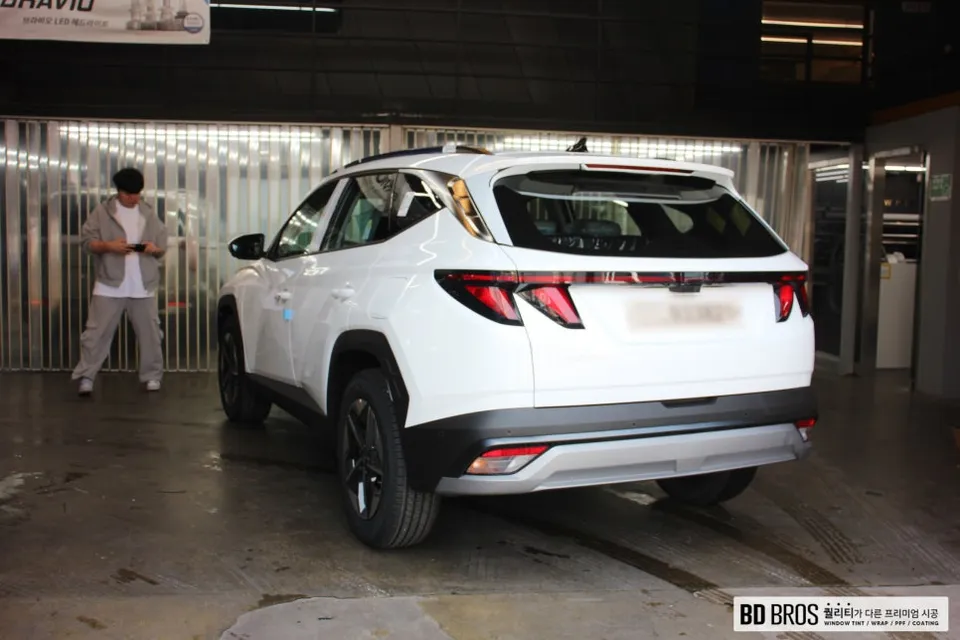
Hyundai Starex OEM Options Retrofit Review

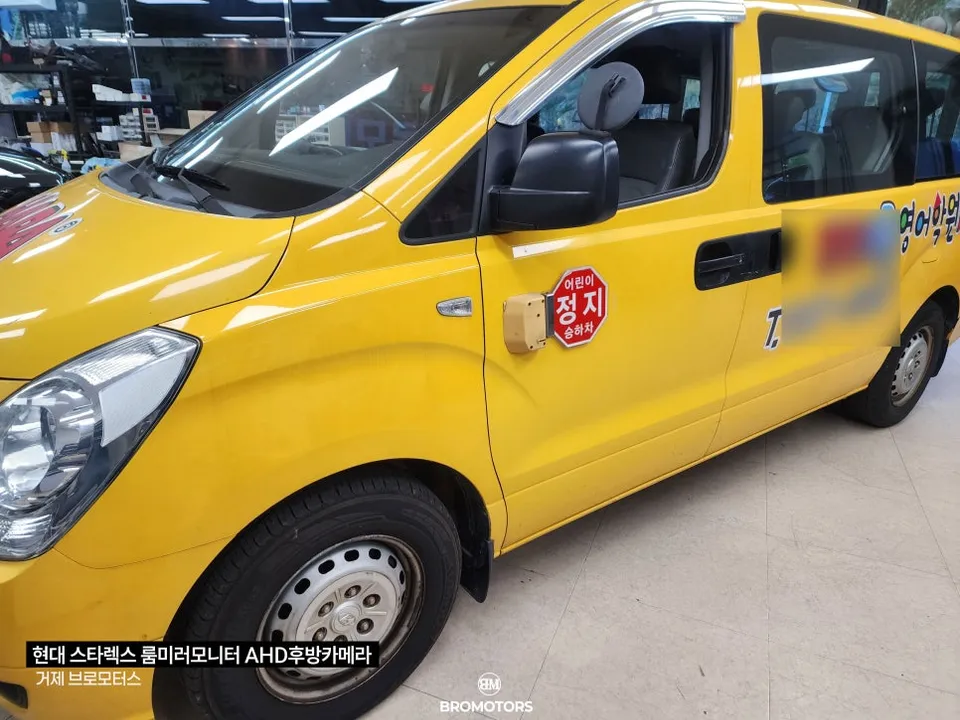
Hyundai Starex OEM rear-view camera & monitor retrofit: Improves safety with clear AHD video. Factory integration.
Upgrading Your Hyundai Starex with OEM Options
Many Hyundai Starex owners look for ways to enhance their vehicles with features that weren't originally equipped. This often leads to exploring OEM options, which are parts and accessories designed and manufactured by the original equipment manufacturer. Retrofitting these factory options can bring a significant upgrade in functionality and aesthetics. This review delves into the process, results, and overall value of installing specific OEM options, such as an AHD rear-view camera system with a monitor, originally performed in South Korea.
Installation and Before/After Results
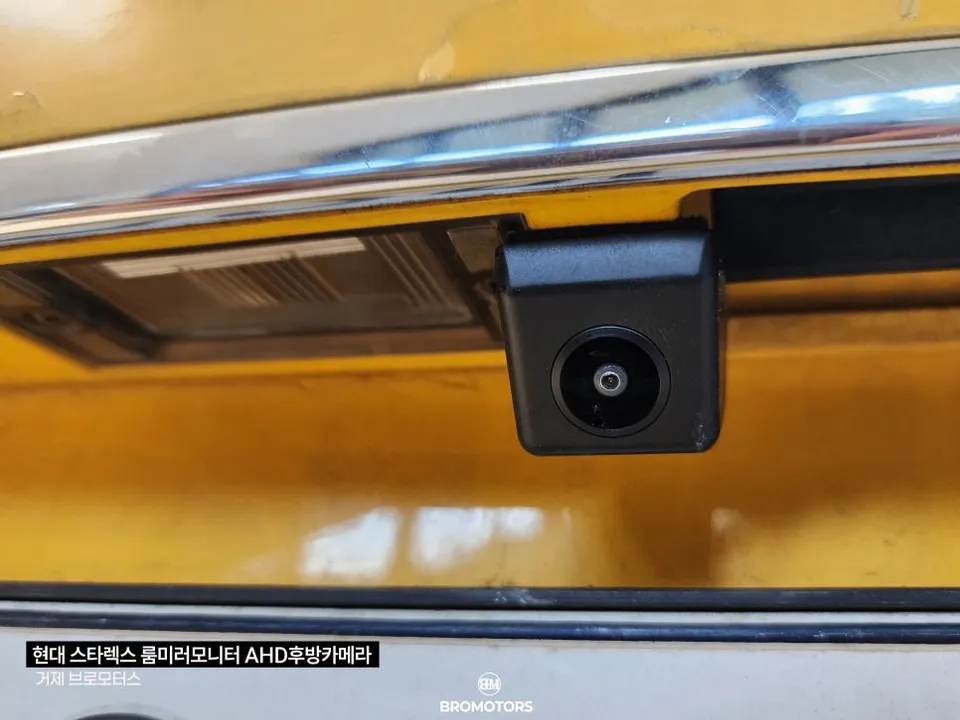
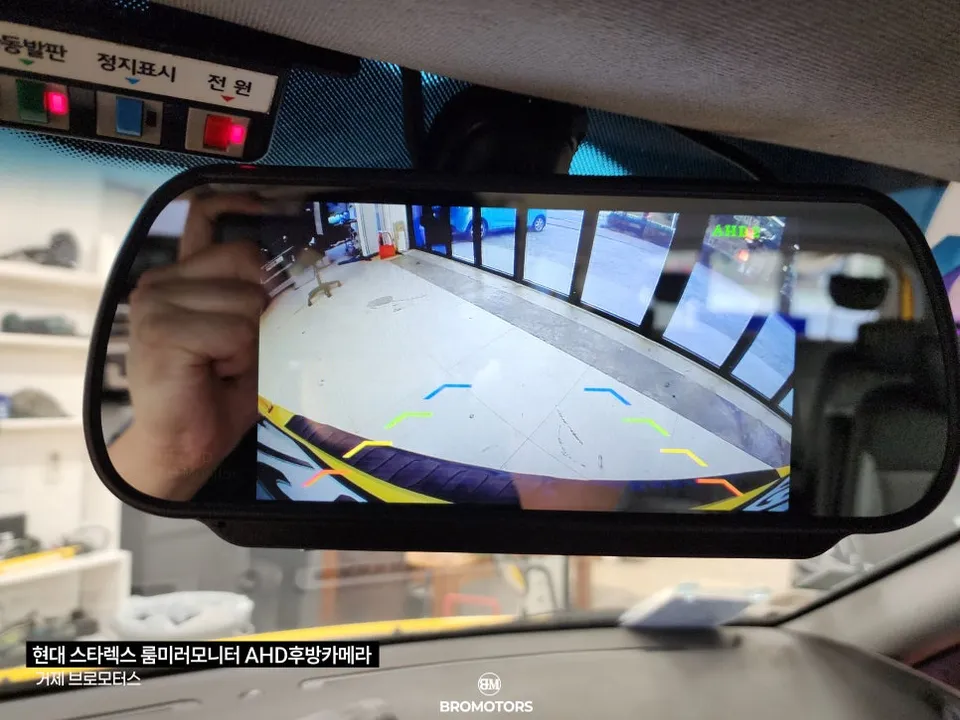
The installation of OEM options, like the AHD rear-view camera and monitor for the Hyundai Starex, is a precise process. It involves integrating new components seamlessly into the vehicle's existing electrical system and interior. The goal is to achieve a factory-fitted look and feel, ensuring all functions operate as intended. Before the installation, the Starex might lack a dedicated rear-view camera or a high-quality monitor, relying solely on mirrors. After the retrofit, the driver gains a clear, wide-angle view of the rear, significantly improving safety during reversing and parking, especially in a larger vehicle like the Starex. The AHD (Analog High Definition) camera provides a sharper image compared to standard analog cameras, offering better detail and clarity, even in low-light conditions. The monitor, often integrated into the rear-view mirror assembly, provides a discreet and convenient display without cluttering the dashboard.
Durability, Maintenance, and Decision Making
When considering OEM options, durability and maintenance are key factors. Genuine OEM parts are typically built to the same standards as the original components of your Hyundai Starex, meaning they are designed for long-term use and reliability. Unlike many aftermarket alternatives, OEM parts are engineered to be perfectly compatible, reducing the risk of electronic glitches or premature failure. Maintenance for such an upgrade is usually minimal, often limited to occasional cleaning of the camera lens and monitor screen. The decision to pursue OEM options often comes down to a balance of cost, desired functionality, and the importance of maintaining a factory-like integration. For owners prioritizing a clean installation, guaranteed compatibility, and long-term performance, investing in OEM options can be a superior choice over aftermarket solutions, despite potentially higher initial costs.
Installation Process:
- Careful disassembly of interior trim panels to access wiring harnesses and mounting points.
- Professional routing of new wiring for the camera and monitor, ensuring it's hidden and secure.
- Mounting the AHD camera, typically near the license plate or tailgate handle, for optimal rear visibility.
- Installing the monitor, often integrated into the rear-view mirror, ensuring a secure fit and proper alignment.
- Connecting all components to the vehicle's power and signal systems, followed by thorough testing of all functions.
Frequently Asked Questions
Q. How much does OEM option and factory upgrade installation cost for a Hyundai Starex?
The cost for this specific OEM option retrofit in South Korea was approximately 300,000 KRW (around $220 USD). Typical professional installation costs for similar factory upgrades in the US can range from $200 to $600 depending on the complexity.
Q. How long does OEM options installation take on a Hyundai Starex?
The durability of OEM options is generally excellent, designed to last the lifespan of the vehicle. For maintenance, simply keep the camera lens clean and the monitor screen free of dust for optimal performance.
Q. Are OEM options worth adding after purchase for a Hyundai Starex?
OEM options are most beneficial for owners who prioritize seamless integration, long-term reliability, and a factory-perfect finish. They offer a significant value proposition for those seeking enhanced functionality without compromising the vehicle's original aesthetics or electrical integrity.
Q. How are OEM factory options installed on a Hyundai Starex?
Installation involves carefully routing new wiring through the vehicle's interior, mounting the camera securely, and integrating the monitor, often into the rear-view mirror assembly. The process requires professional expertise to ensure all connections are made correctly and the system functions flawlessly.
Q. What is the difference between dealer-installed options and aftermarket upgrades for a Hyundai Starex?
OEM options are manufactured by the vehicle's original maker, ensuring perfect fit and function, while aftermarket upgrades are made by third-party companies and may vary in quality and compatibility. For a guaranteed seamless integration and long-term reliability, OEM options are generally recommended.
OhCar Partner Shop