Hyundai Equus Window Tinting Review: Cost & Results
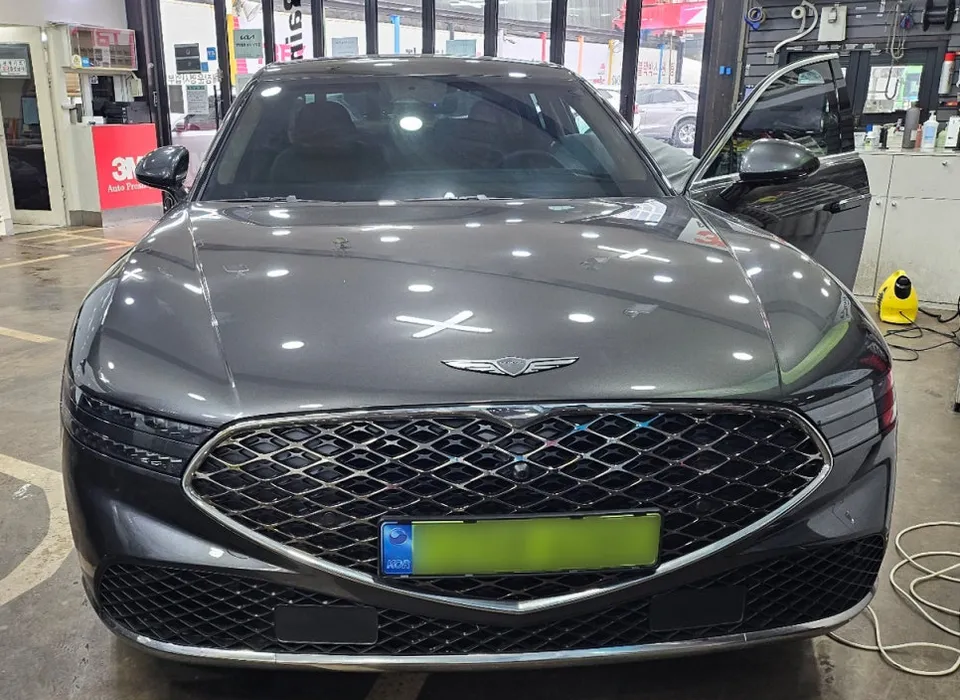
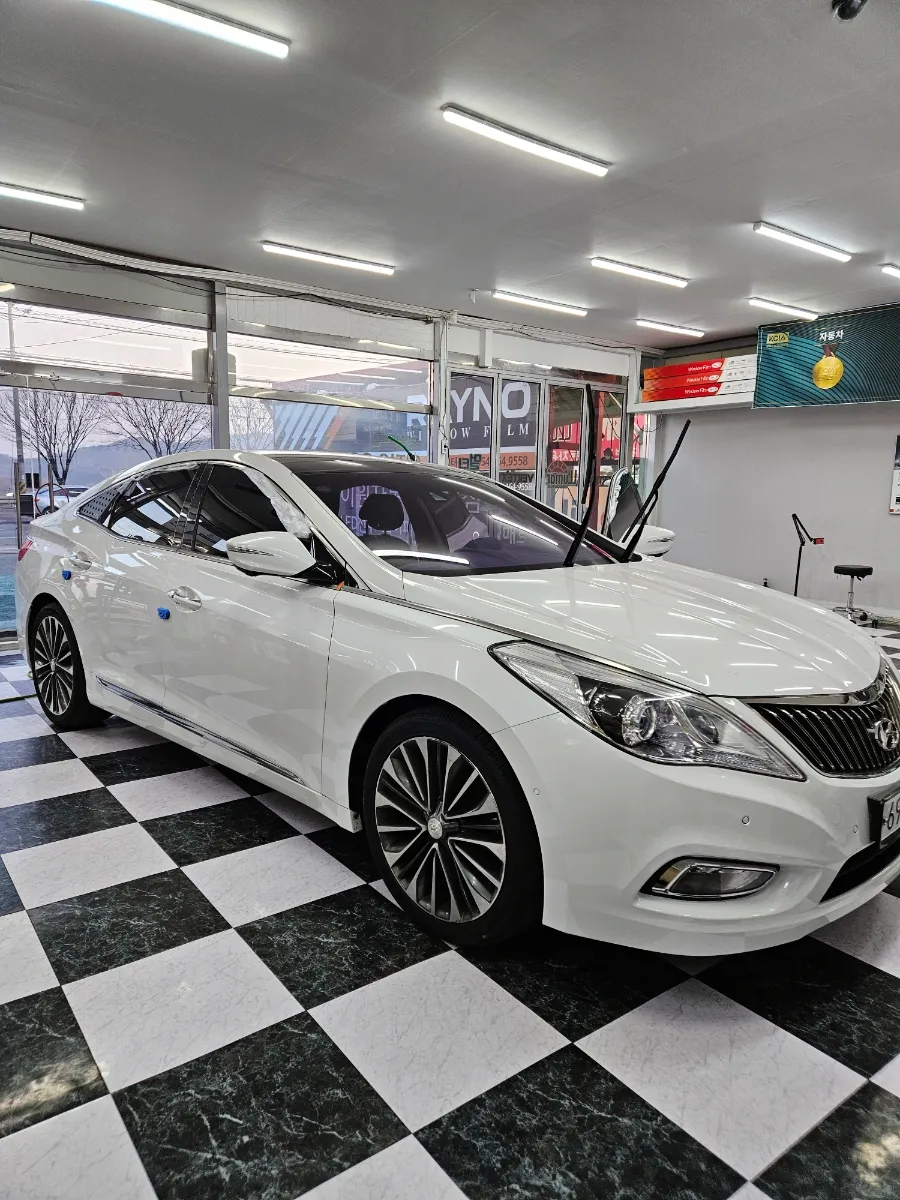
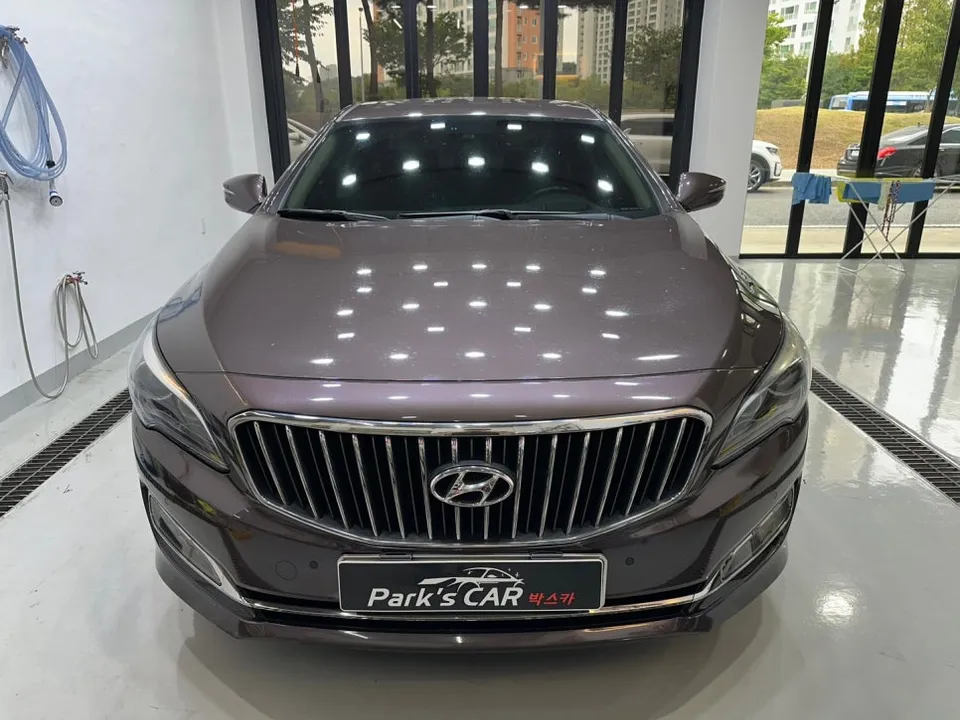
Before
After
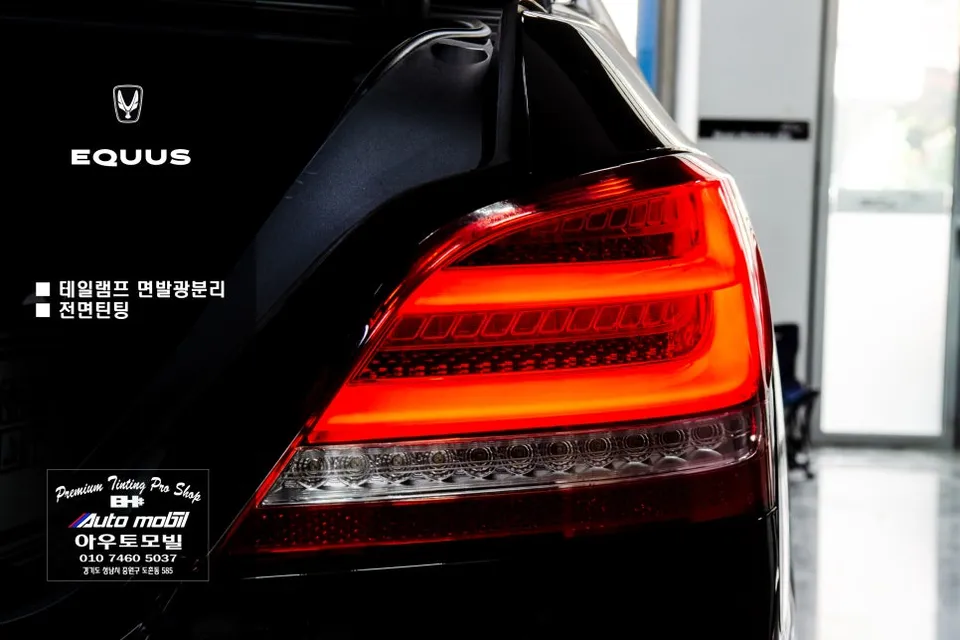
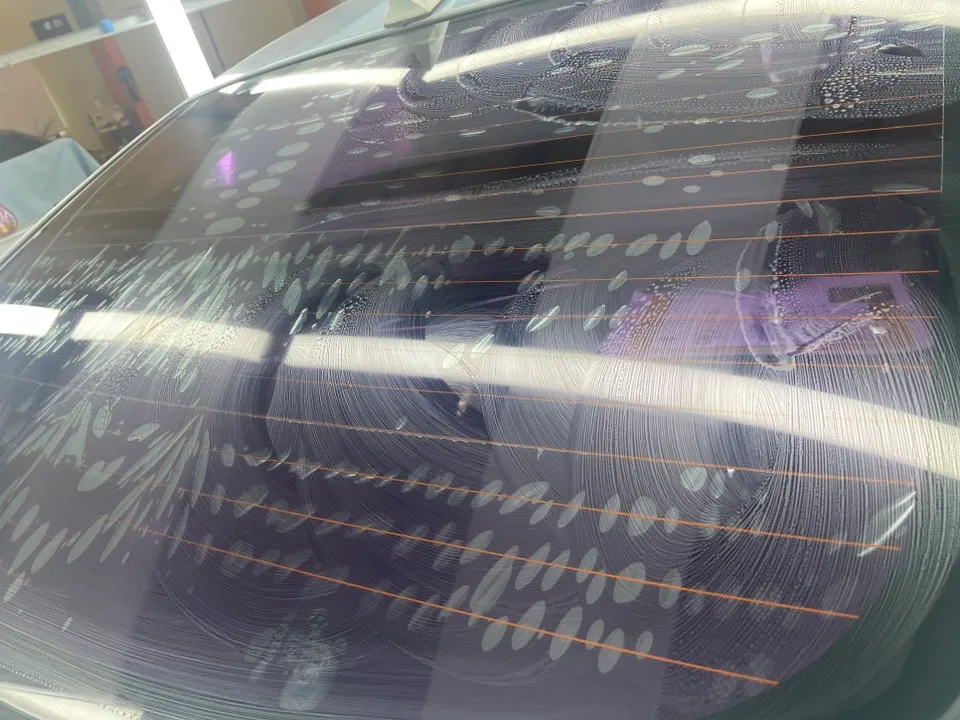
Process photos
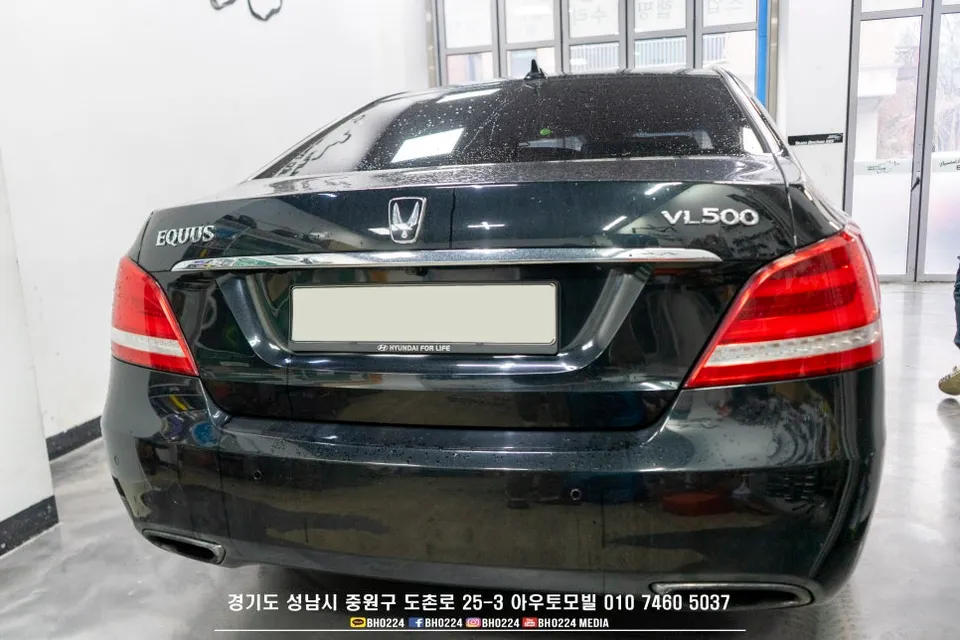
Hyundai Equus taillight modification and window tinting review. Cost and results discussed.
Hyundai Equus Window Tinting: Enhancing Style and Comfort
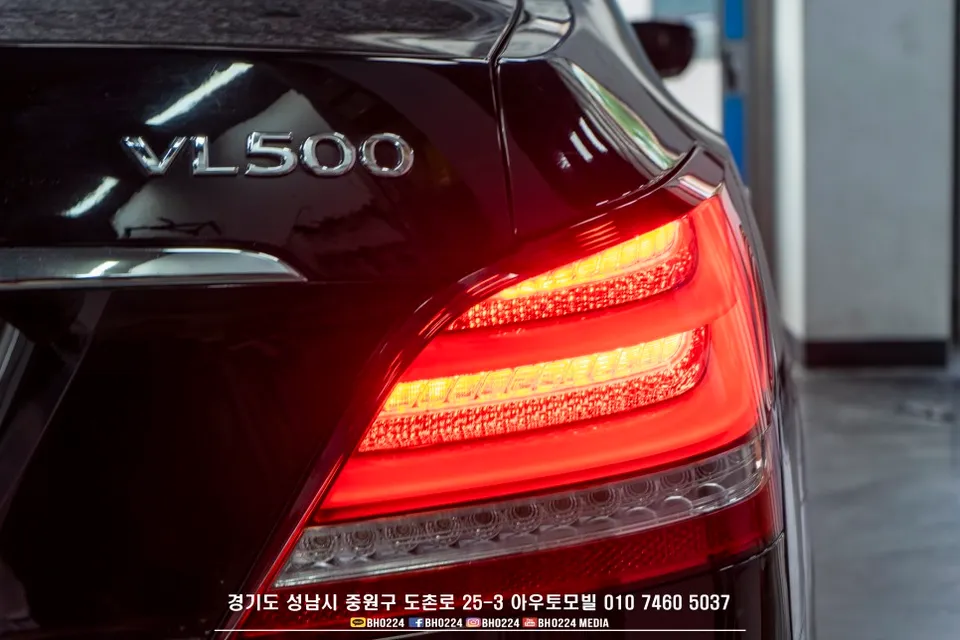
The Hyundai Equus, a vehicle celebrated for its luxurious design, can sometimes feel like its original taillight styling is a bit dated. Specifically, the combination of the LED line and the diffused light (myeonbalgwang) illuminating simultaneously when the parking lights are on can create a busy, less refined look. Many owners seek to upgrade this aspect to enhance the car's overall aesthetic. This review delves into the process of modifying the Equus VI's taillights, specifically separating the diffused light function, and also covers the application of Blockforty Viva Sky Blue tinting.
Why Separate Equus VI Taillight Diffused Light?
While the Hyundai Equus VI's taillights were cutting-edge at their release, the current design can appear complex. When the parking lights are on, both the LED line and the diffused light activate. This dual illumination can result in a visually cluttered and somewhat old-fashioned appearance. The diffused light separation process modifies the system so that only the LED line illuminates when the parking lights are on. This eliminates the unnecessary illumination of the diffused line, resulting in a cleaner, more sophisticated rear design – akin to the simple yet premium look of newer vehicles. A significant advantage is that this modification can be easily reverted to the original state via a switch, offering flexibility to the owner. This upgrade isn't just about aesthetics; it significantly elevates the vehicle's overall presence. A tidier rear design makes the car appear more modern and stylish. The taillights are a crucial element of a car's first impression, especially at night, making these detailed changes highly satisfying.
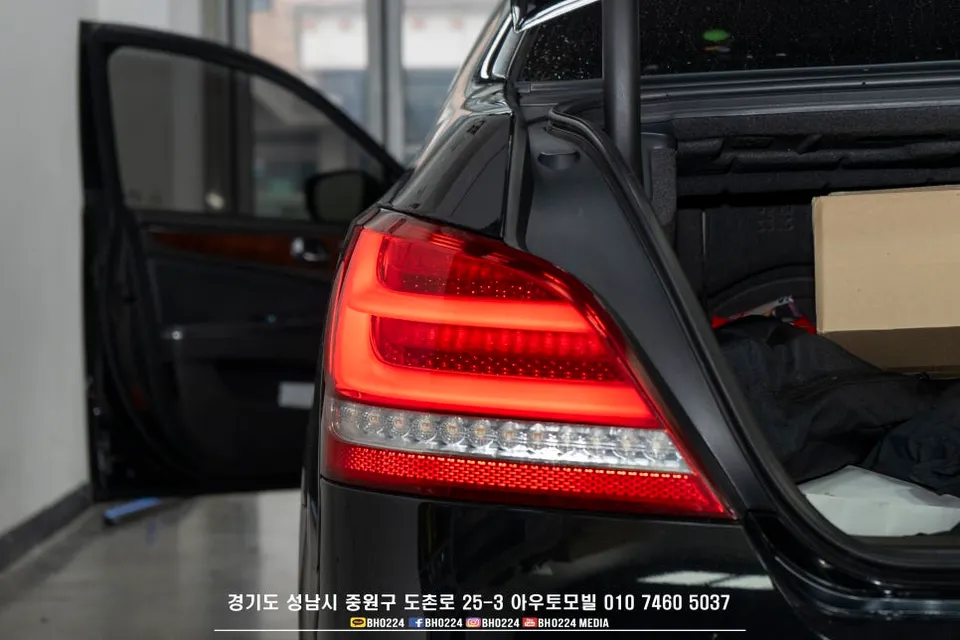
The Diffused Light Separation Process
The diffused light separation can be performed in two main ways. The first method involves installing a switch inside the taillight cover for manual control. This approach is relatively straightforward and allows the owner to revert to the original state anytime. The process typically takes around 2 hours. The second method uses a separate module for automatic control, eliminating the need for manual switch operation as the system manages the separation based on vehicle status. However, reverting to the original state can be more complex with this method, and it incurs additional costs. The process detailed here utilizes the first method, employing a switch for manual control. A skilled technician carefully disassembles the taillight cover and performs precise internal wiring, ensuring no damage to the original wiring. All connections are meticulously finished. The installed switch is usually placed inside the taillight cover or in an easily accessible location for the driver, allowing for simple operation when needed.
Window Tinting Installation Process:
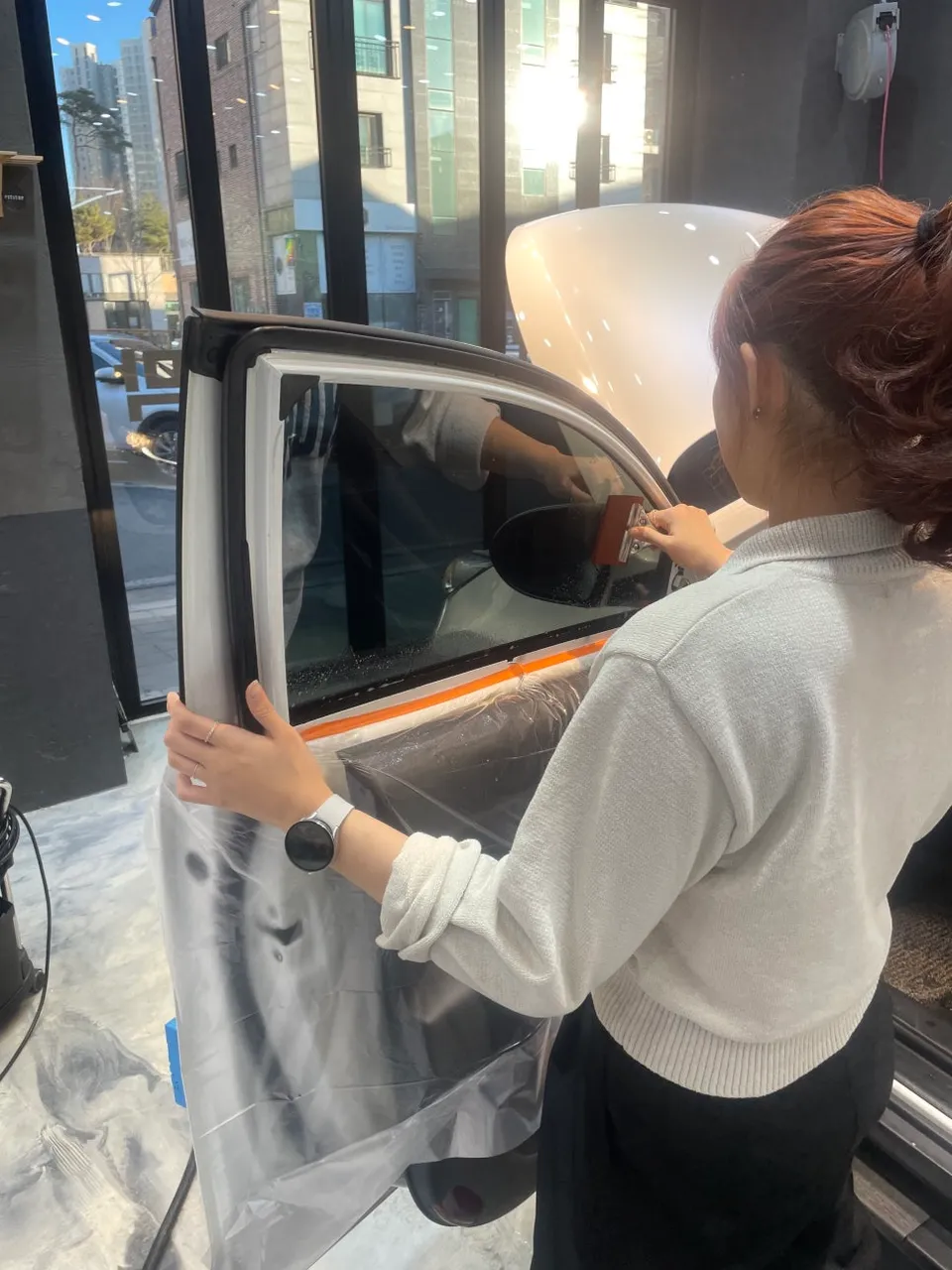
- Surface Preparation: The vehicle's windows are thoroughly cleaned and inspected to ensure a dust-free surface.
- Film Cutting: The chosen window tint film (e.g., ceramic, heat rejection film) is precisely cut to match the exact dimensions of each window.
- Application: The tint film is carefully applied to the interior of the windows, using a squeegee to remove air bubbles and ensure a smooth, even finish.
- Curing: The newly tinted windows are allowed to cure, typically for 24-48 hours, during which time owners should avoid rolling down the windows.
While the original context focused on taillight modification in Korea, the principles of professional automotive customization apply universally. For window tinting on a Hyundai Equus, professional installation ensures optimal results, maximizing the benefits of heat rejection film and UV protection. The cost for such services can vary, but understanding the process and potential outcomes is key to making an informed decision.
Frequently Asked Questions
Q. How much does window tinting cost for a Hyundai Equus?
The specific window tinting cost for this Hyundai Equus was not detailed in the original Korean context, but professional installations in the US typically range from $200 to $600 depending on the film type and vehicle.
Q. What tint percentage is legal for a Hyundai Equus?
Window tint legality varies significantly by state in the US. It's crucial to check your local regulations regarding the VLT (Visible Light Transmission) percentage allowed for windshields and side windows.
Q. Is ceramic tint worth the extra cost for a Hyundai Equus?
Ceramic tint is often worth the extra cost for a Hyundai Equus if superior heat rejection and UV protection are priorities, as it offers significant comfort benefits without compromising visibility.
Q. How is window tint installed on a Hyundai Equus?
Window tint installation involves cleaning the glass, precisely cutting the film, applying it to the interior of the windows with a squeegee to remove air bubbles, and allowing it to cure.
Q. What is the difference between ceramic and dyed window tint for a Hyundai Equus?
Dyed tint primarily offers cosmetic darkening and some UV blocking, while ceramic tint uses non-metallic particles to block significant heat and UV rays without affecting electronic signals.
OhCar Partner Shop
More window tinting Reviews
See all →




More Hyundai Reviews
Pair with Another Service
Protect paint while you're at the shop
Add gloss and protection