Hyundai Venue Window Tinting Review — Cost & Results
Service Price
$40–80
Estimated price · Actual price may vary by shop
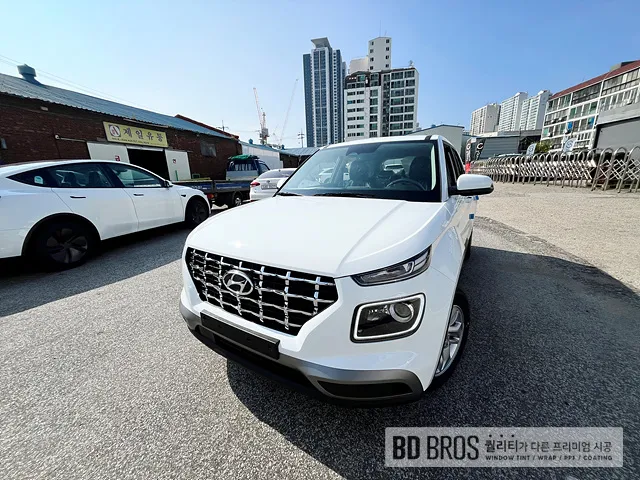
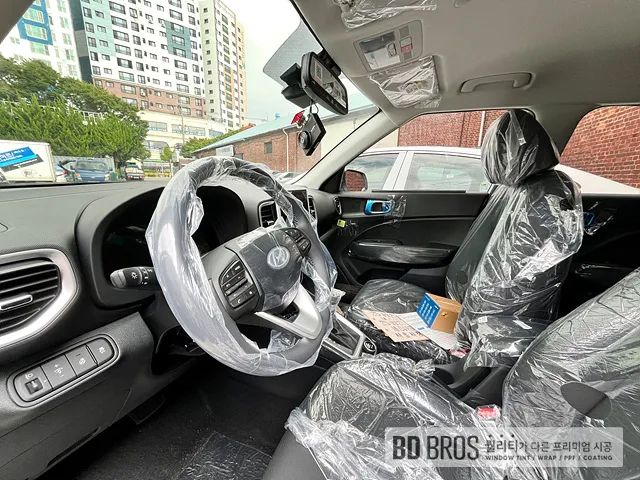
Hyundai Venue window tinting cost ~ $145 USD. Improved comfort, UV protection, and aesthetics.
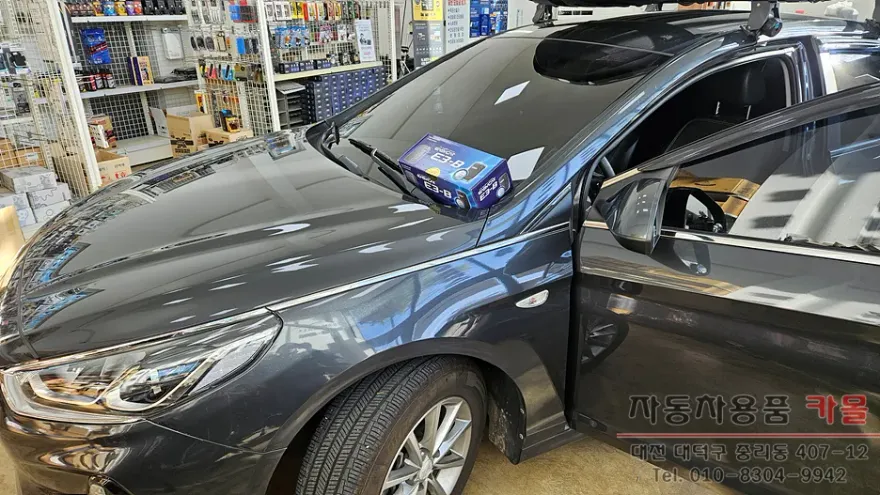
Hyundai Venue Window Tinting: A Complete Installation Review
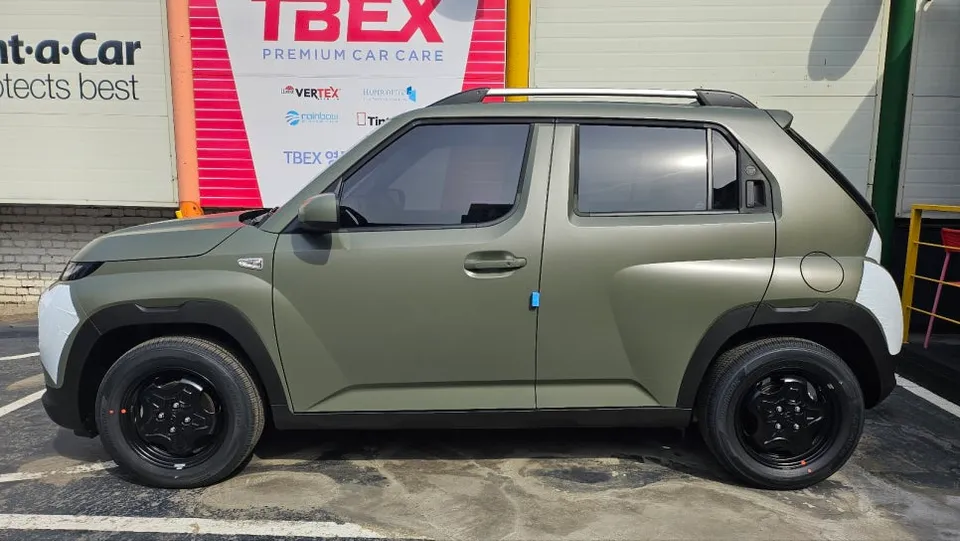
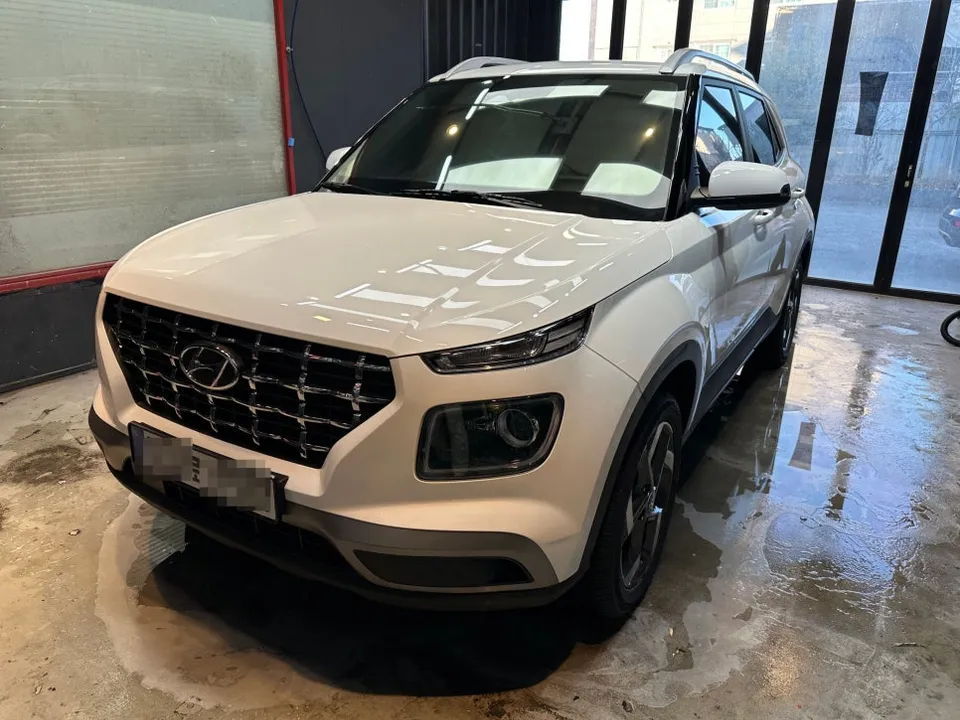
This review details the window tinting process for a Hyundai Venue, covering everything from the initial inspection to the final results. The goal was to enhance the vehicle's aesthetics while improving comfort through heat and UV protection. The service was performed in South Korea, with the original cost being approximately 200,000 KRW, which translates to roughly $145 USD at the time of service. This price point positions it as a mid-range option for car owners looking for quality window tinting.
Understanding Window Tinting Options and Benefits
Window tinting offers several advantages for car owners. Primarily, it significantly reduces solar heat gain, making the cabin more comfortable, especially during hot weather. This improved thermal regulation can also lead to better fuel efficiency as the air conditioning system doesn't have to work as hard. Beyond comfort, window tint acts as a protective barrier against harmful UV rays, which can cause skin damage and fade the car's interior over time. Furthermore, tinted windows offer enhanced privacy and can deter theft by making it harder to see inside the vehicle. In the event of an accident, the tint film can help hold shattered glass together, reducing the risk of injury from flying shards.
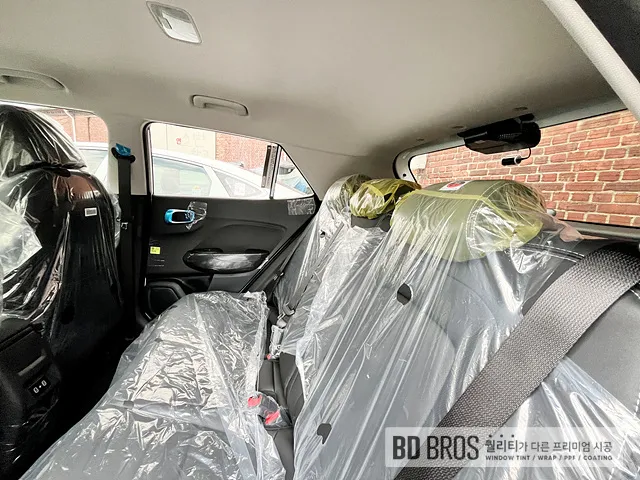
The Window Tinting Installation Process
The installation process for window tinting is meticulous and requires precision to achieve a flawless finish. For this Hyundai Venue, the process involved several key stages:
- Surface Preparation: The interior and exterior of the windows were thoroughly cleaned to remove any dirt, dust, or residue. This ensures optimal adhesion of the tint film.
- Film Cutting: The chosen tint film was precisely cut to match the exact dimensions of each window, often using specialized cutting machines or templates.
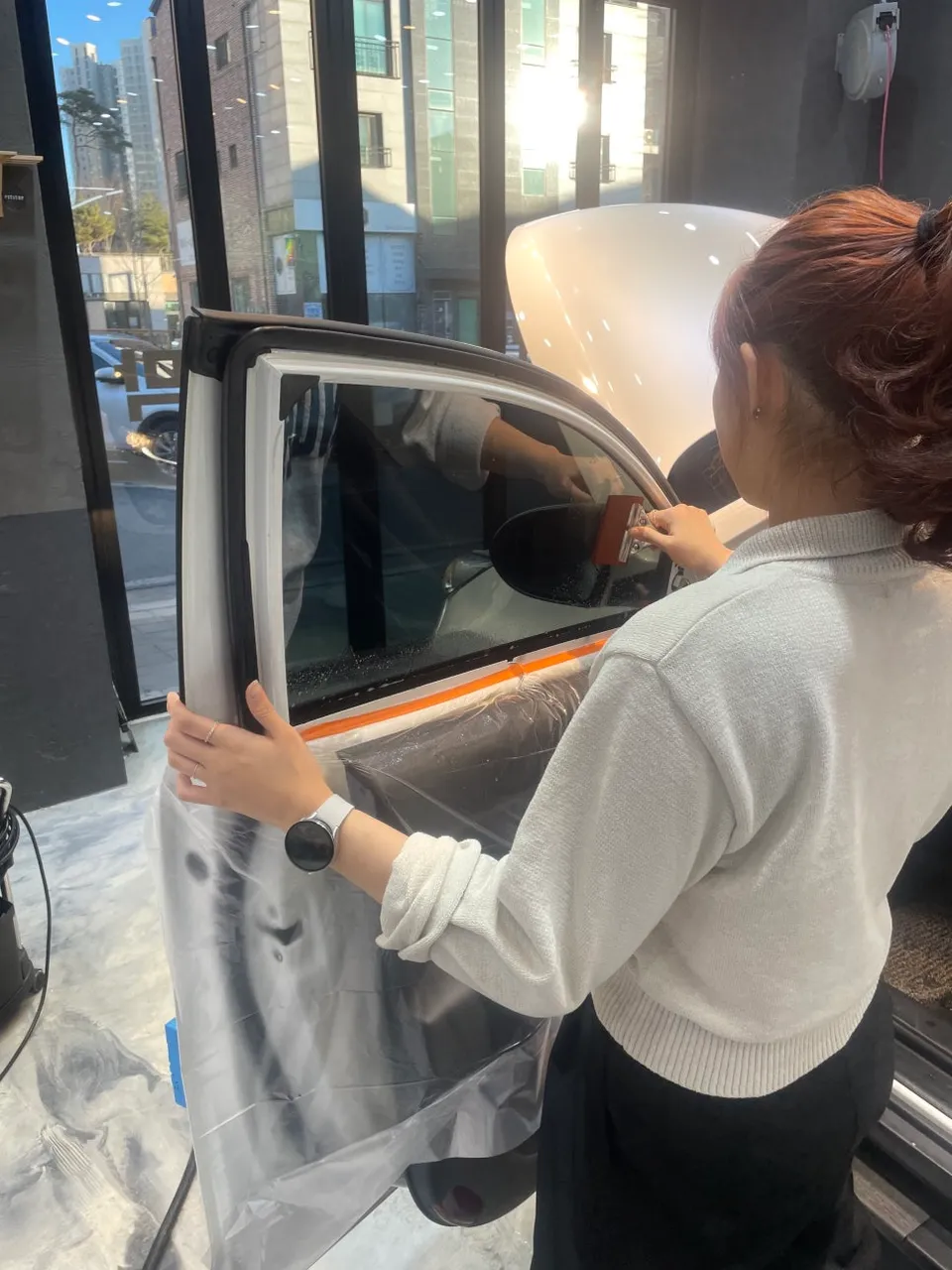
- Application: Using a mild soap and water solution, the film was carefully applied to the interior side of the glass. A squeegee was then used to meticulously remove excess water and air bubbles, ensuring a smooth, even surface.
- Trimming and Curing: Any excess film around the edges was trimmed for a clean finish. The windows were then left to cure, typically for a few days, during which time they should not be rolled down to allow the adhesive to fully set.
The materials used in this installation were high-quality heat rejection film, chosen for its superior performance in blocking solar heat and UV rays. Durability is a key factor, with good quality tint films expected to last for many years, resisting peeling, bubbling, and color fading. Regular maintenance involves simply cleaning the windows with a soft cloth and mild, ammonia-free cleaner.
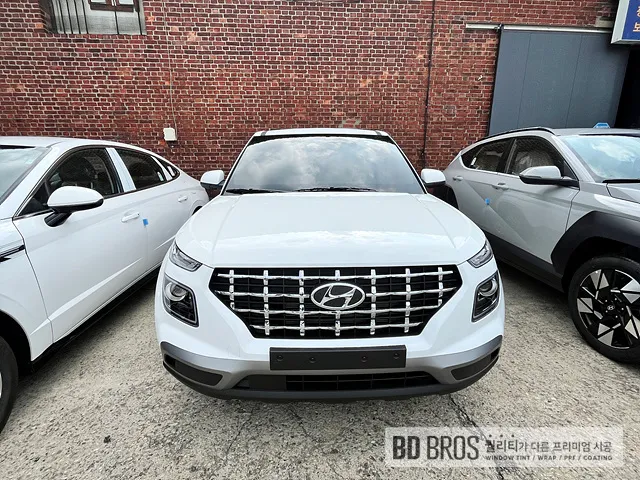
Is Window Tinting Worth It for Your Hyundai Venue?
Deciding whether window tinting is worth the investment depends on individual priorities. For those living in sunny climates or who frequently park their car outdoors, the heat rejection benefits alone can justify the cost. The added UV protection for both occupants and the vehicle's interior is another significant advantage. While the initial window cost can vary, the long-term benefits of comfort, protection, and improved aesthetics often outweigh the expense. For the Hyundai Venue, a mid-range tint installation like this one offers a good balance of performance and value, enhancing the overall ownership experience.
Frequently Asked Questions
Q. How much does window tinting cost for a Hyundai Venue?
This specific installation in South Korea cost approximately 200,000 KRW (around $145 USD). Typical window tinting costs for a Hyundai Venue in the US can range from $40 to $80 for basic dyed films, up to several hundred dollars for premium ceramic tints.
Q. What tint percentage is legal for a Hyundai Venue?
Window tinting laws vary significantly by state in the US and by region. It is crucial to check your local regulations regarding the VLT (Visible Light Transmission) percentage allowed for front and rear windows. High-quality tint films are designed to last many years, often with a manufacturer's warranty against peeling, bubbling, and color fading; simple cleaning with ammonia-free solutions will maintain their appearance.
Q. Is ceramic tint worth the extra cost for a Hyundai Venue?
Ceramic tint is highly recommended for its superior heat rejection capabilities, making it particularly worthwhile for drivers in hot climates or those who prioritize maximum comfort. While it typically costs more than traditional dyed or metallic films, the long-term benefits in terms of heat reduction and UV protection often justify the investment for a more comfortable and protected driving experience.
Q. How is window tint installed on a Hyundai Venue?
Installation involves meticulously cleaning the glass, precisely cutting the tint film to size, and then applying it to the interior of the windows using a solution to remove air and water. The edges are trimmed for a clean finish, and the film is allowed to cure undisturbed for several days.
Q. What is the difference between ceramic and dyed window tint for a Hyundai Venue?
Ceramic tint uses non-metallic ceramic particles to block heat and UV rays without interfering with electronic signals, offering the best performance. Dyed tint is the most basic, primarily offering privacy and some UV blocking, but with less heat rejection and a tendency to fade over time. For optimal heat rejection and durability, ceramic tint is the superior choice.
OhCar Partner Shop
More window tinting Reviews
See all →


More Hyundai Reviews
Pair with Another Service
Protect paint while you're at the shop
Add gloss and protection