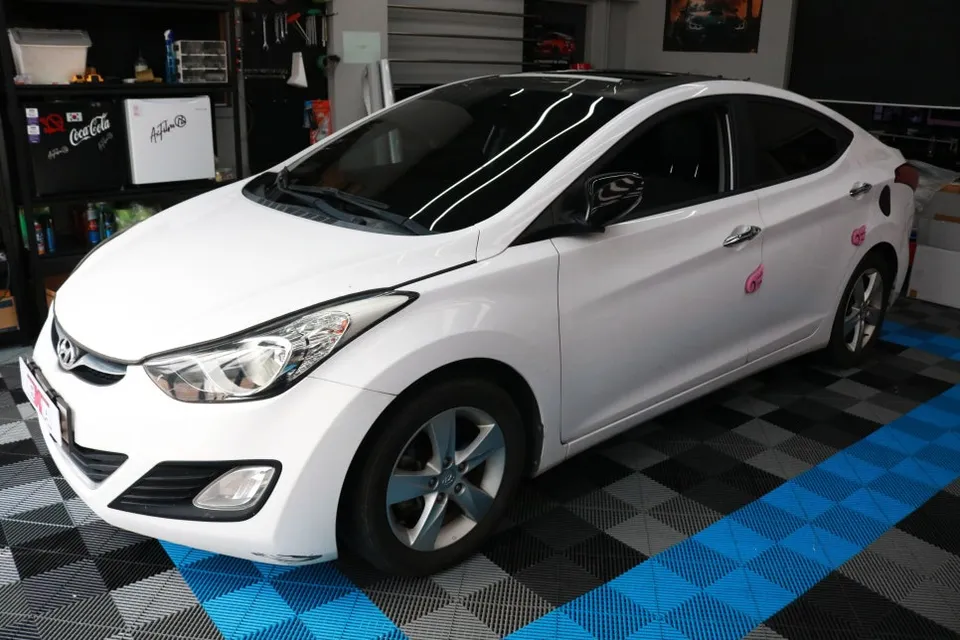
Hyundai i30 Dash Cam Installation Review
Service Price
$under $40
Estimated price · Actual price may vary by shop
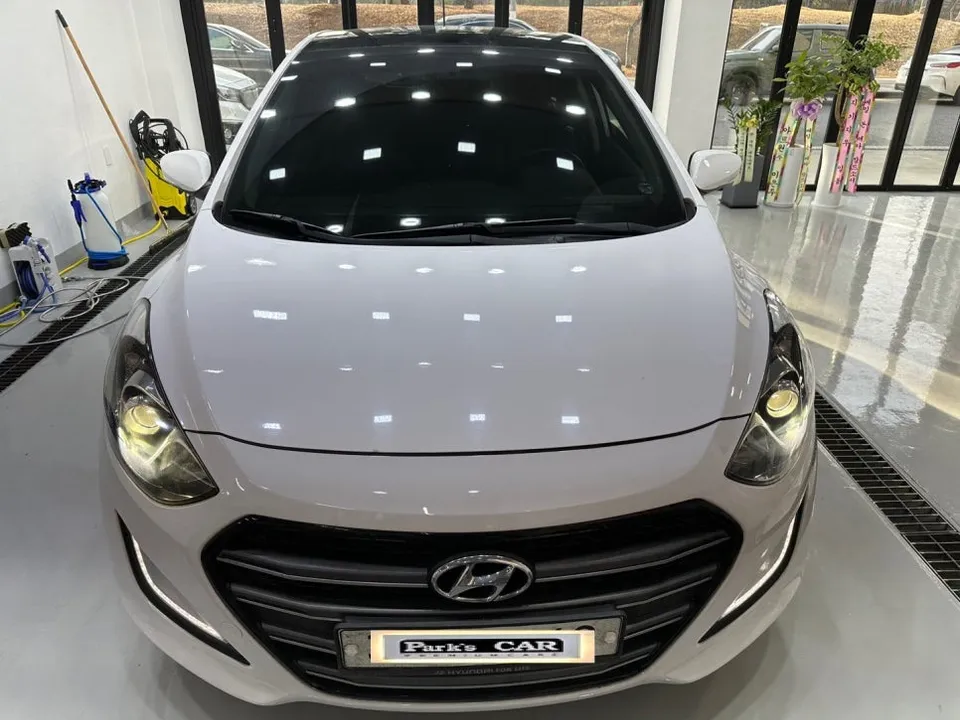
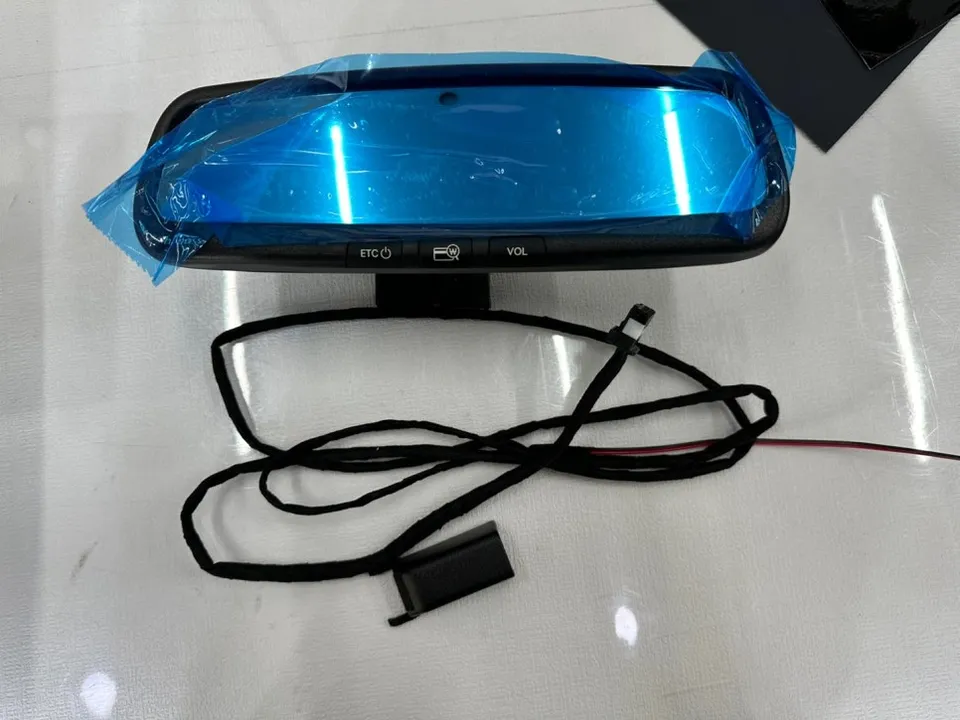
Dash cam installation for Hyundai i30: Professional setup ensures optimal performance and durability. Costs vary, but professional hardwiring offers e
Professional Dash Cam Installation for Your Hyundai i30
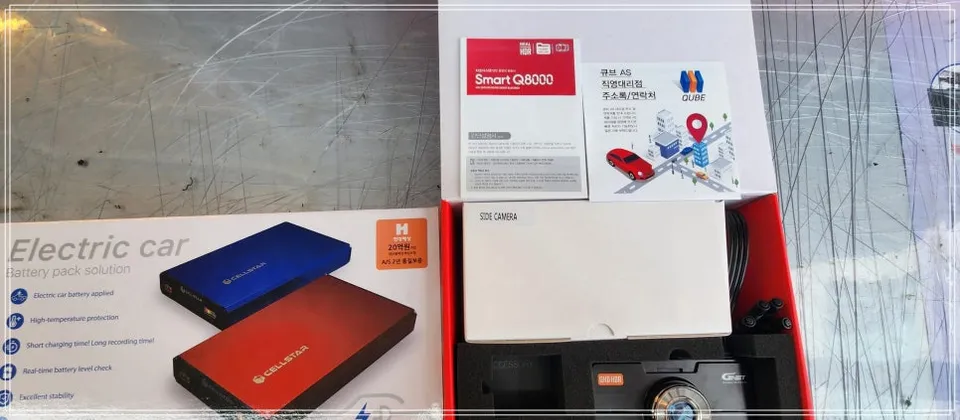
Enhancing your Hyundai i30 with a dash cam, often referred to as a 'black box camera' in Korea, is a smart move for both safety and documentation. This review delves into the process, costs, and benefits of professional installation, covering everything from basic dash cam setup to advanced hardwiring for parking mode.
The decision to install a dash cam is increasingly becoming a necessity rather than a luxury. In the event of an accident, a dash cam provides crucial, objective evidence. Furthermore, it acts as a vigilant protector for your vehicle against vandalism or hit-and-run incidents while parked. For a Hyundai i30, opting for a professionally installed system ensures optimal performance and integration without compromising your vehicle's interior.
Professional installation goes beyond simply plugging in a device. It involves meticulous wire management, sound dampening to prevent rattles, and a clean finish that looks integrated with your car's interior. Our affiliated installers in Korea consider the specific characteristics of each vehicle model, including the Hyundai i30, to provide a tailored installation. This attention to detail ensures the dash cam functions flawlessly and maintains the aesthetic integrity of your car.
Dash Cam Installation Process: What to Expect
The installation process for a dash cam on a Hyundai i30 is a detailed procedure designed for reliability and a clean look. It typically involves several key steps:
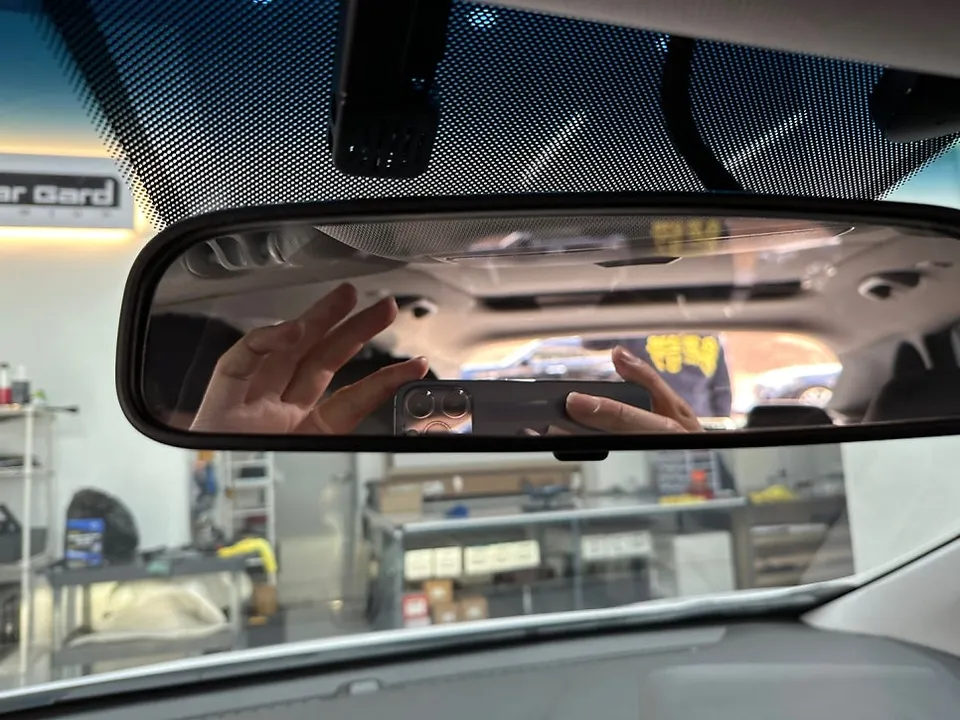
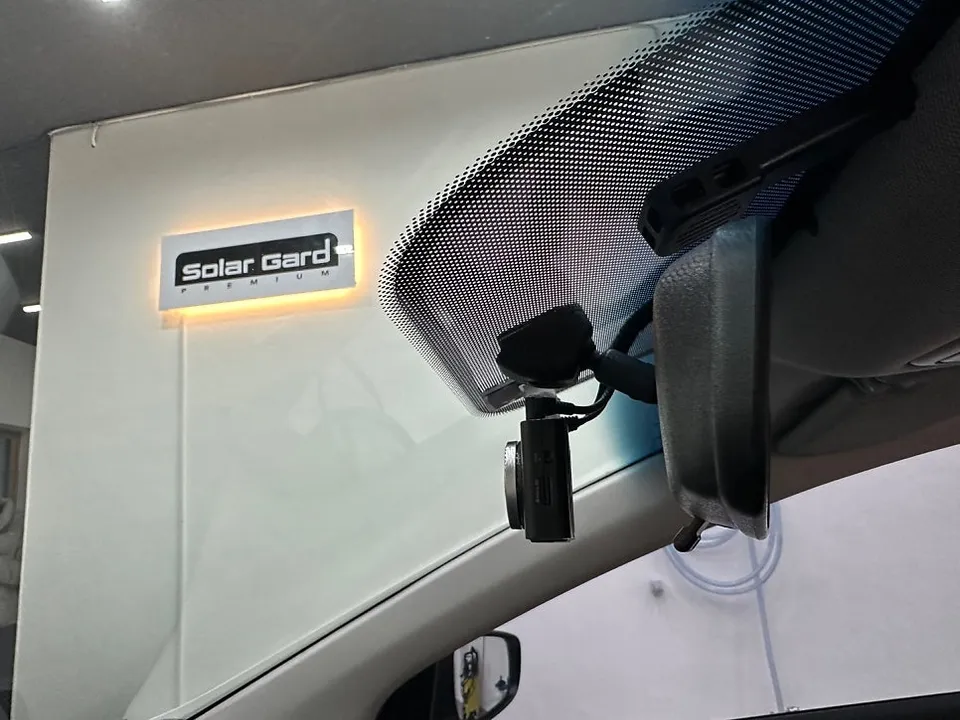
- Initial Assessment and Component Placement: The installer will determine the optimal placement for the front and rear dash cam units, ensuring clear views without obstructing the driver's vision.
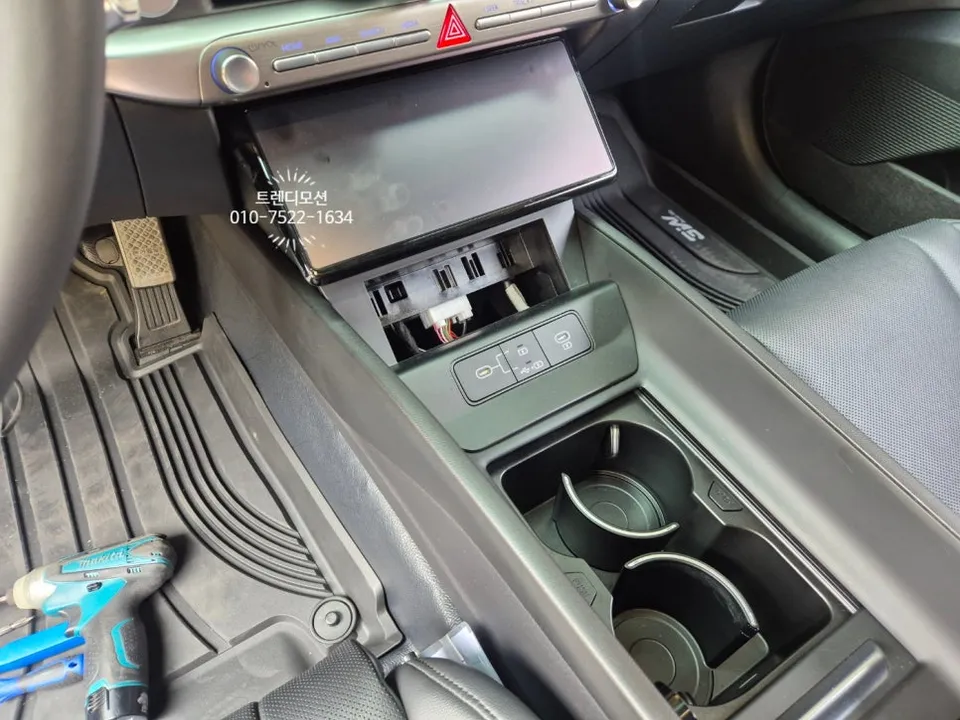
- Wiring and Hardwiring: This is the most critical part. Wires are carefully routed through the car's interior trim, often using specialized tools to avoid damage. For parking mode functionality, the dash cam is hardwired into the vehicle's fuse box, requiring knowledge of automotive electrical systems to prevent short circuits or battery drain.
- Cable Management and Sound Dampening: All cables are secured and tidied using zip ties and automotive-grade tape. Sound-dampening tape is applied to wires running near trim pieces to prevent any potential rattling noises.
- Testing and Configuration: Once physically installed, the system is powered on. The installer will check that both cameras are recording correctly, adjust the viewing angles, and configure settings such as resolution, recording loops, and parking mode sensitivity.
A common misconception is that any installation is sufficient. However, improper wiring can lead to electrical issues, interference with other car systems, or premature failure of the dash cam itself. Professional installers ensure that the system is not only functional but also safe and durable.
Durability, Maintenance, and Making the Right Choice
A professionally installed dash cam, especially one hardwired for parking mode, is built for durability. The use of quality materials and proper routing protects the wiring from wear and tear. Maintenance is generally minimal, usually involving occasional cleaning of the lens and checking the memory card. Ensuring the parking mode settings are appropriate for your driving habits and climate can also prolong the system's life.
When considering a dash cam for your Hyundai i30, think about your specific needs. Do you need just front recording, or is a front and rear dash cam essential? Is parking mode a priority? While DIY installation is possible for basic setups, the complexities of hardwiring and ensuring optimal performance often make professional installation the superior choice. The cost, while higher than a simple plug-and-play, reflects the expertise, time, and assurance of a reliable installation. For a Hyundai i30, professional installation ensures the device integrates seamlessly and functions as intended, providing peace of mind on the road.
Frequently Asked Questions
Q. How much does dash cam installation cost for a Hyundai i30?
Professional dash cam installation for a Hyundai i30 in Korea can range from approximately ₩100,000 to ₩200,000 (roughly $75-$150 USD), depending on the complexity and type of dash cam system.
Q. How long does dash cam installation take on a Hyundai i30?
A professional dash cam installation, including hardwiring for parking mode on a Hyundai i30, typically takes between 1 to 3 hours. Proper installation ensures the device's longevity and reliable operation.
Q. Is a hardwired dashcam worth it over a self-install for a Hyundai i30?
A hardwired dashcam is often worth the professional installation cost for a Hyundai i30, especially if parking mode is desired, as it ensures a clean setup and prevents battery drain. Self-installation might save money initially but risks improper wiring and potential electrical issues.
Q. How is a dashcam professionally installed on a Hyundai i30?
Professional installation involves carefully routing wires through the car's interior trim, hardwiring the unit to the fuse box for continuous power (especially for parking mode), securing cables to prevent rattles, and configuring the dash cam's settings for optimal recording.
Q. What is the difference between a 1-channel and 2-channel dashcam for a Hyundai i30?
A 1-channel dashcam records only the front view, while a 2-channel (front and rear dash cam) system records both front and rear views, offering comprehensive coverage. For maximum safety and evidence collection, a 2-channel system is generally recommended for a Hyundai i30.
OhCar Partner Shop