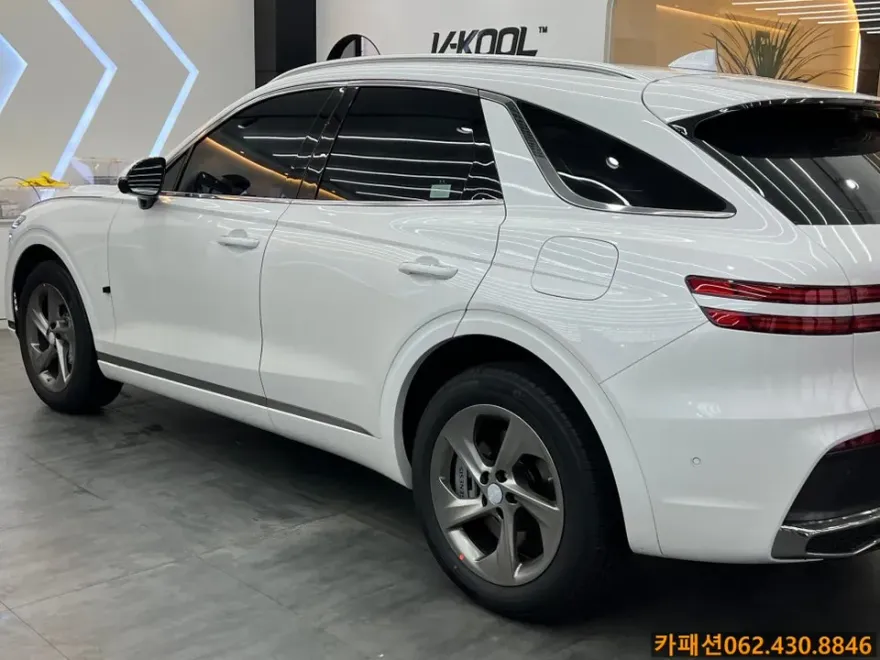
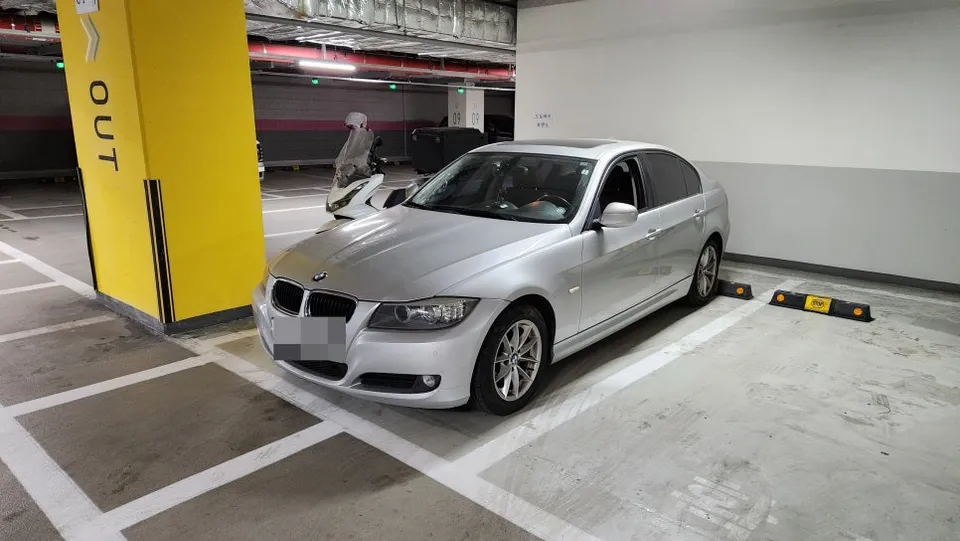
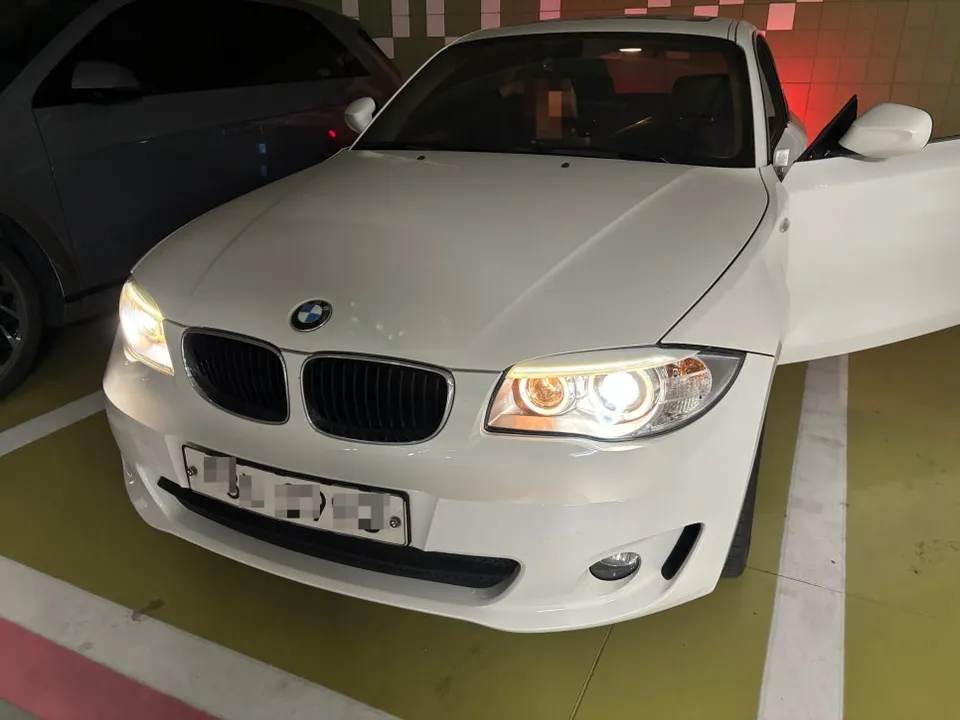
Kia Sportage Dash Cam Installation Review
Service Price
$150+
Estimated price · Actual price may vary by shop
Before
After

Process photos
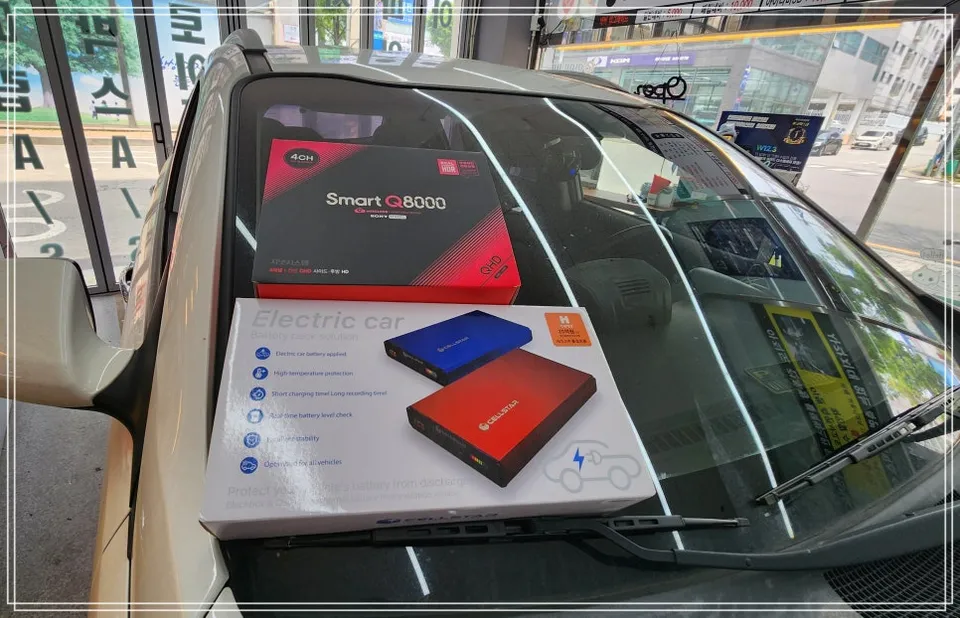
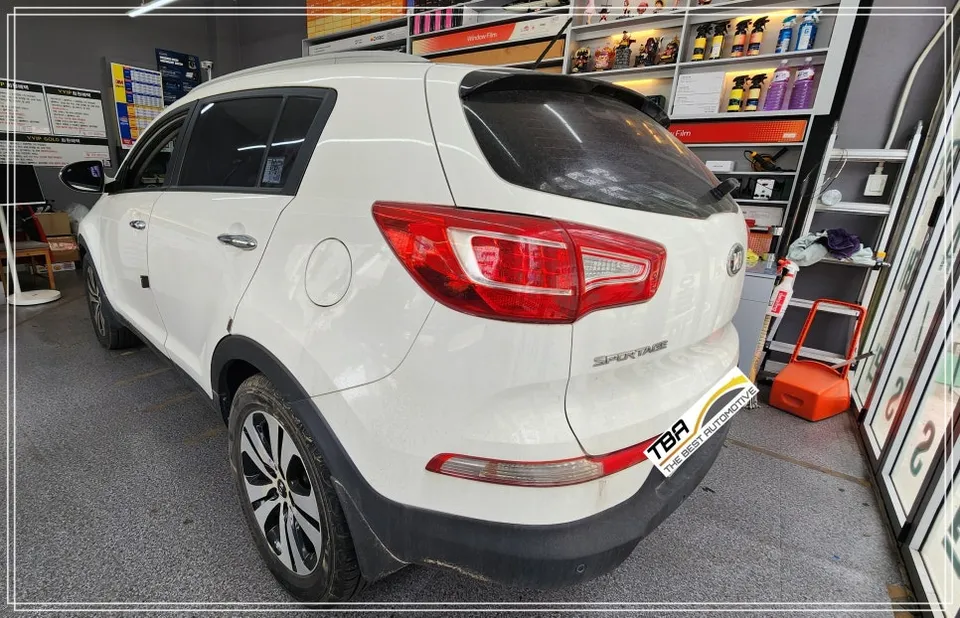
Kia Sportage 4-channel dash cam installation: ~$150+. Eliminates blind spots and ensures parking security.
Why a 4-Channel Dash Cam for Your Kia Sportage?
Driving a larger vehicle like the Kia Sportage means dealing with more blind spots. Incidents like side-swipes in narrow alleys, parking lot door dings, or even minor collisions from the side can go unrecorded by standard 2-channel dash cams. Without clear video evidence, resolving these situations can become difficult, especially during insurance claims or disputes. This review details how a Kia Sportage owner addressed these concerns by upgrading to a 4-channel dash cam system combined with an auxiliary battery, significantly enhancing safety and peace of mind.
Addressing Kia Sportage Owner Concerns
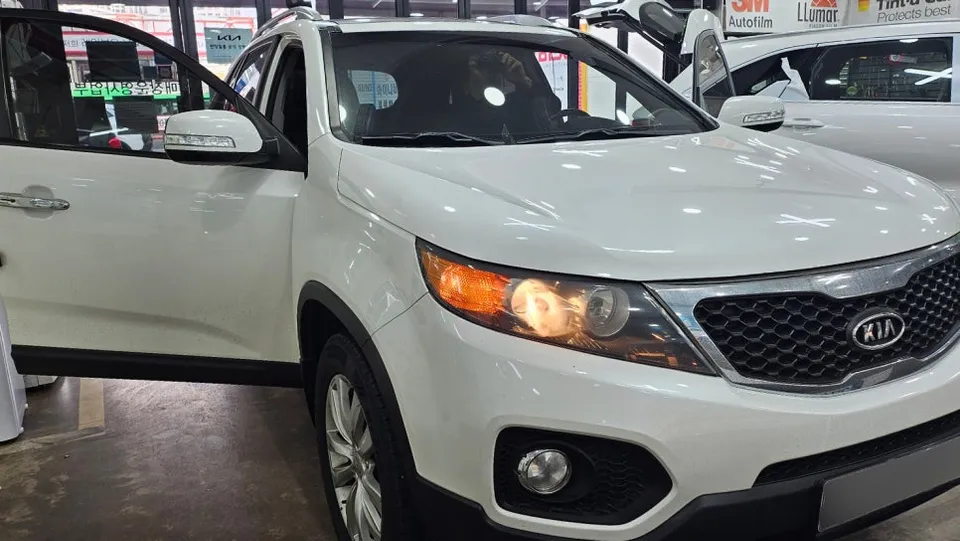
Our client frequently embarked on long-distance trips, often covering over 300km daily, and regularly parked their Sportage in an apartment's underground garage. Their existing 2-channel dash cam left them feeling vulnerable for two primary reasons. Firstly, the persistent worry about blind spots. They had experienced near-misses with other vehicles' mirrors in tight spaces and recalled a side-impact incident that wasn't captured on their old camera. The substantial size of the Kia Sportage makes front and rear cameras alone insufficient. Secondly, the anxiety over battery drain was a constant issue. Relying solely on the car's main battery for extended parking mode recording meant frequent concerns about finding the battery depleted after long periods of inactivity, often leading them to disable the dash cam altogether.
Professional Solution for Kia Sportage
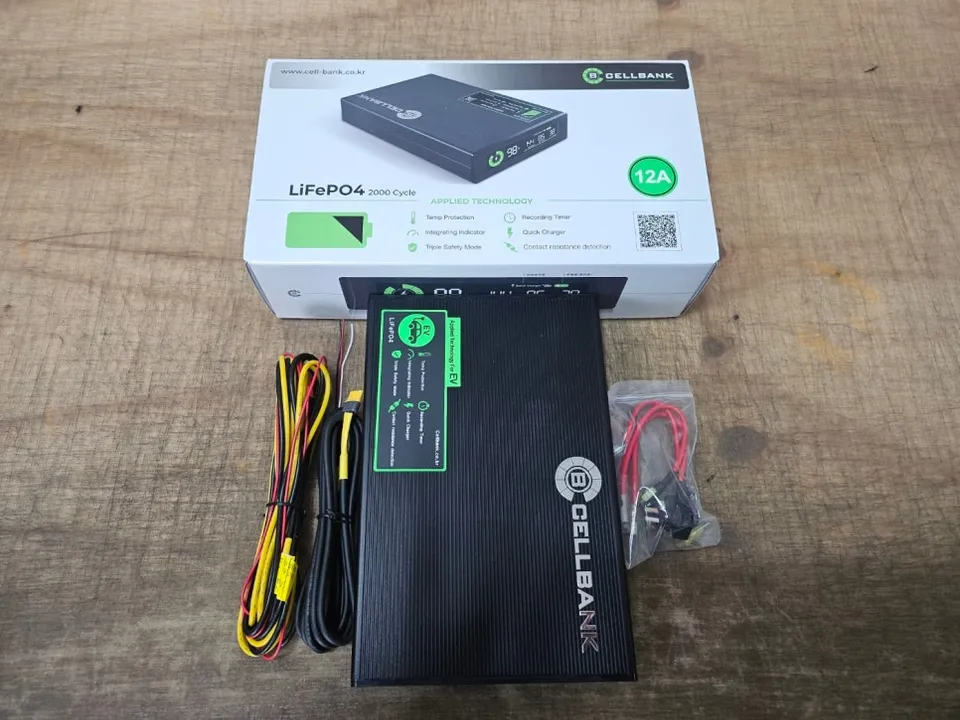
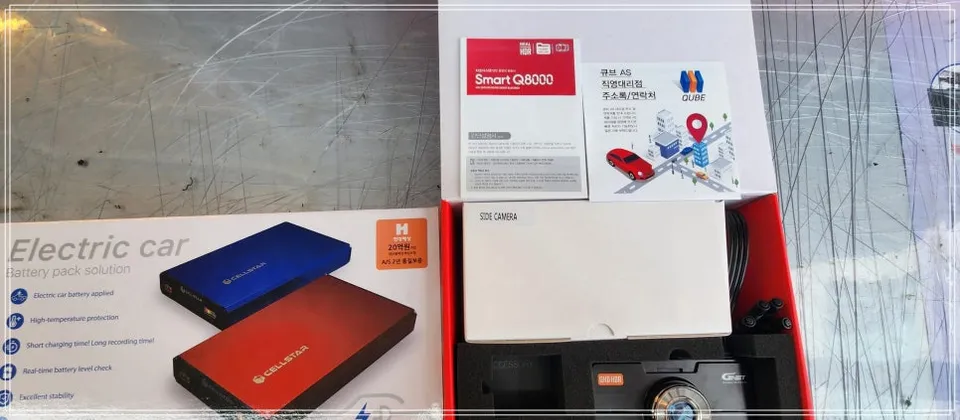
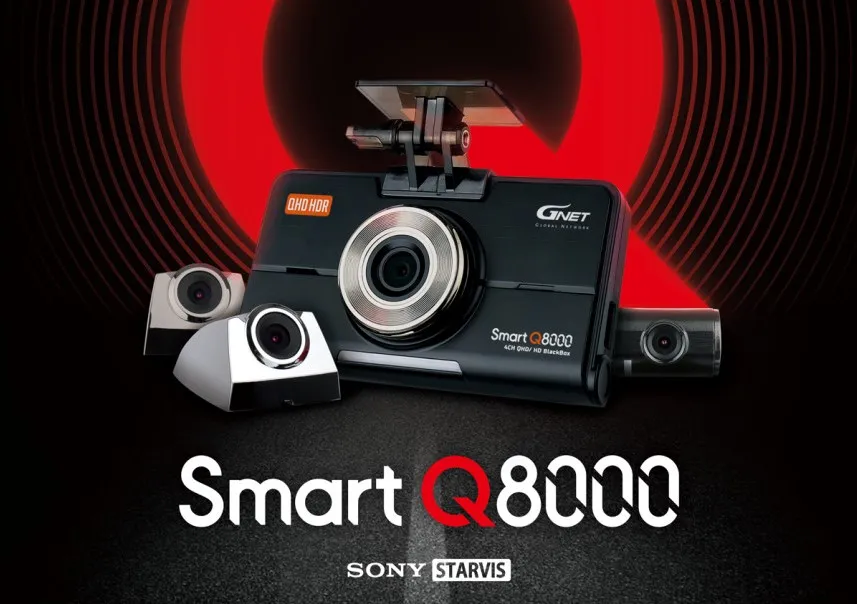
At the installation shop, the owner's driving habits and parking routines were analyzed. Key requirements included efficient battery charging for long drives, excellent low-light recording capabilities for night parking, and a clean, unobtrusive installation for a new Kia Sportage. The recommended solution was the GNET Smart Q8000 4-channel dash cam paired with a Cellstar auxiliary battery. This combination effectively minimizes blind spots around the Sportage and ensures stable, continuous recording in parking mode without draining the primary vehicle battery.
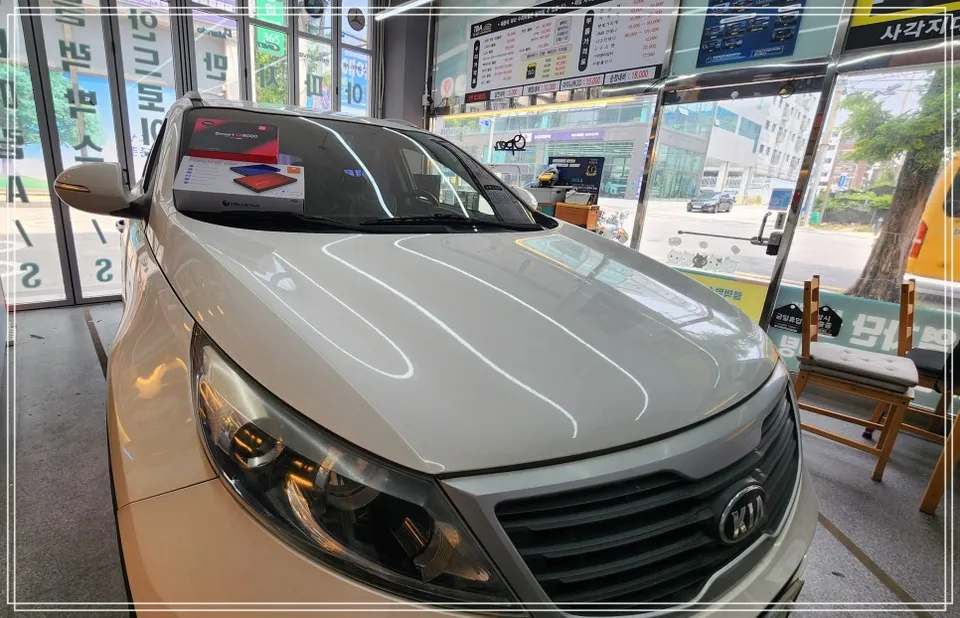
Key Features of the 4-Channel System
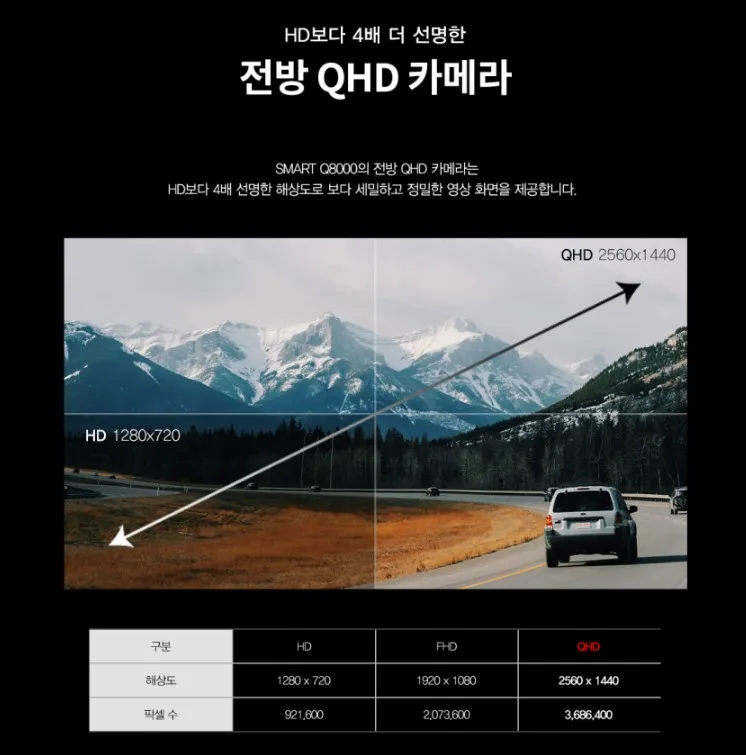
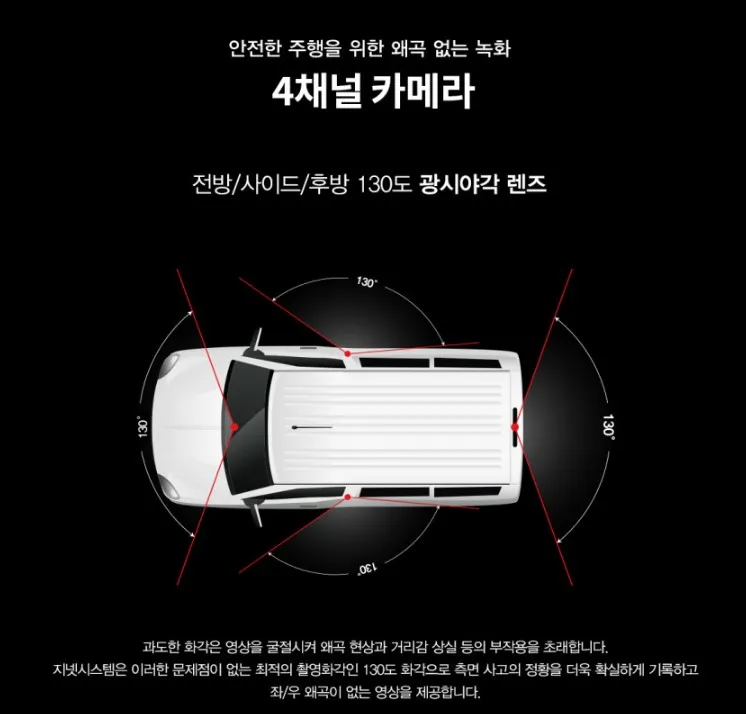
The GNET Q8000 was chosen for its robust capabilities. It offers comprehensive recording: front and rear cameras capture footage in crisp QHD (2560x1920) resolution, while the left and right side cameras record in FHD (1920x1080). This ensures that minor incidents like door dings or side scrapes are reliably documented. The system excels in low-light conditions thanks to its Sony STARVIS sensor, which clearly captures license plates even in dimly lit parking garages or at night. Its Wide Dynamic Range (WDR) technology automatically adjusts exposure, preventing blown-out footage when transitioning between bright and dark areas, such as exiting tunnels. The use of the efficient H.265 codec allows for longer recording times within the same storage capacity compared to older codecs. Furthermore, the smart recovery system helps minimize file corruption in the event of sudden power loss or impact, preserving crucial recordings.
Additionally, the dash cam includes Advanced Driver-Assistance Systems (ADAS) features like Lane Departure Warning, Forward Collision Warning, and a Driving Safety Alert. These functions enhance the overall safety of the Kia Sportage, particularly beneficial for drivers undertaking long journeys, helping to reduce fatigue.
How the Auxiliary Battery Works
An auxiliary battery is crucial for enabling extended parking mode recording without risking your car's main battery. While a car's standard battery might only support a dash cam for about 30 minutes in parking mode, an auxiliary battery acts as a dedicated power source. It charges while the engine is running and then powers the dash cam independently when the vehicle is parked. This setup ensures continuous surveillance without the worry of a dead battery upon your return, providing reliable protection around the clock.
Installation Process:
- Vehicle Assessment & Planning: The installer determined the optimal placement for the front, rear, and side cameras, ensuring minimal visual obstruction and maximum field of view. Wiring routes were planned to maintain a clean interior aesthetic.
- Camera Mounting: The front and rear cameras were securely mounted behind the rearview mirror and near the rear windshield, respectively. The side cameras were carefully positioned on the A-pillars or near the side mirrors, depending on the vehicle's interior layout.
- Wiring & Power Connection: All camera cables were discreetly routed through the vehicle's headliner and trim panels. The dash cam unit and auxiliary battery were connected to the vehicle's power system, typically hardwired to utilize the car's battery when running and the auxiliary battery when parked.
- Auxiliary Battery Integration: The auxiliary battery was installed in a suitable location, often under a seat or in the trunk, and connected to the dash cam and the vehicle's charging system.
- System Configuration & Testing: The dash cam was configured with user preferences, including recording modes, sensitivity settings, and ADAS features. Final testing ensured all cameras were recording correctly, and the parking mode functioned as expected.
The total installation time for this 4-channel system with an auxiliary battery typically ranges from 2 to 4 hours, depending on the complexity of the wiring and the specific vehicle model.
Frequently Asked Questions
Q. How much does dash cam installation cost for a Kia Sportage?
The installation service for this 4-channel dash cam system on a Kia Sportage was performed in Korea, with costs typically starting around ₩200,000 (approximately $150 USD). Professional installation costs in the US can vary but often range from $100 to $300 depending on the system's complexity.
Q. How long does dash cam installation take on a Kia Sportage?
Professional dash cam installation, especially for a 4-channel system with an auxiliary battery, usually takes between 2 to 4 hours. Proper maintenance involves periodically checking camera lens clarity and ensuring the recording system is functioning correctly during routine vehicle checks.
Q. Is a hardwired dash cam worth it over a self-install for a Kia Sportage?
A hardwired dash cam installation is highly recommended for vehicles like the Kia Sportage, especially when utilizing parking mode, as it ensures a clean setup and reliable power management. It's particularly beneficial for drivers who want continuous recording without battery drain concerns or the risk of damaging vehicle electronics.
Q. How is a dash cam professionally installed on a Kia Sportage?
Professional installation involves securely mounting cameras (front, rear, and sides), discreetly routing all wiring through the vehicle's trim, and hardwiring the system to the car's power. An auxiliary battery is integrated to power the dash cam during parking mode without draining the main car battery.
Q. What is the difference between a 1-channel and 4-channel dash cam for a Kia Sportage?
A 1-channel dash cam typically records only the front view, while a 4-channel system records front, rear, and both sides, offering comprehensive protection against blind spot incidents. For larger vehicles like the Kia Sportage, a 4-channel system is significantly more effective at capturing all angles of potential accidents or vandalism.
OhCar Partner Shop