Hyundai Kona Seat Climate Upgrade Review — Cost & Results
Service Price
$40–80
Estimated price · Actual price may vary by shop


Hyundai Kona rear seat heating upgrade: Approx. $220-$440. Provides quick, localized warmth and improves passenger comfort.
Enhancing Comfort in Your Hyundai Kona with Seat Climate Control
For electric vehicle owners, especially those in colder climates like Korea, managing cabin temperature efficiently is key. Beyond just battery range, ensuring passenger comfort is a significant consideration, particularly for families. This review focuses on retrofitting a Hyundai Kona with a genuine, factory-style seat ventilation and heating system, specifically for the rear seats, to provide a warmer and more comfortable experience for all occupants during winter.
The primary benefit of a seat climate upgrade, such as adding heated seats, is localized warmth. In an EV, relying solely on the main heater can drain the battery faster. Utilizing seat heaters and steering wheel heaters allows for more targeted heating, potentially improving overall energy efficiency. For families with children or elderly passengers who are often seated in the rear, ensuring their warmth is a priority for a pleasant journey. This upgrade uses genuine OEM parts, ensuring compatibility, durability, and safety, much like the original factory options.
OEM Seat Ventilation & Heating Installation Process
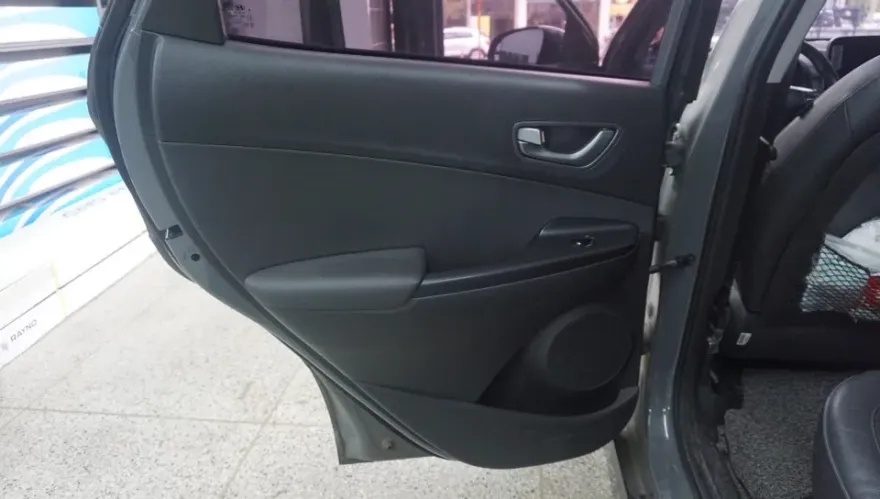
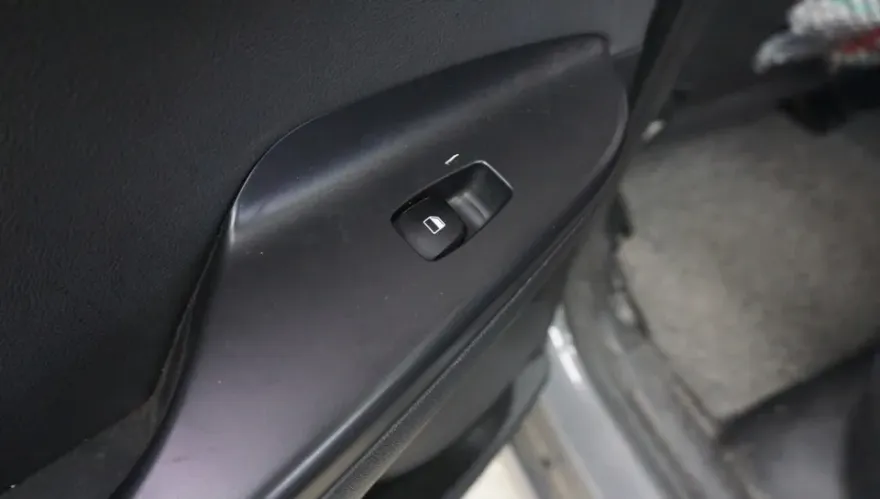
The process involves carefully disassembling the vehicle's interior components, including the seats and door panels. For the Hyundai Kona, a key advantage is that the switch unit for the heated seats can often be integrated into the existing door trim without requiring a full replacement of the panel, contributing to a more cost-effective installation. The original seat covers are removed to allow for the precise placement of the heating elements (pads) onto the seat base and backrest. These heating pads are designed to fit seamlessly, ensuring no change in the seat's feel or appearance once reassembled. The installation requires meticulous attention to detail to ensure all wiring is correctly connected and hidden, maintaining a clean, factory-like finish.
Installation Process:
- Carefully remove the rear seat covers and relevant sections of the door trim.
- Install the genuine OEM heating pads onto the seat base and backrest, ensuring proper adhesion and positioning.
- Integrate the new heating control switch unit into the door trim.
- Reconnect all wiring harnesses according to factory specifications.
- Reassemble the seats and door trim, ensuring all clips and fasteners are secured.
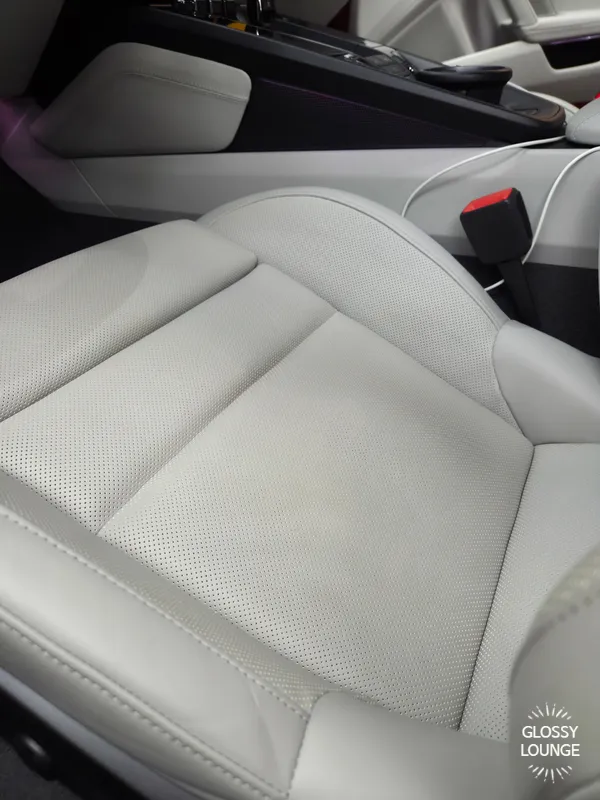
After installation, the seats look and feel identical to how they did before, with no visible signs of modification. The only indication of the upgrade is the newly installed control switch, which operates smoothly and integrates cleanly with the interior aesthetics.
Performance and Value of Seat Climate Upgrades
The newly installed heating system offers a two-stage temperature control, allowing users to select their preferred level of warmth. The heating elements warm up quickly, providing rapid comfort on cold days, which is a significant improvement over waiting for the main cabin heater to take effect. The ability to control rear seat temperature independently enhances passenger comfort, especially on longer drives or during winter commutes. While the original Korean context mentions a price range of approximately 300,000 to 600,000 KRW (roughly $220-$440 USD, subject to exchange rates), the actual cost can vary based on the specific vehicle year, trim level, and the installer's labor rates. For a Hyundai Kona, this type of seat climate upgrade is generally considered a worthwhile investment for enhancing passenger comfort and potentially improving the EV's energy efficiency during colder months.
When considering this upgrade, prioritizing genuine OEM parts is crucial. These components are designed specifically for the vehicle, ensuring optimal performance, longevity, and safety. Using non-genuine parts can lead to issues such as uneven heating, premature failure, or even electrical problems. Therefore, consulting with reputable installers who specialize in OEM retrofits is highly recommended to achieve a seamless and reliable seat ventilation and heating system for your Hyundai Kona.
Frequently Asked Questions
Q. How much does ventilated seat installation cost for a Hyundai Kona?
The installation cost for a seat climate upgrade on a Hyundai Kona, as performed in Korea, ranged from approximately 300,000 to 600,000 KRW (roughly $220-$440 USD). Typical US installation costs for similar aftermarket ventilated or heated seat kits can range from $400 to $800 per row.
Q. How long does seat ventilation installation take on a Hyundai Kona?
The durability of OEM seat heating systems is generally excellent, often lasting the lifetime of the vehicle with proper care. Basic maintenance involves keeping the seat upholstery clean and avoiding spills on the control switches.
Q. Are aftermarket ventilated seats worth it for a Hyundai Kona?
A seat climate upgrade is most beneficial for Kona owners who frequently carry passengers in the rear, especially children or elderly individuals, during cold weather. It significantly enhances passenger comfort and can offer a slight improvement in EV energy efficiency by reducing reliance on the main cabin heater.
Q. How are ventilated seats installed in a Hyundai Kona?
Installation involves carefully removing seat covers to place OEM heating pads on the seat base and backrest. A new control switch is integrated into the door trim, and all wiring is connected to the vehicle's electrical system for a factory-like finish.
Q. What is the difference between OEM and aftermarket ventilated seats for a Hyundai Kona?
OEM (Original Equipment Manufacturer) parts offer guaranteed compatibility, superior durability, and safety features designed specifically for the Hyundai Kona. Aftermarket kits may vary widely in quality, potentially leading to less reliable performance or integration issues.
OhCar Partner Shop