Hyundai Palisade Wheel Repair & Painting Review
Service Price
$approx. $1,150–1,500
Estimated price · Actual price may vary by shop
Before
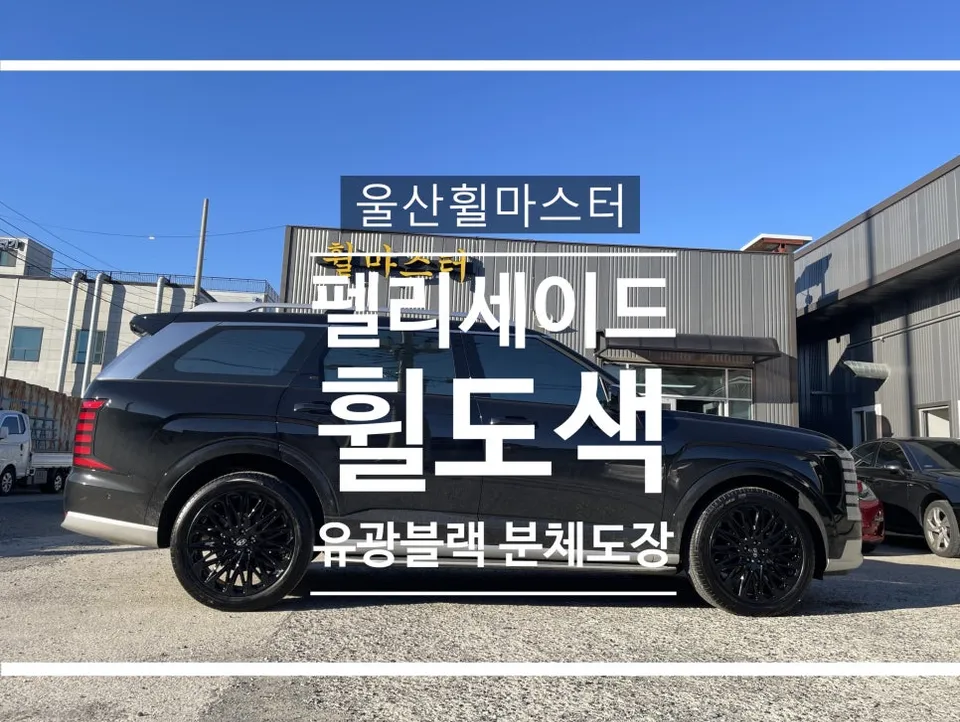
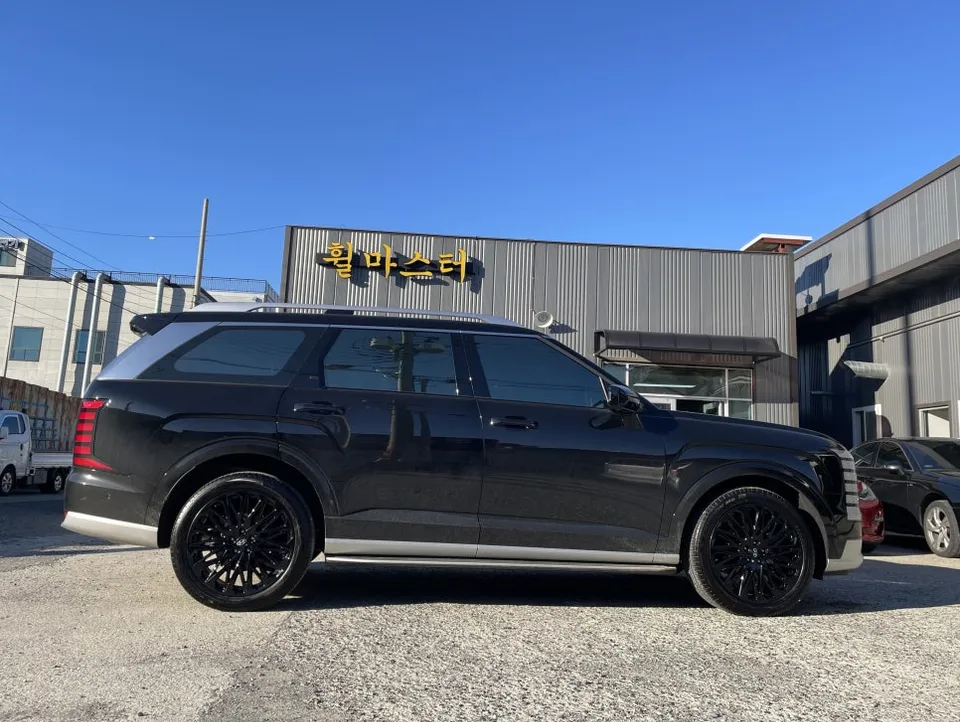
After
Process photos
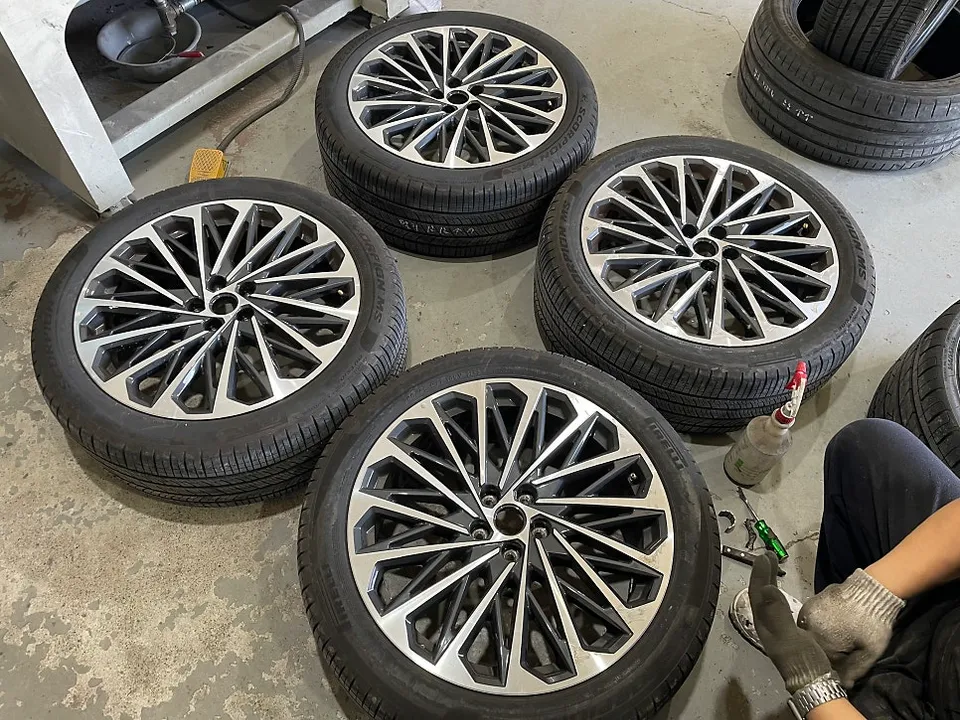
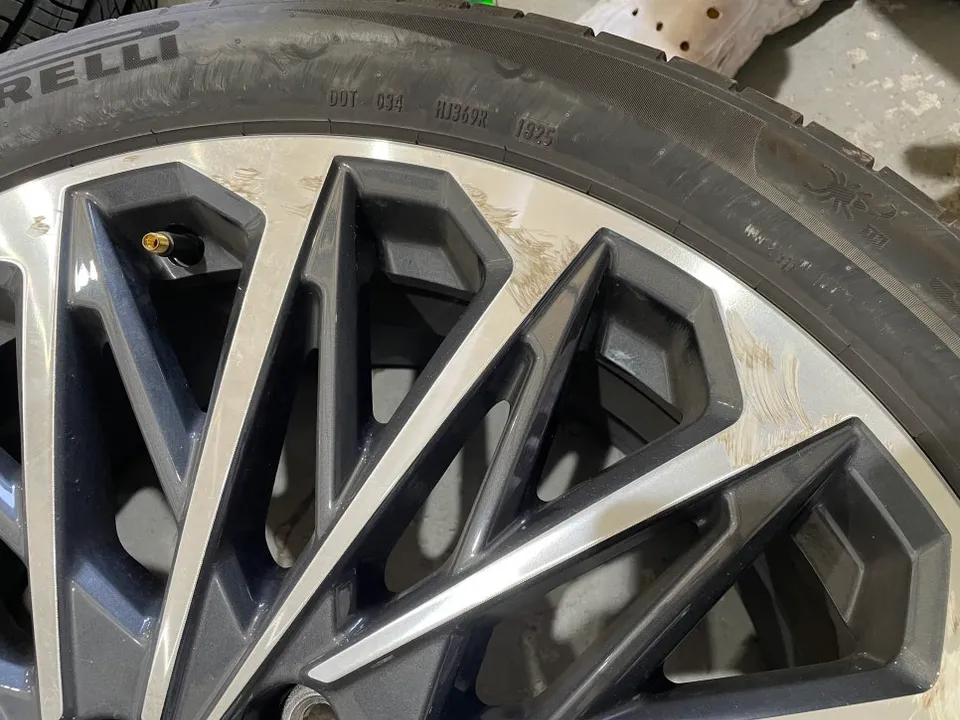
Hyundai Palisade 21-inch wheel repair and glossy black powder coating. Restored from curb rash. Lasts 3-5 years.
Hyundai Palisade 21-inch Wheels Get a Glossy Black Powder Coating Makeover
The genuine 21-inch wheels on this Hyundai Palisade arrived with significant damage, including scratches and imperfections on their diamond-cut surfaces. This review details the comprehensive wheel repair and glossy black powder coating process undertaken to restore them to a pristine condition. Opting for a glossy black finish on large SUV wheels like those on the Palisade can dramatically enhance the vehicle's overall aesthetic, lending it a more sophisticated and aggressive stance.
While the cost for a glossy black powder coating on SUV wheels typically ranges from $800 to $1500 USD in the US, the process in Korea for this Palisade involved meticulous repair before the coating. The entire service, from wheel removal to reinstallation, usually takes 3 to 5 days. Powder coating is renowned for its exceptional hardness and durability, often lasting 3 to 5 years or more, provided the wheels are properly maintained and the initial repair work is thorough.
Palisade Wheel Restoration: Diagnosis and Preparation
The initial step in any wheel repair is a thorough inspection to assess the extent of the damage. The Palisade's 21-inch diamond-cut wheels presented numerous scratches and impact marks, which are particularly noticeable on the intricate cut surfaces. A precise diagnosis is crucial for determining the necessary repair methods. In this case, the damage required more than just a simple paint job; it necessitated structural repair to fill and smooth the imperfections before the new coating could be applied. The goal was to maintain the original diamond-cut aesthetic while preparing the surface for a uniform glossy black finish.
Before dismounting the tires, technicians meticulously recorded the position of the TPMS sensors and noted the wheel balance data. This ensures that after the repair and refinishing, the wheels can be reinstalled with the correct balance, maintaining the vehicle's driving stability, especially important for a large SUV like the Palisade.
The Crucial Surface Preparation for Powder Coating
Once the tires are removed, the wheel's surface preparation begins. This stage is paramount for the success and longevity of the powder coating. Powder coating, a process where powdered paint is electrostatically applied and then cured under heat, requires an impeccably clean and properly textured surface to adhere effectively.
The core of this preparation is sandblasting. Using high-pressure abrasive media, the wheels are treated to:
- Remove all existing paint and clear coat.
- Eliminate rust, oxidation, and any contaminants from damaged areas.
- Create a slightly roughened surface profile for optimal powder coating adhesion.
Thorough sandblasting, especially in wheel crevices, is essential to prevent future peeling or delamination of the new coating. Following sandblasting, a rigorous cleaning process removes all abrasive media residue. Degreasing then eliminates any oils or surface contaminants. This comprehensive surface treatment ensures the powder coating bonds securely to the wheel.
Achieving a Flawless Glossy Black Finish
With the surface perfectly prepared, the wheels move to the powder coating booth. Glossy black powder is applied electrostatically, ensuring an even coat across the entire wheel. Maintaining a consistent film thickness is critical during this phase. The ideal thickness for powder coating is typically between 50-100 micrometers (μm). Too thin, and the coating's durability is compromised; too thick, and the finish can become uneven or prone to cracking.
For intricate designs like the diamond-cut patterns on the Palisade's wheels, precise control over the spray angle and distance is necessary to ensure the powder coats evenly into all the recessed areas, resulting in a smooth, uniform, and high-gloss finish.
Frequently Asked Questions
Q. How much does wheel repair cost for a Hyundai Palisade?
The cost for this specific Hyundai Palisade wheel repair and glossy black powder coating was detailed in Korean Won within the original context. In the US, a similar service for SUV wheels typically ranges from $800 to $1500.
Q. Can curb rash be fully repaired on Hyundai Palisade wheels?
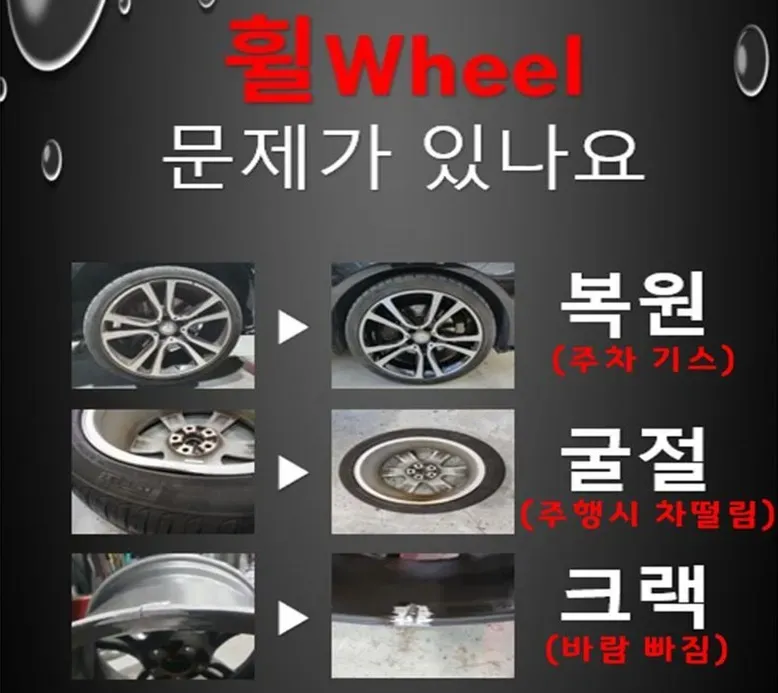
Yes, curb rash and other cosmetic damages on Hyundai Palisade wheels can be fully repaired through processes like filling, sanding, and repainting or powder coating. Proper maintenance, including regular cleaning and avoiding harsh chemicals, will help preserve the repair and finish.
Q. Is wheel repair or replacement cheaper for a Hyundai Palisade?
Wheel repair and refinishing are significantly cheaper than full replacement for a Hyundai Palisade, especially for factory wheels. Repair is ideal for cosmetic damage like curb rash or minor bends, offering a cost-effective way to restore the wheel's appearance and integrity.
Q. How is wheel curb rash repaired on a Hyundai Palisade?
1. The damaged wheel is first cleaned and inspected. 2. Curb rash and scratches are meticulously filled and sanded down to create a smooth surface. 3. The wheel is then prepared for coating, often through sandblasting, followed by degreasing. 4. Finally, a new layer of paint or powder coating is applied and cured to match the original finish or a desired new look.
Q. What is the difference between wheel refinishing and full replacement for a Hyundai Palisade?
Wheel refinishing restores the original wheel's appearance and structural integrity through repair and recoating, while full replacement involves purchasing and installing entirely new wheels. Refinishing is a more economical option for damaged factory wheels, whereas replacement is typically chosen for irreparable damage or when upgrading to a different style.
OhCar Partner Shop