Hyundai Sonata Seat Climate Upgrade Review: Cost & Results
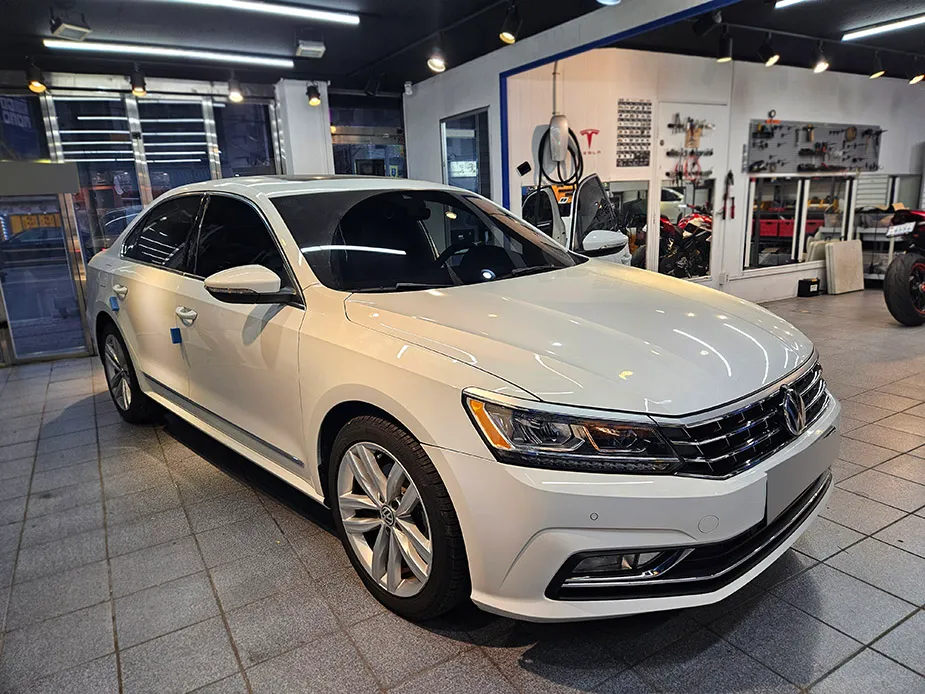
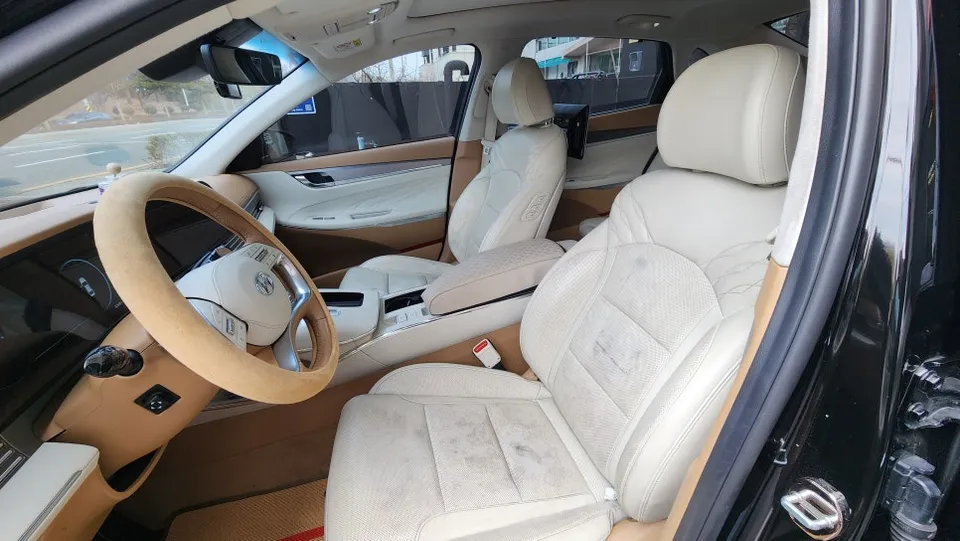
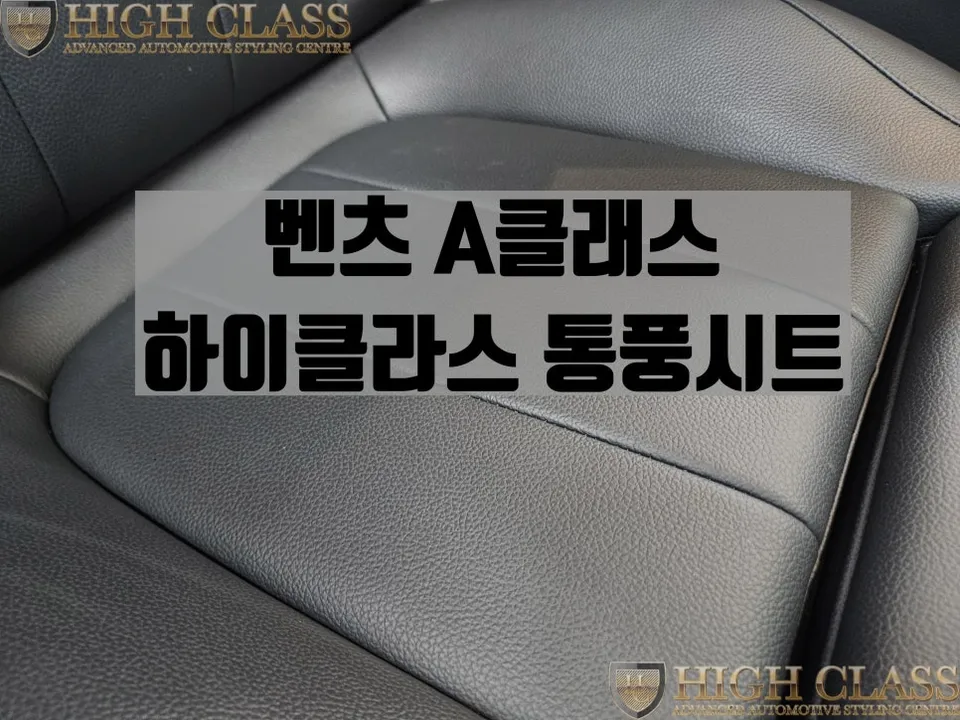
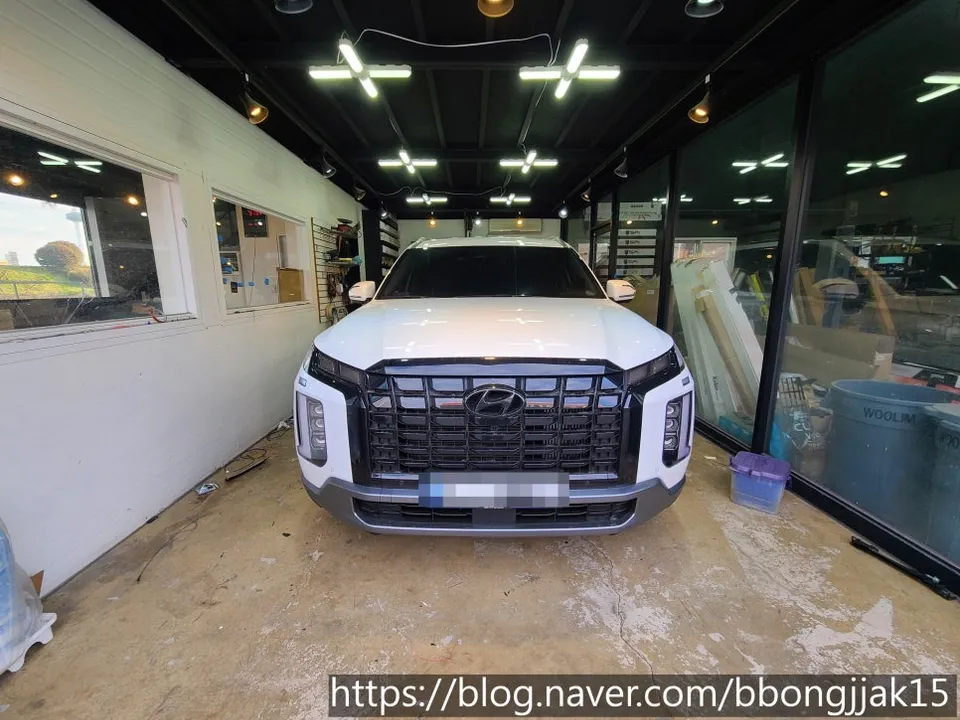
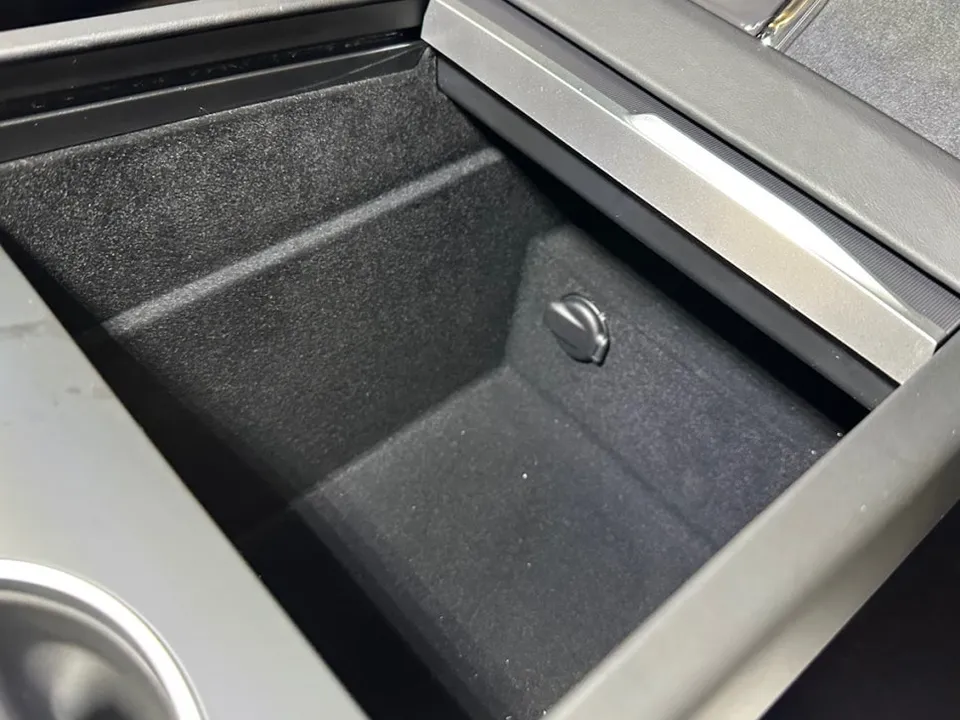
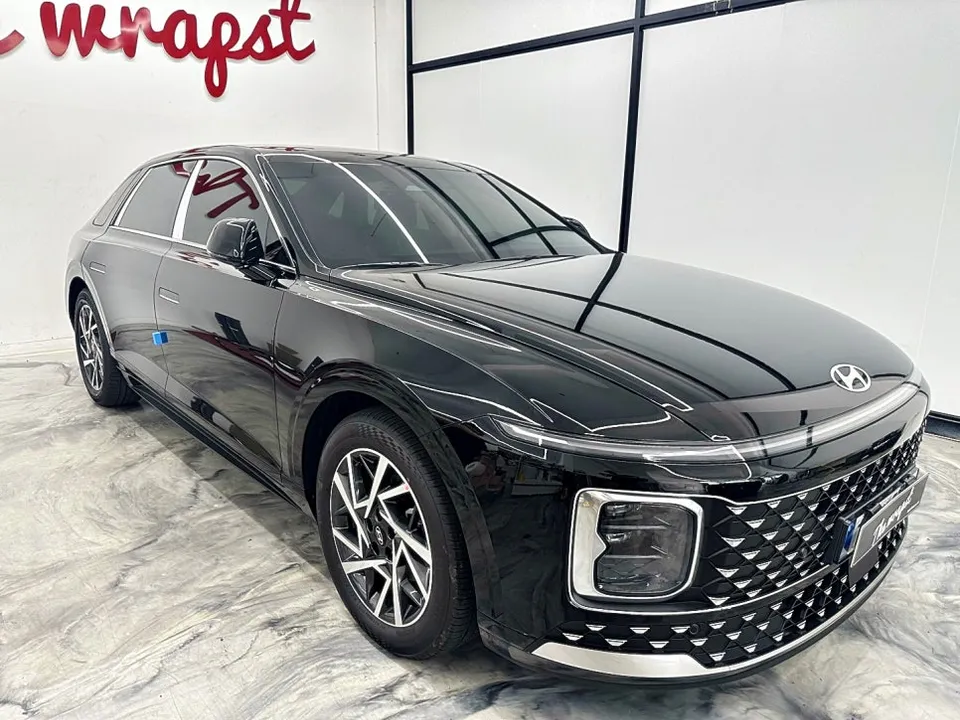
Before
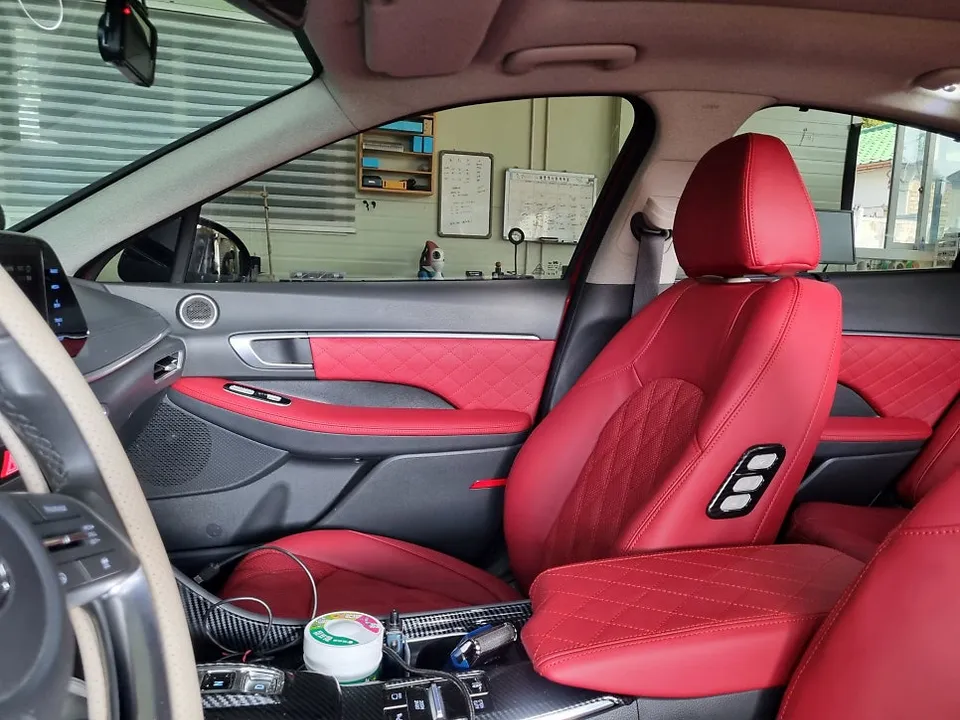
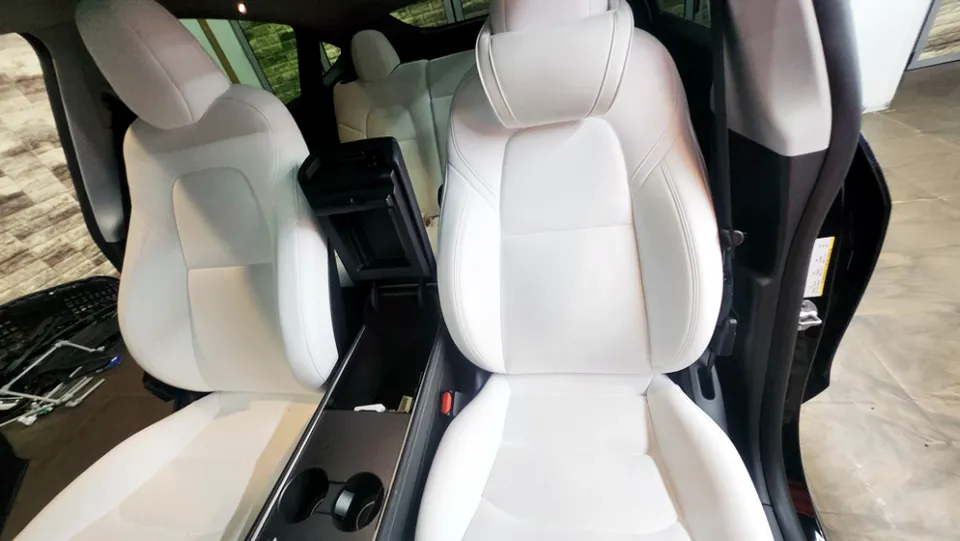
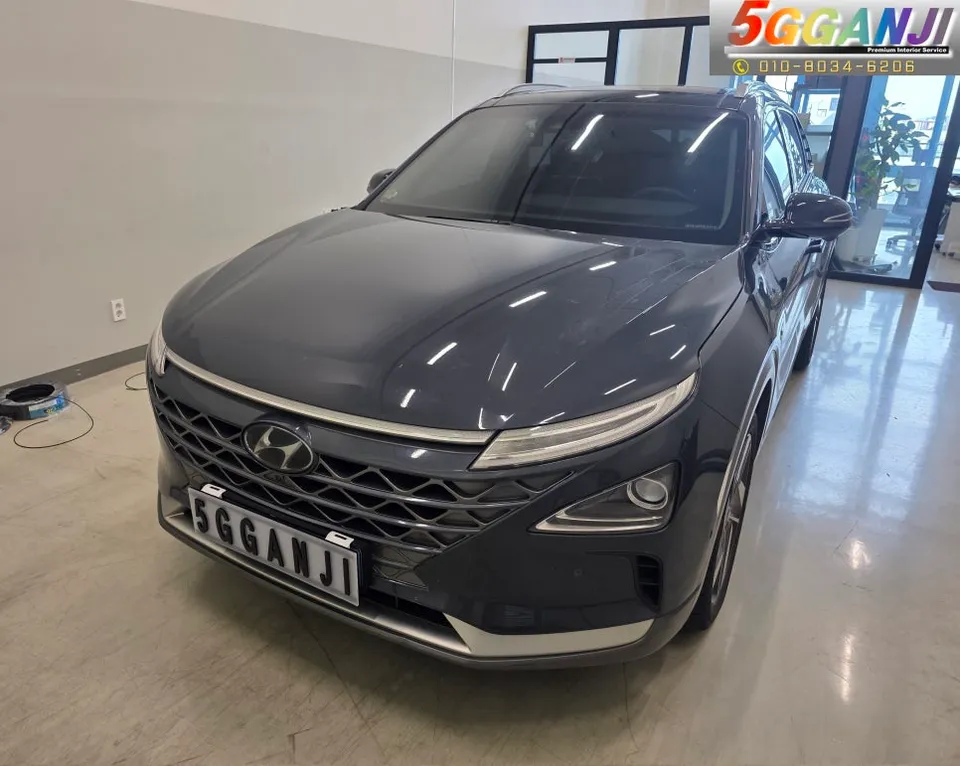
After
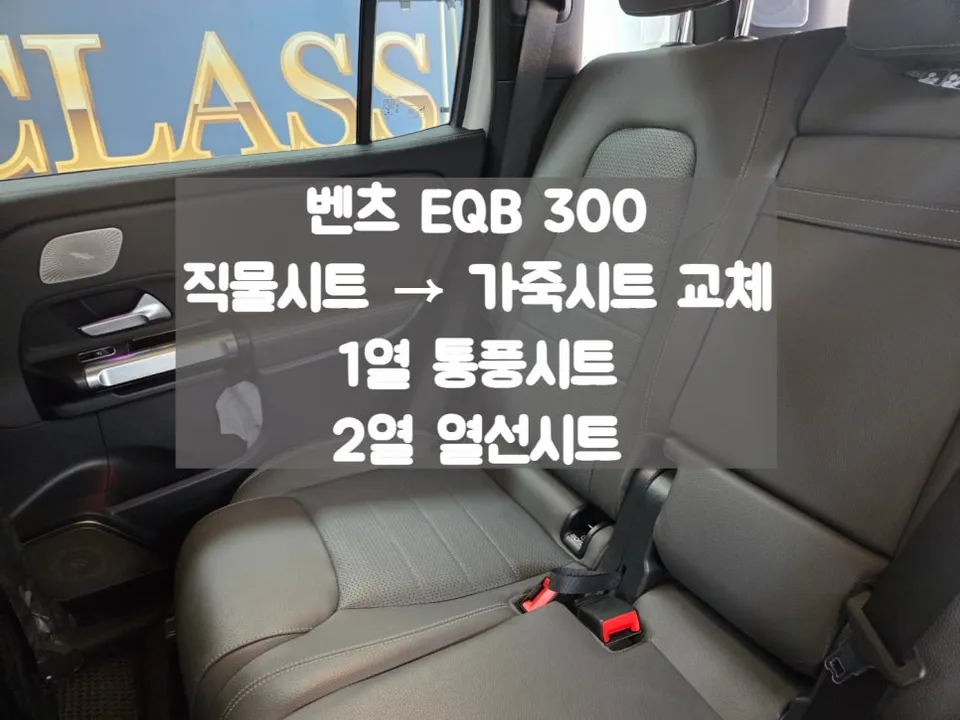
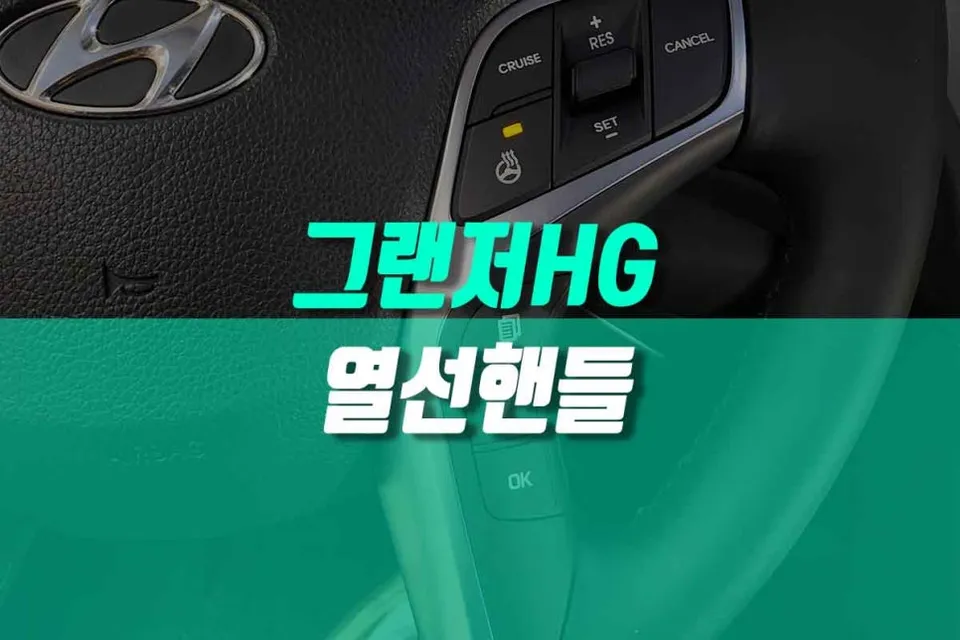
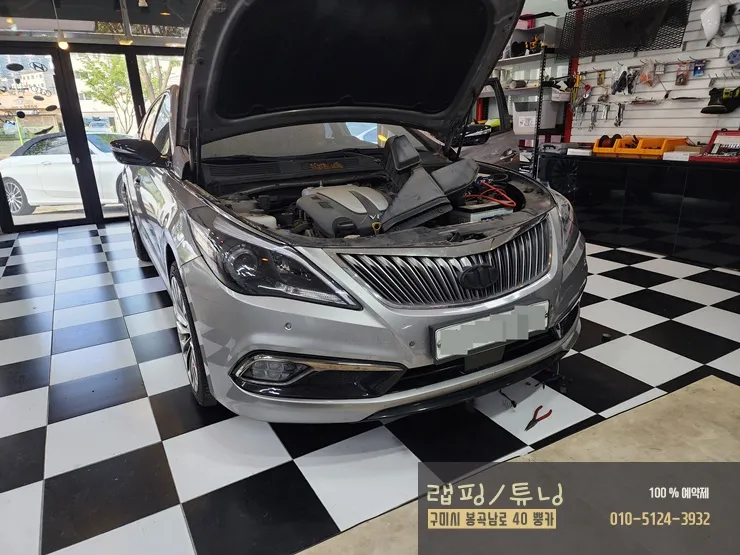
Process photos
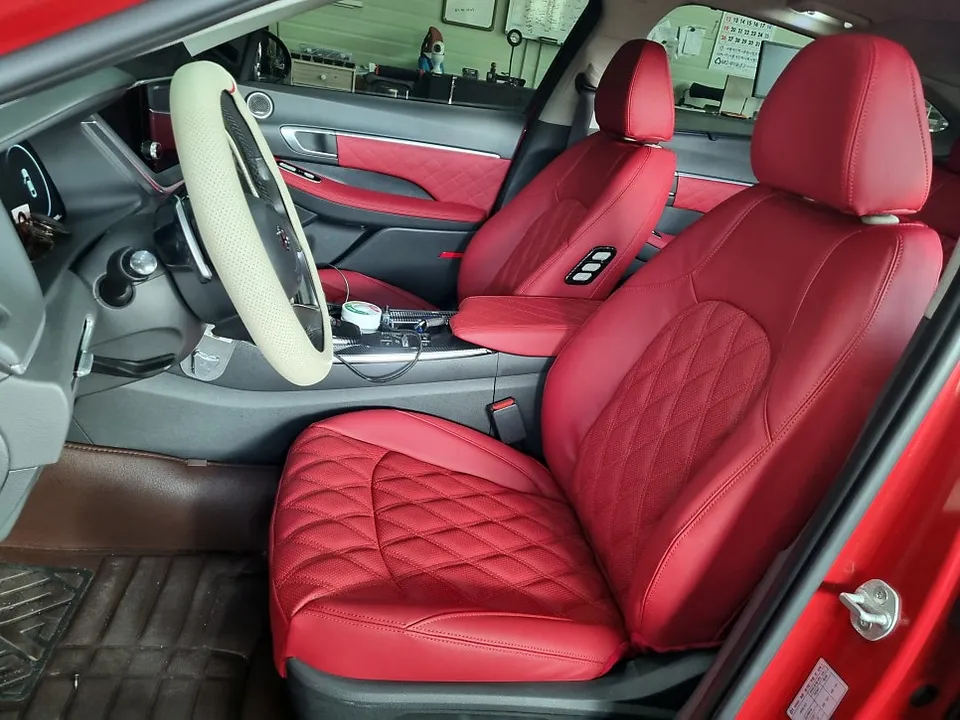
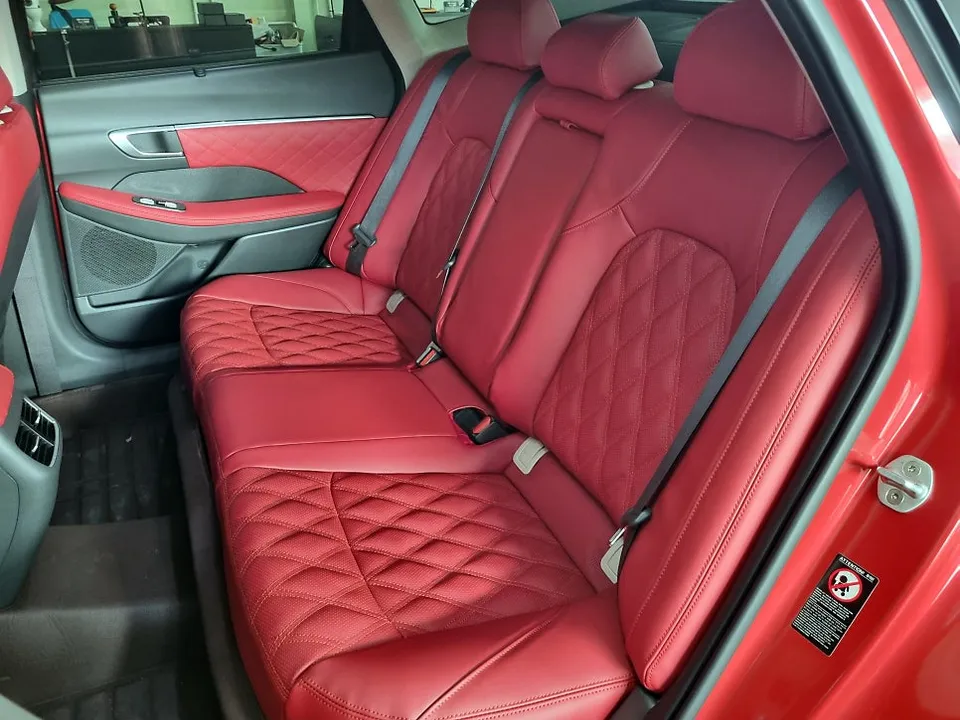
Hyundai Sonata seat climate upgrade: Adds ventilation & heating. Enhances comfort year-round.
Enhancing Your Hyundai Sonata's Comfort with Seat Ventilation and Heating
For drivers seeking to elevate their in-car experience, adding seat ventilation and heating to a Hyundai Sonata offers a significant comfort upgrade. This review delves into the specifics of such a retrofit, covering the installation process, the tangible before-and-after results, and crucial considerations like cost and durability. While the original context for this work comes from a professional automotive interior specialist in Uijeongbu, South Korea, the principles and benefits apply universally to Sonata owners looking to enhance their seating climate.
Installation Process and Materials
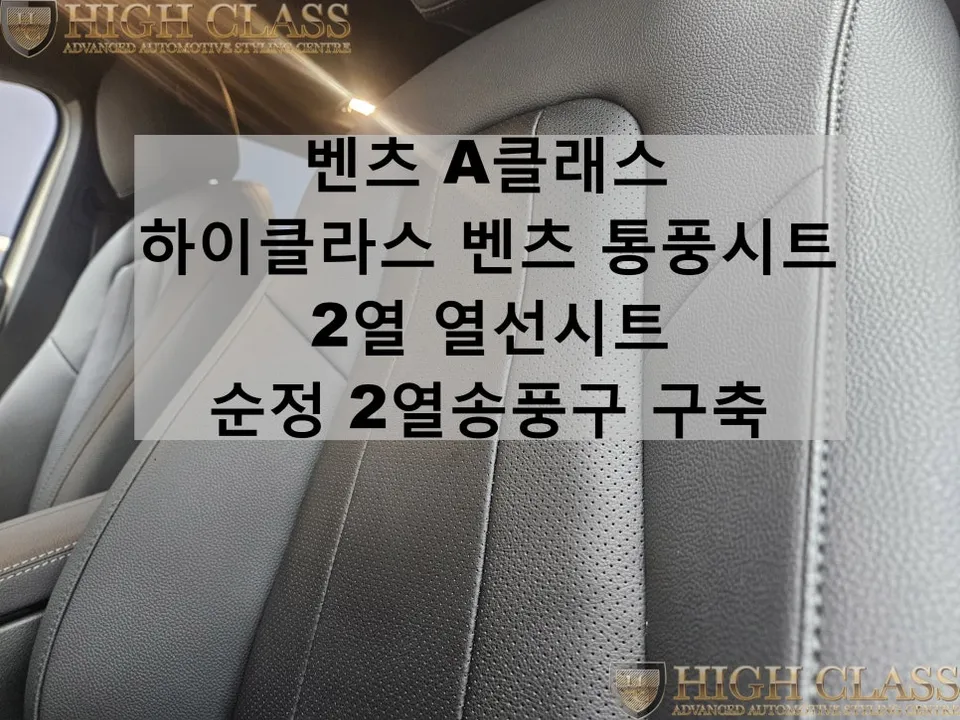
The installation of ventilated and heated seats involves a meticulous process to ensure both functionality and aesthetic integration. Typically, this involves disassembling the existing seat covers, integrating specialized heating elements and ventilation fans, and then reassembling the seats with new or modified upholstery. The Korean context mentions a "Double Diamond Leather Seat" upgrade, suggesting high-quality materials are often part of these comprehensive interior enhancements. This not only improves the feel and look of the seats but also provides a durable surface for the climate control system to work through.
Installation process:
- Seat disassembly and removal of original upholstery.
- Integration of heating elements and ventilation fan modules into the seat base and backrest.
- Wiring of the system to the vehicle's power source and control switches.
- Reinstallation of upholstery, ensuring a snug and professional fit.
- Testing of both heating and ventilation functions.
Before & After Results, Durability, and Maintenance
The most immediate and impactful result of a seat ventilation and heating upgrade is the vastly improved comfort in various weather conditions. In hot weather, ventilated seats actively draw heat away from the body, providing a cooling sensation. Conversely, heated seats offer rapid warmth during colder months. The durability of these systems is generally high, provided professional installation is performed using quality components. Maintenance typically involves keeping the seat surfaces clean and ensuring no obstructions block the ventilation ports. The "Double Diamond Leather" mentioned in the source material implies a focus on premium, long-lasting materials that complement the added climate control features.
For a Hyundai Sonata, this upgrade transforms the daily driving experience, making commutes more pleasant regardless of the season. The decision to invest in such a feature often comes down to personal comfort priorities and the perceived value against the installation cost. While specific pricing in USD isn't provided in the original Korean context, such comprehensive seat climate upgrades can range significantly, often starting from several hundred dollars upwards, depending on the complexity and materials used.
Frequently Asked Questions
Q. How much does ventilated seat installation cost for a Hyundai Sonata?
The installation cost for ventilated seats on a Hyundai Sonata can vary, but professional retrofits often range from $500 to $1500 or more in the US. The specific price depends on the components used and the complexity of the installation.
Q. How long does seat ventilation installation take on a Hyundai Sonata?
Seat ventilation systems are typically durable, lasting many years with proper care. Basic maintenance involves regular cleaning of the seat upholstery and ensuring the ventilation grilles are free from debris.
Q. Are aftermarket ventilated seats worth it for a Hyundai Sonata?
Aftermarket ventilated seats are most beneficial for drivers who frequently experience extreme temperatures or spend long hours in their vehicle. The significant boost in comfort and luxury often justifies the investment for those prioritizing a premium driving experience.
Q. How are ventilated seats installed in a Hyundai Sonata?
Installation involves disassembling the seat, integrating specialized fans and heating elements beneath the upholstery, and then reassembling the seat. The system is then wired to the vehicle's power and controls, followed by thorough testing.
Q. What is the difference between OEM and aftermarket ventilated seats for a Hyundai Sonata?
OEM (Original Equipment Manufacturer) ventilated seats are factory-integrated and designed specifically for the vehicle, often offering seamless integration and potentially higher resale value. Aftermarket options provide a retrofit solution that can be more customizable and potentially more affordable, though integration might be less seamless.
OhCar Partner Shop