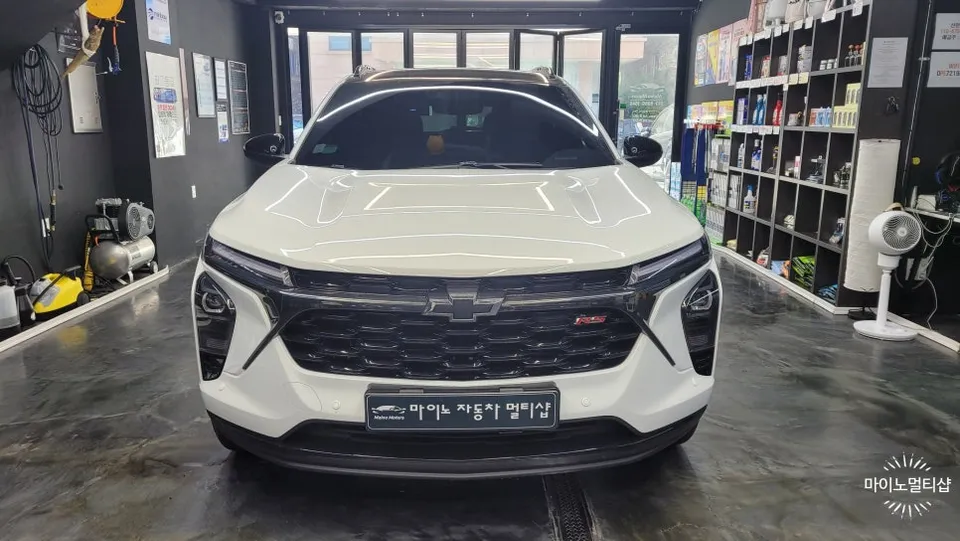
Chevrolet Traverse Ventilated Seats Review — Cost & Installation
Service Price
$40–80
Estimated price · Actual price may vary by shop
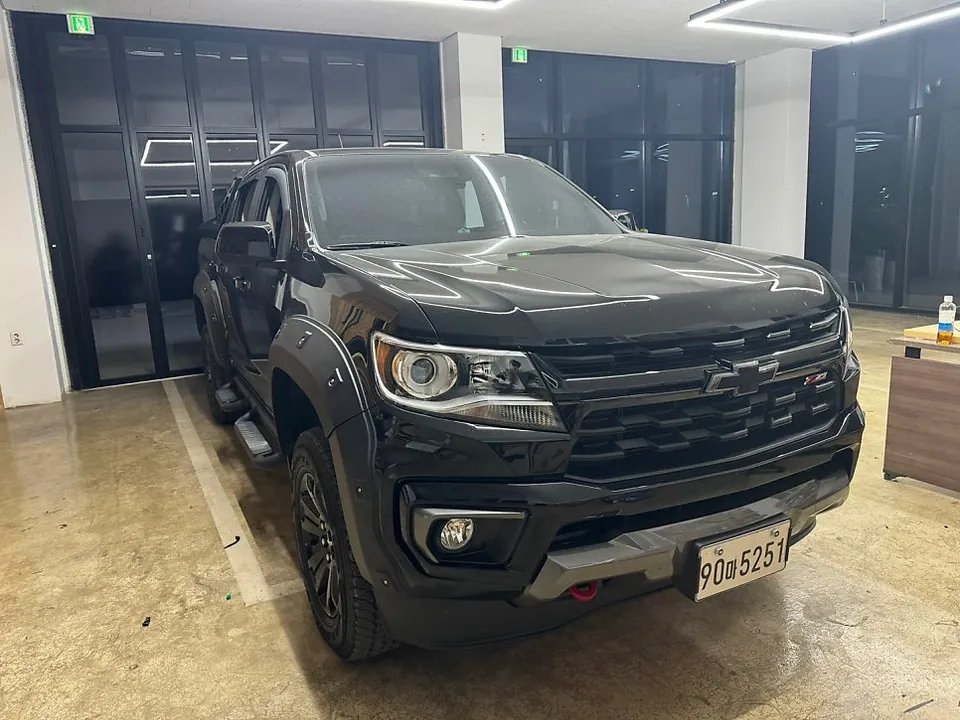
Before
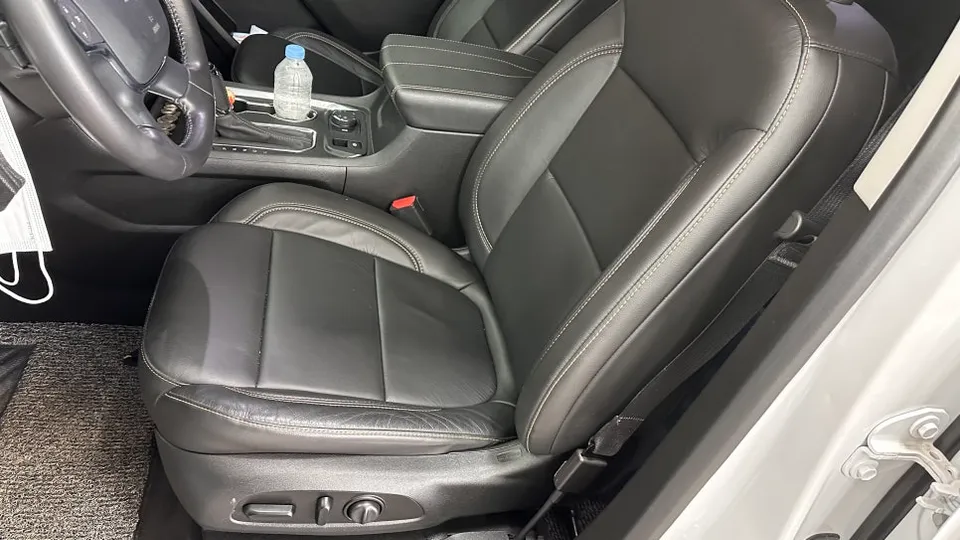
After
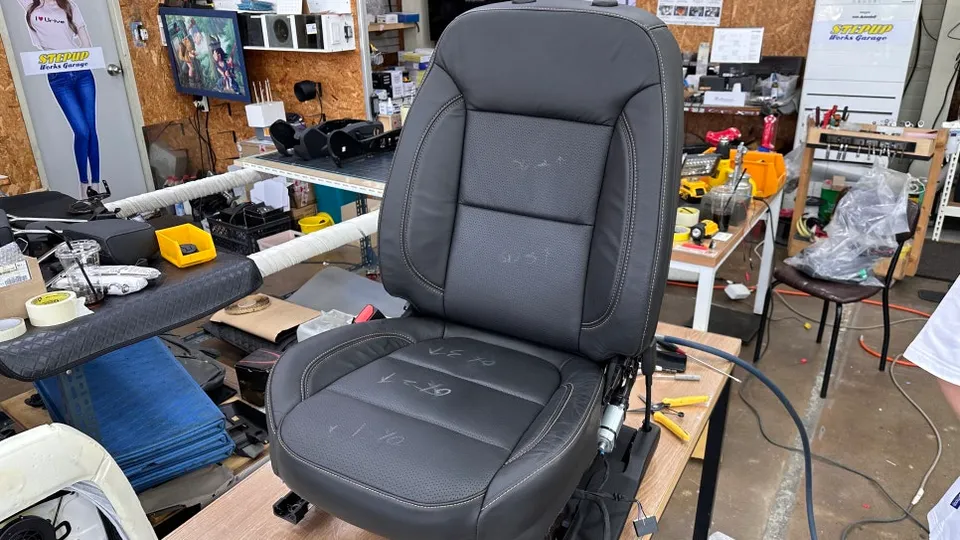
Process photos
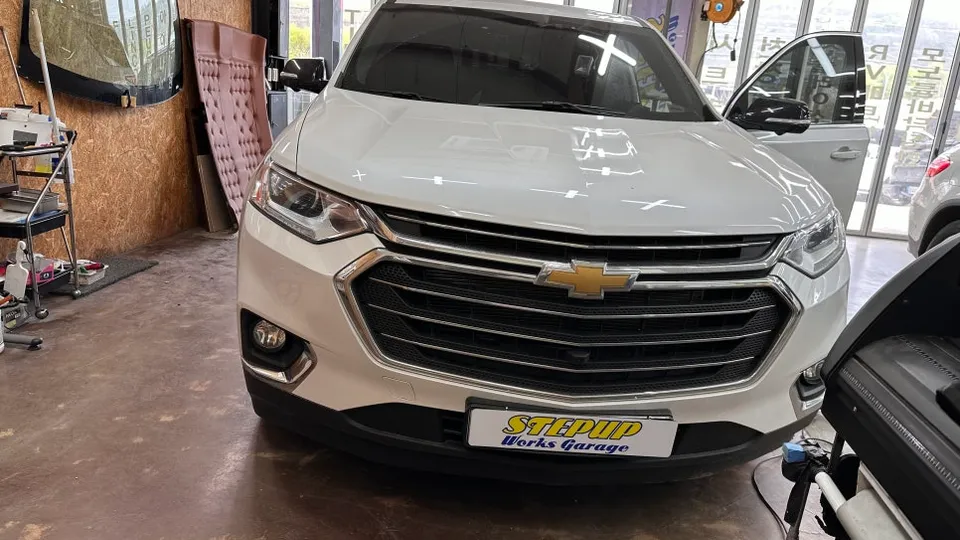

Chevrolet Traverse seat ventilation retrofit: ~$220-$440. Adds cooling fans & new upholstery for enhanced comfort.
Beat the Heat: Adding Seat Ventilation to Your Chevrolet Traverse
As the summer heat intensifies, the thought of sinking into a scorching car seat is enough to make anyone sweat. For Chevrolet Traverse owners, especially those without factory-equipped seat climate control, this can be a significant comfort issue. Fortunately, aftermarket solutions like seat ventilation and heating retrofits offer a way to achieve a cool and comfortable driving experience, even if your vehicle didn't come with these features originally. This review delves into the process, benefits, and considerations of upgrading your Traverse's seats.
Why Consider Seat Ventilation and Heating?
The primary driver for seeking a seat climate upgrade is comfort, particularly during hot weather. A hot car seat can make even short drives unpleasant, and long journeys can lead to discomfort from sweat. While heated seats are common, integrated ventilation is often an optional feature that many vehicles, including some Chevrolet Traverse models, lack. Adding ventilated seats involves replacing the existing seat upholstery with specialized covers that incorporate fans. This system actively circulates air, drawing heat away from the occupant and providing a cooling sensation. This can dramatically improve your driving experience, making commutes and road trips far more enjoyable. Furthermore, if your current seat upholstery is showing signs of wear, combining a seat ventilation retrofit with a seat cover replacement can be a cost-effective way to refresh your vehicle's interior while adding significant functionality.
The Seat Ventilation Installation Process
Installing ventilated seats in a Chevrolet Traverse typically involves a multi-step process performed by automotive upholstery specialists. The exact procedure can vary slightly depending on the kit used and the specific vehicle, but the general steps are as follows:
- Seat Disassembly: The existing seat covers are carefully removed from the seats.
- Fan Installation: Small, powerful fans are strategically placed and mounted beneath the seat cushion and/or seatback. These fans are designed to push air through the seat.
- Wiring and Integration: The fans are wired to a power source and a control switch, which is typically installed in an accessible location on the dashboard or seat console.
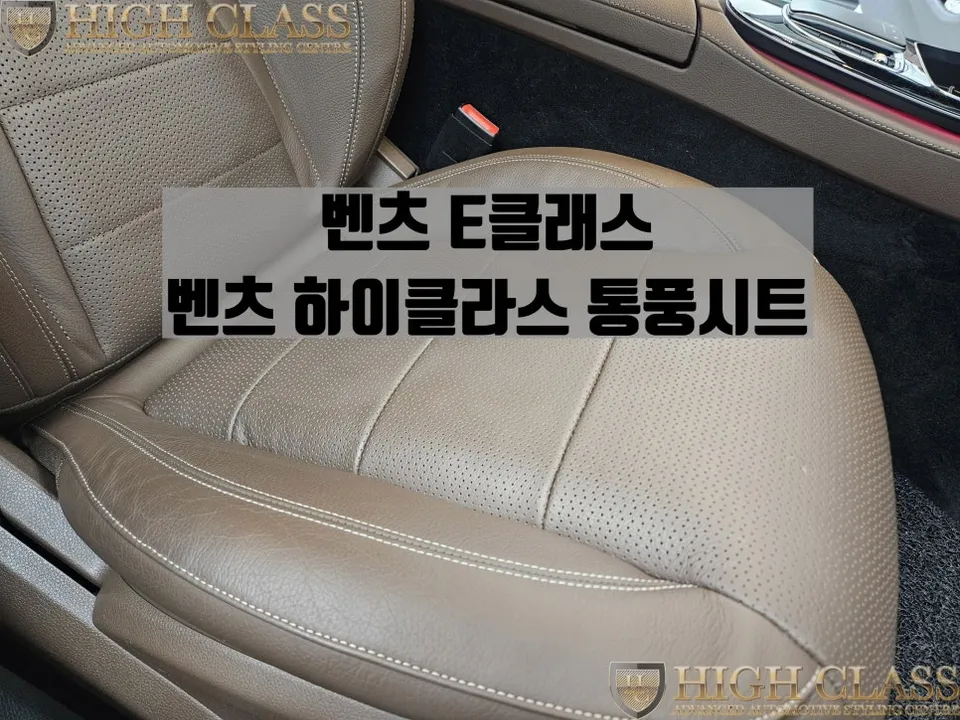
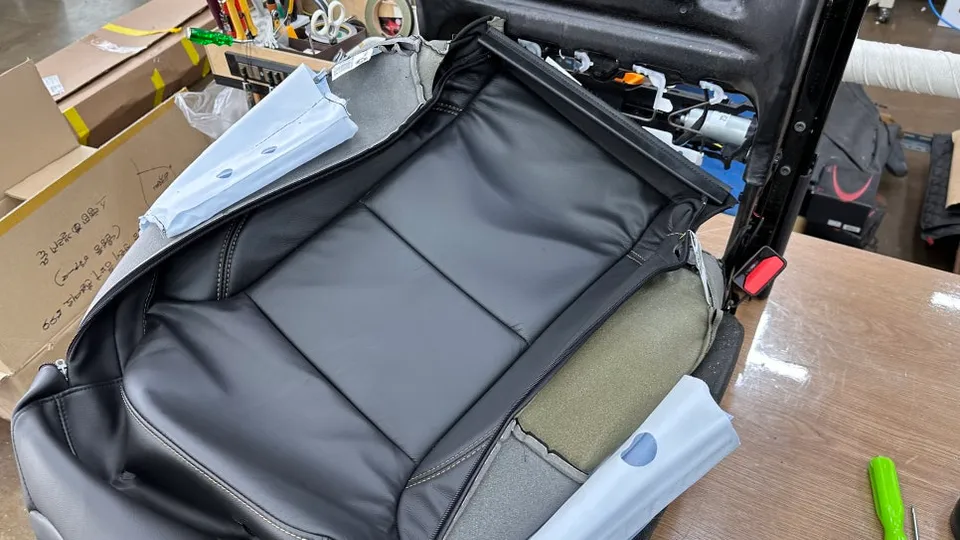
- New Upholstery Installation: Specialized seat covers designed for ventilation are installed. These covers have perforations or a breathable material to allow the cool air from the fans to reach the occupant.
- Testing: The system is tested to ensure all fans are working correctly and the controls are responsive.
This process generally takes between 3 to 4 hours, though this can vary based on the complexity of the installation and any additional options chosen. The result is a seamless integration of a cooling system that feels like a factory feature.
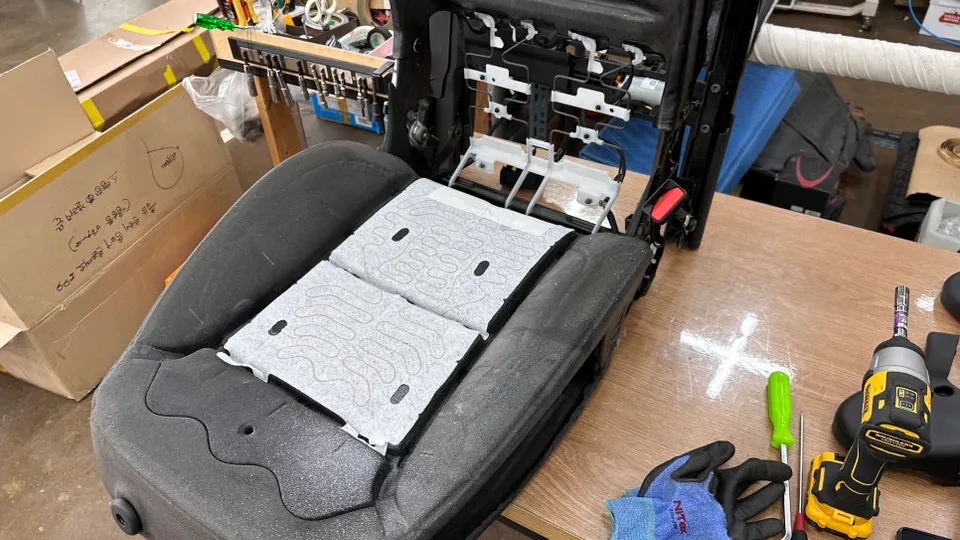
Before and After: The Impact of a Seat Climate Upgrade
The most noticeable difference after installing ventilated seats is the immediate feeling of cool air circulating through the seat. This eliminates the discomfort of sitting on a hot surface and helps regulate body temperature during warm weather. The new seat covers also provide a fresh, updated look to your Traverse's interior. For those considering this upgrade, it's worth noting that the durability of the system depends on the quality of the components used and proper installation. The fans and wiring are generally designed to last for the lifespan of the vehicle, while the seat covers' longevity will depend on material quality and care. Regular cleaning of the seat surfaces can help maintain their appearance and the effectiveness of the ventilation. While heated seats are more common, adding ventilation provides a unique comfort advantage, especially in regions with prolonged hot seasons. The cost for such a retrofit typically ranges from approximately 300,000 to 600,000 Korean Won (roughly $220-$440 USD, subject to exchange rates), though exact pricing will depend on the specific vehicle, the chosen components, and the installer.
Frequently Asked Questions
Q. How much does ventilated seat installation cost for a Chevrolet Traverse?
In Korea, the typical cost for a seat ventilation retrofit on a Chevrolet Traverse ranges from 300,000 to 600,000 KRW (approximately $220-$440 USD). In the US, similar aftermarket installations can range from $400 to $1,000 or more, depending on the provider and components.
Q. How long does seat ventilation installation take on a Chevrolet Traverse?
Seat ventilation installation typically takes about 3 to 4 hours to complete for a Chevrolet Traverse. With proper care, including regular cleaning of the seat covers, the fans and wiring can last for the vehicle's lifespan, while the upholstery's durability depends on its material quality.
Q. Are aftermarket ventilated seats worth it for a Chevrolet Traverse?
Aftermarket ventilated seats are highly recommended for Chevrolet Traverse owners seeking enhanced comfort during hot weather, especially if the vehicle lacks factory options. They offer a significant improvement in driving experience for a reasonable investment, particularly when replacing worn upholstery.
Q. How are ventilated seats installed in a Chevrolet Traverse?
Installation involves removing the original seat covers, mounting fans beneath the seat cushions and backrests, wiring the fans to a control switch, and fitting new, perforated seat covers. The system is then tested to ensure proper function.
Q. What is the difference between OEM and aftermarket ventilated seats for a Chevrolet Traverse?
OEM (Original Equipment Manufacturer) ventilated seats are integrated by the car manufacturer, often with more seamless controls and potentially higher material quality. Aftermarket retrofits, while potentially less integrated, offer a way to add this functionality to vehicles that didn't originally have it, often at a lower cost.
OhCar Partner Shop