Hyundai Azera Ventilated Seats Review — Cost & Comfort Upgrade
Service Price
$150+
Estimated price · Actual price may vary by shop

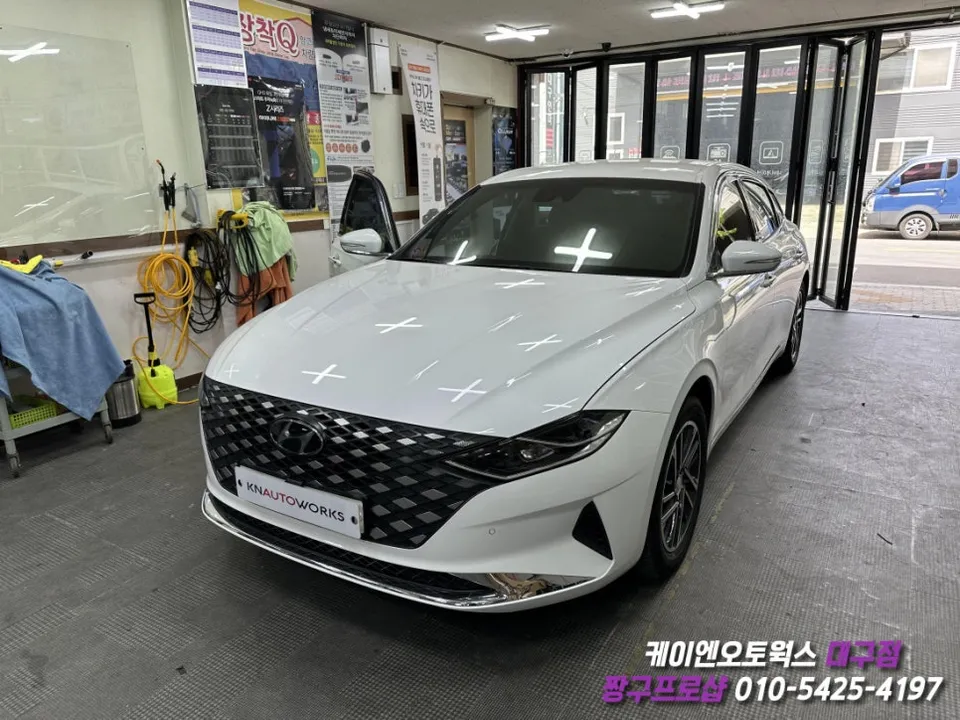
Hyundai Azera seat ventilation & heating retrofit: ~$750-$1500. Enhances comfort with cooling and electric adjustments.
Elevating Your Hyundai Azera's Comfort: Seat Ventilation & Heating Retrofit
Many Hyundai Azera owners find that while their vehicle offers a premium driving experience, the factory seat climate control options can sometimes be lacking, especially in extreme weather. This review delves into a popular upgrade: installing seat ventilation and heating systems. We'll explore the process, the tangible benefits, and whether this seat climate upgrade is a worthwhile investment for your Azera.
Before & After: Transforming Your Azera's Seats
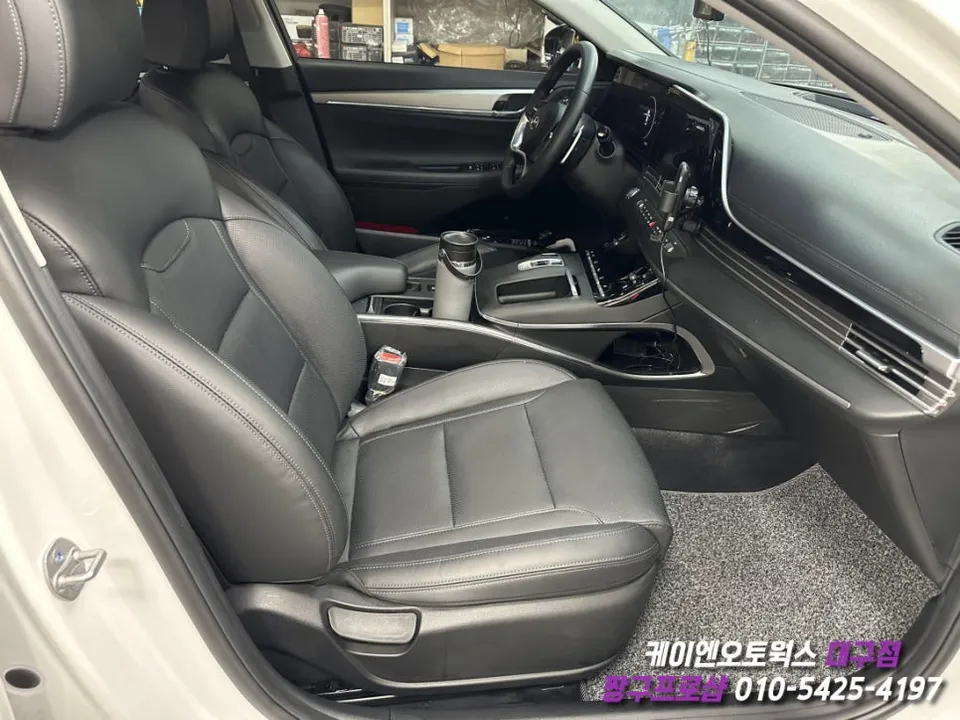
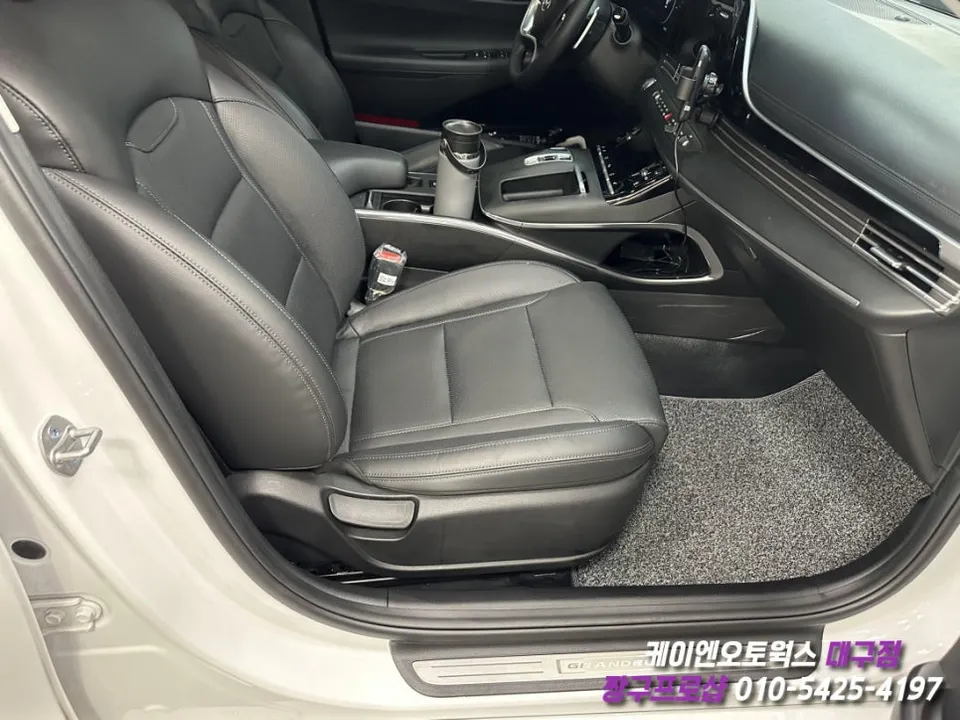
The vehicle featured in this review, a Hyundai Azera, initially came equipped with manual seats and only a heating function. Manual seats, while functional, often lack the fine-tuning adjustments needed for optimal driver comfort, particularly on long journeys. The limited range of motion can lead to discomfort and fatigue. The primary goal of this retrofit was to enhance both the adjustability and the climate control capabilities of the passenger seat.
The transformation involved replacing the manual seat frame with an electric seat frame. This upgrade introduces a suite of electronic controls, allowing for precise adjustments to the seat's position and recline angle. Crucially, a "walk-in" switch was also integrated. This allows the driver, or even rear passengers, to easily adjust the front passenger seat's position, maximizing legroom and accessibility. This feature significantly boosts overall cabin convenience.
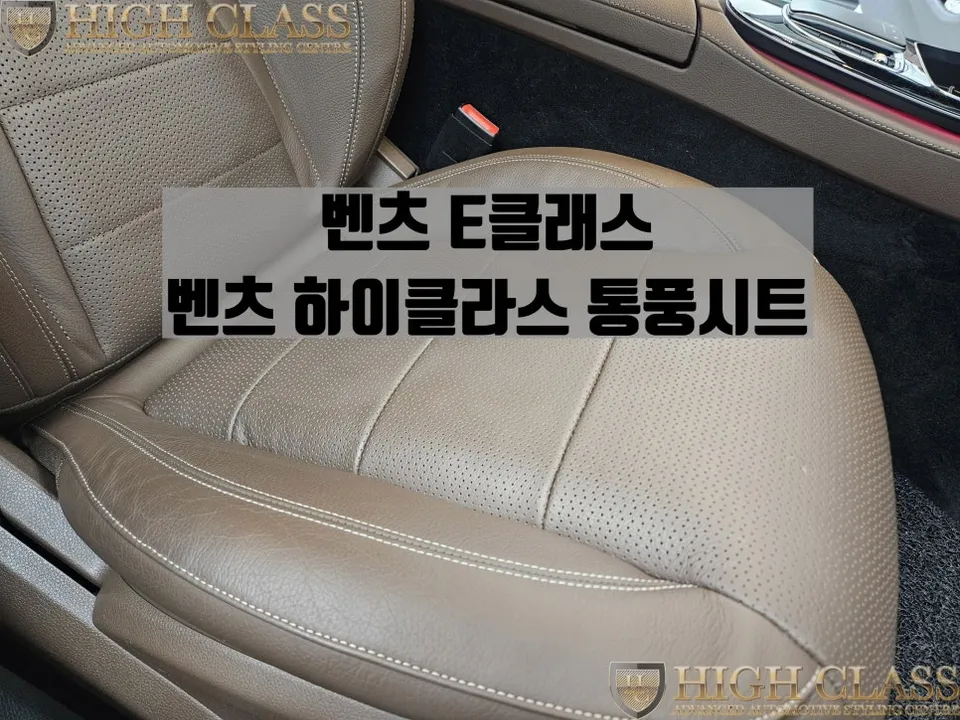
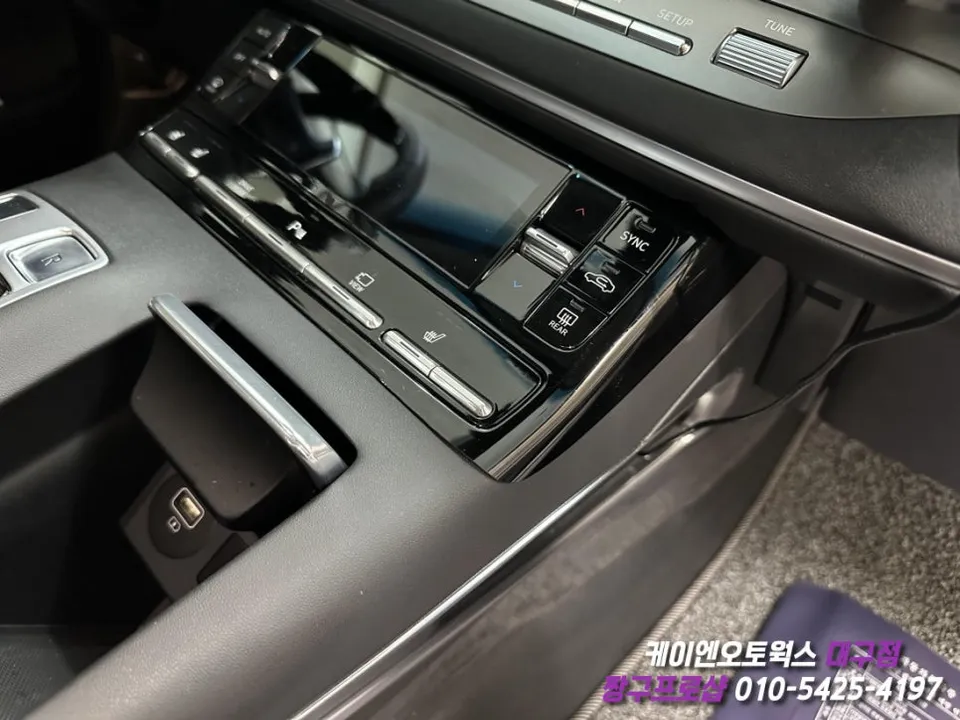
Beyond the electric adjustments, the installation focused on adding a seat ventilation system. This is a game-changer for hot weather driving. Integrated fans within the seat cushion and backrest circulate air, effectively combating sweat and keeping occupants cool and comfortable. The control for this system was neatly installed adjacent to the existing heating controls, featuring a 3-stage fan speed adjustment with a blue LED indicator. The system allows for independent control of fan speed for both the driver and passenger seats, ensuring personalized comfort.
Installation Process & Durability
The installation process for adding seat ventilation and heating to a Hyundai Azera is a multi-step procedure typically performed by specialized technicians. While the original context for this specific installation was in South Korea, the process is generally consistent across professional shops.
- Seat Disassembly: The existing seat upholstery is carefully removed to access the seat frame and internal components.
- Frame Replacement & Wiring: If upgrading from a manual seat, the frame is replaced with an electric one. New wiring harnesses are meticulously installed to connect the electric motors, ventilation fans, heating elements, and control switches to the vehicle's power system.
- Component Integration: Ventilation fans and heating pads are securely integrated into the seat cushion and backrest. Control modules and switches are mounted in accessible locations, often replacing blank switch covers or integrating with existing panels.
- System Testing: After reassembly, all functions – including electric seat adjustments, heating, and ventilation at all speed settings – are thoroughly tested to ensure proper operation and safety.
Regarding durability, the lifespan of ventilated seats can vary. The fans, being mechanical components, typically last between 3 to 5 years. However, with proper maintenance and care, this duration can often be extended. The heating elements and electric seat motors are generally quite robust and can last for the lifetime of the vehicle if installed correctly using quality components, such as the OEM parts often favored in these types of retrofits.
Is the Seat Climate Upgrade Worth It?
The decision to retrofit ventilated and heated seats in a Hyundai Azera hinges on individual priorities and budget. The cost for such an upgrade, including electric seat conversion and ventilation, can range significantly, but in the context of the original Korean market, it was estimated between 1,000,000 to 2,000,000 KRW (approximately $750 - $1500 USD, depending on exchange rates and specific options). The installation typically takes around 3 to 4 hours.
For drivers in hot climates or those who spend considerable time in their vehicles, the enhanced comfort provided by ventilated seats can be invaluable. The ability to precisely adjust the seat position with electric controls and stay cool during summer months significantly improves the driving experience. While it's a considerable investment, the added comfort, convenience, and potential increase in resale value often make it a worthwhile modification for many Azera owners seeking a more luxurious and comfortable cabin environment.
Frequently Asked Questions
Q. How much does ventilated seat installation cost for a Hyundai Azera?
The original installation in Korea was estimated between 1,000,000 to 2,000,000 KRW (approx. $750-$1500 USD). Typical US pricing for similar seat climate upgrades can range from $150 upwards for basic heating elements to over $1000 for full ventilation and electric seat conversions.
Q. How long does seat ventilation installation take on a Hyundai Azera?
The installation process for adding seat ventilation and heating typically takes about 3 to 4 hours to complete. With proper maintenance, the fans in ventilated seats can last 3-5 years, and potentially longer.
Q. Are aftermarket ventilated seats worth it for a Hyundai Azera?
Ventilated seats are highly recommended for drivers in hot climates or those who prioritize comfort during long drives. The significant improvement in driving experience and cabin comfort often justifies the investment for many owners.
Q. How are ventilated seats installed in a Hyundai Azera?
Installation involves carefully removing seat upholstery, integrating ventilation fans and heating elements into the seat structure, and installing new wiring harnesses and control switches. The system is then tested to ensure all functions operate correctly.
Q. What is the difference between OEM and aftermarket ventilated seats for a Hyundai Azera?
OEM (Original Equipment Manufacturer) parts offer seamless integration and are designed specifically for the vehicle, often providing superior fit and finish. Aftermarket kits can offer more customization or be more budget-friendly, but quality and integration can vary.
OhCar Partner Shop