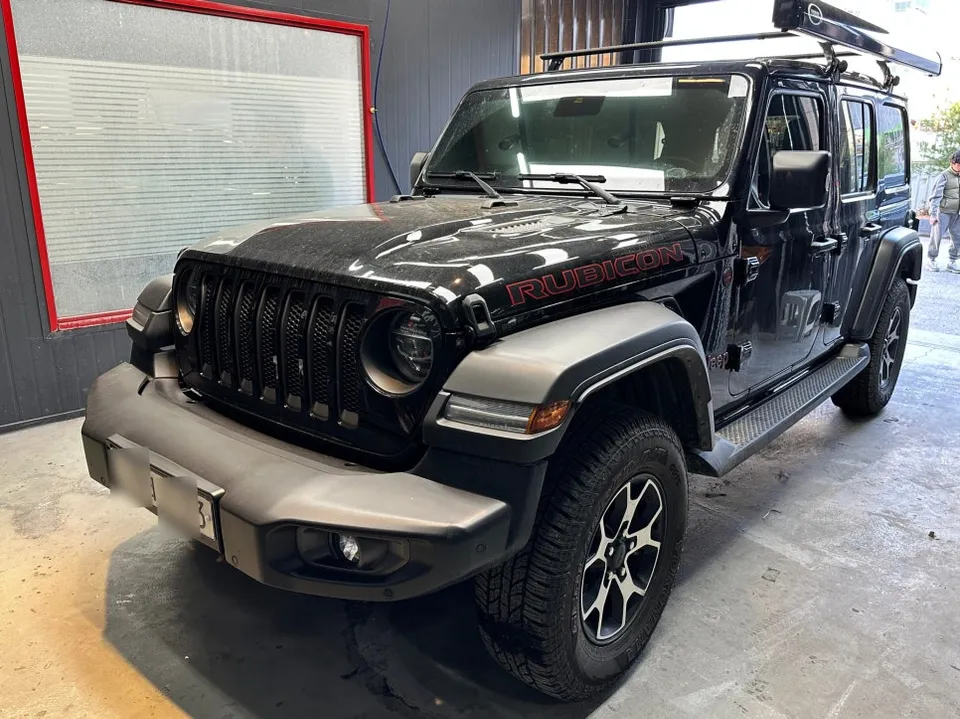
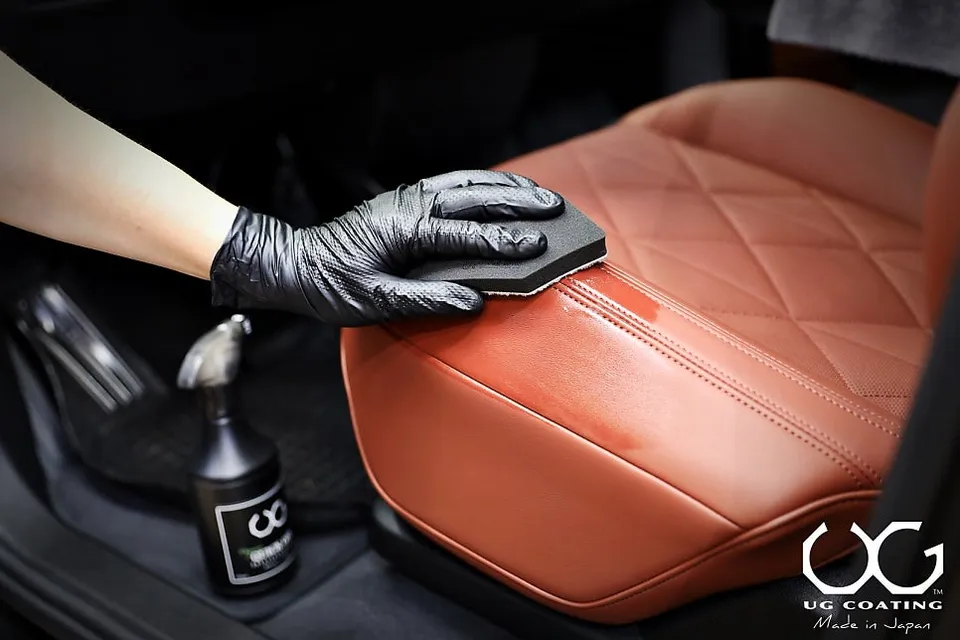
Jeep Wrangler Seat Climate Upgrade Review: Cost & Results
Service Price
$approx. $750–1,150
Estimated price · Actual price may vary by shop
Before
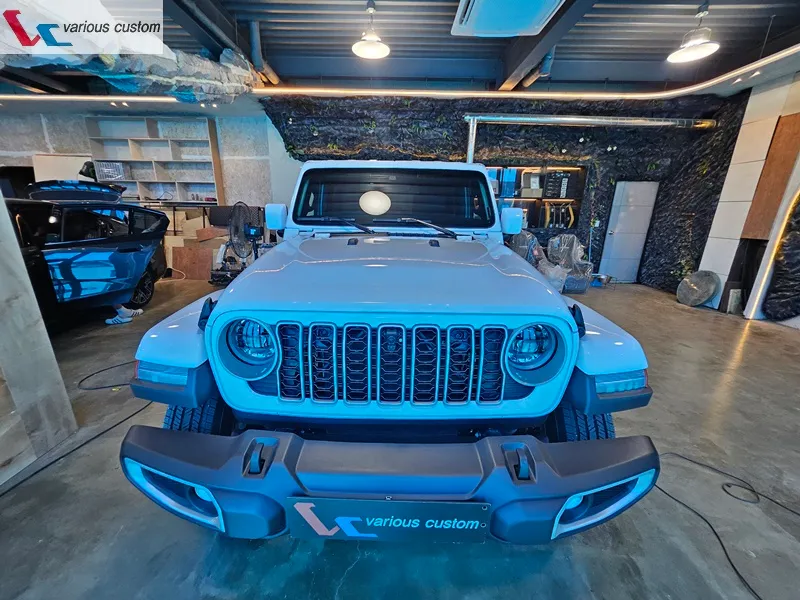
After
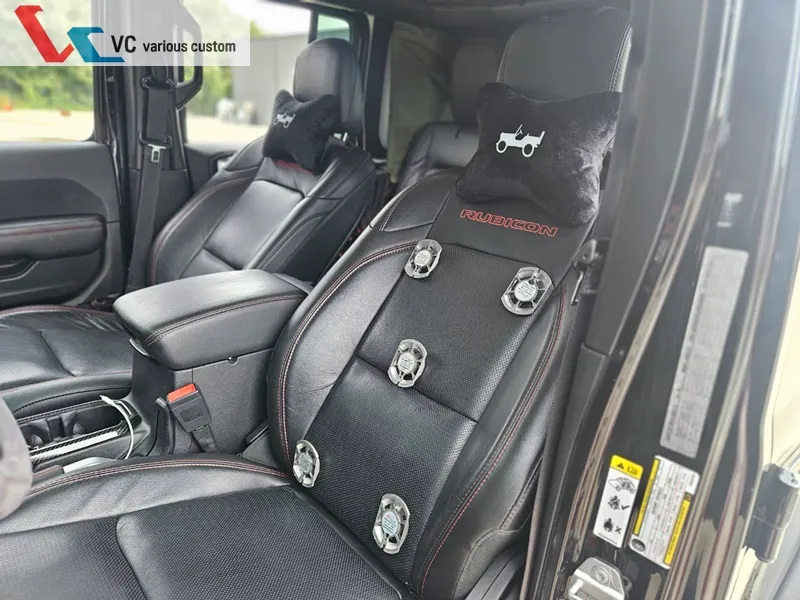
Process photos
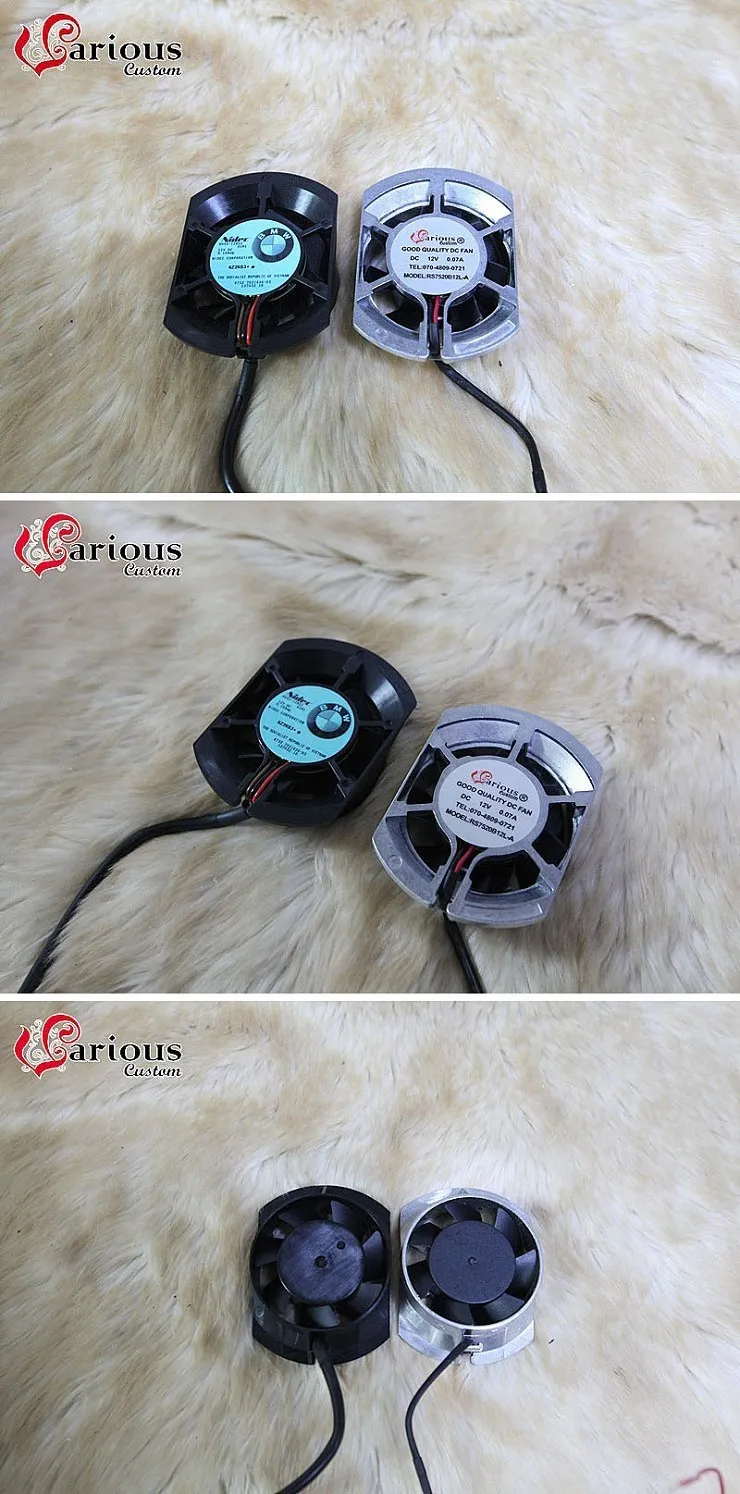
Jeep Wrangler Seat Ventilation & Heating upgrade with Napa leather: Approx. ₩1,500,000 (USD $1100+). Provides superior cooling and heating comfort.
Jeep Wrangler Seat Ventilation & Heating: Enhancing Comfort
For many Jeep Wrangler owners, the stock seats, while rugged, can leave something to be desired, especially during extreme weather. The factory air conditioning might struggle to keep the cabin cool, and the seats themselves can become uncomfortably hot or cold. This review delves into a popular aftermarket solution: installing a Seat Ventilation & Heating system, specifically focusing on a premium Napa leather upgrade and integrated cooling fans for the Jeep Wrangler. This upgrade aims to transform the driving experience, offering superior comfort regardless of the outside temperature.
The Benefits of Ventilated and Heated Seats
The core appeal of a seat climate upgrade lies in its ability to provide personalized comfort. Ventilated seats, often referred to as seat cooling, use fans embedded within the seat to circulate air. This actively draws heat away from your body, preventing that sticky, uncomfortable feeling on hot days. Unlike relying solely on the car's AC, which can struggle to reach occupants directly, ventilated seats offer targeted cooling. Similarly, heated seats provide warmth during colder months, quickly thawing out chilly seats and making winter drives much more pleasant. This Jeep Wrangler Seat Ventilation & Heating system utilizes high-quality Napa leather, which not only feels luxurious but also complements the cooling and heating functions effectively. The original Korean context highlights that the stock seats can feel lacking in durability, making a Napa leather replacement a significant upgrade in both feel and longevity.
Installation Process and Key Features
The installation of a Seat Ventilation & Heating system in a Jeep Wrangler involves several key steps to ensure optimal performance and integration. While specific details can vary between installers, the general process focuses on seamlessly incorporating the technology without compromising the vehicle's aesthetics or existing functions.
- Seat Disassembly and Preparation: The original seat covers are carefully removed. The underlying foam may be prepared to accommodate the ventilation components.
- Fan and Duct Installation: Small, powerful fans (reportedly up to 4,500rpm, with multiple fans per seat) are strategically placed within the seat base and backrest. Air ducts are integrated to ensure efficient airflow distribution, reaching both the seating area and the back.
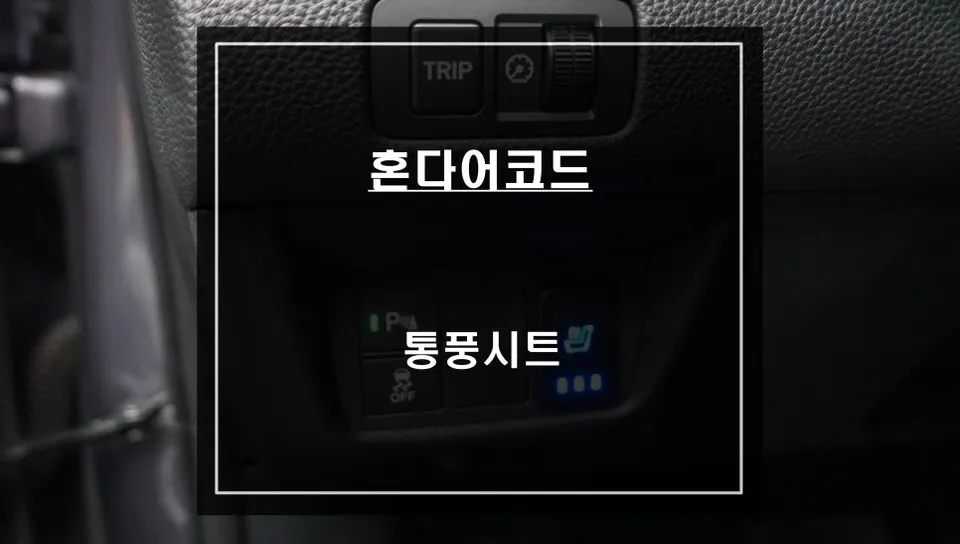
- Wiring and Control Integration: The fans and heating elements are wired to the vehicle's power supply. A custom digital switch is installed, often in a discreet location like the center console, allowing for easy control of the ventilation and heating levels.
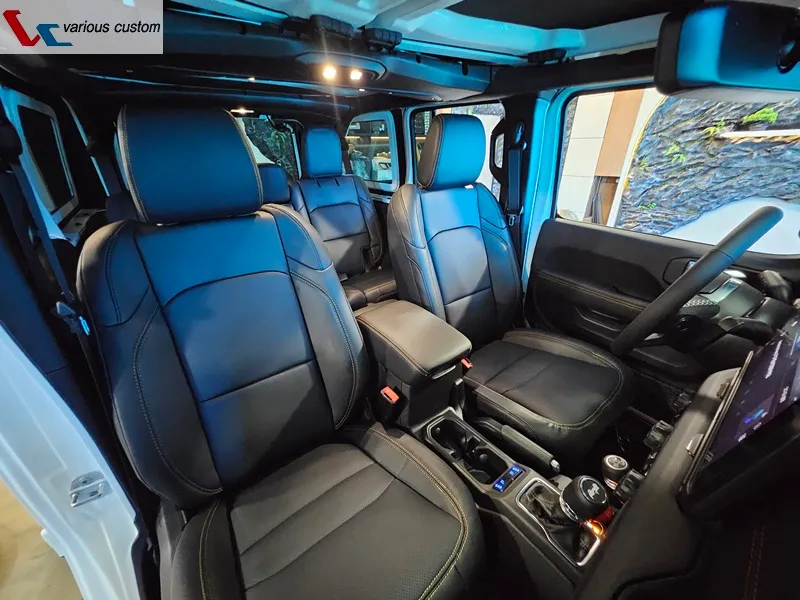
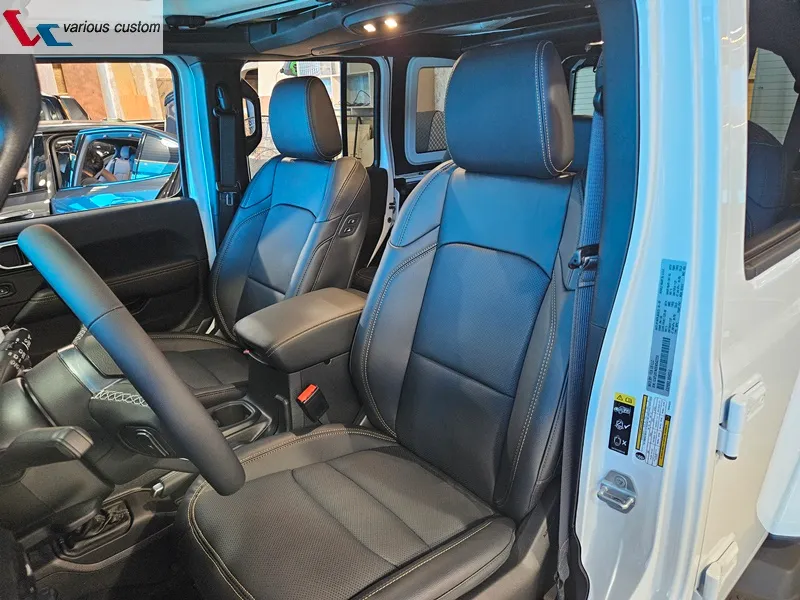
- Napa Leather Upholstery: The seats are reupholstered with premium Napa leather, providing a soft touch, enhanced durability, and a luxurious appearance that matches or exceeds the original factory finish.
- Final Assembly and Testing: The seats are reassembled, and all functions are thoroughly tested to ensure proper operation of the cooling, heating, and any additional features like the passenger seat walk-in switch.
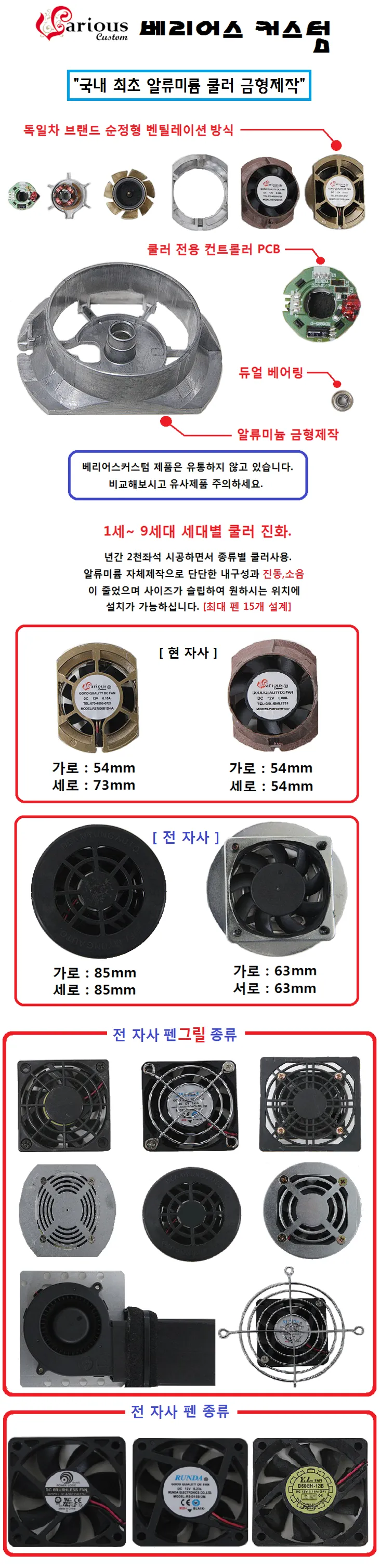
A notable feature mentioned in the original context is the inclusion of a 'walk-in' switch. This allows the driver to easily adjust the passenger seat's recline and position using a switch from the driver's seat, adding a significant layer of convenience for passengers. The system uses custom-developed aluminum fans known for their durability and strong airflow, with options for multiple fans per seat (4 to 10) to ensure comprehensive cooling. The digital control switches are designed to be slim and unobtrusive, blending well with the Wrangler's interior.
Durability, Maintenance, and Value
When considering a Seat Ventilation & Heating upgrade, durability and maintenance are crucial factors. The use of high-quality Napa leather contributes to the longevity of the seats, offering better resistance to wear and tear compared to standard synthetic materials. The custom-developed aluminum fans are designed for robust performance and extended lifespan, minimizing the risk of failure. The original Korean installer offers a 3-year warranty on their work, which is a strong indicator of confidence in the product's durability. Regular maintenance might involve occasional cleaning of the leather and ensuring the ventilation ports remain free of debris to maintain optimal airflow. For Jeep Wrangler owners who frequently face extreme temperatures or simply desire a more comfortable and luxurious driving experience, the investment in a ventilated and heated seat system, especially with a premium leather upgrade, can be highly worthwhile. The added convenience of features like the walk-in switch further enhances the overall value proposition, making long drives or passenger comfort a top priority.
Frequently Asked Questions
Q. How much does ventilated seat installation cost for a Jeep Wrangler?
The installation described in this review, including Napa leather, cost approximately ₩1,500,000 in Korea (roughly $1100+ USD). Typical aftermarket ventilated seat installations in the US can range from $600 to $1500 or more, depending on materials and features.
Q. How long does seat ventilation installation take on a Jeep Wrangler?
While specific times vary, this type of comprehensive seat climate upgrade typically takes a full day to complete. For durability, ensure ventilation ports are kept clear of debris and follow leather care instructions.
Q. Are aftermarket ventilated seats worth it for a Jeep Wrangler?
Yes, aftermarket ventilated and heated seats are often worth it for Jeep Wrangler owners seeking enhanced comfort, especially in climates with extreme temperatures. They significantly improve the driving experience by providing personalized climate control directly to the occupants.
Q. How are ventilated seats installed in a Jeep Wrangler?
Installation involves removing the original seat covers, embedding fans and air ducts within the seat structure, and reupholstering with premium materials like Napa leather. The system is then wired to a custom digital switch for control.
Q. What is the difference between OEM and aftermarket ventilated seats for a Jeep Wrangler?
OEM (Original Equipment Manufacturer) ventilated seats are integrated from the factory and designed to match the vehicle's existing systems. Aftermarket installations, like the one reviewed, offer more customization options, potentially higher-end materials (like Napa leather), and can be installed on vehicles without factory options, though they require professional installation.
OhCar Partner Shop