Kia K3 Power Seat Retrofit Review — Cost & Results
Service Price
$40–80
Estimated price · Actual price may vary by shop
Before

After
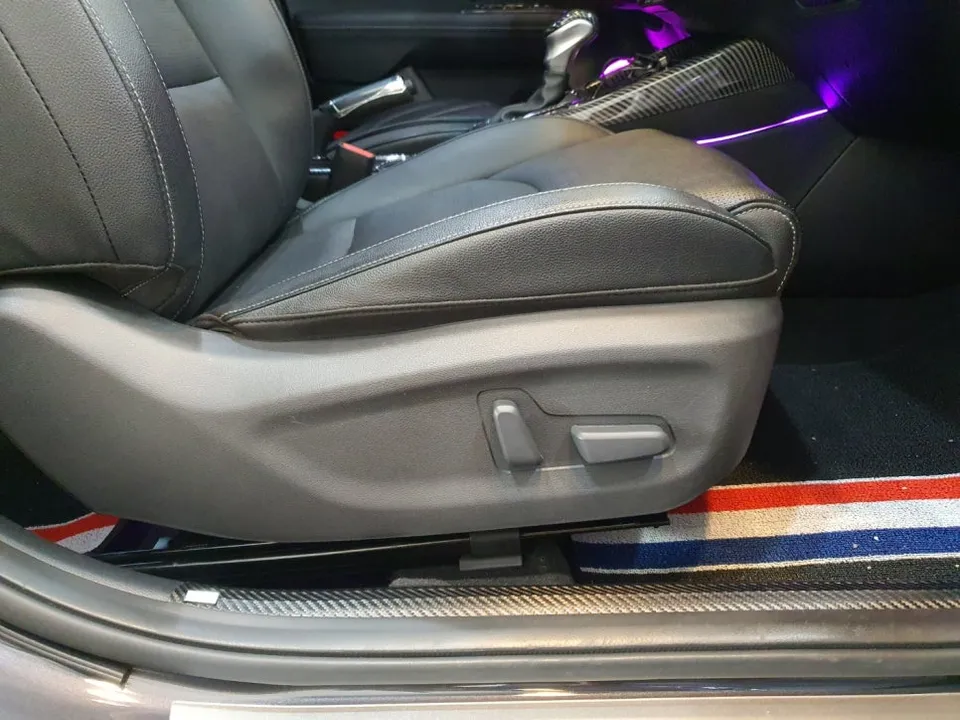
Process photos

Kia K3 passenger power seat retrofit using Kona parts: approx. $400-$80. Enhances comfort and convenience.
Upgrade Your Kia K3 Passenger Seat with a Power Retrofit
Many Kia K3 owners find the manual adjustment of the front passenger seat to be a point of inconvenience. Reaching over to adjust the seat forward, backward, or the recline angle can be cumbersome, especially when frequently carrying passengers. This is where a factory option retrofit, specifically the installation of a power passenger seat, can significantly enhance your driving experience.
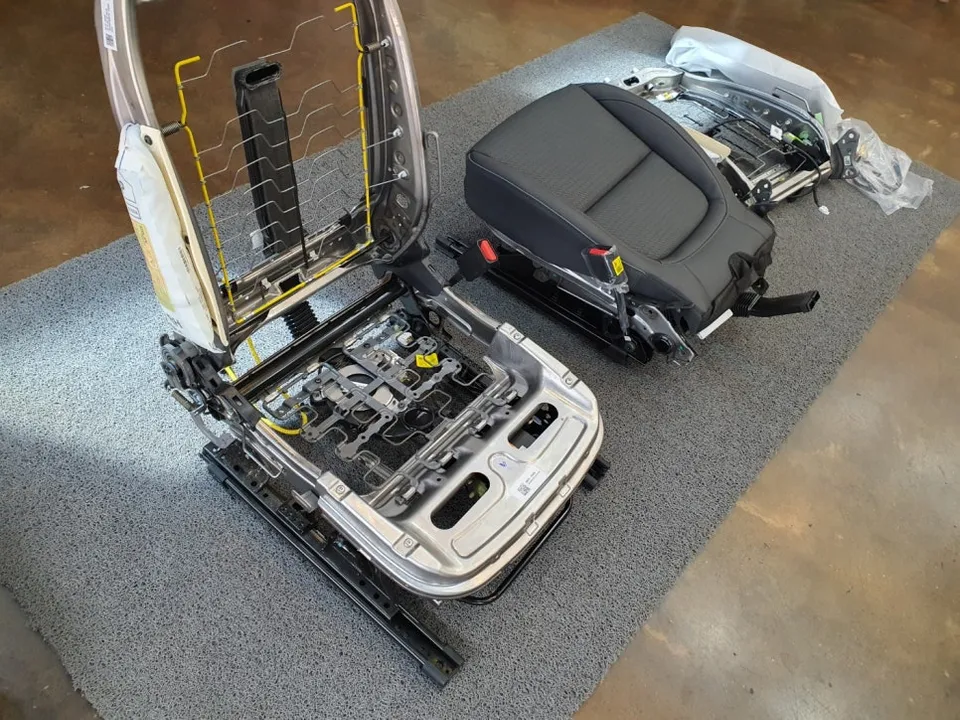
Seamless Integration: Kona Seat Swap for Your K3
This review focuses on a popular upgrade: retrofitting a power passenger seat into the Kia K3 using components from the Hyundai Kona. While the K3 may not have offered this as a factory option, this dealer option retrofit provides a factory-like solution. The process involves carefully removing the existing manual seat and integrating the power seat assembly from a Kona. This isn't just a simple part swap; it's a meticulous conversion designed to bring a premium feature to your vehicle. The installation is performed by specialized tuning shops, such as the one detailed in the original Korean context in Gimhae, South Korea. This ensures that the integration is safe and functional, maintaining the integrity of your vehicle's interior.
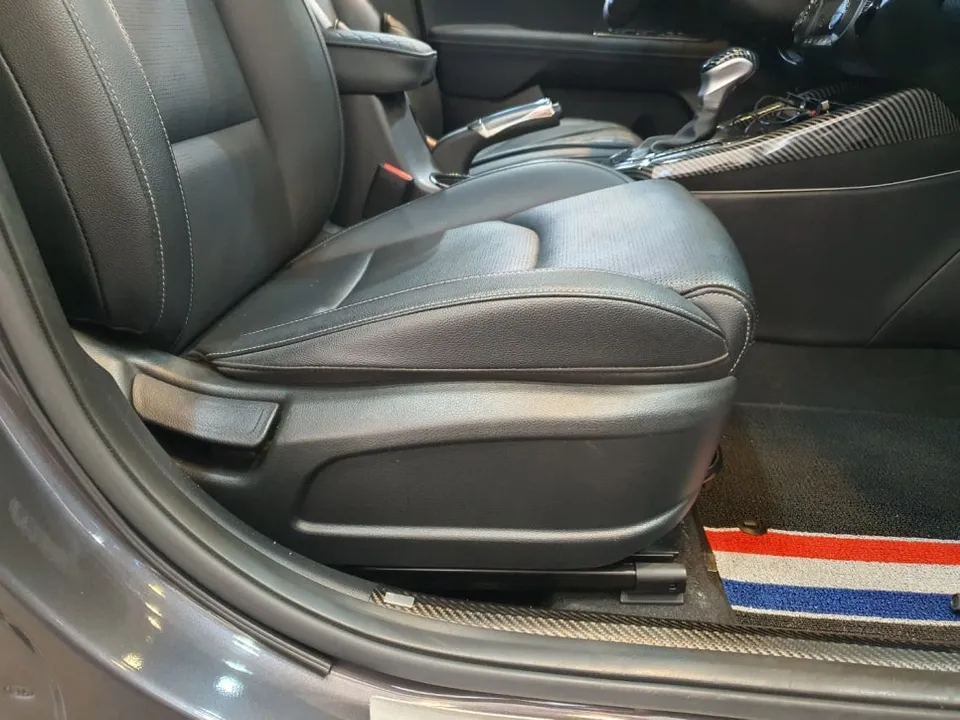
The Installation Process and Benefits
The installation of a power passenger seat is a detailed procedure that requires expertise to ensure safety and functionality. Here’s a general overview of how it works:
- Seat Removal and Preparation: The original manual passenger seat is carefully removed from the Kia K3.
- Component Integration: The power seat components, including motors and wiring harnesses from a Hyundai Kona, are prepared and adapted to fit the K3's chassis and electrical system.
- Wiring and Functionality Check: The wiring is meticulously connected to ensure all functions, including seat movement (forward/backward, recline, and potentially height adjustment), operate correctly. Crucially, existing features like seat heating, ventilation, and the airbag system are retained and tested to ensure they function as intended.
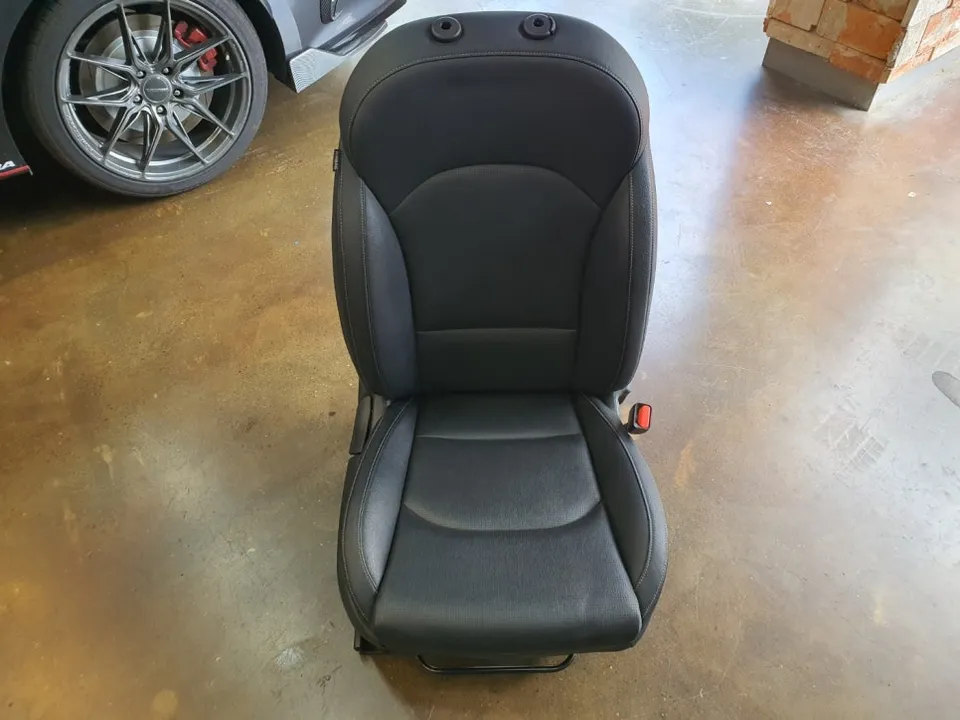
- Final Installation and Testing: The newly integrated power seat is securely installed back into the vehicle. A thorough final test is conducted to confirm smooth operation and safety compliance.
After the retrofit, the passenger seat will feature new electronic controls, allowing for effortless adjustments. This upgrade transforms the passenger experience, offering a level of comfort and convenience typically found in higher-trim vehicles. The durability of this modification is high, as it utilizes genuine OEM parts. Maintenance is generally minimal, akin to maintaining any power seat system, focusing on keeping the mechanisms clean and free of debris.
When considering this factory upgrade, it's important to choose a reputable installer. Improper installation can lead to safety issues or malfunctions. The cost for such a retrofit, as indicated by the Korean context, can range from approximately 500,000 KRW (South Korean Won), which translates to roughly $400-$80 USD depending on the specific parts used and the installer's rates. This price point makes it a significant investment, but one that can greatly enhance passenger comfort and the overall perceived value of your Kia K3.
Frequently Asked Questions
Q. How much does OEM option and factory upgrade installation cost for a Kia K3?
The retrofit of a power passenger seat for the Kia K3, using OEM components, typically starts around 500,000 KRW (approximately $400-$80 USD). This price can vary based on the specific parts and any additional features included in the upgrade.
Q. How long does OEM options installation take on a Kia K3?
The installation of a power passenger seat retrofit on a Kia K3 generally takes about 3 to 4 hours and can often be completed within a single day. Durability is high as it uses OEM parts, and maintenance involves keeping the mechanisms clean.
Q. Are OEM options worth adding after purchase for a Kia K3?
Adding a power passenger seat is particularly worthwhile for Kia K3 owners who frequently transport passengers, significantly enhancing their comfort. The value lies in adding a premium convenience feature that wasn't originally available.
Q. How are OEM factory options installed on a Kia K3?
OEM factory options like a power seat are installed by removing the original seat and integrating compatible components, such as motors and wiring from another model like the Hyundai Kona. The process ensures existing features like heating, ventilation, and airbags remain functional.
Q. What is the difference between dealer-installed options and aftermarket upgrades for a Kia K3?
Dealer-installed options, like this power seat retrofit using OEM parts, are designed to integrate seamlessly with your vehicle's existing systems. Aftermarket upgrades, while potentially offering more variety, may not always provide the same level of integration or long-term reliability.
OhCar Partner Shop