Kia K3 Ventilated Seats Installation Review
Service Price
$approx. $400–800
Estimated price · Actual price may vary by shop
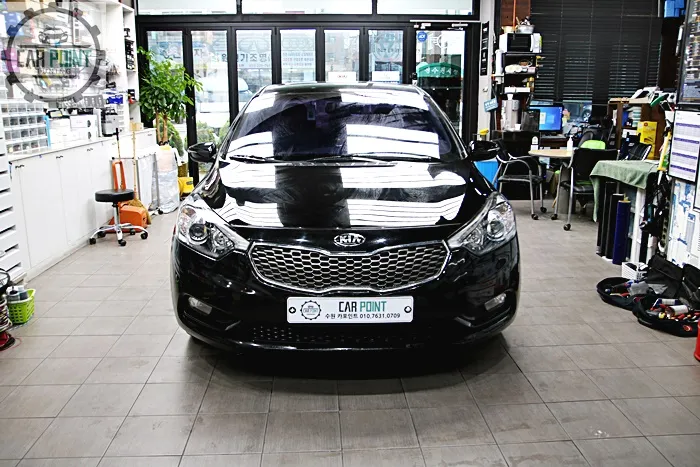
Kia K3 ventilated seat upgrade costs ₩400,000-₩700,000. Enjoy cool comfort with perforated leather installation.
Beat the Heat: Kia K3 Seat Climate Upgrade
For Kia K3 YD owners dreading the summer heat, a seat ventilation and heating upgrade offers a significant comfort boost. Unlike some vehicles with factory-perforated leather, the K3 YD often requires a specialized installation involving perforated leather replacement to effectively channel cool air. This comprehensive review delves into the process, costs, and benefits of retrofitting ventilated seats into your K3.
The Installation Process: From Disassembly to Airflow
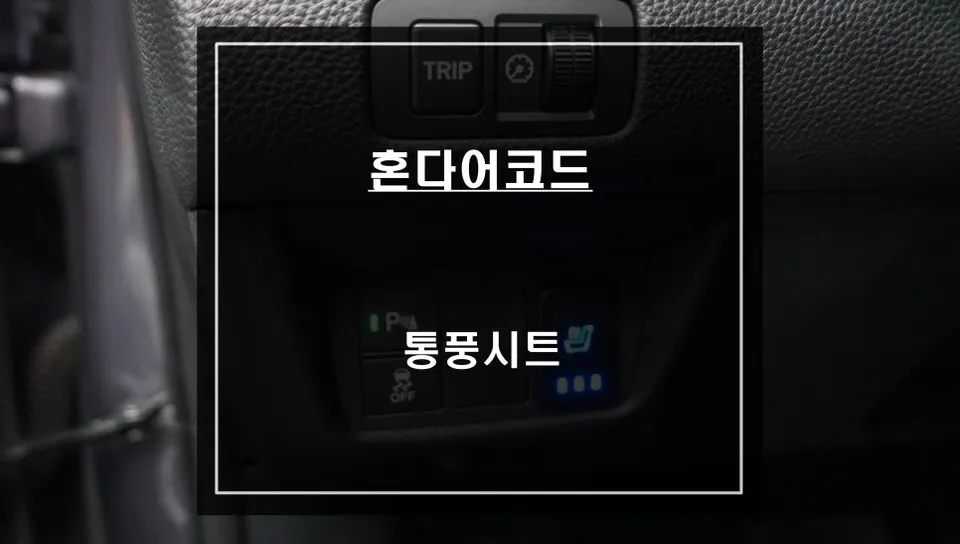
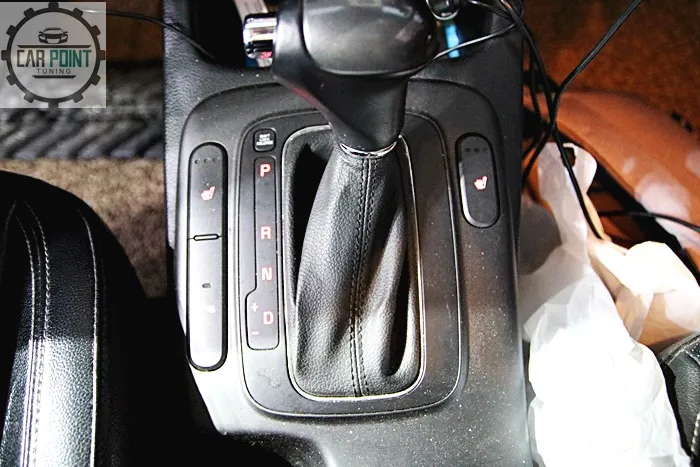
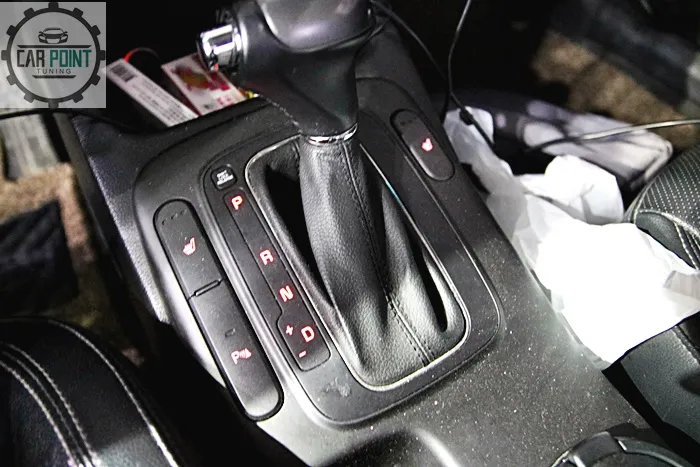
The journey to cooler seats begins with a meticulous disassembly of your existing Kia K3 seats. Technicians carefully remove the seat covers and then proceed to modify the underlying seat foam. This crucial step involves precise perforation of the foam to create pathways for air from the blower motors. The goal is to ensure even distribution of cool air across the entire seating surface. Following the foam modification, new perforated leather covers are fitted, seamlessly integrating the ventilation system. The original heating function is typically retained, and new, discreet ventilation controls are installed, often linked to the car's original button layout for a factory-like appearance. A final inspection involves testing the airflow intensity and uniformity using a fogging machine to guarantee optimal performance.
Installation Process:
- Careful disassembly of the Kia K3 seats.
- Perforation of the seat foam to create air channels.
- Installation of blower motors and ducting for airflow.
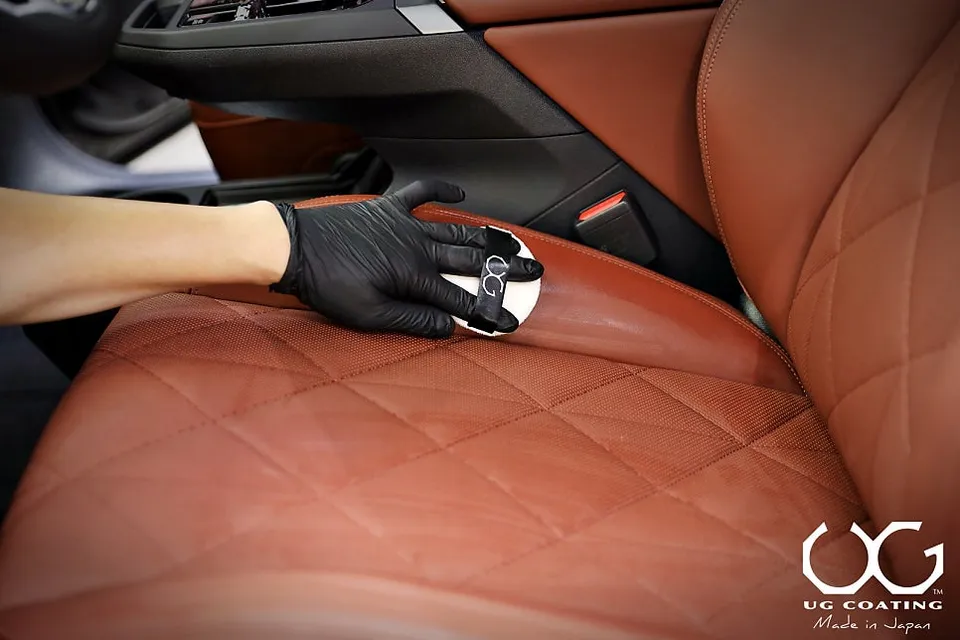
- Fitting of new perforated leather seat covers.
- Integration of ventilation controls and final performance testing.
Cost, Durability, and Is It Worth It?
The cost for a Seat Ventilation & Heating retrofit on a Kia K3 YD, including the perforated leather replacement, typically ranges from ₩400,000 to ₩700,000 (approximately $300-$530 USD, subject to exchange rates). The exact price can vary based on the specific leather grade chosen, the condition of your current seats, and the extent of the installation. While the initial investment is considerable, the enhanced comfort, especially during hot weather, is a significant draw. With proper care and maintenance, the performance of these upgraded ventilated seats can last for an estimated 3 to 5 years or more. Regular cleaning of the seat surfaces is recommended to prevent debris from entering the perforations, ensuring continued optimal airflow. For many drivers, the ability to stay cool and comfortable on long drives or during daily commutes makes this seat climate upgrade a worthwhile investment, transforming the driving experience.
Frequently Asked Questions
Q. How much does ventilated seat installation cost for a Kia K3?
In Korea, the Seat Ventilation & Heating installation for a Kia K3, including perforated leather replacement, typically costs between ₩400,000 and ₩700,000. Comparable aftermarket installations in the US can range from $400 to $1,000 depending on the vehicle and components used.
Q. How long does seat ventilation installation take on a Kia K3?
The installation process for ventilated seats on a Kia K3, including foam perforation and leather replacement, generally takes around 8 hours to complete. With proper maintenance, including regular cleaning of the seat perforations, the system's performance can last for 3-5 years or more.
Q. Are aftermarket ventilated seats worth it for a Kia K3?
For drivers in hot climates seeking enhanced comfort, a ventilated seat upgrade for the Kia K3 is often considered a worthwhile investment. It significantly improves the driving experience during warm weather, making daily commutes and longer journeys more pleasant.
Q. How are ventilated seats installed in a Kia K3?
Installation involves carefully disassembling the seats, perforating the foam for airflow, installing blower motors and ducting, fitting new perforated leather covers, and integrating the controls. The system is then tested to ensure even and strong airflow.
Q. What is the difference between OEM and aftermarket ventilated seats for a Kia K3?
OEM ventilated seats are factory-installed and integrated, while aftermarket options like the one described involve retrofitting the system, often including perforated leather replacement. For the Kia K3 YD, an aftermarket retrofit with perforated leather offers a comparable cooling experience to OEM systems.
OhCar Partner Shop