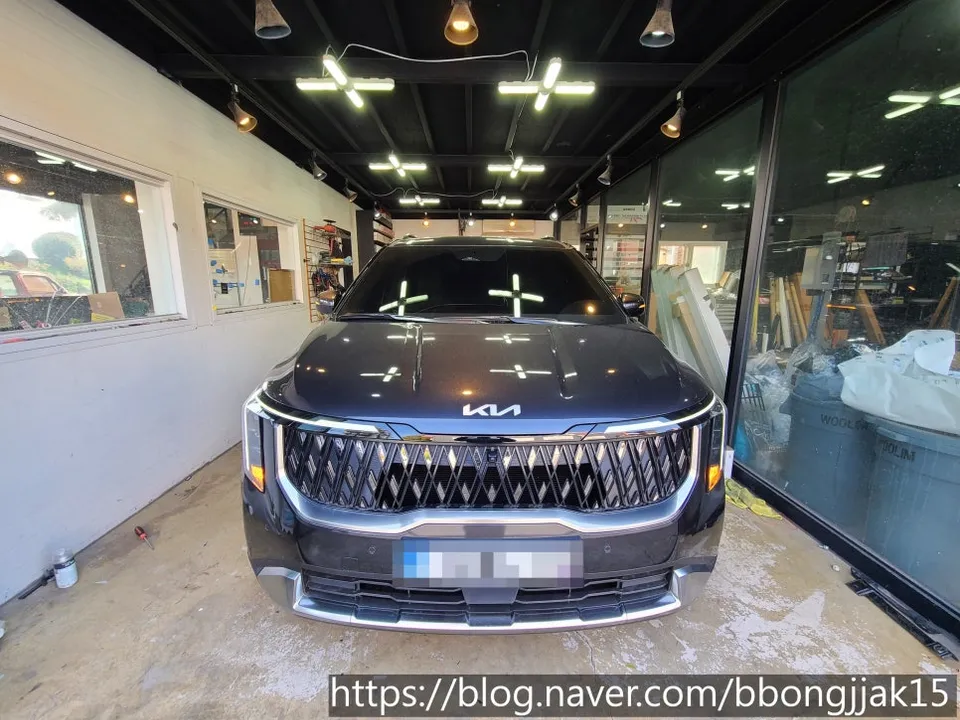
Kia K5 2nd Gen Seat Climate Upgrade Review
Service Price
$approx. $400–800
Estimated price · Actual price may vary by shop

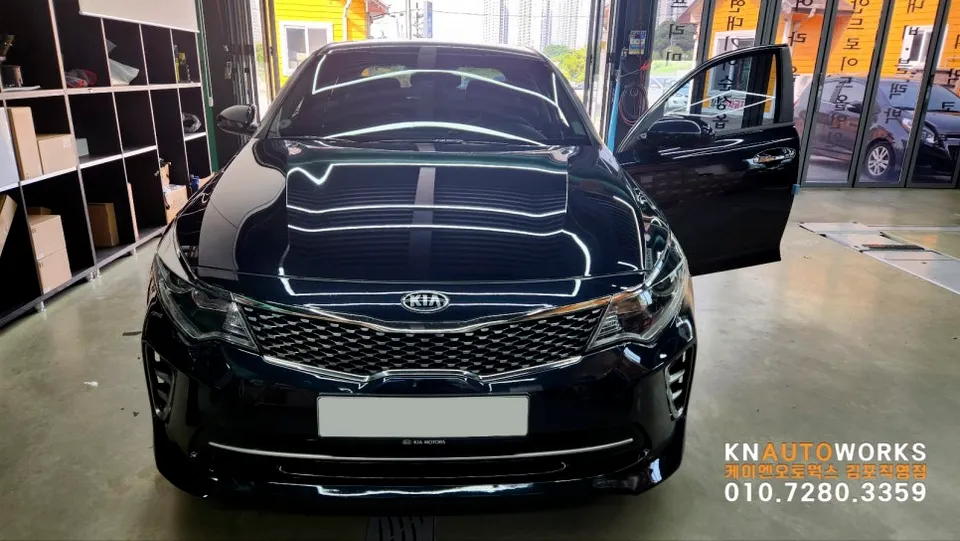
Kia K5 2nd Gen ventilated seat upgrade: Approx. ₩380,000-₩600,000. Enjoy a cooler, more comfortable drive.
Is a Seat Climate Upgrade Worth It for Your Kia K5 2nd Gen?
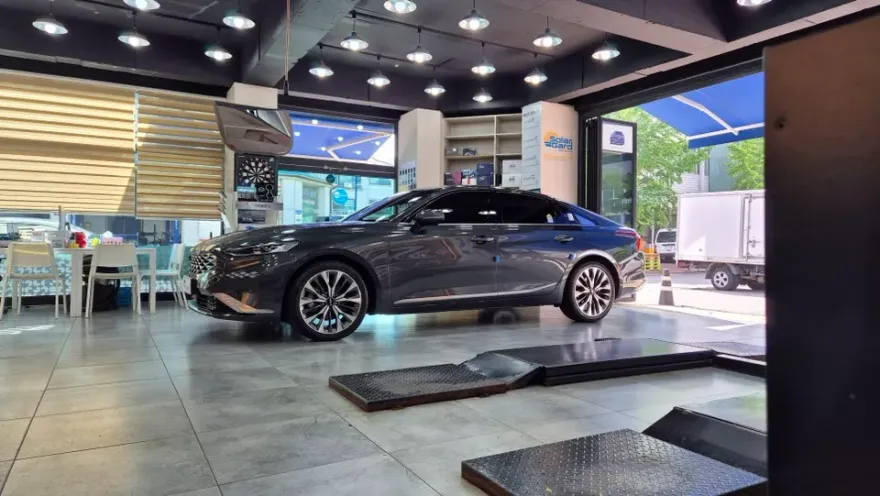
As summer temperatures continue to climb, the interior of your car can become uncomfortably hot, especially the seats. This can lead to a sticky, unpleasant driving experience and even impact your concentration. For Kia K5 2nd Gen owners, particularly those in warmer climates, the need for effective seat cooling is paramount. Ventilated seats offer a solution by circulating cool air, creating a much more pleasant driving environment. The good news is that for the Kia K5 2nd Gen, upgrading to OEM-style ventilated seats is often possible using genuine Kia parts, especially if your trim level didn't originally include this feature. For those without the option for OEM parts, aftermarket ventilated seat kits are also available.
Kia K5 2nd Gen Ventilated Seat Installation Process
The process for installing ventilated seats in a Kia K5 2nd Gen typically involves several key steps. The original Korean context details a specific installation on a Kia K5 SX 2nd Gen, focusing on both the driver and passenger seats. A significant cost-saving measure mentioned is the ability to reuse the existing seat covers if they are already perforated. If the covers lack perforations or are damaged, replacement covers would be necessary. To ensure a smooth process and potentially same-day completion, providing photos of the current seat condition beforehand is recommended.
Installation process:
- The front seats (driver and passenger) are carefully removed from the vehicle.
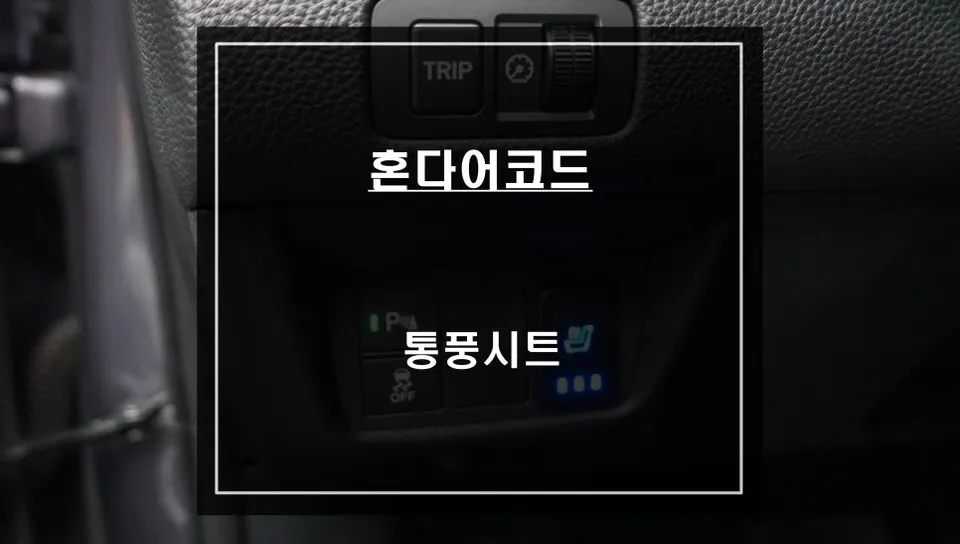
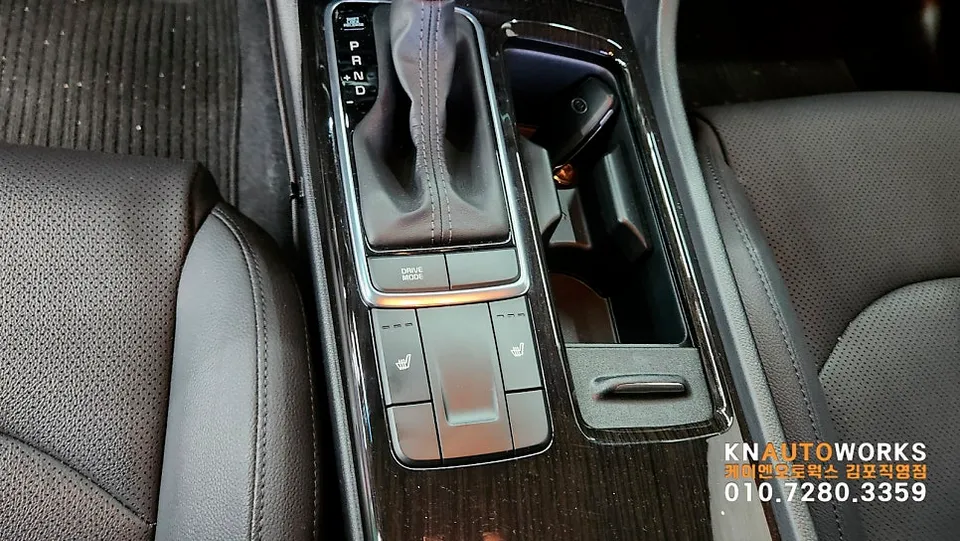
- The center console area is also disassembled to allow for the replacement of the existing switch panel with one that includes controls for the new ventilated seats.
- Fans are installed beneath the seat cushions to draw in cabin air. Ducts are then routed to distribute this air through the seatback.
- Wiring is connected to integrate the new seat climate system with the vehicle's electrical system.
- The seats and center console are reassembled and tested to ensure proper function.
The core principle of ventilated seats is the use of fans located under the seat cushion to pull in air from the cabin and push it through the seat. While the airflow is most direct to the lower body, ducts are used to channel air to the seatback. For optimal cooling, running the car's air conditioning simultaneously is crucial to lower the overall cabin temperature. You might notice slightly less airflow in the backrest compared to the seat cushion due to the ducting, but the overall improvement in comfort is substantial.
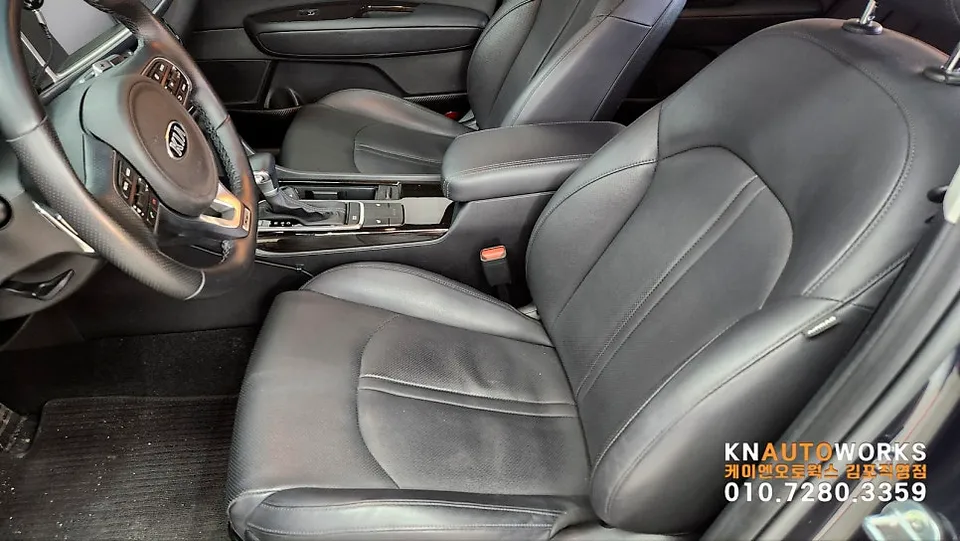
Seat Ventilation & Heating Cost and Durability for Kia K5 2nd Gen
The cost for a genuine, OEM-style ventilated seat installation for both the driver and passenger seats on a Kia K5 2nd Gen typically ranges from the high 300,000 KRW to the low 600,000 KRW range (approximately $300-$500 USD, depending on the exchange rate). This price can fluctuate based on the vehicle's year, existing options, the specific parts used, and regional labor rate differences. It's essential to get a precise quote from a reputable installer after they've assessed your vehicle's condition. Durability is generally good with OEM parts, as they are designed to integrate seamlessly with the car's systems. Maintenance usually involves keeping the seat perforations clear of debris to ensure optimal airflow. With proper care, these systems can last for many years, providing consistent comfort during hot weather.
Frequently Asked Questions
Q. How much does ventilated seat installation cost for a Kia K5 2nd Gen?
In Korea, the installation cost for ventilated seats on a Kia K5 2nd Gen typically ranges from ₩380,000 to ₩600,000. Similar aftermarket installations in the US can range from $400 to $800 depending on the provider and parts used.
Q. How long does seat ventilation installation take on a Kia K5 2nd Gen?
The durability of ventilated seats is generally excellent when using OEM parts, often lasting many years. Regular maintenance involves ensuring the seat perforations are free from debris to maintain optimal airflow.
Q. Are aftermarket ventilated seats worth it for a Kia K5 2nd Gen?
Ventilated seats are highly recommended for drivers who frequently experience hot weather and discomfort from standard seats. The improved comfort and reduced sweating significantly enhance the driving experience, making it a worthwhile investment for many.
Q. How are ventilated seats installed in a Kia K5 2nd Gen?
Installation involves removing the seats, integrating fans under the cushion and ducts for the backrest, and replacing the center console switch panel. The system is then wired into the vehicle's electrical system and tested.
Q. What is the difference between OEM and aftermarket ventilated seats for a Kia K5 2nd Gen?
OEM ventilated seats offer seamless integration with your Kia K5 2nd Gen's existing systems and controls for a factory look and feel. Aftermarket options provide a similar function but may have a different aesthetic or control interface.
OhCar Partner Shop