Kia Niro Seat Climate Upgrade Review: Cost & Results
Service Price
$under approx. $400
Estimated price · Actual price may vary by shop


Kia Niro seat climate upgrade: Approx. $220-$450. Adds rear seat heating for improved passenger comfort.
Is a Seat Climate Upgrade Worth It for Your Kia Niro?
The 2024 Kia Niro is a popular choice for families, praised for its fuel efficiency and practicality. However, a common point of feedback, especially for those with children or elderly passengers, is the lack of robust climate control options for the rear seats. While the front may be comfortable, the back can remain noticeably cold during winter months. This has led many Kia Niro owners to explore aftermarket solutions for rear seat heating and ventilation. This review delves into a specific installation of aftermarket heated seats for a 2024 Kia Niro, examining the process, costs, and overall satisfaction.
Aftermarket vs. Factory Heated Seats: Pros, Cons, and Key Installation Points
Opting for an aftermarket seat heating and cooling retrofit for your Kia Niro can be a compelling alternative if your vehicle didn't come with these features from the factory. However, the quality of aftermarket installations can vary significantly. It's crucial to focus on the craftsmanship and the stability of the wiring system rather than just whether it's an OEM option. Key factors to consider include:
- Even Heat Distribution: The system should provide consistent warmth across the entire seat surface, avoiding hot or cold spots.
- Rapid Heating: For those seeking quick comfort on chilly days, the speed at which the seats heat up is an important performance metric.
- Overheat Protection: Safety is paramount. The system must include safeguards, such as automatic shut-off or temperature regulation, to prevent overheating.
- Precise Reassembly: After the heating elements are installed, the seat covers must be reassembled meticulously. In compact interiors like the Niro's, poor wiring management can lead to rattles or squeaks during driving. A skilled technician's attention to detail is vital for a clean finish and quiet operation.

Kia Niro Rear Seat Heating Installation Case Study
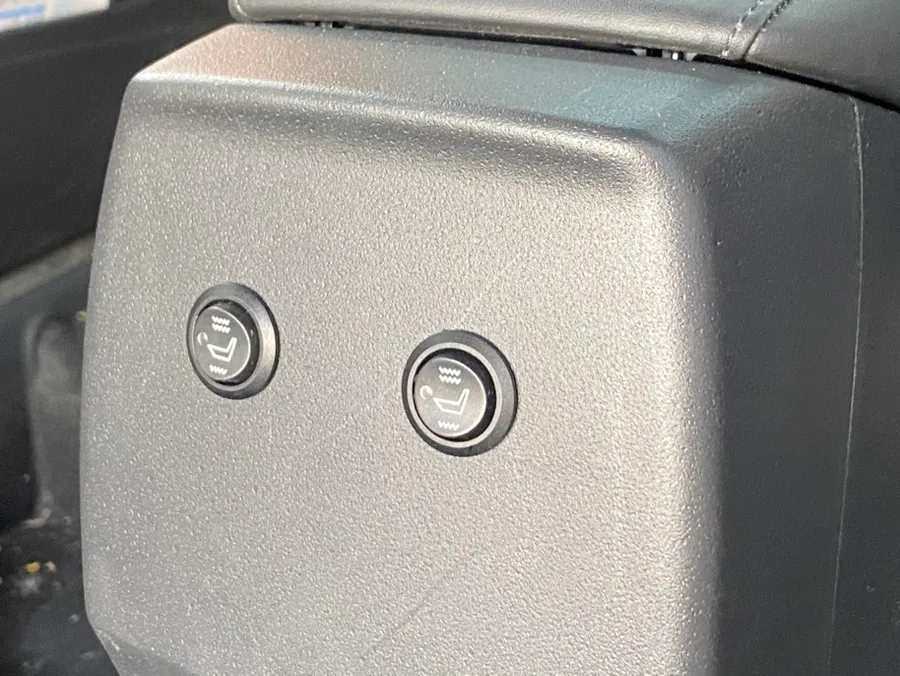
In this case, heated seat elements were added to the rear seats of a 2024 Kia Niro. Since the original vehicle lacked factory rear seat heating controls, a separate set of buttons was integrated to provide convenient operation. The installation involved carefully removing the seat covers to install the heating pads and meticulously routing the wiring, ensuring it was integrated cleanly with the vehicle's existing electrical system. The goal was to achieve a factory-like appearance and functionality. The process typically involves disconnecting the battery, carefully prying off trim pieces, removing seat upholstery, placing the heating elements, reconnecting wiring, and reassembling everything. While the exact cost can vary based on the shop and specific components used, such retrofits in Korea can range from approximately 300,000 to 600,000 KRW (roughly $220 - $450 USD), with installation usually taking a few hours.
Frequently Asked Questions
Q. How much does ventilated seat installation cost for a Kia Niro?
This specific installation for rear seat heating in a Kia Niro cost approximately 300,000 to 600,000 KRW (around $220-$450 USD). Typical US installation costs for aftermarket seat heating and ventilation can range from $300 to $1000 depending on the vehicle and system complexity.
Q. How long does seat ventilation installation take on a Kia Niro?
The durability of aftermarket seat heating systems is generally good, often lasting many years with proper care. To maintain longevity, avoid placing excessively heavy or sharp objects directly on the heated areas and ensure the wiring remains secure.
Q. Are aftermarket ventilated seats worth it for a Kia Niro?
Aftermarket ventilated and heated seats are most beneficial for Kia Niro owners who frequently carry rear passengers, especially children or elderly individuals, during cold weather. They offer a significant improvement in comfort and passenger satisfaction for a moderate investment compared to the cost of a higher trim level vehicle.
Q. How are ventilated seats installed in a Kia Niro?
Installation involves carefully removing seat upholstery, placing thin heating elements onto the seat foam, and routing wiring discreetly. The process requires professional skill to ensure proper connections, secure placement of elements, and neat reassembly of the seat trim to prevent rattles or damage.
Q. What is the difference between OEM and aftermarket ventilated seats for a Kia Niro?
OEM (Original Equipment Manufacturer) ventilated seats are integrated directly by the car manufacturer, offering seamless controls and guaranteed compatibility. Aftermarket systems provide a retrofit solution, often with separate controls, and their quality hinges entirely on the installer's expertise and the chosen components.
OhCar Partner Shop