Kia Sportage Seat Climate Upgrade Review: Cost & Results
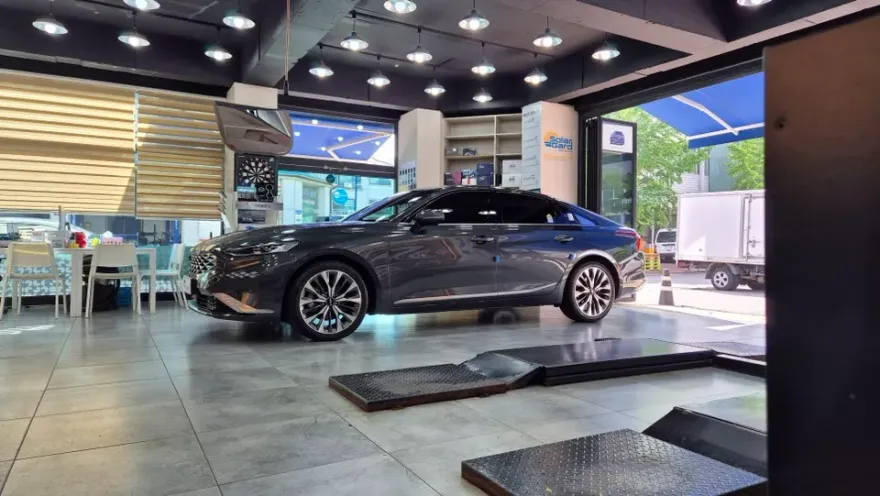
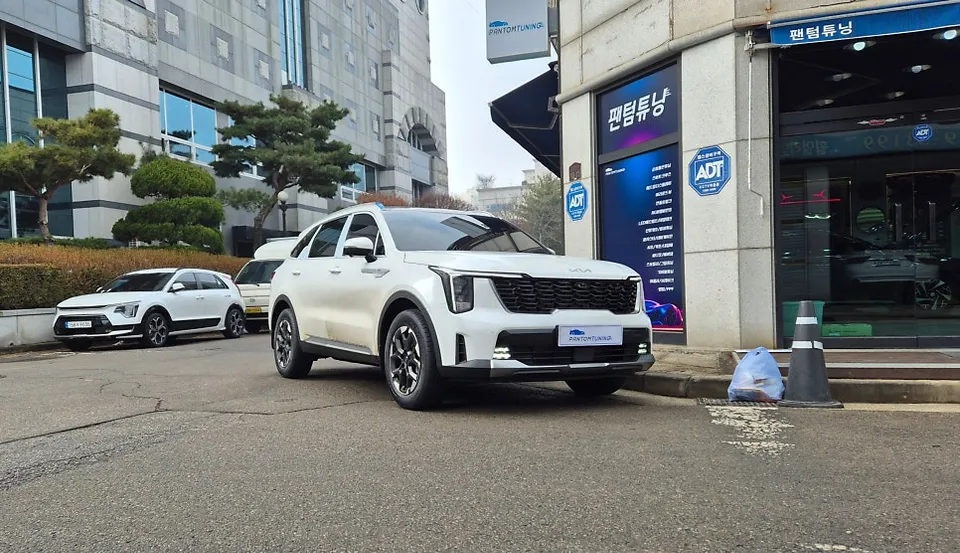
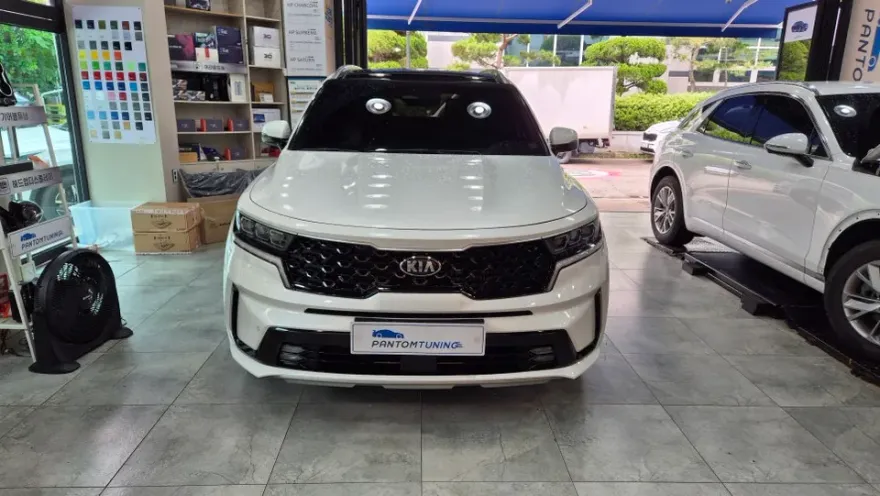
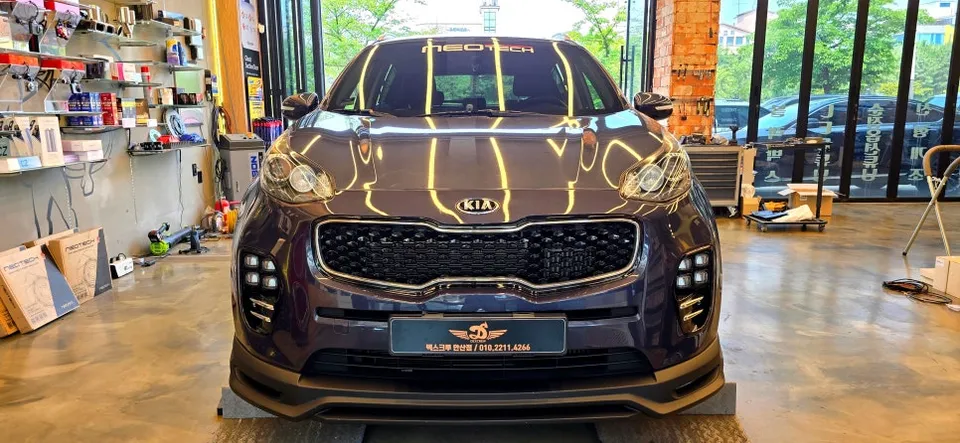
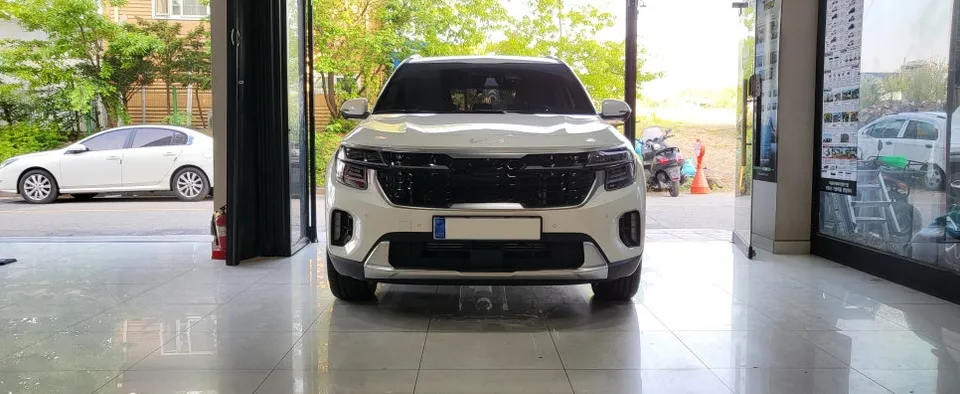
Before

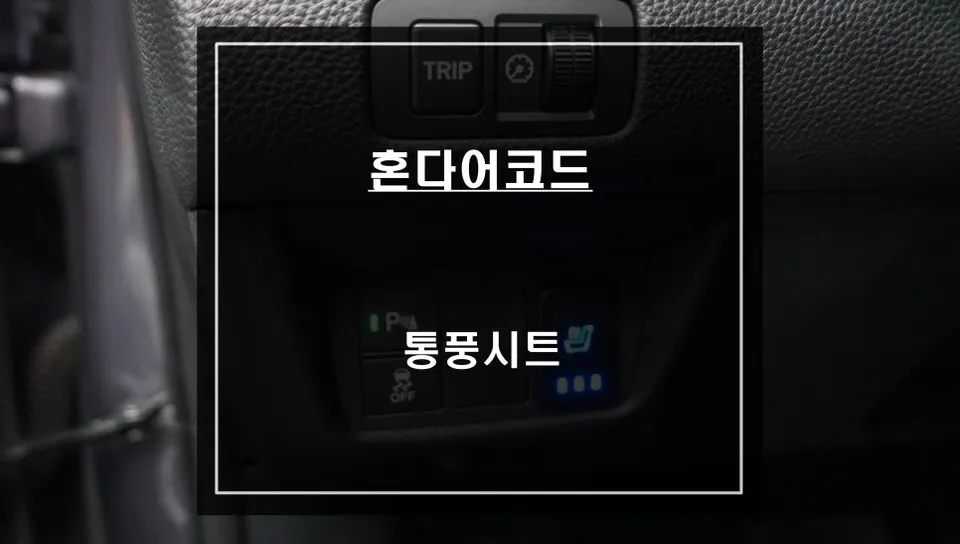
After

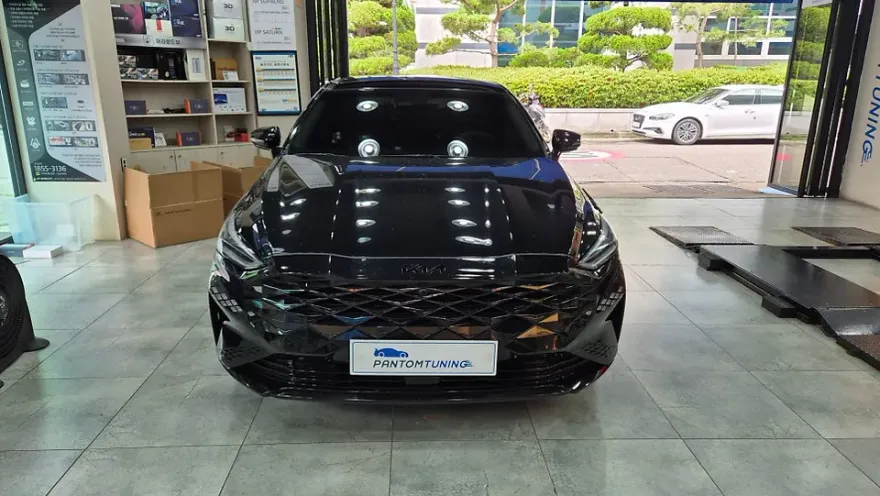
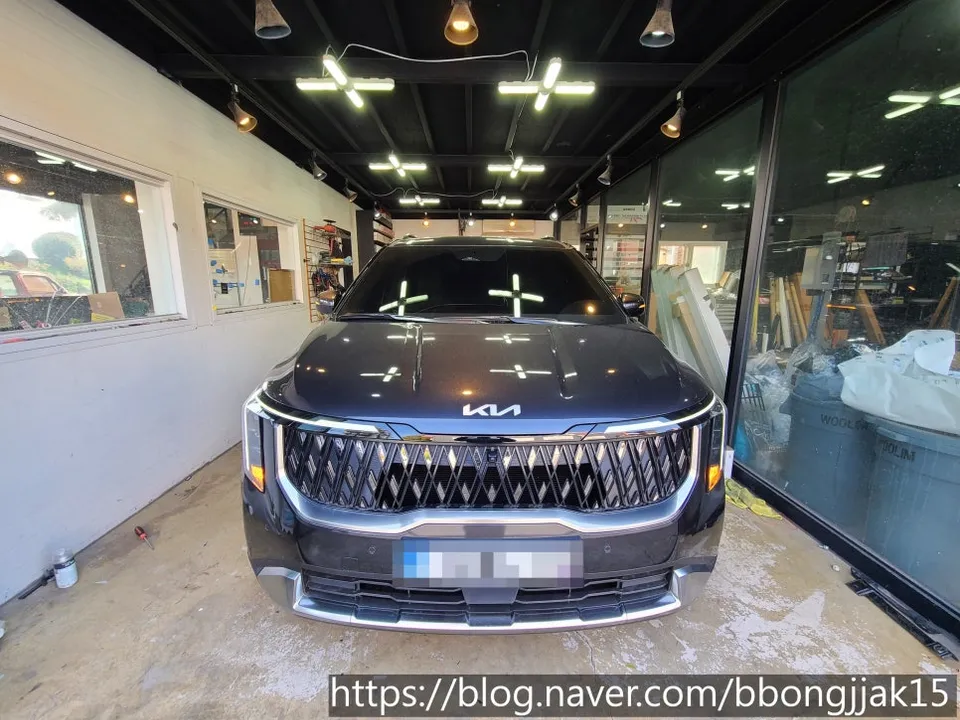
Process photos
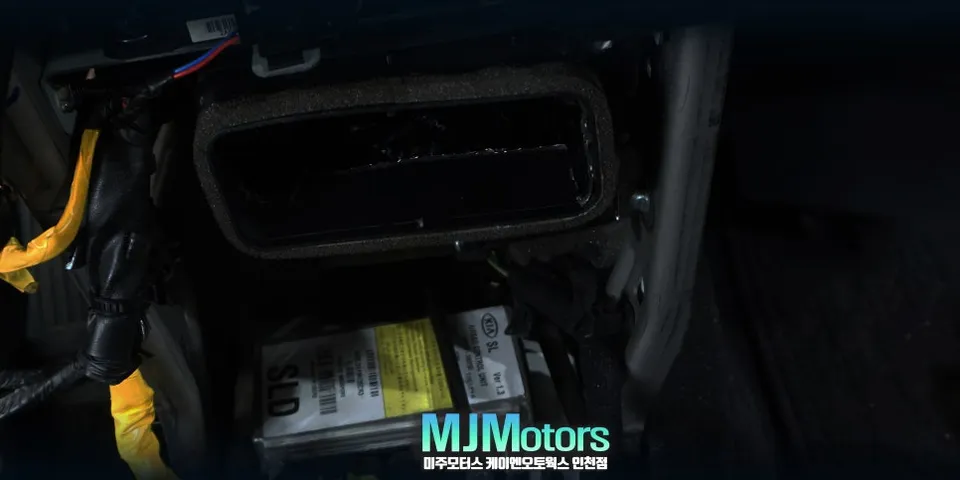

Kia Sportage Seat Ventilation & Heating retrofit: Enhances comfort in all weather. Professional installation required.
Enhancing Your Kia Sportage with Seat Climate Control
Many car owners seek to improve their driving experience, and for the Kia Sportage, adding seat ventilation and heating is a popular upgrade. This review delves into the specifics of a Seat Ventilation & Heating retrofit, focusing on the installation process, the tangible before and after results, and the overall value proposition. While the original context for this work was in South Korea, the principles and outcomes are relevant for car owners in the US and UK considering similar seat climate upgrades.
Installation and Materials for Seat Ventilation & Heating
The process of retrofitting ventilated and heated seats involves careful disassembly of the existing seat upholstery to integrate new components. For the Kia Sportage, this typically includes installing high-performance cooling fans and heating elements beneath the seat surface. The original context highlights the installation of air ducts and vents, specifically for the rear seats, ensuring even air distribution. The materials used are designed for durability and comfort, aiming to provide a seamless integration with the vehicle's interior. The installation requires specialized knowledge to ensure proper wiring and airflow, preventing any damage to the vehicle's electrical system or the seats themselves. The goal is to achieve a factory-like finish, where the new features are both functional and aesthetically pleasing.
Before & After: The Impact of Seat Climate Control
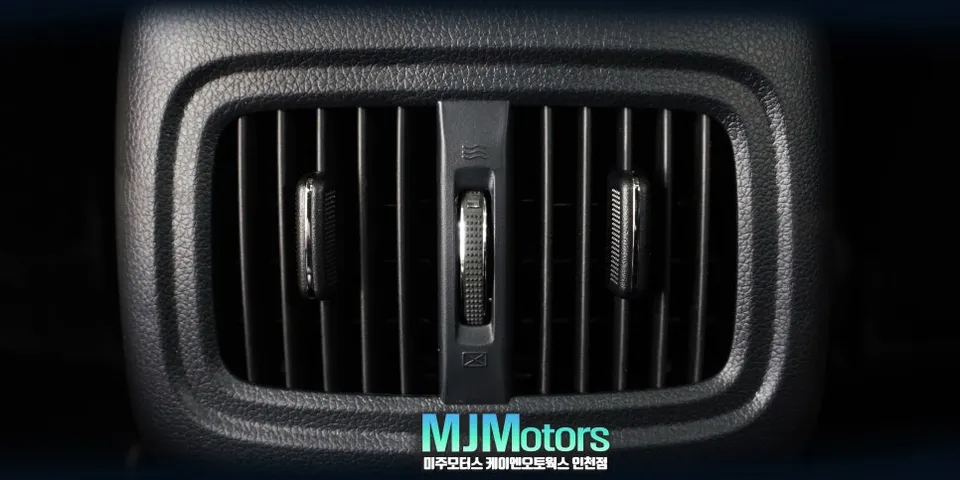
The most significant benefit of a Seat Ventilation & Heating upgrade is the enhanced comfort it provides in varying weather conditions. In hot climates, ventilated seats offer a welcome cooling sensation, preventing discomfort from a hot seat surface. Conversely, heated seats provide essential warmth during colder months. The before and after difference is substantial, transforming the driving experience from potentially uncomfortable to consistently pleasant. This upgrade is particularly beneficial for rear-seat passengers, as indicated by the focus on 2nd-row air vents in the original project. The durability of these systems is generally good, provided they are installed correctly by experienced technicians. Regular maintenance involves keeping the seat surfaces clean to ensure optimal airflow for the ventilation system.
Is a Seat Climate Upgrade Worth It for Your Kia Sportage?
Deciding whether to invest in a Seat Ventilation & Heating system for your Kia Sportage depends on your priorities and climate. If you frequently experience extreme temperatures or spend a lot of time in your vehicle, the added comfort can be well worth the Seat Ventilation & Heating cost. The installation process, while requiring professional expertise, results in a significant improvement in cabin comfort. The original project, performed in South Korea, involved a detailed installation for the rear seats, suggesting a focus on passenger comfort. For owners looking to maximize their vehicle's comfort features, a seat climate upgrade offers a tangible improvement that can enhance the overall ownership experience. The approximate cost in South Korea for such a retrofit can range, but it's an investment in comfort that pays dividends on every drive.
Installation process:
- Seat disassembly to access the upholstery.
- Integration of cooling fans and heating elements.
- Installation of air ducts and vents for proper airflow.
- Wiring the system to the vehicle's power source.
- Reassembly of the seats and testing of all functions.
Frequently Asked Questions
Q. How much does ventilated seat installation cost for a Kia Sportage?
The Seat Ventilation & Heating cost for a Kia Sportage can vary, but similar retrofits in the US typically range from $800 to $2,500 depending on the system and number of seats. The original installation was performed in South Korea, with costs varying by region and specific components chosen.
Q. How long does seat ventilation installation take on a Kia Sportage?
The durability of ventilated and heated seats is generally excellent with proper installation, often lasting the lifetime of the vehicle. Basic maintenance involves keeping the seat fabric clean to ensure unobstructed airflow for the cooling fans.
Q. Are aftermarket ventilated seats worth it for a Kia Sportage?
Aftermarket ventilated and heated seats are most beneficial for drivers who frequently experience extreme hot or cold weather, or for those prioritizing passenger comfort. The value proposition lies in significantly enhanced comfort and a more enjoyable driving experience year-round.
Q. How are ventilated seats installed in a Kia Sportage?
Installation involves carefully removing the seat covers to integrate specialized cooling fans and heating pads beneath the upholstery. Air ducts are then installed for efficient airflow, followed by professional wiring to the vehicle's electrical system, and finally, reassembly and testing.
Q. What is the difference between OEM and aftermarket ventilated seats for a Kia Sportage?
OEM (Original Equipment Manufacturer) ventilated seats are integrated directly from the factory with a seamless look and guaranteed compatibility. Aftermarket retrofits, while offering similar functionality, involve professional installation into existing seats and may have slight aesthetic differences.
OhCar Partner Shop