Mercedes-Benz E-Class Body Kit Review: Cost & Conversion
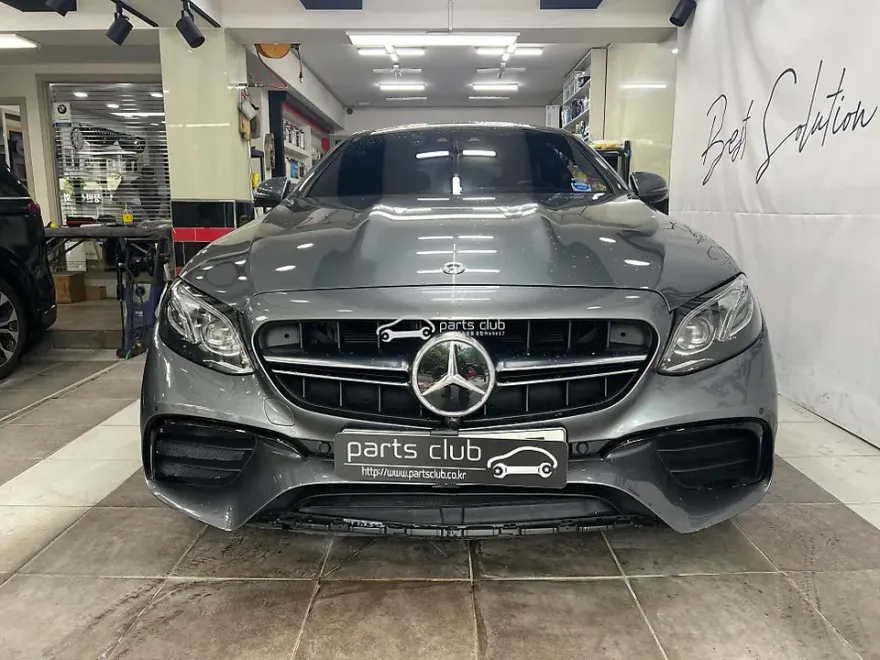
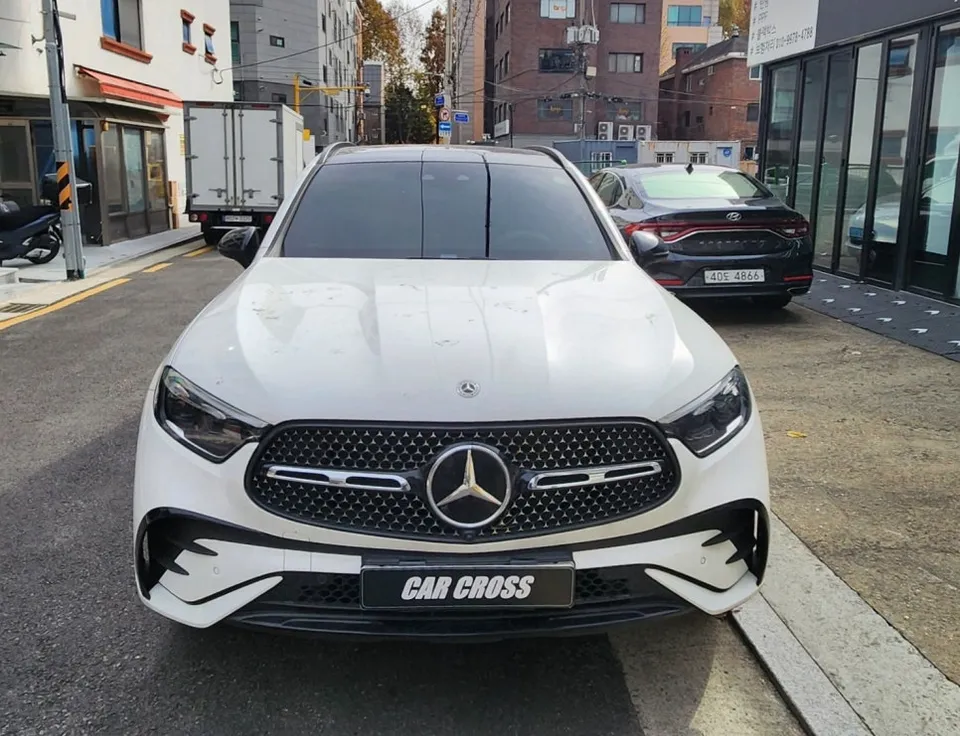
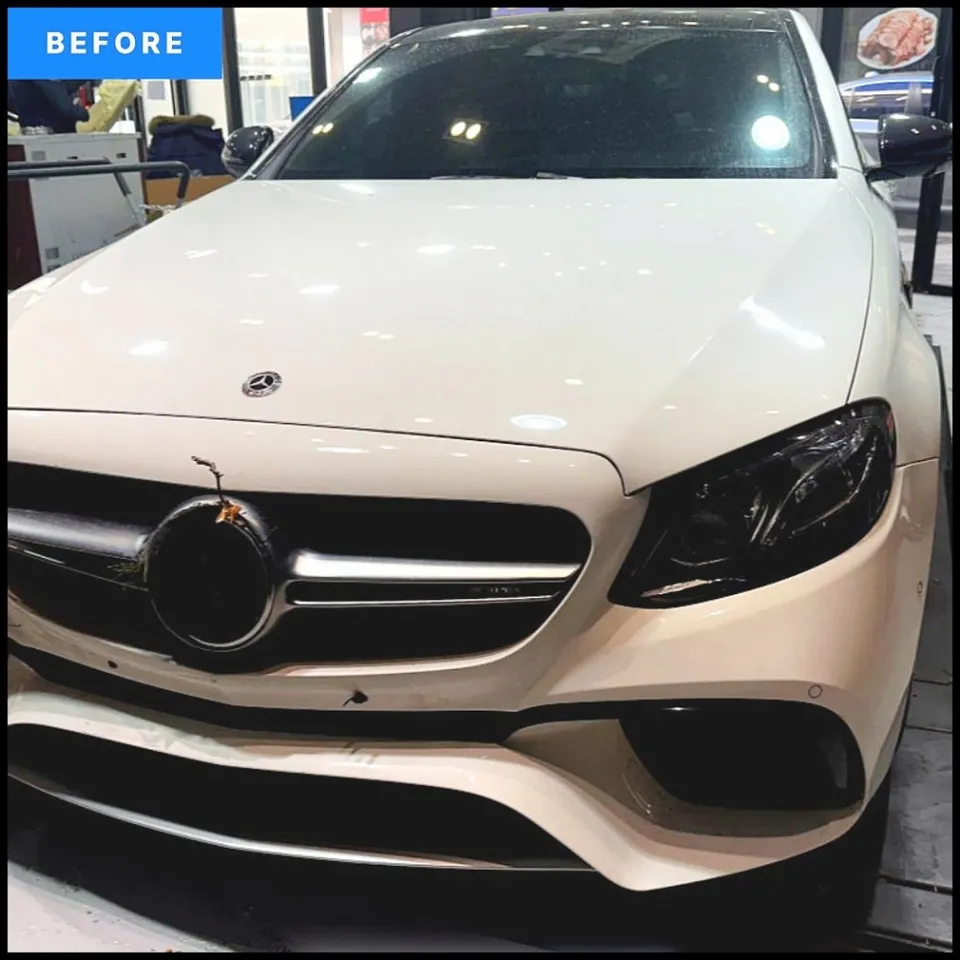
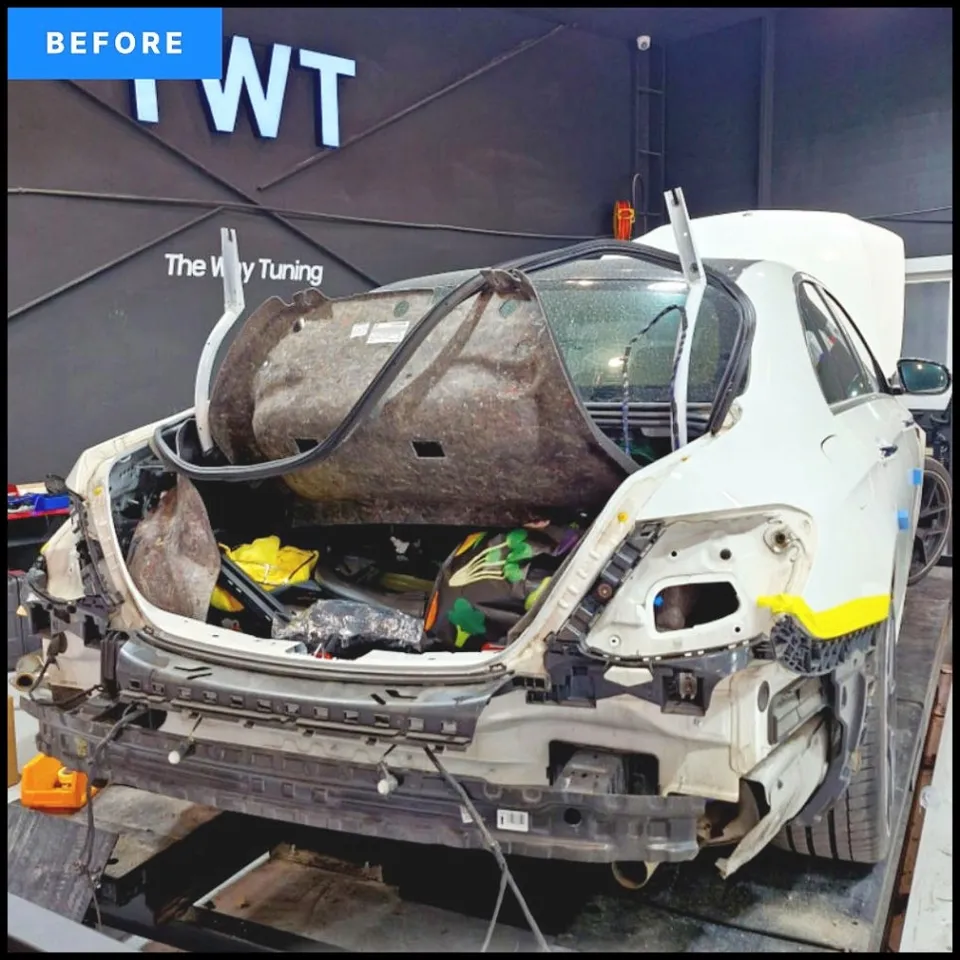
Before
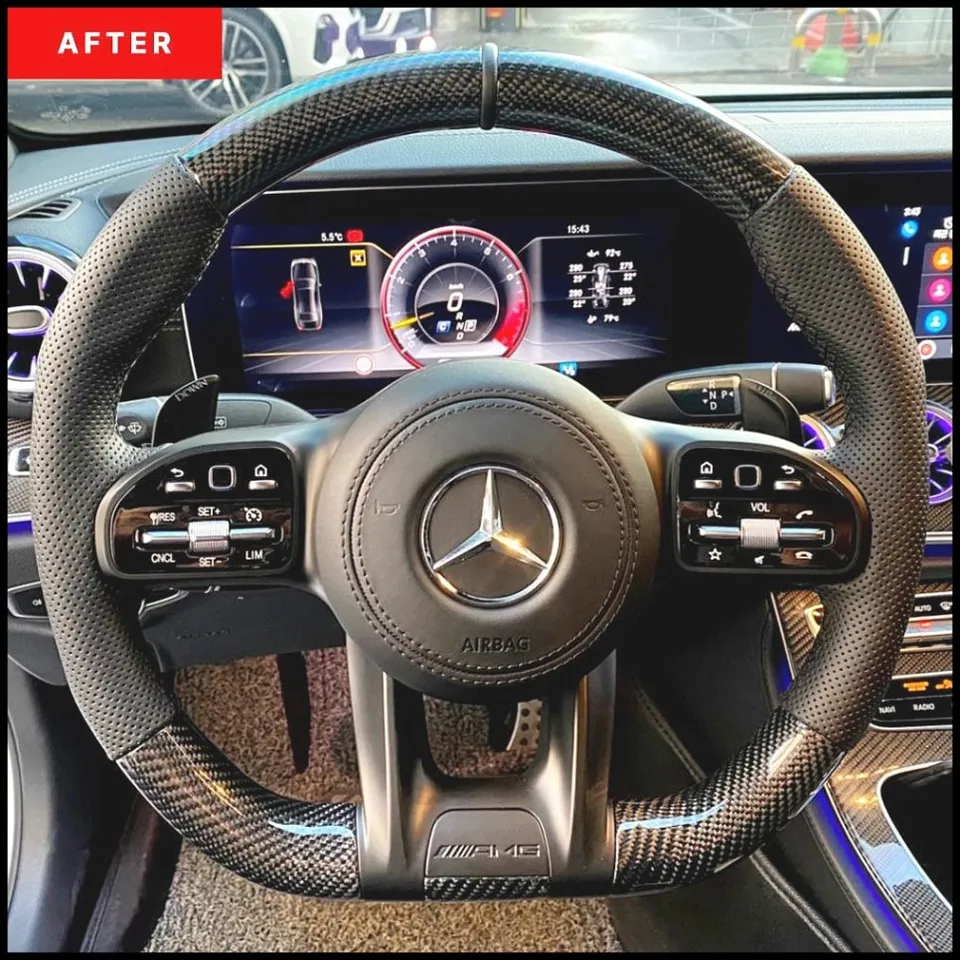
After
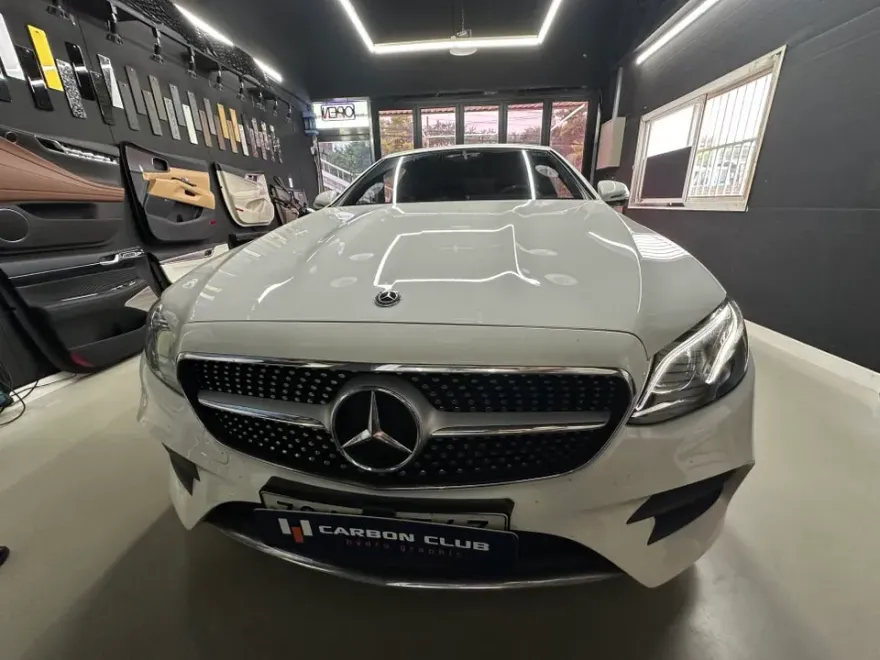
Process photos
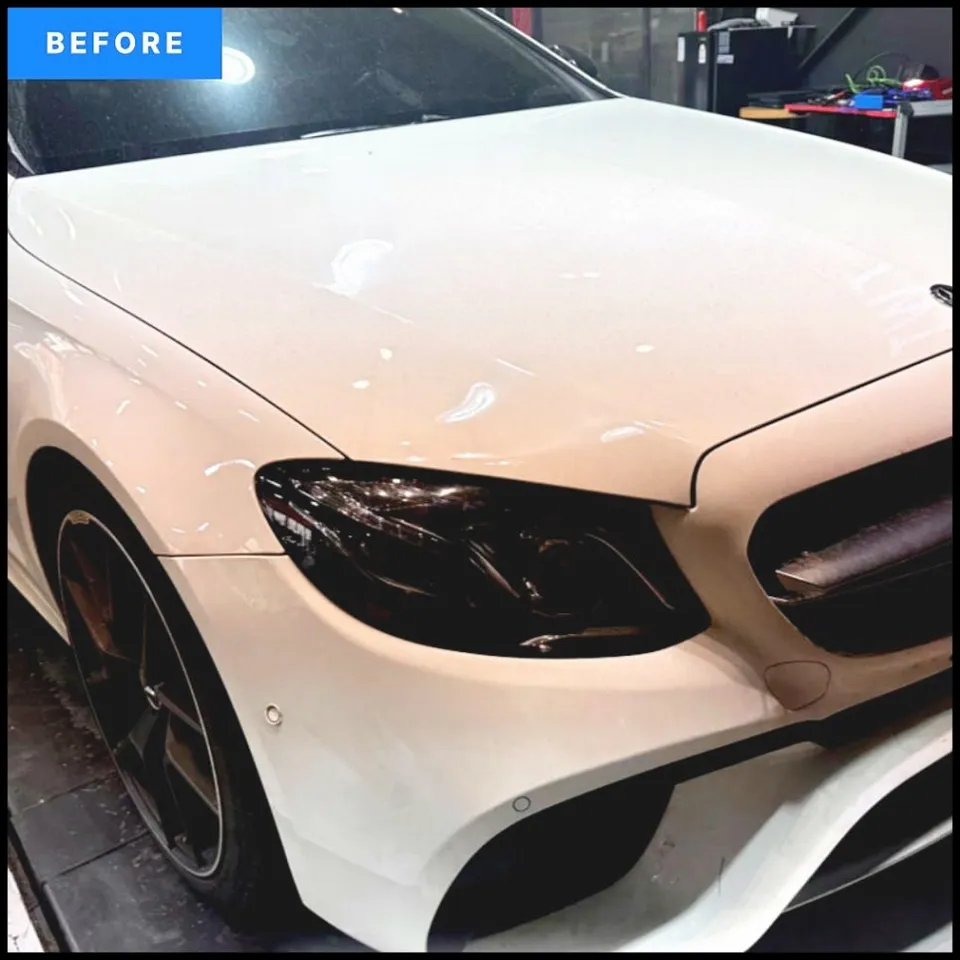
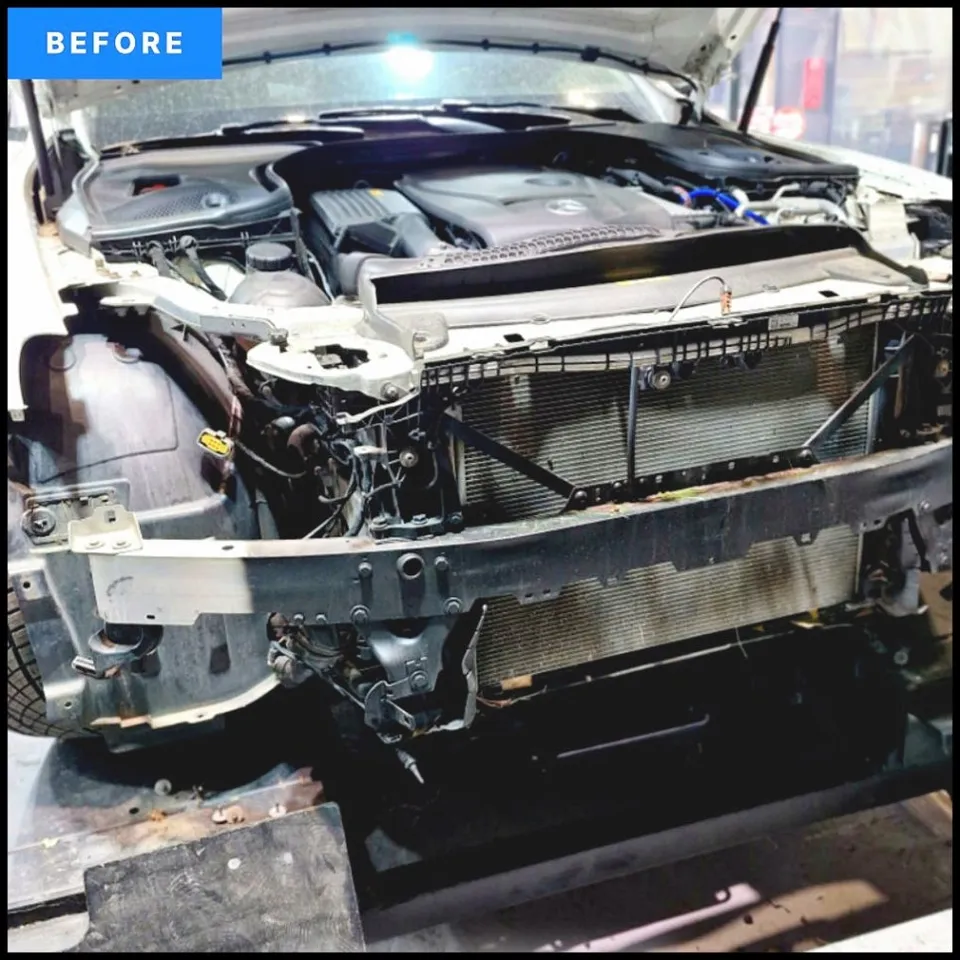
Mercedes-Benz E-Class E63 AMG conversion: Cost varies, includes body kit & steering wheel. Transforms look to aggressive E63 AMG.
Mercedes-Benz W213 E-Class E63 AMG Conversion
This review details a conversion project for a Mercedes-Benz W213 E-Class, specifically upgrading a pre-facelift model to resemble the E63 AMG facelift version. The work was performed by Good Custom TWT in Ansan, South Korea. Beyond the exterior body kit, the project also included the installation of a D-cut carbon steering wheel, offering a comprehensive interior and exterior enhancement.
Body Kit Installation and Cost Considerations
The primary focus of this upgrade is the body kit, which dramatically alters the vehicle's aesthetic. While the exact cost in Korean Won (KRW) isn't specified in the original context, such comprehensive body kit installations, including parts and labor, can range significantly. In the US, a full body kit for a luxury sedan like the E-Class, especially one mimicking a higher-performance variant, could typically range from $2,000 to $6,000 or more, depending on the kit's quality, brand, and material. This price often excludes professional painting and installation, which can add another $1,000 to $3,000+.
The conversion to an E63 AMG look involves replacing several key exterior components. This usually includes the front bumper, rear bumper, side skirts, and sometimes fender flares. The goal is to achieve the more aggressive and muscular stance characteristic of the E63 AMG model. The D-cut carbon steering wheel adds a sporty and premium touch to the interior, complementing the exterior transformation.
Before and After Results, Durability, and Maintenance
The visual impact of a body kit is substantial. The 'before' state is the standard W213 E-Class, while the 'after' is a vehicle that closely resembles the more aggressive E63 AMG. This transformation can significantly enhance the car's perceived value and sporty appeal. Durability largely depends on the materials used (e.g., ABS plastic, polyurethane, or fiberglass) and the quality of the installation. Polyurethane and ABS are generally more durable and flexible, making them less prone to cracking than fiberglass. Proper maintenance involves regular washing and waxing, and being mindful of potential damage from speed bumps or rough roads, especially with lowered suspension often paired with body kits.
Installation process:
- Preparation: The original bumpers and side skirts are carefully removed. The new body kit components are test-fitted to ensure proper alignment.
- Modification & Painting: Any necessary modifications are made to the new parts. They are then professionally painted to match the vehicle's original color or a custom finish.
- Attachment: The painted body kit components are securely attached to the vehicle's chassis using specialized clips, screws, and adhesives.
- Final Touches: The D-cut carbon steering wheel is installed, and all connections are checked. The vehicle is then thoroughly cleaned.
For owners considering this type of modification, it's crucial to weigh the aesthetic benefits against the cost and potential risks, such as reduced ground clearance and the need for professional installation to ensure a seamless finish.
Frequently Asked Questions
Q. How much does a body kit cost for a Mercedes-Benz E-Class?
While the specific cost in Korean Won for this W213 E-Class conversion isn't detailed, a full body kit installation in the US can range from $2,000 to $6,000+, excluding paint and labor. Professional painting and installation can add an additional $1,000 to $3,000+.
Q. How durable is a Mercedes-Benz E-Class body kit?
Durability depends on the material, with polyurethane and ABS generally being more robust than fiberglass. Regular washing, waxing, and careful driving are key to maintaining its condition and longevity.
Q. Is a body kit worth it for a Mercedes-Benz E-Class?
A body kit is worth it for owners seeking a significant aesthetic upgrade to mimic higher-performance models like the E63 AMG. It offers a substantial visual transformation, enhancing the car's sporty appeal and perceived value.
Q. How is a body kit installed on a Mercedes-Benz E-Class?
Installation involves removing original parts, test-fitting and painting the new body kit components, and securely attaching them to the vehicle's chassis. This process often includes modifications for a perfect fit and finish.
Q. What is the difference between FRP and polyurethane body kits for a Mercedes-Benz E-Class?
Fiberglass Reinforced Plastic (FRP) kits can be more affordable but are prone to cracking and require more prep work. Polyurethane kits are more flexible, durable, and impact-resistant, offering a better long-term value despite a potentially higher initial cost.
OhCar Partner Shop