Mercedes-Benz GLB Seat Climate Upgrade Review

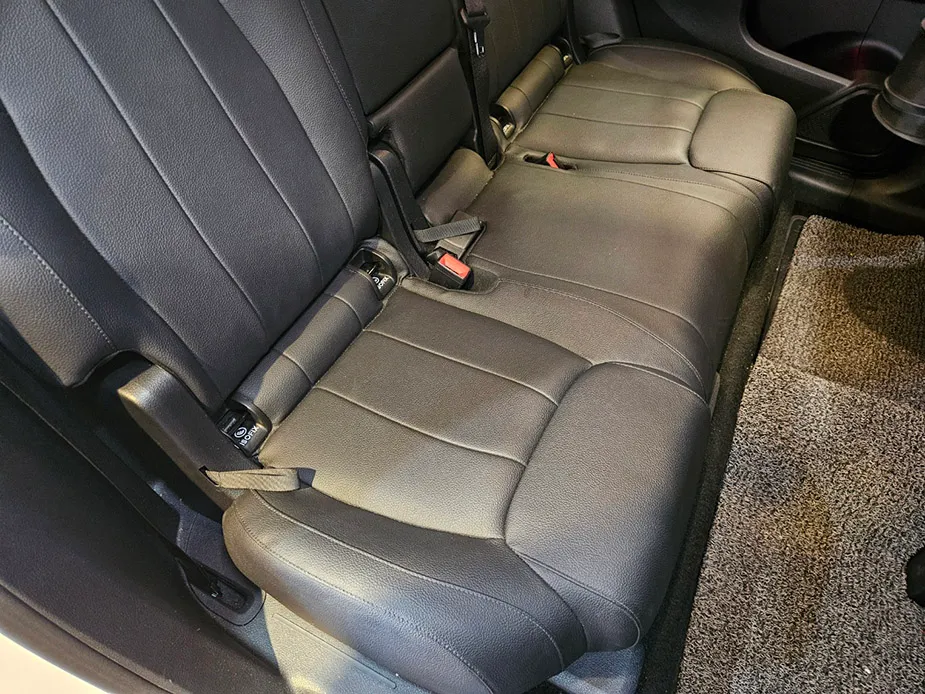
Mercedes-Benz GLB Seat Ventilation & Heating retrofit: Adds rear seat warmth. Professional installation ensures quality and comfort.
Enhance Your Mercedes-Benz GLB with Seat Ventilation & Heating
As the colder months approach, the thought of a chilly rear seat can dampen the spirits of any passenger. For owners of the Mercedes-Benz GLB, adding a Seat Ventilation & Heating system to the second row offers a thoughtful solution, turning potentially uncomfortable journeys into cozy experiences. This upgrade is more than just an added convenience; it's a way to significantly elevate the overall comfort and perceived value of your vehicle, ensuring everyone enjoys the ride, regardless of the weather outside.
The Importance of Rear Seat Comfort
One of the most common complaints during winter drives is the lack of warmth in the rear seats. While front passengers might enjoy heated seats and climate control, those in the back can often feel left out in the cold. A Seat Ventilation & Heating retrofit for the Mercedes-Benz GLB directly addresses this issue. It provides a consistent, comfortable temperature for rear passengers, making long drives or even short commutes more pleasant. This isn't just about luxury; it's about ensuring a premium experience for all occupants, reflecting the sophisticated nature of a Mercedes-Benz.
Installation Process and Quality Assurance
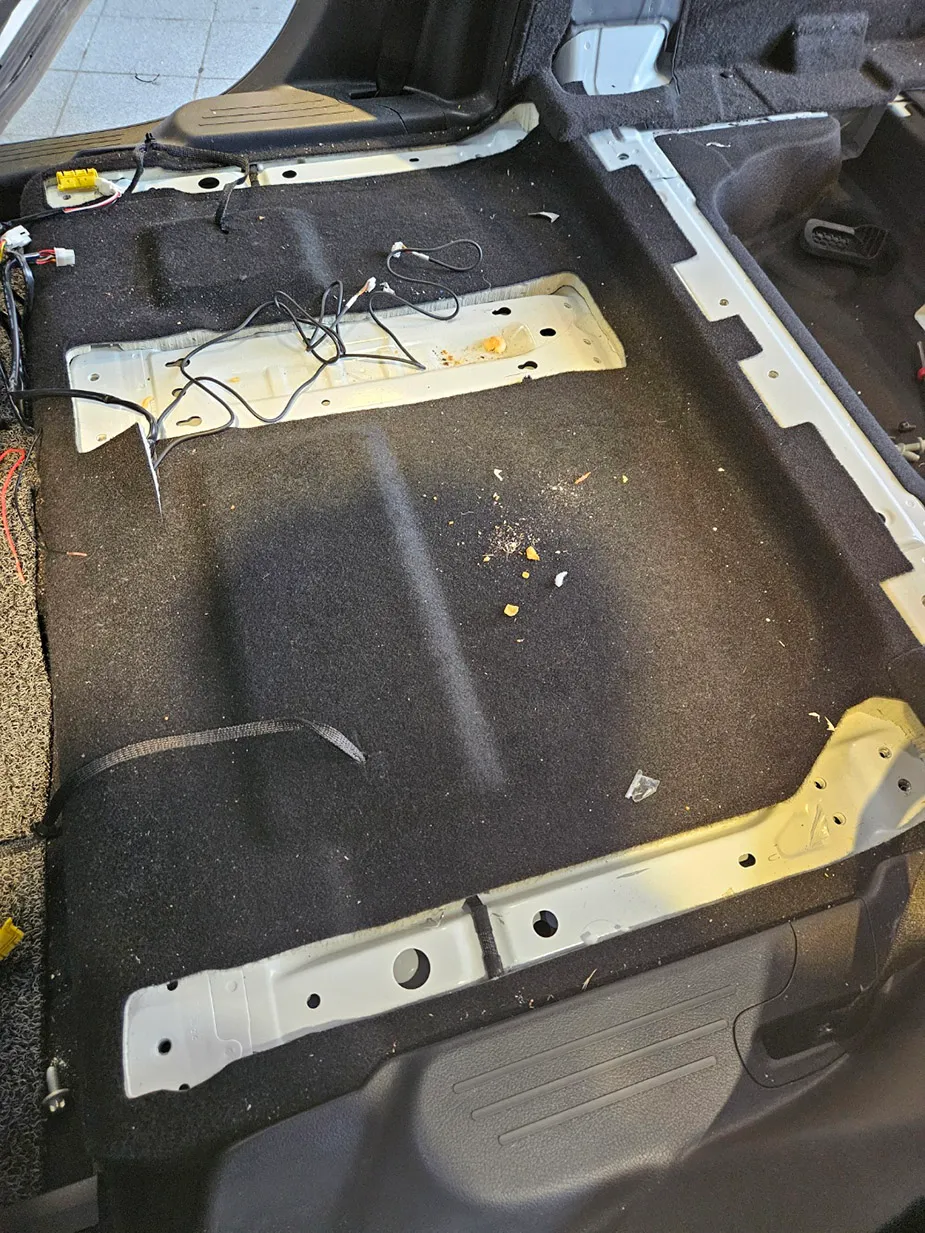
Installing a Seat Ventilation & Heating system in the second row of a Mercedes-Benz GLB requires a meticulous approach. The process begins with the complete disassembly of the rear seats. Unlike the front seats, the GLB's rear seat frame is larger and heavier, with a one-piece cushion, making the installation more complex and demanding. This is why professional expertise is crucial to ensure the seats are handled without damage.
Installation Process:
- Seat Disassembly: The rear seat unit is carefully removed and taken apart to access the internal structure.
- Heating Pad Integration: High-quality heating pads, sourced from a reliable domestic Korean manufacturer known for their stability and low defect rates, are precisely placed within the seat's foam and upholstery. Care is taken to ensure the original seat comfort and shape are maintained.
- Wiring and Control Installation: The heating elements are connected to the vehicle's electrical system. Custom switches are then installed in a location convenient for the user, often integrated into the rear air vent trim for a factory-like appearance, though other locations like the B-pillar are also possible.
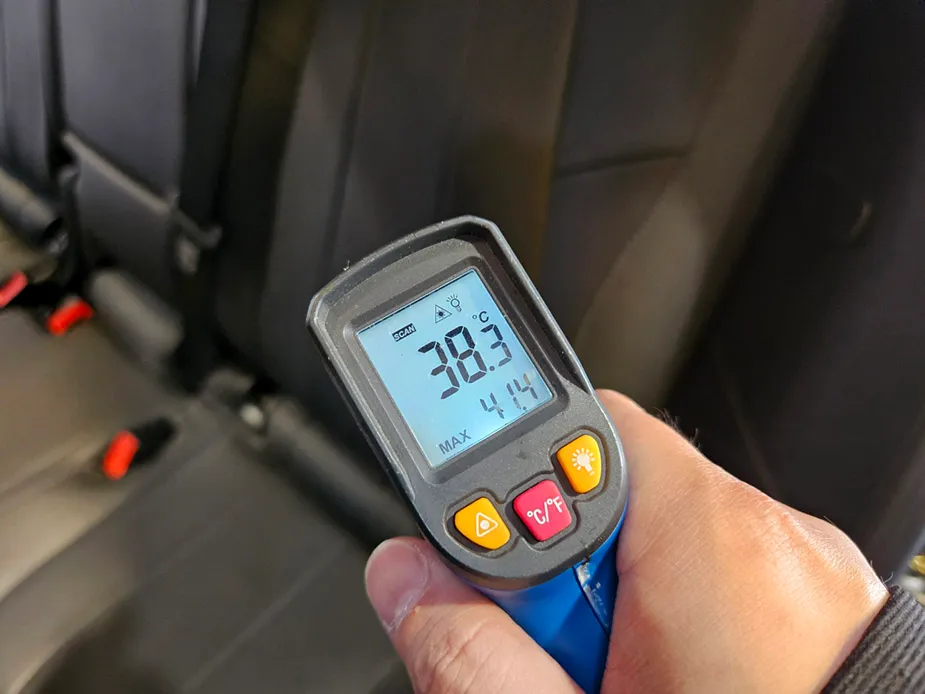
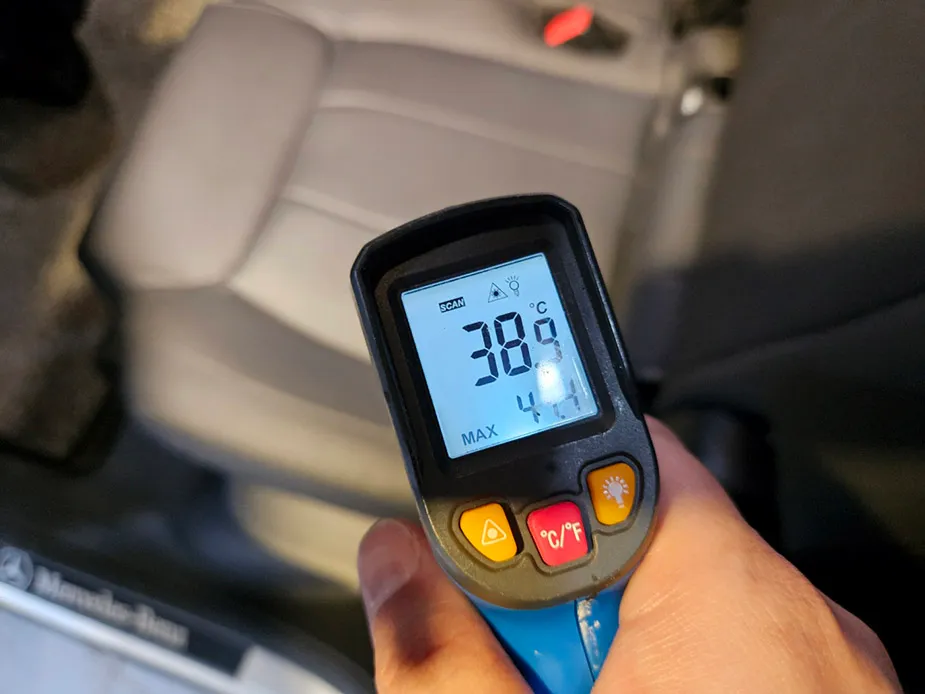
- Reassembly and Testing: The seat is meticulously reassembled, and a thorough diagnostic test is performed to confirm the heating elements function correctly and reach optimal temperatures (up to 45°C or 113°F).
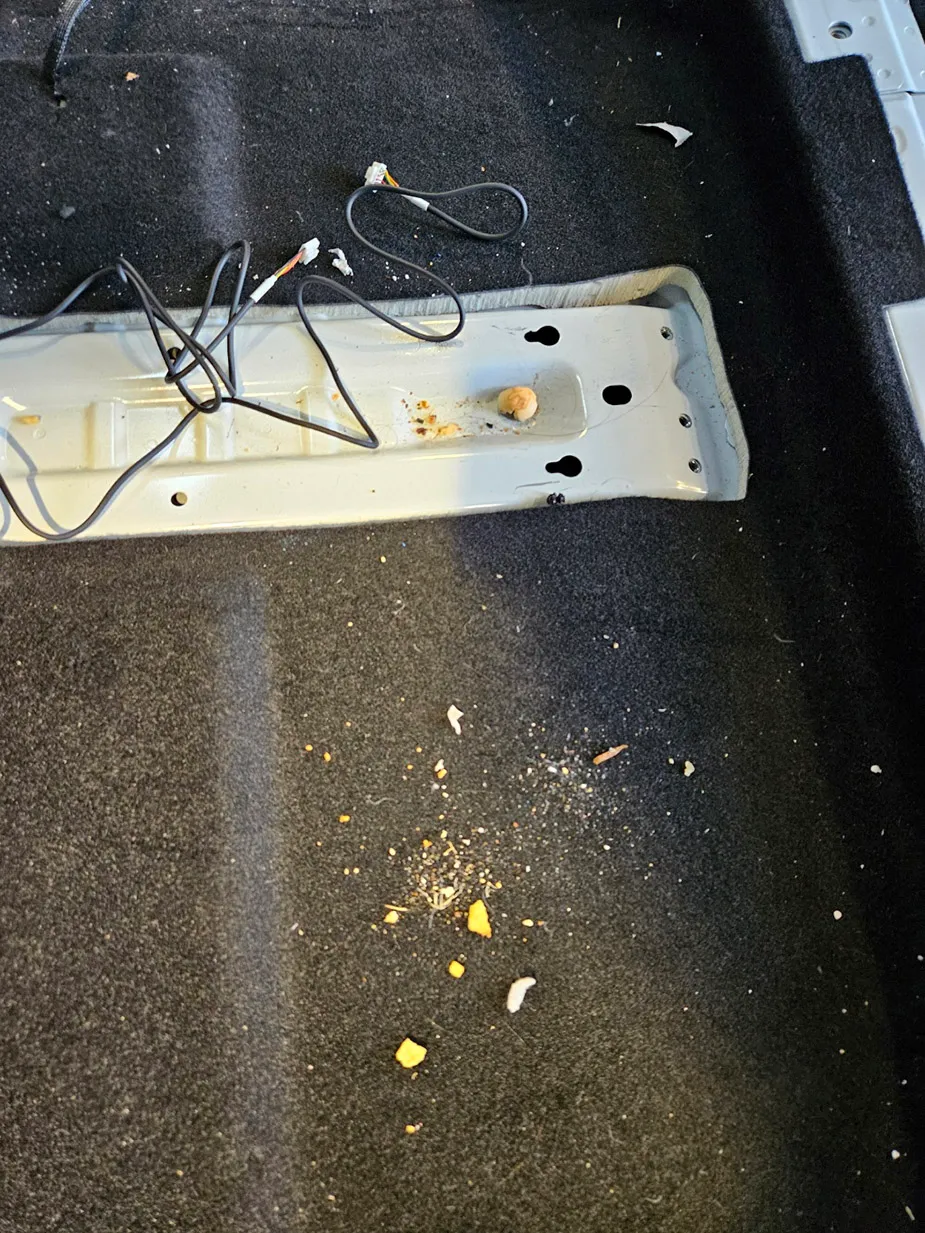
Beyond the core installation, the service often includes a complimentary deep cleaning of the seat undersides, areas typically hard to reach and clean. This attention to detail ensures not only the functionality of the new system but also an improved overall condition of the seats.
Benefits and Durability
The primary benefit of a Seat Ventilation & Heating system is the immediate comfort it provides during cold weather. The heating function delivers consistent warmth, creating a cozy cabin environment that can be more pleasant than relying solely on the car's heater, especially in dry winter conditions. While the original context focuses on heating, many aftermarket systems also offer ventilation for summer comfort, providing a year-round climate control solution for the rear seats.
The durability of these systems is generally high, thanks to the use of quality components from domestic Korean manufacturers. These heating pads are designed for longevity, with a low failure rate. Proper installation by experienced technicians is key to ensuring the system integrates seamlessly and functions reliably for years to come. Regular maintenance typically involves ensuring the wiring remains secure and avoiding excessive moisture around the seat components.
Is Seat Ventilation & Heating Worth It for Your GLB?
For Mercedes-Benz GLB owners who frequently have rear passengers, especially during colder months, a Seat Ventilation & Heating upgrade is a worthwhile investment. It significantly enhances passenger comfort, making journeys more enjoyable for family and friends. The cost, while an additional expense, adds a premium feature that can improve the overall ownership experience and potentially the vehicle's resale value. The installation process, when performed by skilled professionals, ensures a safe and integrated system that functions like a factory option.
Frequently Asked Questions
Q. How much does Seat Ventilation & Heating cost for a Mercedes-Benz GLB?
The cost for this Seat Ventilation & Heating retrofit in Korea was approximately 400,000 KRW (around $300 USD). Typical installation costs for similar seat climate upgrades in the US can range from $300 to $800 depending on the vehicle and system complexity.
Q. How long does Seat Ventilation & Heating last on a Mercedes-Benz GLB?
With quality components and professional installation, these Seat Ventilation & Heating systems are designed for long-term durability, often lasting many years. A simple maintenance tip is to ensure the wiring remains secure and avoid spilling liquids directly onto the seat upholstery.
Q. Is Seat Ventilation & Heating worth it for a Mercedes-Benz GLB?
Yes, Seat Ventilation & Heating is highly recommended for Mercedes-Benz GLB owners who prioritize rear passenger comfort, especially in colder climates. It transforms the rear seating experience, adding significant value and enjoyment to your drives.
Q. How is Seat Ventilation & Heating done on a Mercedes-Benz GLB?
The installation involves disassembling the rear seats, integrating high-quality heating pads into the seat structure, connecting the wiring, and installing custom switches. Finally, the seats are reassembled, and the system is tested for proper heating function.
Q. What is the best Seat Ventilation & Heating option for a Mercedes-Benz GLB?
The best option involves using reliable, domestically manufactured heating pads for optimal safety and durability, coupled with professional installation that ensures a seamless, factory-like integration. Look for installers who offer custom switch placement and thorough testing.
OhCar Partner Shop