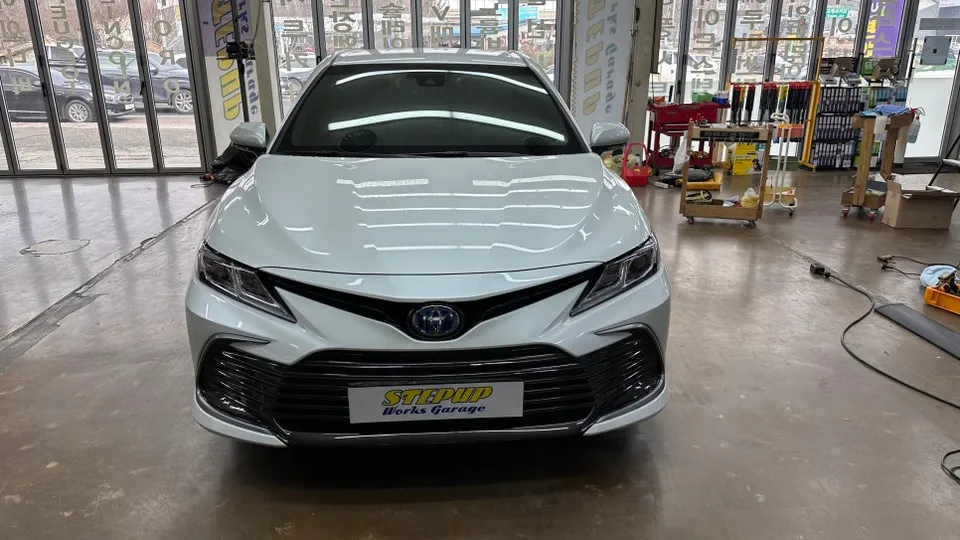
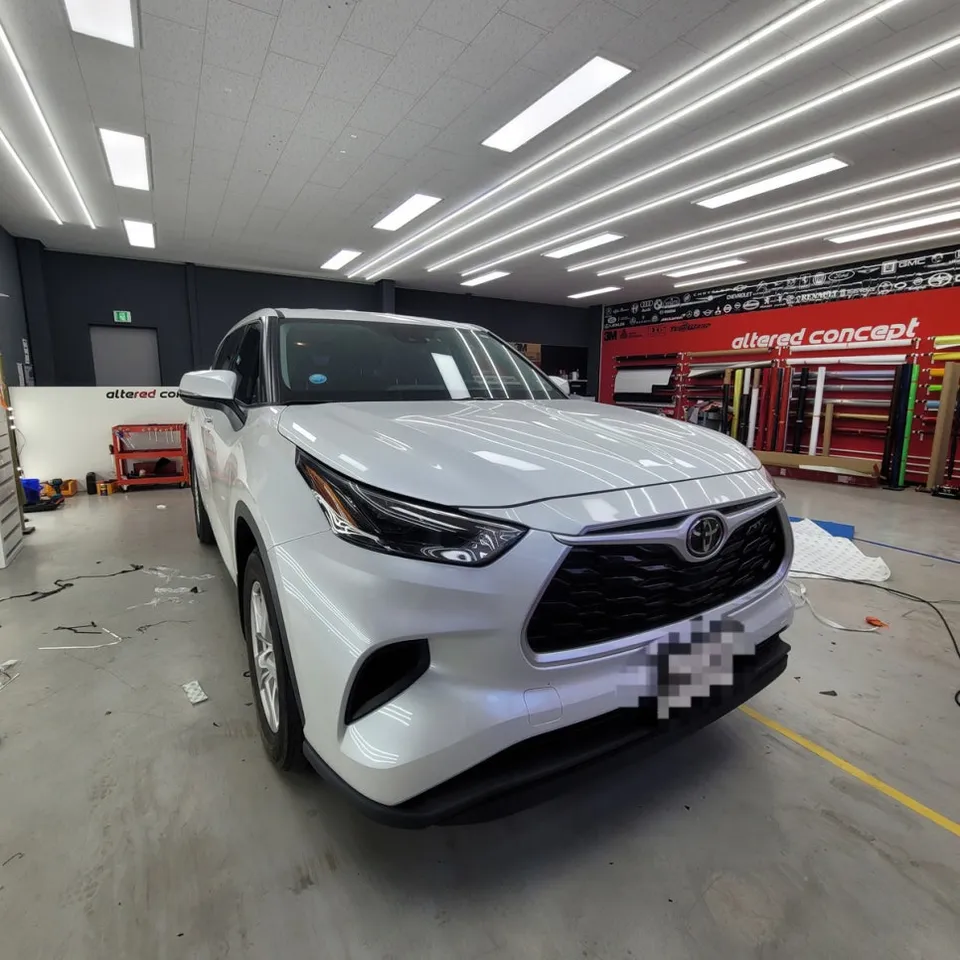
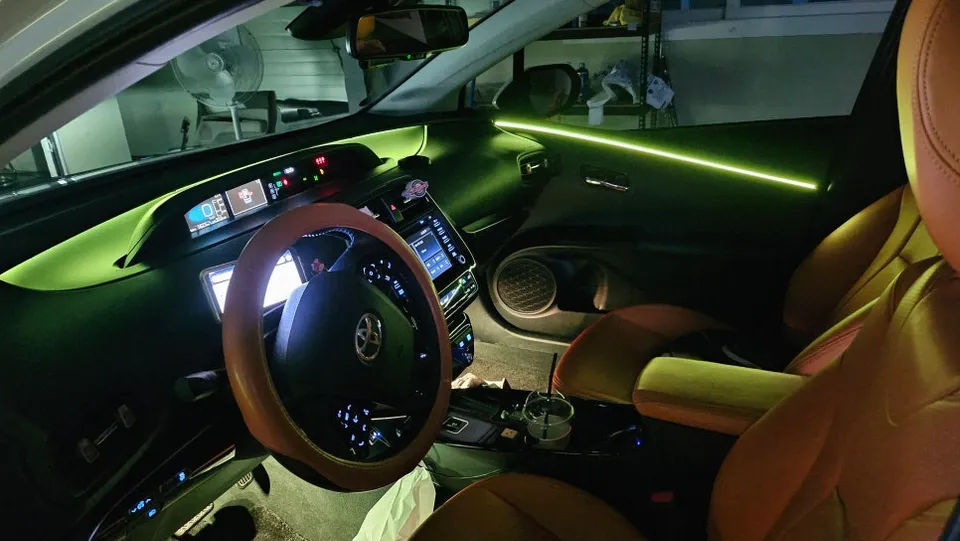
Toyota Highlander Seat Heating Retrofit Review

Toyota Highlander rear seat heating retrofit: Approx. ₩300,000-₩500,000 ( ~$220-$370 USD). Adds significant winter comfort.
Enhancing Your Toyota Highlander's Comfort
As the weather cools, the convenience of heated seats becomes a highly sought-after feature, especially for families. While many modern vehicles come equipped with these amenities, some, like the Toyota Highlander, can be surprisingly sparse on interior options, particularly for rear passengers. This review delves into the process and benefits of retrofitting seat heating into the second row of a Toyota Highlander, a common upgrade sought by owners looking to improve their driving experience during colder months. The Korean context for this specific installation highlights how aftermarket solutions can bridge the gap left by factory options, bringing added comfort to vehicles that might otherwise lack it.
Seat Ventilation & Heating Installation Process
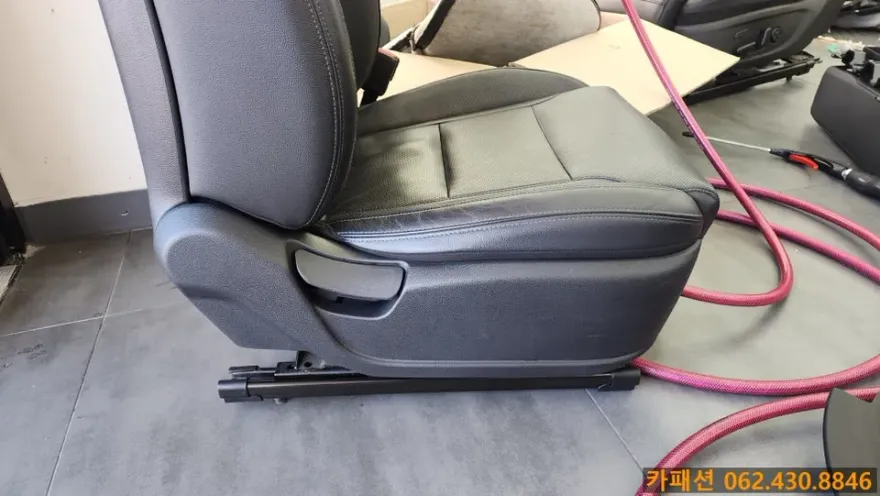
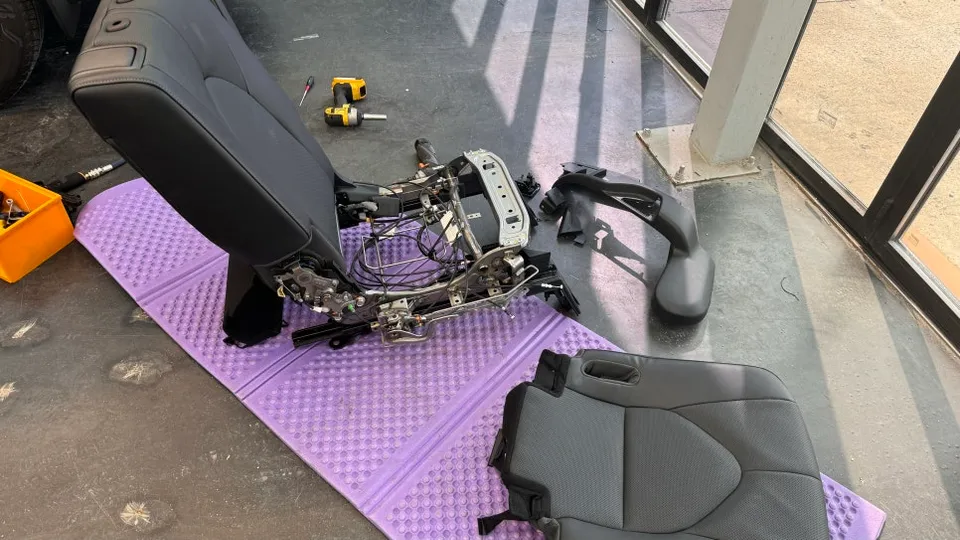
Retrofitting seat heating is a detailed process that requires careful execution to ensure both functionality and safety. The installation typically involves removing the second-row seats from the Toyota Highlander. Once the seats are out, the leather seat covers are carefully removed to allow for the integration of the heating elements. These elements are strategically placed to provide optimal warmth distribution across the seat surface. The process also involves routing the necessary wiring, often requiring partial disassembly of the center console or dashboard to integrate the control switches seamlessly. The entire procedure, from seat removal to reassembly and testing, generally takes around 2 to 3 hours to complete. Unlike some ventilation systems that might require changes to the seat upholstery, heating elements can usually be installed without altering the original leather, making it a more straightforward upgrade. For the Toyota Highlander, special attention was paid to its unique seat contours to maximize the heated area.
- Seat Removal: The second-row seats are carefully detached from the vehicle floor.
- Upholstery Disassembly: The seat covers are meticulously removed to access the seat's internal structure.
- Heating Element Installation: The heating pads are precisely positioned and secured within the seat cushion and backrest.
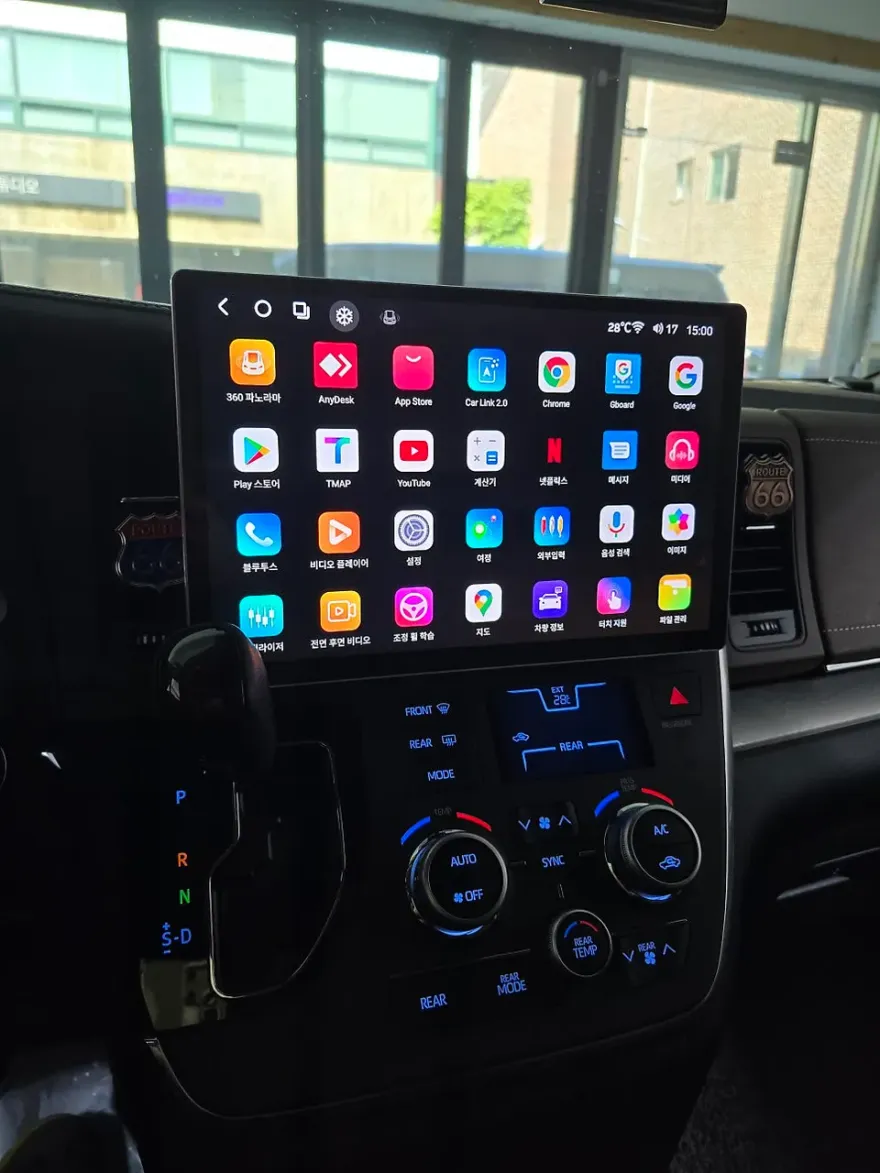
- Wiring Integration: Electrical connections are made, and control switches are installed in a chosen location, often within the center console area.
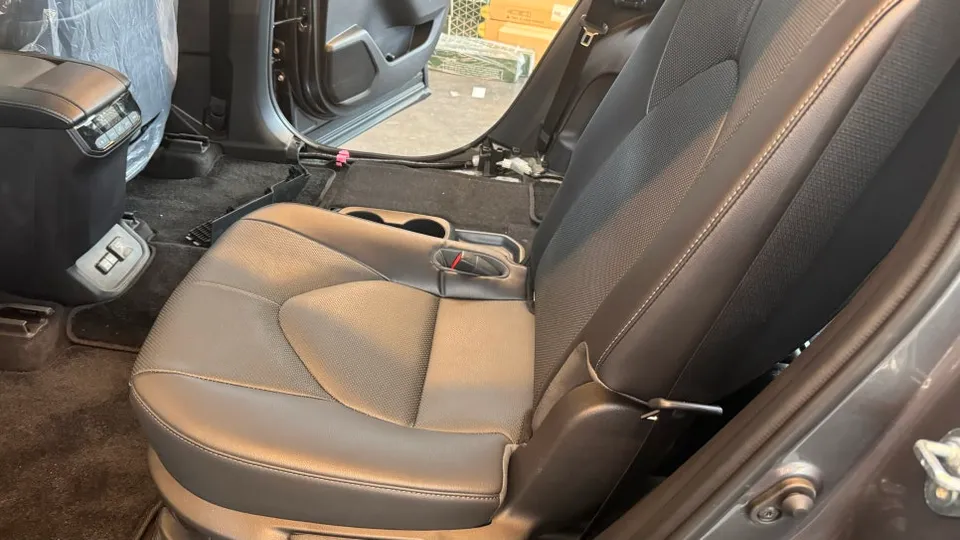
- Reassembly and Testing: Seats are reinstalled, and the heating system is tested for proper function and heat output.
Is a Seat Climate Upgrade Worth It for Your Highlander?
The decision to retrofit seat heating, or a full Seat Ventilation & Heating system, into a Toyota Highlander hinges on your priorities and usage. For those living in colder climates or frequently carrying passengers in the second row during winter, the added comfort can significantly enhance the driving experience. The cost of such an upgrade, while an investment, can be considerably less than the premium for a higher trim level that includes these features from the factory. The durability of professionally installed aftermarket heating elements is generally good, provided quality components are used and the installation is performed by experienced technicians. Maintenance is minimal, usually involving ensuring the electrical connections remain secure. Ultimately, if consistent passenger comfort during cold weather is a priority, a seat climate upgrade for your Highlander can be a worthwhile investment, providing a level of comfort that factory options might have omitted.
Frequently Asked Questions
Q. How much does ventilated seat installation cost for a Toyota Highlander?
The cost for this specific rear seat heating installation in Korea was approximately ₩300,000 to ₩500,000 (roughly $220-$370 USD). Typical US pricing for aftermarket seat heating kits can range from $200 to $600, depending on the vehicle and complexity.
Q. How long does seat ventilation installation take on a Toyota Highlander?
The durability of professionally installed seat heating elements is generally good, often lasting many years with proper care. Minimal maintenance is required, typically just ensuring the wiring remains secure and clean.
Q. Are aftermarket ventilated seats worth it for a Toyota Highlander?
Aftermarket seat heating is most beneficial for Highlander owners who frequently travel in cold weather or prioritize rear passenger comfort. It offers a significant comfort upgrade at a lower cost than purchasing a higher trim level.
Q. How are ventilated seats installed in a Toyota Highlander?
Installation involves removing the second-row seats, carefully taking off the seat covers, integrating the heating elements, and then reassembling everything. Wiring is routed discreetly, and control switches are added, often to the center console area.
Q. What is the difference between OEM and aftermarket ventilated seats for a Toyota Highlander?
OEM (Original Equipment Manufacturer) systems are integrated by the factory, offering a seamless look and guaranteed compatibility. Aftermarket systems, like the one reviewed, are added post-purchase but can provide similar functionality at a lower cost, though integration might be less perfect.
Q. What should I know before getting Seat Ventilation & Heating on a Toyota Highlander? (common regrets and mistakes)
The most common regret is not considering the placement of the control switches, leading to awkward usability. Always discuss switch placement with your installer to ensure easy access and a clean look.
OhCar Partner Shop