Toyota Prius Ventilated Seats Review — Cost & Comfort
Service Price
$approx. $400–800
Estimated price · Actual price may vary by shop

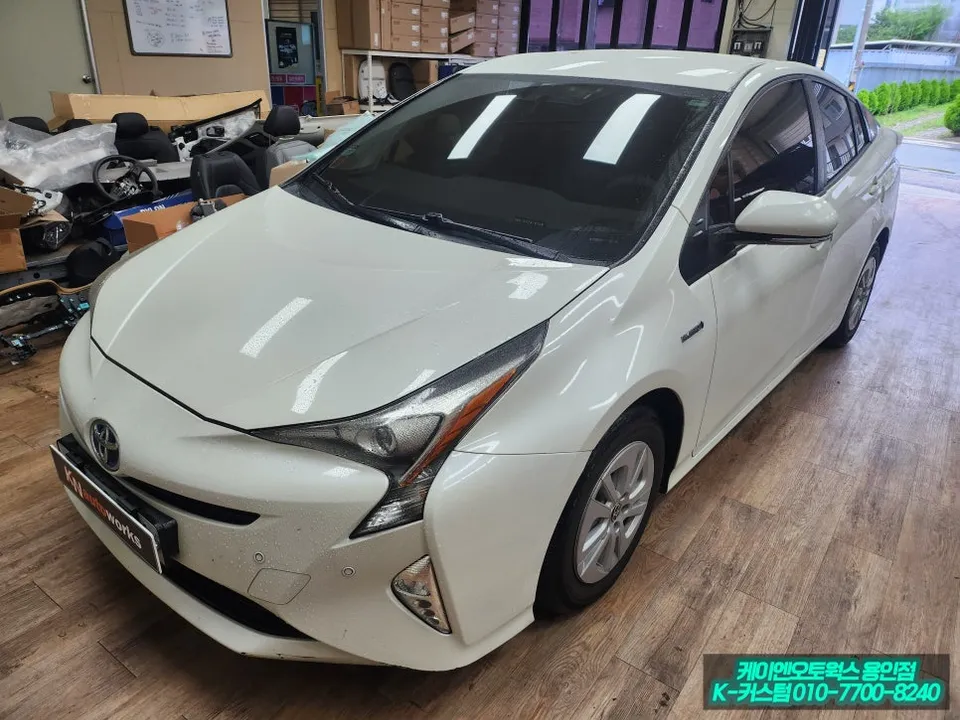
Toyota Prius ventilated seat upgrade: approx. $350-$650 USD. Enjoy a cooler, more comfortable ride with custom airflow control.
Beat the Heat: Ventilated Seats for Your Toyota Prius
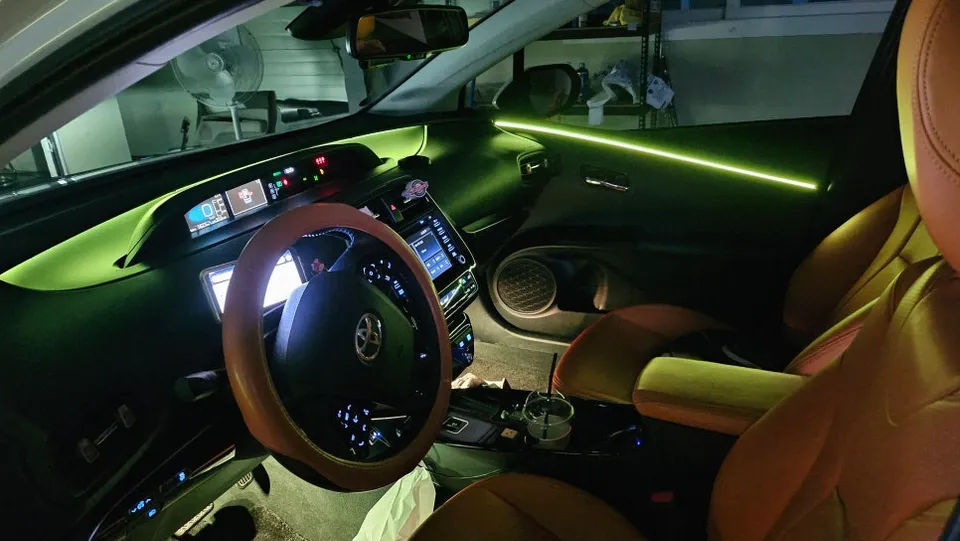
Toyota Prius owners know that summer heat can make even the most comfortable cabin feel like an oven. When interior temperatures soar, seat surfaces can become uncomfortably hot, especially in vehicles like the Prius that tend to absorb heat. This is where a seat ventilation upgrade becomes a game-changer, transforming your driving experience from sweaty and uncomfortable to cool and refreshing. This review details a real-world installation of aftermarket ventilated seats with a digital switch on a Toyota Prius, focusing on the process, benefits, and value.
Why Ventilated Seats Are a Summer Essential
The discomfort of a hot seat is more than just an annoyance; it can significantly impact your focus and overall driving pleasure. Ventilated seats combat this by circulating cool air through the seat cushion and backrest. This continuous airflow lowers the surface temperature, preventing sweat buildup and keeping you feeling fresh, even on the longest drives. For Prius drivers, particularly those who spend considerable time on the road, this upgrade offers a substantial boost in comfort and can even contribute to improved driver concentration and safety.
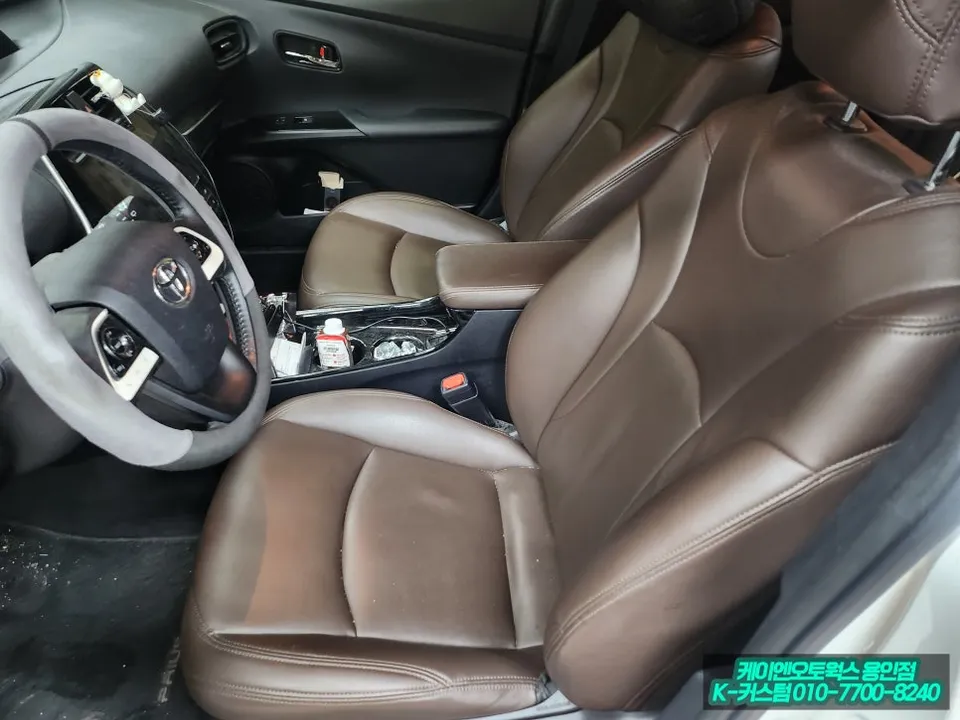
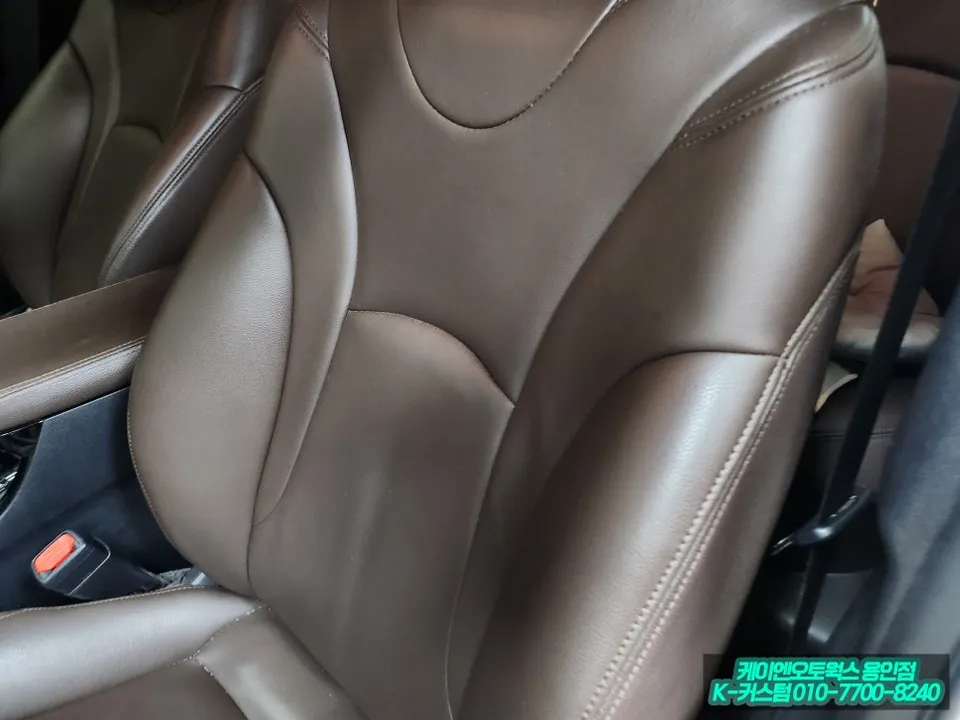
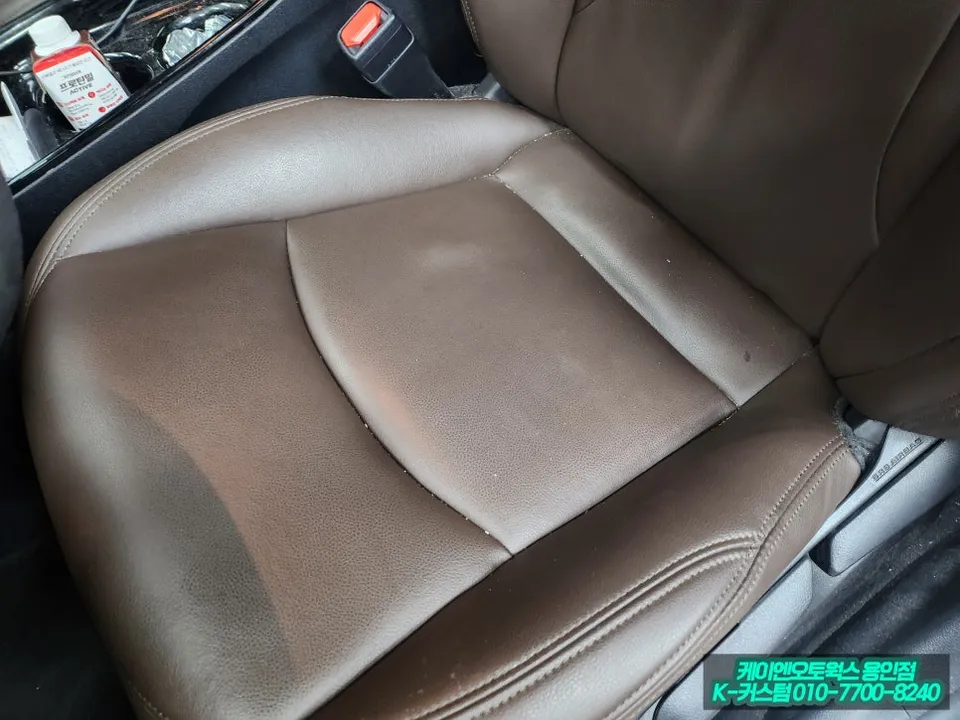
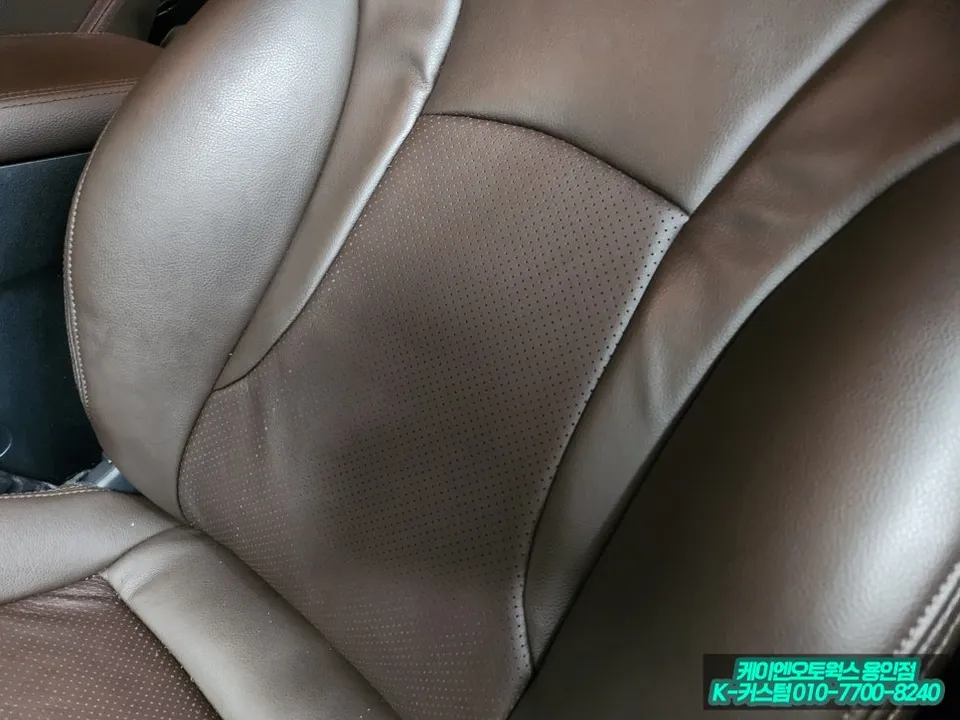
While factory-equipped ventilated seats are ideal, they often come with a premium price tag. For many, aftermarket ventilated seat installation offers a more budget-friendly yet highly effective solution. This particular installation focused on the driver's seat, the most frequently used position. To maximize the cooling effect, the original perforated leather seats were replaced with specialized perforated leather designed for optimal airflow. This combination ensures that the cool air generated by the system can effectively reach the driver.
The Installation Process: Precision and Expertise
Installing ventilated seats is a meticulous process requiring specialized knowledge and careful execution. The process typically begins with the complete removal of the driver's seat from the vehicle. Once removed, the seat is carefully disassembled. Specialized ventilation fans and blower units are then precisely mounted onto the seat frame. Crucially, channels are created within the seat's foam padding to ensure smooth and efficient air distribution. Optimizing these airflow pathways is key to the system's overall performance.
Following the internal component installation, the original seat cover is removed and replaced with a new, perforated leather cover designed to allow air to pass through evenly. Once all internal modifications and the new cover are in place, the seat is reassembled and securely reinstalled in the vehicle. The final stage involves connecting the wiring for the ventilation system and installing the aftermarket digital switch in an accessible location for the driver. This ensures both functionality and a clean, integrated look.
Aftermarket Digital Switch: Control and Convenience
A standout feature of this upgrade is the installation of an aftermarket digital switch. Positioned for easy access by the driver, this switch features an LED display that clearly indicates the fan speed. With four adjustable levels—high, medium, low, and off—drivers can easily customize their comfort level. This intuitive control system not only enhances usability but also complements the vehicle's interior aesthetics, providing a modern and integrated feel.
Cost and Time Investment for Your Prius Seat Climate Upgrade
The cost for installing ventilated seats in a Toyota Prius driver's seat, based on this Korean installation, typically ranges from approximately 500,000 to 900,000 Korean Won (roughly $350 to $650 USD, depending on exchange rates). This price can vary based on the quality of the ventilation system components, whether the seat material is upgraded to premium perforated leather, and the specific shop's pricing structure. Higher-end fans and more durable components, or the choice of premium leather, will naturally increase the overall cost. The installation process itself usually takes between 3 to 5 hours, depending on the complexity and any additional customizations.
Durability and Maintenance: Aftermarket ventilated seat systems are designed for longevity. With proper care, the fans and electrical components can last for many years. Basic maintenance involves keeping the seat interior clean and ensuring no debris obstructs the air vents. Regular vacuuming around the seat perforations helps maintain optimal airflow. While specific warranty details vary by installer, most reputable shops offer a warranty on parts and labor.
Frequently Asked Questions
Q. How much does ventilated seat installation cost for a Toyota Prius?
This installation cost approximately 500,000-900,000 KRW (around $350-$650 USD). Typical US installation costs for aftermarket ventilated seats can range from $400 to $1,000 depending on the vehicle and system chosen.
Q. How long does seat ventilation installation take on a Toyota Prius?
The installation process for ventilated seats typically takes between 3 to 5 hours. To ensure longevity, keep the seat interior clean and regularly vacuum around the perforations to maintain optimal airflow.
Q. Are aftermarket ventilated seats worth it for a Toyota Prius?
Yes, aftermarket ventilated seats are a worthwhile investment for Toyota Prius owners seeking enhanced comfort, especially in hot climates. They offer a significant improvement in driving experience for a fraction of the cost of factory options.
Q. How are ventilated seats installed in a Toyota Prius?
Installation involves removing the seat, disassembling it, mounting fans and blowers, creating airflow channels in the foam, replacing the seat cover with perforated leather, and wiring the system with an accessible digital switch.
Q. What is the difference between OEM and aftermarket ventilated seats for a Toyota Prius?
OEM ventilated seats are integrated from the factory, often with more seamless controls, while aftermarket systems offer a more customizable and budget-friendly solution. For most owners, aftermarket installation provides excellent value and performance comparable to OEM.
OhCar Partner Shop