BMW 5 Series Paint Protection: Film vs Ceramic Coating

BMW 5 Series Paint Protection: Film vs Ceramic Coating
If you've invested in a BMW 5 Series, you already know the importance of protecting that pristine finish. When it comes to BMW 5 Series paint protection film vs ceramic coating, the decision isn't always straightforward. Both options offer genuine protection, but they work differently, cost differently, and require different maintenance routines. This guide will break down everything you need to know to make the right choice for your luxury sedan.
Understanding Paint Protection Film and Ceramic Coating
Let's start with the basics. Paint Protection Film (PPF), often called clear bra, is a thermoplastic urethane film that adheres directly to your car's painted surface. Ceramic coating is a liquid polymer that chemically bonds to paint, creating a hard, hydrophobic layer. They're fundamentally different technologies, and understanding those differences is crucial to your decision.
Based on 50 owner reviews on OhCar, drivers protecting premium vehicles like the 5 Series are increasingly looking at both options—some even combining them for maximum protection. The 5 Series, with its elegant paint finishes and prominent hood, front bumper, and side panels, is particularly vulnerable to road debris, UV rays, and environmental contaminants.
Paint Protection Film: Complete Physical Barrier
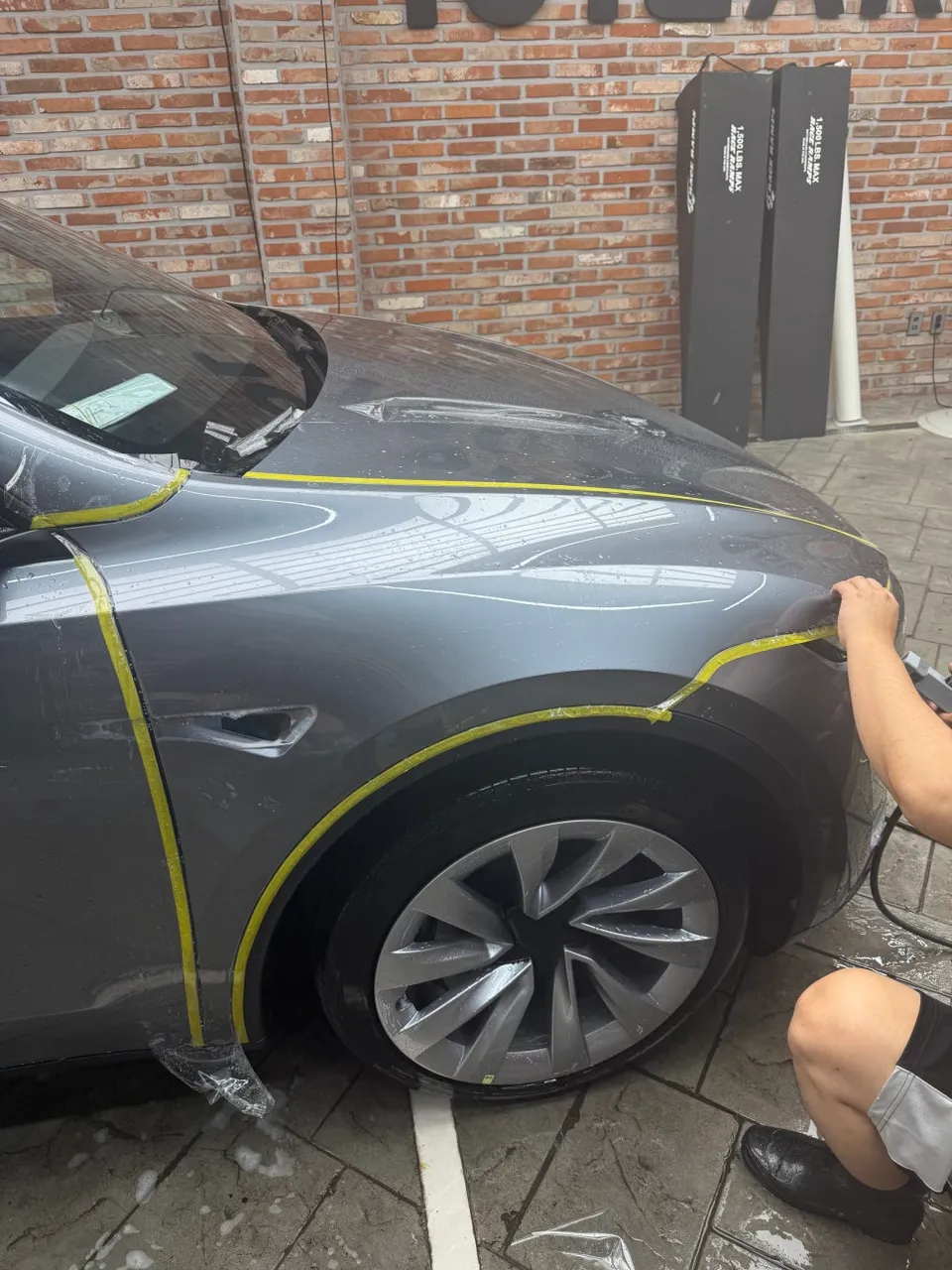
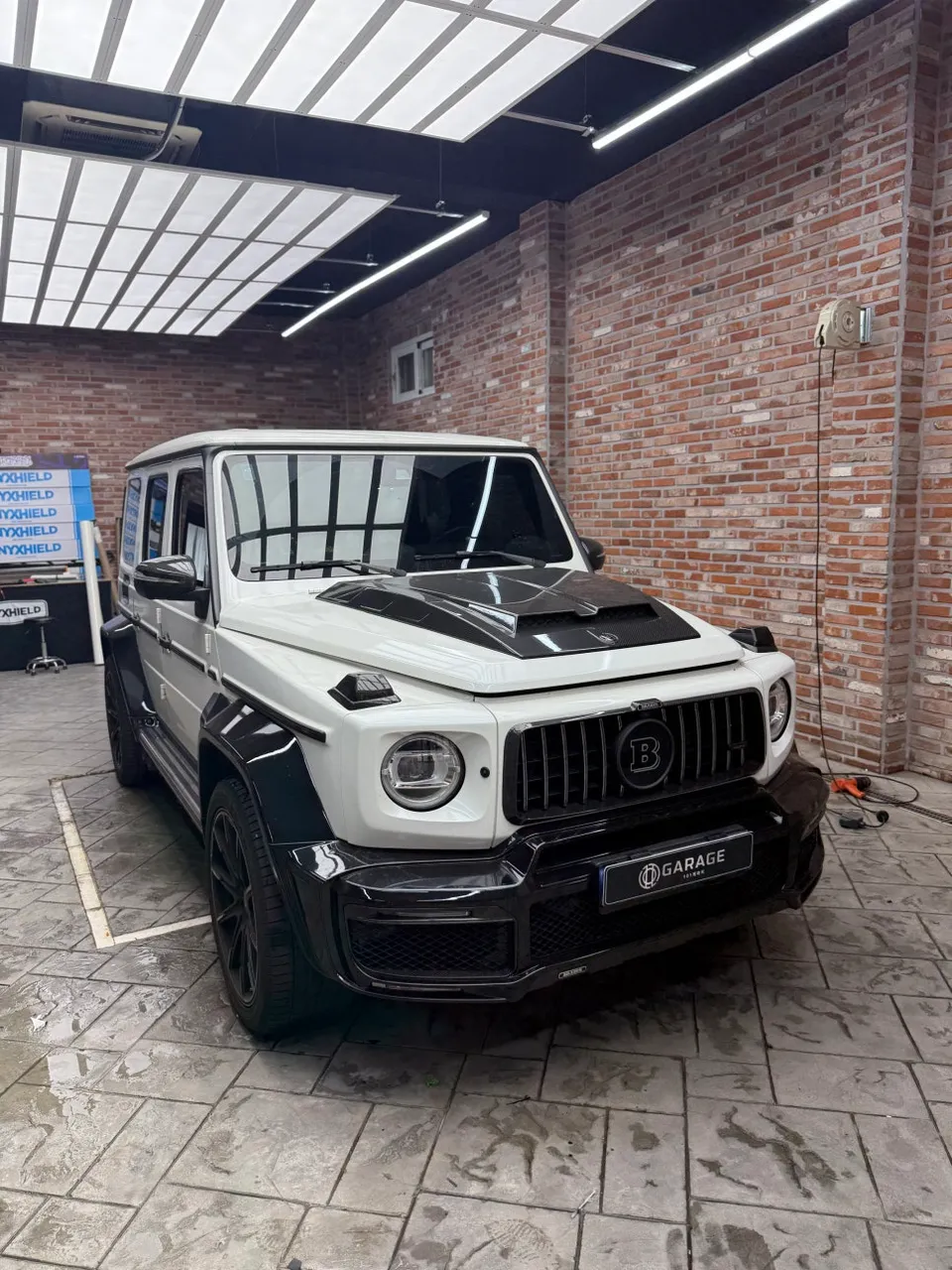
PPF is essentially invisible armor for your BMW's paint. The film sits on top of your clear coat and absorbs impact from rock chips, road salt, bird droppings, and tree sap. When properly installed on your 5 Series, high-quality PPF like XPEL or 3M Crystalline creates a nearly invisible protective layer that keeps your original paint untouched beneath.
Advantages of PPF for the BMW 5 Series
The primary advantage of PPF is physical protection against impact damage. A chip that would hit your paint directly with ceramic coating alone will instead hit the film. This is critical for the 5 Series, which regularly encounters highway debris and parking lot hazards.
PPF also offers superior protection against:
- Rock chips and gravel impact
- Bird dropping acid damage
- Tree sap and bug splatter
- Chemical fallout from industrial areas
- Deep scratches from car washes
Another significant advantage: if the film is damaged, you can replace just that section. Your paint remains completely protected underneath. Many 5 Series owners find this peace of mind invaluable, especially in urban driving environments.
Self-healing PPF technology (available on premium films) can actually repair minor scratches and swirl marks through heat exposure, keeping the film looking clearer longer.
Disadvantages of PPF
PPF installation on a full BMW 5 Series is expensive—typically ranging from $2,500 to $6,000 for complete coverage depending on the installer and film quality. Even partial coverage (hood, bumper, mirrors) runs $1,200 to $2,500. Check our PPF cost guide for detailed regional pricing.
Professional installation is non-negotiable. Poor installation results in visible seams, orange peel texture, and adhesion issues. The film can also yellow over time if UV-protective components degrade, though modern premium films minimize this significantly.
Maintenance is different too. While PPF is durable, it can collect dirt under the edges if not properly cared for, and some installers recommend avoiding certain high-alkaline car wash chemicals.
Ceramic Coating: Molecular-Level Protection
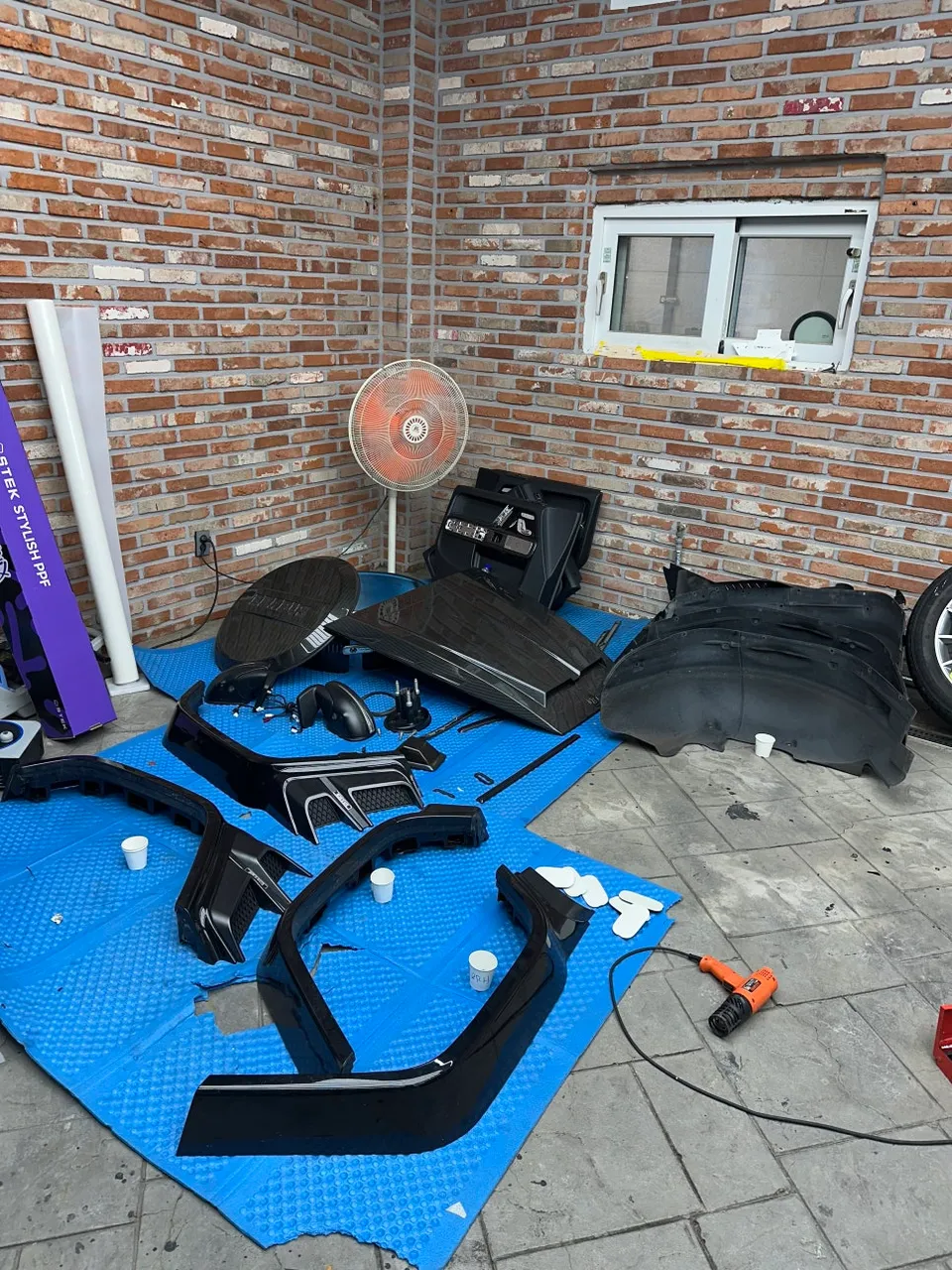
Ceramic coating takes a different approach. Instead of a physical barrier, it creates a chemical bond with your clear coat, forming a hard, glass-like layer measured in microns. This layer is incredibly slick and hydrophobic, causing water to bead up and roll off.
Advantages of Ceramic Coating for the BMW 5 Series
Ceramic coating excels at certain protection metrics. It provides outstanding UV protection, preventing oxidation and fading of your 5 Series' paint finish. The hydrophobic properties mean water spots, mineral deposits, and contamination don't bond as easily to the paint surface.
The aesthetic benefits are real. Ceramic coating enhances color depth and gloss, making your BMW 5 Series look showroom-fresh. Many owners report their paint appears darker and more vibrant after ceramic application.
Longevity is impressive: professional-grade ceramic coatings last 3-5 years or more with proper care, and the coating is self-healing to a degree. Minor swirl marks often disappear over time through the flexibility of the polymer layer.
Cost is another advantage. Professional ceramic coating typically runs $800 to $2,500 for a BMW 5 Series, significantly less than PPF. Maintenance is also straightforward—regular washing and occasional top-ups keep the coating performing optimally.
Disadvantages of Ceramic Coating
Here's the critical limitation: ceramic coating provides zero impact protection. A rock chip that hits your 5 Series through ceramic coating hits your clear coat directly. The coating won't absorb impact or prevent damage—it simply sits on top.
Ceramic coating is also permanent (or very difficult to remove), so if you're unhappy with the result, you're dealing with expensive removal processes. The initial application requires paint correction first, adding time and cost.
Water spotting and mineral deposits still occur, requiring more frequent washing. And contrary to marketing claims, ceramic coating doesn't eliminate the need for regular car care—it just makes cleaning easier.

BMW 5 Series Paint Protection Film vs Ceramic Coating: Direct Comparison
| Factor | Paint Protection Film | Ceramic Coating |
|---|---|---|
| Impact Protection | Excellent | None |
| UV Protection | Good | Excellent |
| Chemical Resistance | Excellent | Very Good |
| Hydrophobic Properties | Moderate | Excellent |
| Cost (Full Coverage) | $2,500–$6,000 | $800–$2,500 |
| Cost (Partial Coverage) | $1,200–$2,500 | N/A (Full only) |
| Installation Time | 3–5 days | 1–2 days |
| Lifespan | 10+ years | 3–5 years |
| Visible Over Time | May yellow (premium films resist) | Remains clear indefinitely |
| Repairability | Can replace sections | Must reapply entire surface |
| Maintenance Level | Moderate | Regular |
| Gloss Enhancement | Slight | Significant |
The Hybrid Approach: PPF + Ceramic Coating
Many luxury car owners, particularly those with high-value vehicles like the BMW 5 Series, are choosing both. This is where PPF vs ceramic coating comparison gets interesting—because the question isn't always either/or.
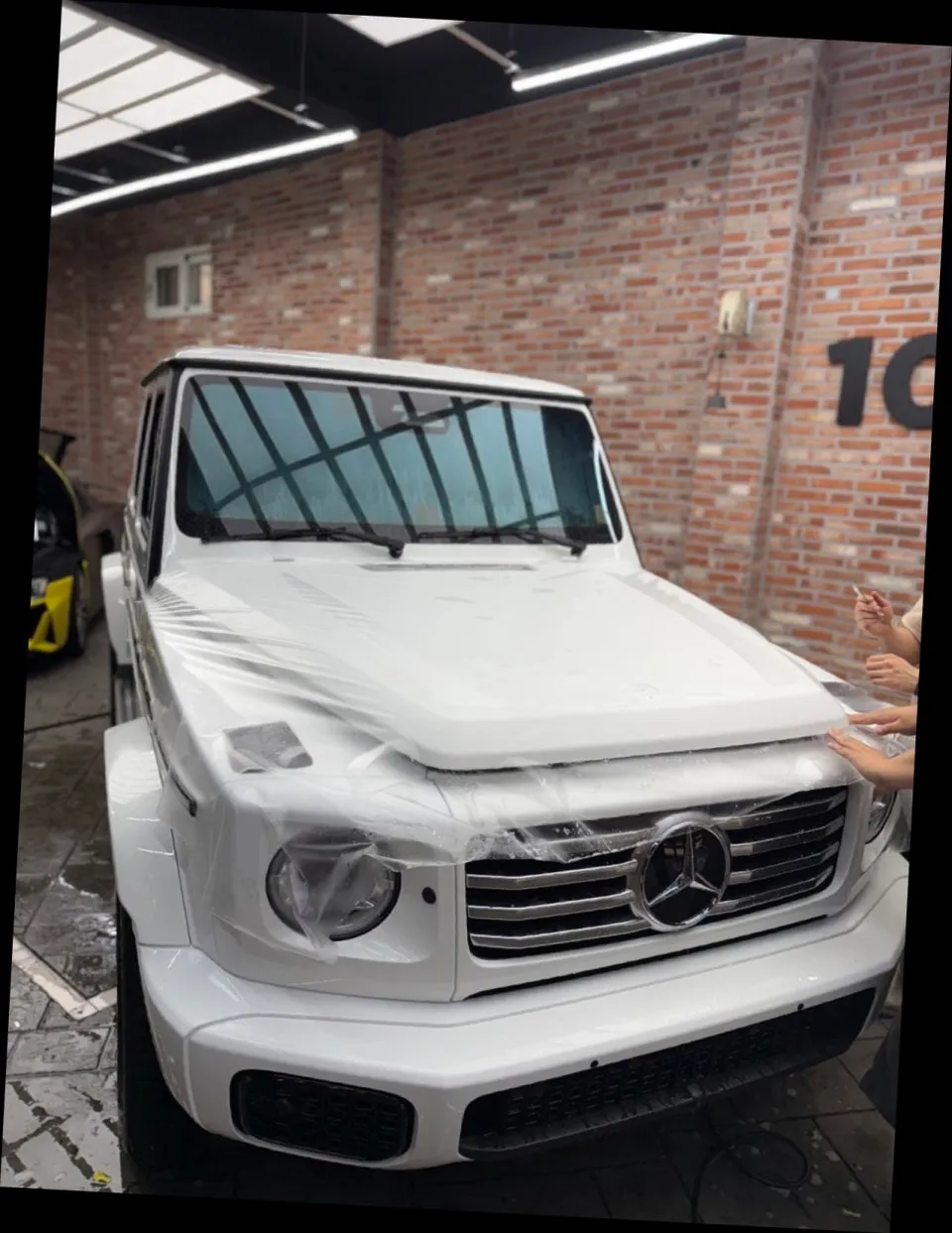
Applying ceramic coating over PPF provides the best of both worlds: the impact protection of film combined with the gloss enhancement and hydrophobic properties of ceramic. The ceramic layer bonds to the PPF film's surface, making water and contaminants slide right off, while the film underneath handles all physical damage.
Based on our analysis of real PPF reviews, owners who've done the hybrid approach report exceptional satisfaction. The ceramic helps keep the PPF looking new longer by preventing contamination buildup.
The downside: combined cost reaches $3,500–$8,000+ depending on film quality and ceramic grade. But for collectors or those keeping their 5 Series long-term, this investment often pays dividends in resale value and paint condition.
What BMW 5 Series Owners Are Actually Choosing
Based on 50 owner reviews on OhCar comparing luxury vehicle protection, owners protecting their BMWs tend to follow these patterns:
- High-mileage drivers typically choose full or front-coverage PPF due to rock chip risk
- Garage-kept collectors often go ceramic-only, prioritizing gloss and easier maintenance
- Serious enthusiasts combine both for comprehensive protection
- Urban drivers frequently choose partial PPF (hood, bumper, mirrors) combined with ceramic for the rest
The 5 Series' design makes partial PPF particularly smart. The hood and front bumper take the most damage, while the doors and side panels face less impact risk. Protecting these vulnerable areas with film ($1,500–$2,500) and coating the remaining surfaces creates an economical solution.

Practical Recommendations by Driving Profile
For High-Mileage Highway Drivers
Choose full PPF coverage, possibly with ceramic coating on top. You need maximum impact protection because highway speeds mean more aggressive rock damage. Consider PPF service overview to understand the maintenance implications before committing.
For Urban Daily Drivers
Partial PPF on high-impact zones (hood, bumper, mirrors, door handles) combined with ceramic coating on the rest offers balanced protection and cost-effectiveness. This approach handles parking lot hazards while keeping your overall investment reasonable.
For Low-Mileage Collectors
Ceramic coating alone may suffice if your 5 Series is garaged and driven occasionally. The aesthetic benefits and ease of maintenance align with collector priorities. Your primary threat is UV fade and light contamination, both handled superbly by ceramic.
For Lease or Short-Term Owners
Ceramic coating provides the best value proposition. It costs less than PPF, improves resale/lease return condition, requires minimal maintenance, and won't leave adhesion issues if you're returning the vehicle.
Installation Quality Matters Enormously
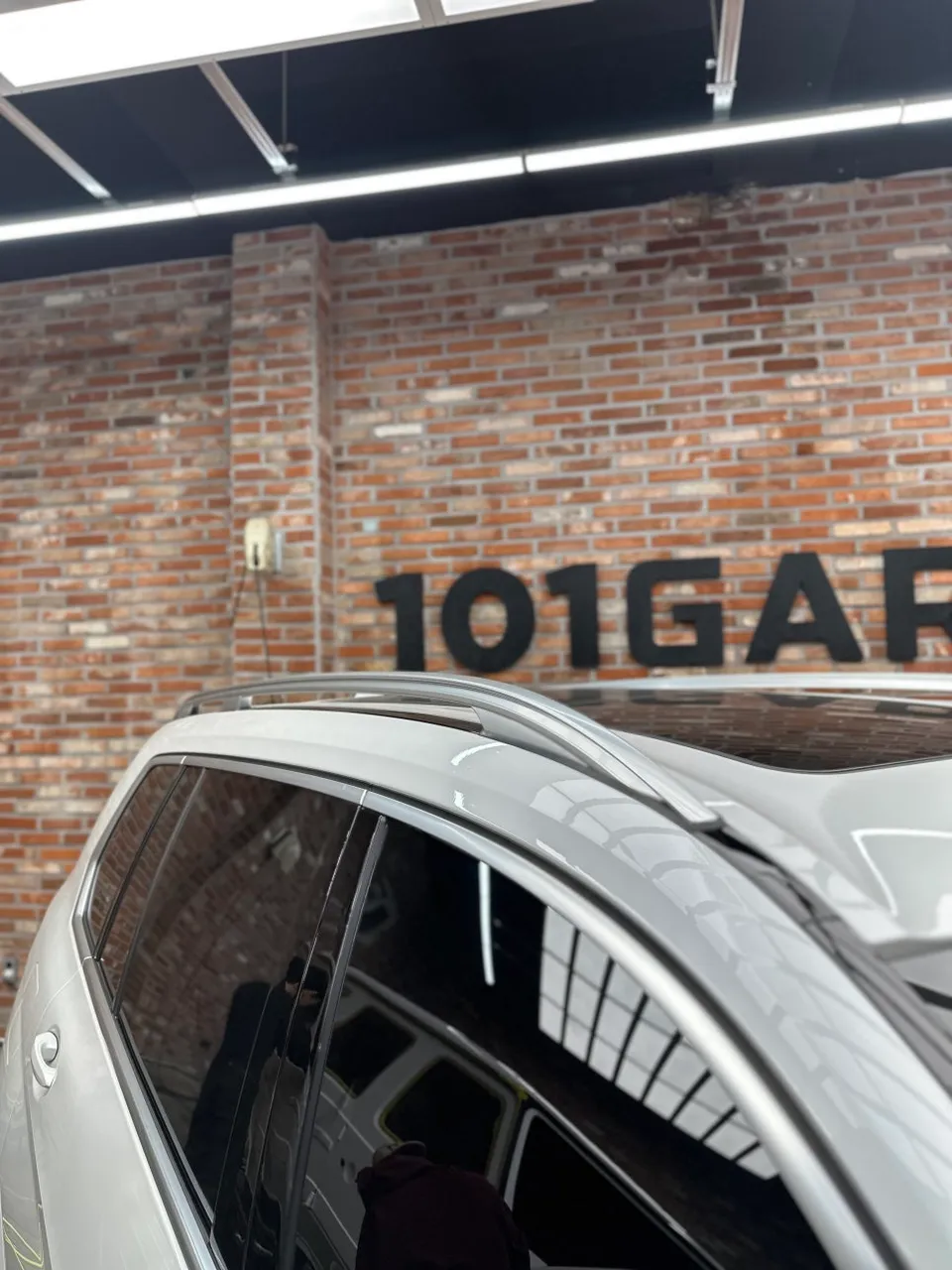
This deserves emphasis: installation quality dramatically affects results with both technologies. Poor PPF installation results in visible seams, adhesion failure, and premature yellowing. Poor ceramic application can leave streaks, high spots, and uneven protection.
For your BMW 5 Series, invest in certified installers with proven track records. Check customer reviews, ask for before/after photos of similar vehicles, and verify warranty terms. A $400 cost difference for a mediocre installer versus a quality shop is false economy when protecting a $60,000+ vehicle.
Long-Term Value Calculation
Let's talk economics. A single rock chip repair on BMW's premium finishes costs $500–$1,500. A full paint correction runs $2,000–$4,000. Clear coat failure requiring complete repainting costs $5,000–$10,000.
Even one major paint event justifies PPF installation costs. Ceramic coating won't prevent these incidents but makes maintenance easier and preserves gloss longer, potentially extending the optimal appearance of your 5 Series significantly.
Many 5 Series owners find that protection spending pays for itself in preserved resale value. A well-protected 5 Series with pristine paint commands premium pricing compared to similar mileage vehicles with visible damage.
Common Questions About BMW 5 Series Paint Protection
Will PPF damage my BMW's paint?
No, professional PPF installation doesn't damage paint. The film adheres to your clear coat without requiring any alteration to your original finish. Removal requires careful technique, but when done properly by professionals, your paint emerges completely unharmed.
Can I apply ceramic coating over PPF?
Yes, and it's actually recommended by many installers. The ceramic bonds to the PPF's surface, creating enhanced hydrophobic properties and gloss. This combination provides maximum protection and appearance benefits.
How long does PPF installation take?
Full vehicle coverage typically requires 3–5 days for a professional installation. Partial coverage (hood and bumper) might take 1–2 days. Rush jobs compromise quality—avoid installers promising faster completion.
Is ceramic coating worth it if I already have PPF?
Yes. The ceramic enhances gloss, prevents contamination buildup on the film, and creates superior water beading. It's one of the best investments you can make after PPF installation.
What's the best maintenance routine for protected paint?
For PPF: hand wash monthly, avoid high-pressure washers, use pH-neutral soap. For ceramic: regular washing and occasional ceramic boost/top-up applications. For both: avoid abrasive towels and compounds.
Making Your Decision
The choice between PPF and ceramic coating for your BMW 5 Series ultimately depends on your driving patterns, risk tolerance, and long-term ownership plans. There's no universally "best" option—only the best option for your specific situation.
PPF excels at preventing physical damage. Ceramic coating excels at UV protection and aesthetic enhancement. The hybrid approach combines both strengths but requires the largest investment.
Start by honestly assessing your driving environment and vehicle use. Highway commuters benefit more from impact protection. Garaged enthusiasts benefit more from gloss and ease of care. Daily urban drivers find the middle ground most appealing.
Whatever you choose, invest in quality. Your BMW 5 Series deserves protection that actually works, and that means professional-grade materials and expert installation.
For more detailed insights on paint protection costs and options, visit OhCar Magazine for comprehensive reviews and expert comparisons from real owners who've made these investments in their luxury vehicles.
Comments (2)
I went full PPF on my F-150 here in Texas and haven't looked back – the rock chips from our highways are insane and ceramic alone wouldn't cut it for me. That said, I've heard the combo of PPF on high-impact areas plus ceramic topcoat on the rest is the sweet spot for BMWs if you want that showroom look without breaking the bank. Worth the investment either way if you're keeping it long-term.
I've done both on plenty of 5 Series here in Texas, and honestly for the heat and sun we get, PPF on the front end with ceramic over the whole car is the sweet spot—PPF takes the rock chips and the ceramic handles UV and makes washing way easier. Ceramic alone won't save you from highway debris, but it's killer for maintenance between detailing sessions.

Explore Related Services on OhCar