BMW 5 Series Paint Correction vs. Polish: What's the Difference?
As a proud owner of a BMW 5 Series, you understand the importance of maintaining its pristine appearance. But when it comes to addressing swirl marks, scratches, and dullness, the terms paint correction and polish often get used interchangeably. This can lead to confusion, especially when you're looking to restore that showroom shine. Today, we're diving deep into the BMW 5 Series paint correction vs polish difference to clarify exactly what each process entails and when you might need one over the other.

Understanding the Basics: What is Paint Correction?
At its core, paint correction is a comprehensive process aimed at removing or significantly reducing surface imperfections from your vehicle's paintwork. Think of it as a multi-stage restoration for your car's clear coat. It's not just about making the paint look shinier; it's about physically removing the damaged layers of the clear coat to reveal a smoother, more reflective surface underneath.
The Layers of Your Car's Paint
Before we go further, let's quickly touch on your car's paint structure. Typically, it consists of several layers:
- Primer: The base layer that adheres to the metal.
- Base Coat: This is the color layer.
- Clear Coat: The transparent protective layer on top. This is what we work with during paint correction and polishing. It's designed to protect the color coat from UV rays, oxidation, and minor abrasions.
When we talk about paint correction, we are primarily focusing on the clear coat. The goal is to level out the microscopic peaks and valleys caused by damage, allowing light to reflect more uniformly, which translates to a deeper gloss and clarity.

What is Polishing?
Polishing is a crucial step within the broader paint correction process. It involves using abrasive compounds or polishes to remove light imperfections and enhance gloss. A polish contains very fine abrasives that gently abrade the surface of the clear coat, smoothing out minor scratches and swirl marks.
Think of it this way: polishing is a tool, and paint correction is the overall job. You can't effectively perform paint correction without polishing, but polishing alone might not be enough for severe damage.
Types of Polishes
Polishes come in various levels of abrasiveness, often categorized as:
- Compounds: More aggressive, used for heavier defects like deep scratches and oxidation.
- Polishes: Medium abrasiveness, ideal for removing moderate swirl marks and enhancing gloss.
- Finishing Polishes: Very fine abrasives, used to refine the finish after compounding or polishing and to achieve maximum gloss.
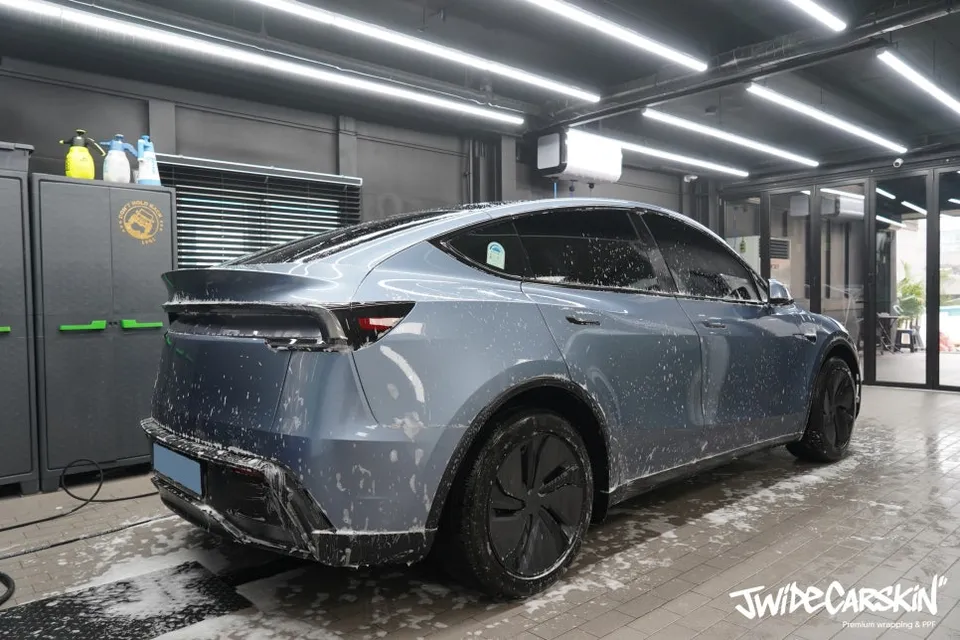
BMW 5 Series Paint Correction vs Polish Difference: The Key Distinctions
Now, let's get to the heart of the matter: the BMW 5 Series paint correction vs polish difference. While polishing is a component of paint correction, paint correction encompasses a more thorough and often multi-stage approach to restoring paintwork.
Paint Correction: The Comprehensive Restoration
Paint correction is the umbrella term for the entire process of removing paint defects. It typically involves:
- Washing and Decontamination: Thoroughly cleaning the car to remove dirt, grime, and bonded contaminants (like tar, iron fallout, and industrial fallout). This is crucial to prevent scratching during the correction process.
- Paint Depth Measurement: Using a paint depth gauge to ensure there's enough clear coat to safely remove material.
- Inspection: Carefully inspecting the paint under proper lighting to identify all defects (swirls, scratches, oxidation, water spots, etc.).
- Multi-Stage Polishing: This is where the difference becomes most apparent. A true paint correction often involves at least two stages of polishing:
- Cutting Stage: Using a more aggressive compound and a coarser pad to remove deeper scratches and defects.
- Polishing Stage: Following up with a finer polish and a less aggressive pad to remove the haze left by the cutting stage and refine the finish.
- Finishing (Optional but Recommended): Sometimes, a final finishing polish is used to maximize gloss and clarity.
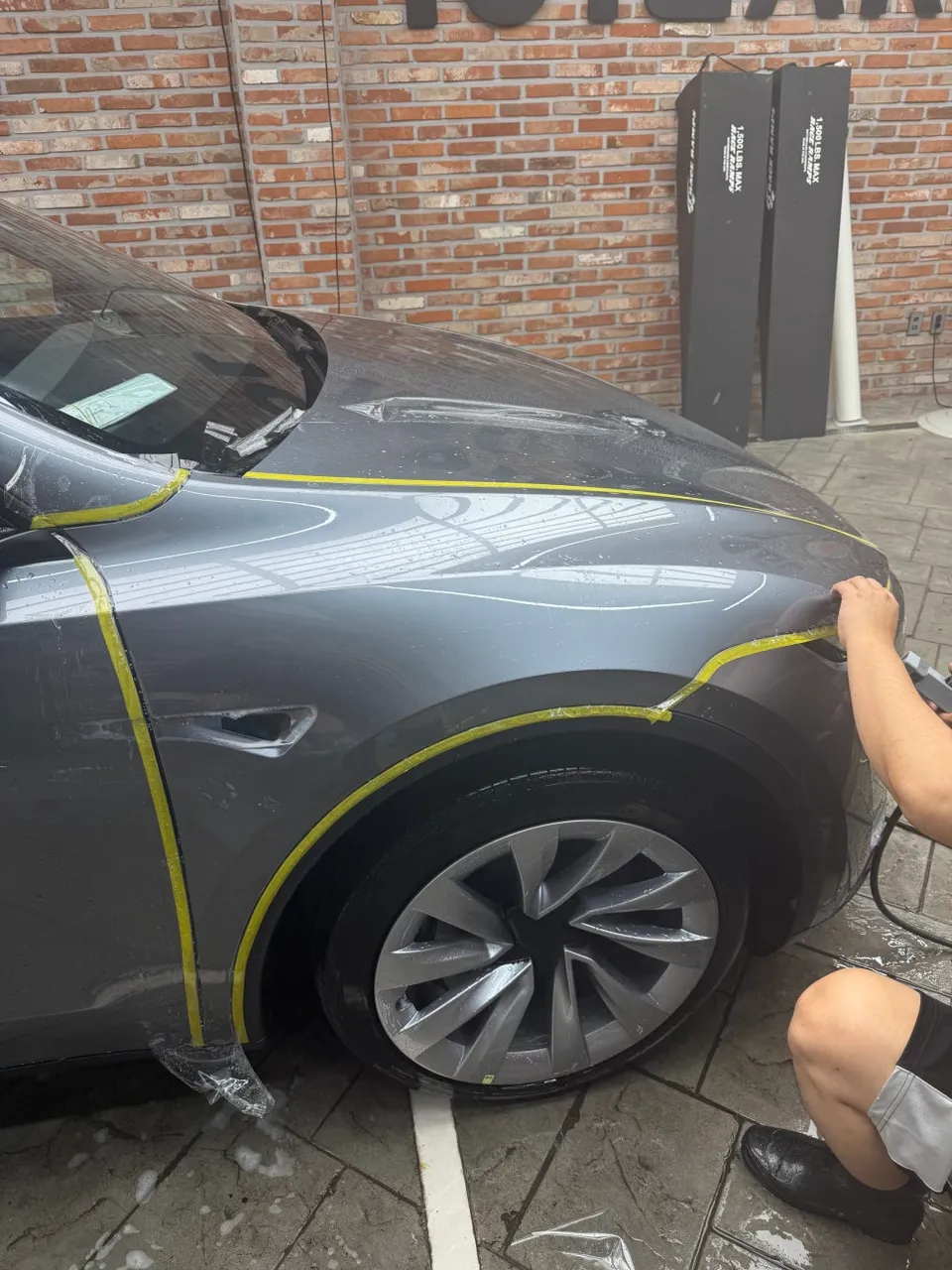
- Protection: After correction, the paint is highly receptive to protection. This could be a high-quality wax, sealant, or a ceramic coating. Many owners opt for PPF vs Ceramic Coating to safeguard their investment.
Paint correction aims to remove defects by physically abrading the clear coat. The depth of correction depends on the severity of the damage and the amount of clear coat available.
Polishing: The Gloss Enhancer
Polishing, when referred to as a standalone service, usually implies a single-stage process. This is typically done to:
- Remove light swirl marks and minor scratches.
- Enhance gloss and clarity.
- Prepare the paint for a wax or sealant application.
A single-stage polish uses a polish with a moderate level of abrasiveness to achieve these goals. It's effective for cars with relatively minor imperfections or for routine maintenance between more intensive correction services.
When Do You Need Paint Correction vs. Just a Polish?
The decision between a full paint correction and a single-stage polish for your BMW 5 Series depends entirely on the condition of your paintwork.
Signs You Need Full Paint Correction:
- Deep Scratches: Scratches that you can feel with your fingernail.
- Heavy Swirl Marks: A spiderweb pattern of fine scratches, especially noticeable in direct sunlight.
- Oxidation: A dull, chalky appearance, often on older vehicles or those exposed to harsh elements.
- Water Spots: Etching left behind by hard water that has dried on the paint.
- Hazing: A general lack of clarity and depth in the paint.
- Previous Poor Washing/Detailing: Evidence of machine or hand washing that has introduced significant marring.

Signs a Single-Stage Polish Might Suffice:
- Light Swirl Marks: Very fine scratches that are only visible under direct light.
- Minor Marring: Light surface imperfections from improper drying or washing.
- Dullness: A general lack of shine that isn't due to oxidation.
- Enhancing Gloss Before a Show or Sale: A quick way to boost the paint's appearance.
The BMW 5 Series Experience: Detailing & Correction Reviews
At OhCar, we've seen a wide range of vehicles, including many BMWs, undergo various detailing processes. Based on 50 owner reviews on OhCar, we've gathered insights into the effectiveness and satisfaction levels of different services. While specific BMW 5 Series paint correction vs polish difference reviews are numerous, the general sentiment is that a full correction provides a transformative result for vehicles with noticeable paint defects. For less severe issues, a quality polish can bring back a significant amount of shine and clarity.
For instance, our paint correction reviews section often highlights the dramatic improvements seen on luxury sedans like the BMW 5 Series. Owners consistently report a renewed sense of pride in their vehicle's appearance after a professional paint correction.
Cost Considerations: Paint Correction vs. Polish
The cost is a significant factor when deciding between these services. As you might expect, a comprehensive paint correction is more labor-intensive and therefore more expensive than a single-stage polish.
Single-Stage Polish Costs:
- Typical Range: $200 - $500 USD
- This usually includes a wash, clay bar treatment, and one step of polishing.
Multi-Stage Paint Correction Costs:
- Typical Range: $600 - $1,500+ USD
- This accounts for the extra time, multiple polishing stages, and the skill required to safely remove deeper defects. The price can increase significantly for larger vehicles or those with extensive damage.
It's important to note that these are general estimates. For a more detailed breakdown, you can check out our paint correction cost guide.
| Feature | Single-Stage Polish | Multi-Stage Paint Correction |
|---|---|---|
| Primary Goal | Enhance gloss, remove light swirls | Remove deep scratches, heavy swirls, oxidation |
| Process | 1-2 steps (polish) | 2-3+ steps (compound, polish, finishing polish) |
| Defect Removal | Light to moderate | Light to severe |
| Time Required | 3-6 hours | 8-24+ hours |
| Cost | Lower ($200-$500) | Higher ($600-$1500+) |

DIY vs. Professional: Who Should Perform the Work?
While both polishing and paint correction can be attempted as DIY projects, the level of skill and equipment required for effective paint correction is significantly higher.
DIY Polishing:
A single-stage polish can be a rewarding DIY project for enthusiasts with some experience. You'll need a dual-action (DA) polisher, a selection of polishes, and appropriate pads. Patience and proper technique are key to avoiding further damage.
Professional Paint Correction:
For a true multi-stage paint correction, especially on a valuable vehicle like a BMW 5 Series, we highly recommend professional services. Professionals have:
- Extensive experience with various paint types and brands.
- High-quality, professional-grade equipment.
- The ability to accurately assess paint depth and tailor the correction process.
- A controlled environment (like a detailing bay) to ensure optimal results.
Mistakes during paint correction, such as burning through the clear coat or creating more scratches, can be costly and sometimes irreversible. This is why many owners trust the experts, as seen in numerous paint correction reviews on platforms like OhCar.
Conclusion: Protecting Your BMW 5 Series' Investment
Understanding the BMW 5 Series paint correction vs polish difference is crucial for making informed decisions about your car's care. While polishing is a vital step in achieving a glossy finish, paint correction is a more intensive restoration process designed to remove significant paint defects. For a BMW 5 Series, which is often a significant investment, investing in proper paint care is essential for maintaining its aesthetic appeal and resale value.
Whether you opt for a single-stage polish for light enhancement or a full multi-stage paint correction for deep restoration, always ensure the work is performed by a skilled professional or with the utmost care if you're tackling it yourself. Regular washing, proper drying techniques, and applying a quality protective coating (like ceramic coating or PPF) will help maintain the results of your chosen paint treatment for longer.
For more insights into automotive detailing and protection, explore the OhCar Magazine and our comprehensive guides.
Comments (3)
Great breakdown! I've had both done on my own cars, and honestly, a good paint correction before a ceramic coating makes a world of difference. You really see the depth and gloss pop after that initial correction.
Man, I love getting PPF on my F-150, keeps it lookin' sharp out here in Texas. This article's got me thinkin' about what kind of shine I'm really getting though.
Honestly, I'm not sure I'd ever pay for that on my Tahoe, but it's pretty cool to see the difference it makes on a fancy car like a BMW. My paint's seen enough love bugs and sand to last a lifetime down here in Florida.


Explore Related Services on OhCar