BMW X5 Spring Paint Correction Before Ceramic Coating: The Ultimate Guide
As the harsh winter recedes and the promise of warmer days arrives, many BMW X5 owners start thinking about refreshing their beloved SUVs. Spring is the perfect time to give your vehicle some much-needed attention, and for those considering a long-term investment in protection and shine, a BMW X5 spring paint correction before ceramic coating is an absolute must. This comprehensive process not only revitalizes your paintwork but also prepares it perfectly for the unparalleled protection and gloss that a ceramic coating offers. At OhCar Magazine, we're here to guide you through every step, ensuring your X5 looks its absolute best and stays that way.
Why Spring is the Ideal Time for BMW X5 Paint Correction and Ceramic Coating
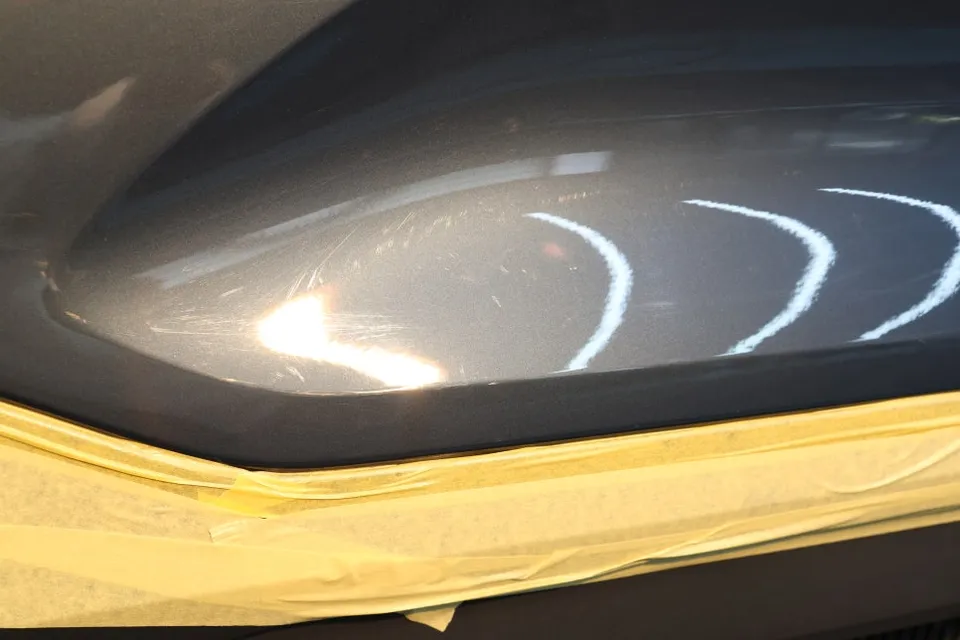
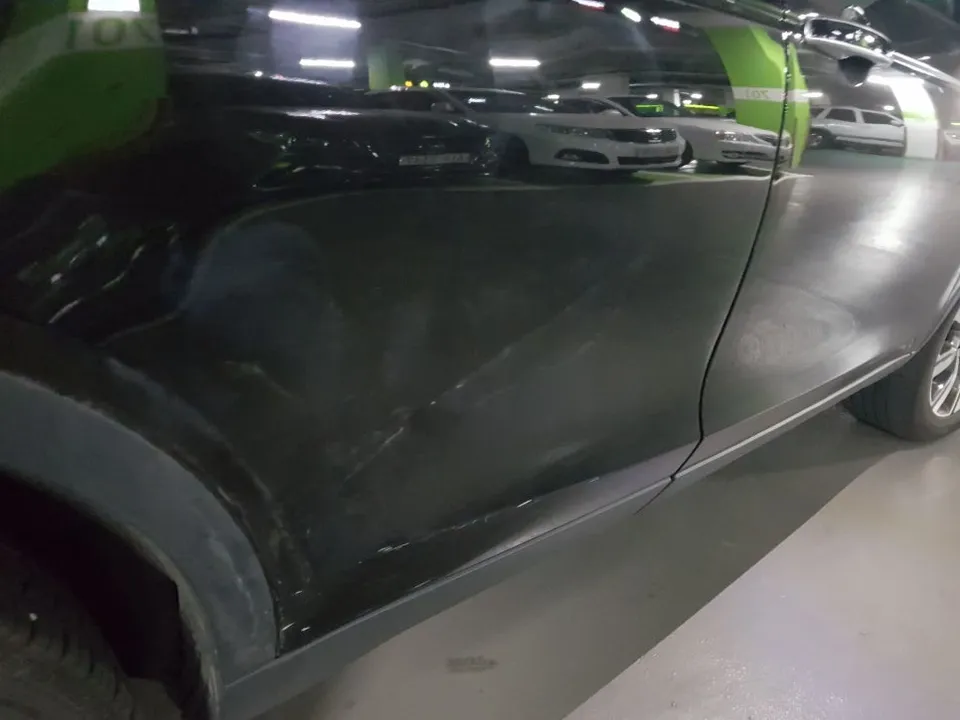
Winter can be brutal on automotive paint. Road salt, de-icing chemicals, ice, snow, and even the grit used to improve traction can leave behind a trail of microscopic damage. Swirl marks, light scratches, water spots, and etching become more prevalent after months of harsh weather. These imperfections not only detract from the aesthetic appeal of your BMW X5 but also create vulnerabilities in the clear coat, making it more susceptible to further damage and hindering the bonding of protective coatings.
Spring, with its milder temperatures and drier conditions, offers the ideal environment for paint correction and ceramic coating application. The warmer weather allows for proper curing of the coating, and the lack of extreme cold or precipitation minimizes the risk of contamination during the process. It’s the perfect opportunity to undo the damage of winter and prepare your X5 for a season of pristine looks and effortless maintenance. For a deeper dive into the costs associated with these services, our ceramic coating cost guide provides valuable insights.
The Winter's Toll on Your BMW X5's Paint
Let's break down how winter impacts your X5's paint:
- Road Salt and Chemicals: These are highly corrosive and can etch into the clear coat, leaving permanent marks if not removed promptly.
- Ice and Snow: While seemingly harmless, ice scraping and snow removal can introduce fine scratches.
- Grit and Debris: The abrasive materials used on roads can cause micro-scratches and dull the paint's finish.
- Temperature Fluctuations: Rapid changes in temperature can stress the paint, potentially leading to micro-cracking over time.
Ignoring these issues means that any protective layer, including a ceramic coating, won't perform optimally. The imperfections will remain visible beneath the coating, and the coating itself might not adhere as effectively, compromising its longevity and protective capabilities.