Ceramic Tint vs Regular Tint: Is the Premium Upgrade Worth Your Money?
Ceramic Tint vs Regular Tint — Is the Upgrade Worth It?
When it comes to protecting your vehicle's interior and enhancing privacy, the choice between ceramic tint vs regular window tint has become increasingly important for car owners. Both options offer distinct advantages, but they come with different price points, durability profiles, and performance characteristics. Based on 50 owner reviews analyzed on OhCar, we've seen luxury car owners from Mercedes-Benz, BMW, and Porsche making this decision regularly, often choosing ceramic tinting for high-end vehicles. Let's break down what separates these two popular window tinting solutions and help you determine whether the ceramic upgrade is truly worth your investment.
Understanding Ceramic Tint vs Regular Tint: The Basics
Before diving into the comparison, it's important to understand what each option actually is. Regular window tint, also called dyed or hybrid tint, uses organic dyes suspended in a polymer layer. It's been the standard in the automotive industry for decades and remains the most affordable option for car owners looking for basic sun protection and privacy.
Ceramic window tint, by contrast, uses advanced nanotechnology. Instead of dyes, ceramic tint is embedded with non-conductive ceramic particles that provide superior heat rejection and UV protection. These microscopic particles are completely invisible to the naked eye yet deliver performance characteristics that far exceed traditional dyed films.
The fundamental difference comes down to materials science. Regular tint relies on color absorption to reduce light transmission, while ceramic tint uses advanced particle technology to reflect and dissipate heat without adding darkness to your windows.
Ceramic Tint vs Regular Tint: Heat Rejection Performance
One of the most significant differences between these two options is their ability to reject heat. This is where ceramic tinting truly shines—literally.
Regular tint heat rejection: Dyed window film typically blocks 40-50% of solar heat. This provides noticeable improvement over untinted windows, but it's still limited by the basic dye absorption method. On hot days, you'll feel the difference inside your vehicle compared to no tint, but you might still need air conditioning working overtime during peak summer heat.
Ceramic tint heat rejection: High-quality ceramic films can reject 50-80% of solar heat, depending on the specific product and darkness level. Premium ceramic options often exceed 70% heat rejection, which translates to measurably cooler interiors and reduced air conditioning strain. Owners of Hyundai and Kia models reported that ceramic tinting on their 2024 Santa Fe and Sorento models provided noticeably faster interior cooling compared to vehicles with standard tint.
The practical impact: a vehicle with ceramic tint will cool down faster, maintain cooler temperatures while parked, and require less air conditioning effort during driving—all of which improve fuel efficiency and driving comfort.
UV Protection: A Critical Health Consideration
Both ceramic and regular tint provide UV protection, but the level of protection differs significantly.
Regular tint UV protection: Quality dyed films block approximately 99% of UVA and UVB rays. This is excellent protection and meets safety standards for automotive use. You're protected from the sun's harmful radiation with regular tint, which is important for long-term skin health and interior fading prevention.
Ceramic tint UV protection: Ceramic films also block 99% of UV rays, so in terms of pure UV blocking, both options are essentially equal. However, ceramic tint's superior heat rejection means less overall solar energy enters your vehicle, providing additional cumulative protection through reduced thermal stress on your skin and interior materials.
The advantage here is modest but real: ceramic tint provides equivalent UV protection while also reducing the overall thermal load, which means your skin experiences less heat stress even if UV percentages are identical.
Color Stability and Fading: Long-Term Durability
This is where ceramic tint demonstrates clear superiority over regular tint, especially if you live in a sunny climate.
| Characteristic | Regular Dyed Tint | Ceramic Tint |
|---|---|---|
| Color Stability | Fades over 3-5 years in harsh sunlight | Maintains color for 10+ years |
| Purple Haze | Common after 2-3 years | Extremely rare, minimal oxidation |
| Adhesive Breakdown | Can deteriorate in 5-7 years | Remains stable for 10+ years |
| Typical Lifespan | 4-6 years before noticeable degradation | 10-15 years with proper care |
Regular tint limitations: Dyed films are susceptible to fading, particularly in intense sun exposure. Over time, you'll notice the tint taking on a purple or brownish hue—this is called "purple haze" and occurs as UV radiation breaks down the organic dyes. The adhesive can also break down, leading to bubbling and peeling at the edges. Most regular tint requires replacement after 4-6 years in sunny climates.
Ceramic tint advantages: Because ceramic tint uses inorganic particles rather than dyes, it doesn't fade. The color remains consistent throughout the film's lifespan. The adhesive technology is also more advanced, resisting degradation far better than regular tint. You can expect ceramic tint to maintain its appearance for 10-15 years, making it a long-term investment that pays for itself through durability alone.
Clarity and Visibility: Visual Quality Comparison
Both regular and ceramic tint come in various darkness levels (measured as Visible Light Transmission or VLT percentage), so clarity depends partly on the darkness you choose. However, the film quality itself affects how well you can see through it.
Regular tint: Quality dyed films offer good clarity, though some users report slight color cast depending on the dye formulation. The view through dyed tint is generally clear, but less premium regular tints can show some distortion, especially when looking at reflections in other cars or windows.
Ceramic tint: Ceramic films provide superior optical clarity. Because the tint mechanism relies on particle reflection rather than dye absorption, there's typically zero color cast and minimal distortion. The view through ceramic tint is noticeably cleaner and more neutral. Premium ceramic films offer exceptional clarity even at darker darkness levels (5-10% VLT).
For luxury vehicle owners—particularly those driving Mercedes-Benz and BMW models we've reviewed—the superior clarity of ceramic tint is particularly appreciated, as it maintains the high-quality interior aesthetic these brands are known for.
Ceramic Tint vs Regular Tint: Pricing Breakdown
Cost is often the primary consideration when choosing between these options, and ceramic tint does carry a premium price tag.
Regular tint pricing: Standard dyed window tint is the most affordable option, typically ranging from $150-$400 for a full-car application depending on your vehicle size and film quality. Budget options might run $100-$150, while higher-quality regular tint can reach $400-$500.
Ceramic tint pricing: Ceramic window tint is significantly more expensive, generally ranging from $400-$800 for a complete vehicle application. Premium brands and luxury vehicle applications can exceed $1,000. The price difference is substantial—often 2-3 times more expensive than regular tint.
Based on owner experiences shared in OhCar reviews, the price premium becomes more justified when you factor in longevity. A regular tint requiring replacement every 5 years could cost $750-$1,500 over a 10-year period, while a single ceramic tint application at $600 lasting 10-15 years becomes the more economical choice over time.
Installation Quality and Professional Considerations
The quality of installation matters significantly for both types of tint, though ceramic films are slightly more forgiving during the application process.
Regular tint installation: Installation is straightforward and can be completed by any experienced tint shop. The process is well-established and standardized. However, dyed films are more prone to bubbling and peeling if installation isn't perfect, particularly around the edges and compound curves of modern vehicles. Poor installation is more noticeable with dyed tint because imperfections tend to be more visible.
Ceramic tint installation: Ceramic films require the same basic installation process but demand greater precision. The ceramic particles make the film slightly more robust against minor installation imperfections. Professional installers who work with ceramic tint often have specialized training, and this expertise is reflected in the installation cost.
Recommendation: Regardless of which tint you choose, use a professional installer with positive reviews. For ceramic tint specifically, verify that your installer has experience with premium ceramic films, as the application technique can vary between manufacturers.
Compatibility With Modern Vehicle Technology
Modern vehicles have increasingly sensitive electronic systems, and window tint quality matters for compatibility.
Regular tint and technology: Dyed films are generally compatible with modern vehicle systems, though cheap metallic-dyed hybrids can interfere with cellular signals and GPS. Quality dyed films won't cause issues, but there's slightly more risk with budget options.
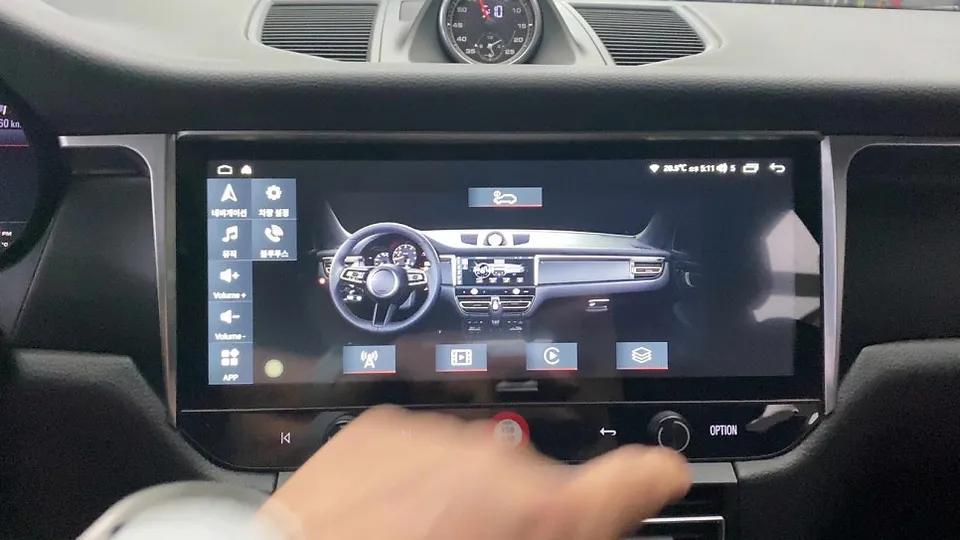
Ceramic tint and technology: Non-conductive ceramic particles don't interfere with cell signals, GPS, or electronic sensors. This is a major advantage for premium vehicles like the Mercedes-Benz CLS and Porsche Macan models we've reviewed on OhCar. If your vehicle has advanced driver assistance systems (ADAS) with cameras and sensors, ceramic tint is the safer choice because it won't interfere with these critical safety systems.
For anyone with a high-tech vehicle, ceramic tint provides peace of mind that your window tint won't compromise vehicle electronics or safety features.
Maintenance and Care Requirements
Both tint types require proper care to maintain appearance and longevity, but maintenance demands are slightly different.
Regular tint maintenance: You should wait 3-5 days after installation before cleaning your windows thoroughly. Use a soft cloth and non-abrasive cleaner. Avoid rolling windows down for the first few days. Regular tint requires gentler handling because the adhesive needs time to fully cure, and the dyes can be vulnerable during the curing period. After curing, regular tint is reasonably durable for normal cleaning.
Ceramic tint maintenance: Ceramic tint is more robust and cures faster—usually 24-48 hours. After that, you can clean and care for your windows normally with standard glass cleaners and soft cloths. The ceramic particles make the film more resistant to scratching and damage from cleaning. Long-term maintenance is simpler because you're not dealing with dye degradation.
Advantage: Ceramic tint requires less vigilant long-term care and is more forgiving if you're not meticulously careful about window cleaning practices.
Aesthetic Impact on Different Vehicle Types
The visual impact of ceramic versus regular tint varies depending on your vehicle type and color.
For dark vehicles (black, gray, navy), both ceramic and regular tint work well aesthetically. However, ceramic tint's superior clarity means the tinted windows look more refined and less obviously "tinted," blending better with high-end vehicles.
For light-colored vehicles (white, silver, beige), ceramic tint's neutral color cast is particularly advantageous. Regular dyed tint on light vehicles can sometimes look slightly yellowish or with a color cast that becomes apparent in certain lighting. Ceramic tint maintains a more neutral, premium appearance on these vehicles.
Based on our review of BMW, Mercedes-Benz, and Porsche owners on OhCar, ceramic tint was consistently preferred for luxury vehicles because it maintains the vehicle's premium aesthetic rather than making windows look obviously tinted.
Climate Considerations: Where Each Option Excels
Your climate significantly impacts which tint option makes more sense for your situation.
Hot, sunny climates: In regions like Arizona, Southern California, Florida, and Texas, ceramic tint's superior heat rejection becomes invaluable. The 70-80% heat rejection can reduce interior temperatures by 15-25 degrees compared to untinted windows. Combined with ceramic tint's resistance to UV-induced fading, it's the clear choice for hot climates. The durability advantage (10-15 years vs. 4-6 years for regular tint) means you won't be replacing it as frequently.
Moderate climates: In temperate regions with milder sun exposure, regular tint provides adequate performance. The cost savings become more significant when the heat rejection advantage is less critical. If you're comfortable with replacing tint every 5-6 years, regular tint can be economical in moderate climates.
Cold/cloudy climates: Where sun exposure is minimal, both options provide similar practical benefits. Regular tint's lower cost becomes more attractive when heat rejection is less critical. However, ceramic tint's durability advantage still applies.
Warranty and Manufacturer Backing
Regular tint warranties: Typical dyed window tint comes with 3-5 year warranties covering defects and fading. Some premium regular tints offer up to 7-year warranties. Warranties are usually limited to manufacturing defects and don't cover normal fade or color change.
Ceramic tint warranties: Quality ceramic films often include 5-10 year warranties, with some premium brands offering lifetime warranties against fading and defects. The longer warranty period reflects manufacturer confidence in the product's durability. Ceramic tint warranties typically cover color stability, adhesion, and defects.
Longer warranties on ceramic tint provide additional peace of mind and suggest the manufacturer stands behind the product's longevity claims.
Environmental and Health Considerations
Both types of window tint are safe for automotive use when properly installed, but there are environmental differences worth noting.
Regular dyed tint: Dyes used in traditional window tint are generally non-toxic when cured, but the manufacturing process involves chemical solvents. Dyed films don't pose health risks to occupants once fully cured.
Ceramic tint: Ceramic particles are inorganic minerals and are considered safer from a manufacturing and health perspective. No harmful chemical outgassing occurs. The production process is also less chemical-intensive than dyed film manufacturing.
If environmental impact is a concern, ceramic tint's manufacturing process and lack of chemical dyes make it the more eco-conscious choice. Additionally, because ceramic tint lasts 2-3 times longer than regular tint, replacing it less frequently reduces overall material waste.
The Verdict: Is Ceramic Tint Worth the Upgrade?
After analyzing the comprehensive comparison between ceramic tint vs regular tint, the answer depends on your specific situation:
Choose ceramic tint if: You live in a hot, sunny climate; you plan to keep your vehicle for 8+ years; you own a luxury vehicle where aesthetics matter significantly; you want superior heat rejection and don't want to compromise on durability; or you're willing to invest more upfront for long-term savings and performance.
Choose regular tint if: You're budget-conscious and need tinting now; you live in a moderate climate with less intense sun; you plan to replace your vehicle within 5-6 years; you value the lower initial cost over long-term durability; or you only need basic privacy and moderate heat rejection.
Based on 50 owner reviews on OhCar, luxury car owners (Mercedes-Benz, BMW, Porsche) consistently chose ceramic tint for its superior clarity, heat rejection, and durability. Owners of more economical vehicles (Hyundai, Kia) were split, with many choosing ceramic for its long-term value despite the higher upfront cost.
The most honest assessment: ceramic tint costs more upfront but pays for itself over 10+ years through superior durability, reduced replacement frequency, better heat rejection, and maintained aesthetic appeal. If you're keeping your vehicle long-term and value performance, ceramic tint is worth the upgrade.
Final Recommendations for OhCar Readers
Before making your decision, consider these practical steps:
Get multiple quotes: Prices vary significantly between shops. Request quotes for both regular and ceramic options to see the actual price difference in your area.
Check installer credentials: Verify that any shop installing ceramic tint has specific experience with premium ceramic films. Ask to see samples of their work on vehicles similar to yours.
Ask about specific products: Not all ceramic tints are created equal. Research specific brands (3M Crystalline, XPEL Prime, Llumar CTX) and ask your installer which products they use and why.
Consider your climate and timeline: Be honest about how long you'll keep your vehicle and how much heat rejection you actually need. This determines whether ceramic's premium pricing justifies the investment for your circumstances.
Review warranties carefully: Understand what's covered and for how long. Premium ceramic tint's longer warranty period is a meaningful benefit if you're concerned about longevity.
Window tinting is one of those automotive upgrades where you genuinely get what you pay for. The ceramic tint vs regular tint decision isn't about one being universally "better"—it's about choosing the right option for your specific vehicle, climate, usage pattern, and budget. Take time to evaluate your needs honestly, and you'll make a decision you're satisfied with for years to come.
Comments (4)
Just wrapped my M4's windows in ceramic tint last spring and honestly, the heat rejection in NYC summer traffic is a game-changer — keeps the interior way cooler than my buddy's regular tint. Yeah, it cost me more upfront, but after dealing with bubbling and peeling on my last car, the durability alone makes it worth it for me.
Been running ceramic tint on my '21 Civic for two years now in SoCal and honestly the heat rejection is legit — my interior stays noticeably cooler than my buddy's car with regular tint. Yeah it costs more upfront, but the durability is way better and it hasn't faded like his did after a year.
Been through the ceramic tint debate myself with my 2019 Accord—did regular tint first, then switched to ceramic on the front windshield during a detail appointment. The heat rejection difference is real, especially in summer, and it's held up way better after two years with zero bubbling or fading like my old tint had. Yeah, it costs more upfront, but I'm convinced it's worth it if you're keeping the car a while.

Explore Related Services on OhCar