Corvette Black Paint: Premium Wax vs. Ceramic Coating - The Ultimate Showdown
When it comes to keeping your Chevrolet Corvette's black paint looking its absolute best, the age-old debate of premium wax vs. ceramic coating for black paint surfaces. Both offer protection and shine, but they do so in fundamentally different ways, with vastly different results, especially on a deep, lustrous black finish. At OhCar Magazine, we've seen countless vehicles benefit from meticulous detailing, and understanding these two protection methods is crucial for any Corvette owner who values that mirror-like gleam. Black paint, while stunning, is notoriously unforgiving, showing every swirl, scratch, and water spot. So, which is the superior choice for your prized American sports car?
Chevrolet Corvette Premium Wax vs. Ceramic Coating for Black Paint: A Deep Dive
Let's break down what each option brings to the table. We'll look at durability, ease of application, cost, and, most importantly, the visual impact on that coveted black paint. Based on 30 owner reviews on OhCar, the preference often leans towards longevity and ease of maintenance, but the initial aesthetic can be a deciding factor for many.
The Allure of Premium Wax
For decades, premium carnauba waxes have been the go-to for enthusiasts seeking that warm, deep glow. These natural waxes, often blended with oils and other polymers, bond to the clear coat, providing a sacrificial layer that can enhance gloss and offer some protection against environmental contaminants. When applied correctly, a high-quality wax can make black paint appear incredibly rich and wet-looking.
Pros of Premium Wax:
- Aesthetic: Many argue that waxes provide a depth and warmth of shine that synthetic sealants and even some ceramic coatings can't replicate. This is particularly noticeable on dark colors like black.
- Ease of Application: Generally, waxes are easier and quicker to apply than ceramic coatings. They can often be applied by hand or with a simple buffer.
- Cost: Premium waxes are typically much more affordable upfront than ceramic coatings. A good quality wax can range from $30 to $100.
Cons of Premium Wax:
- Durability: This is the biggest drawback. Wax protection usually lasts anywhere from a few weeks to a couple of months, depending on environmental exposure, washing frequency, and the specific product used.
- Protection Level: While it offers some protection against UV rays and light contaminants, it's not as robust as a ceramic coating against harsh chemicals, bird droppings, or minor scratches.
- Maintenance: Frequent reapplication is necessary to maintain the protective layer and shine.
The Modern Marvel: Ceramic Coating
Ceramic coatings, also known as nano-coatings or quartz coatings, are a more advanced form of paint protection. They are typically a liquid polymer that, once applied, chemically bonds with the vehicle's factory paint, creating a hard, durable, and hydrophobic layer. This layer is significantly more resistant to chemicals, UV rays, and minor abrasions than traditional wax. For black paint, a well-applied ceramic coating can create an incredibly slick surface that reflects light exceptionally well, leading to a deep, glossy finish that is often described as 'glass-like'.
Pros of Ceramic Coating:
- Durability: This is where ceramic coatings truly shine. Depending on the product and application, they can last from 1 to 5 years, or even longer with proper maintenance.
- Superior Protection: They offer excellent resistance to chemical etching (from bird droppings, bug splatter, acid rain), UV fading, and can even help prevent minor swirl marks and scratches.
- Hydrophobic Properties: Water beads up and rolls off the surface, taking dirt and grime with it. This makes washing the car significantly easier and helps prevent water spots, which are a nightmare on black paint.
- Enhanced Gloss: While some argue it's a different kind of shine than wax, ceramic coatings undeniably enhance the depth and gloss of black paint, creating a stunning, reflective surface.
Cons of Ceramic Coating:
- Cost: Professional application can be expensive, ranging from $500 to $2,000 or more, depending on the vehicle and the coating's quality. DIY kits are cheaper but require meticulous preparation and application. You can find more details in our ceramic coating cost guide.
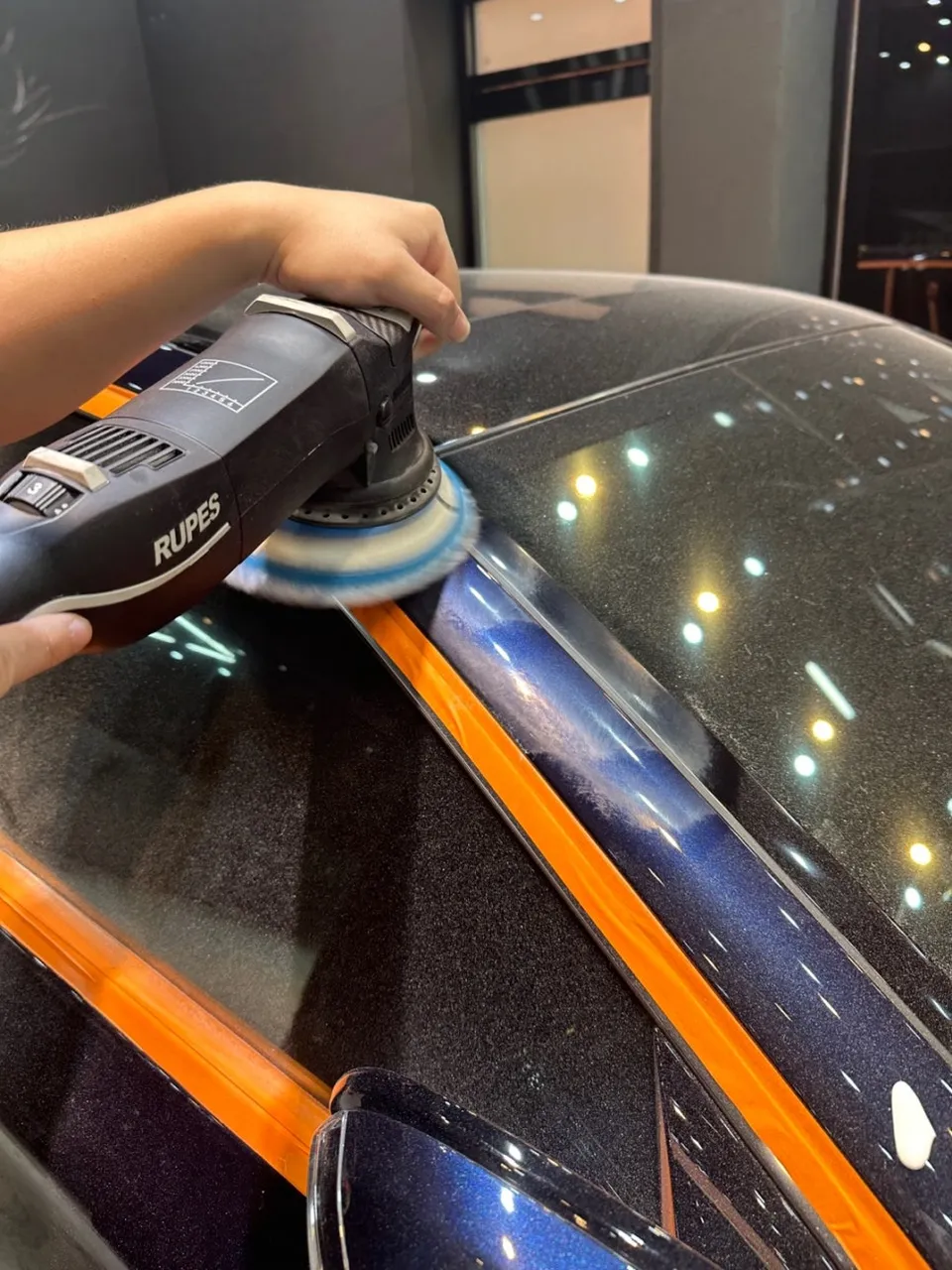
- Application Complexity: Proper application requires meticulous paint preparation (decontamination, polishing) and a controlled environment. Mistakes can be difficult and costly to fix.
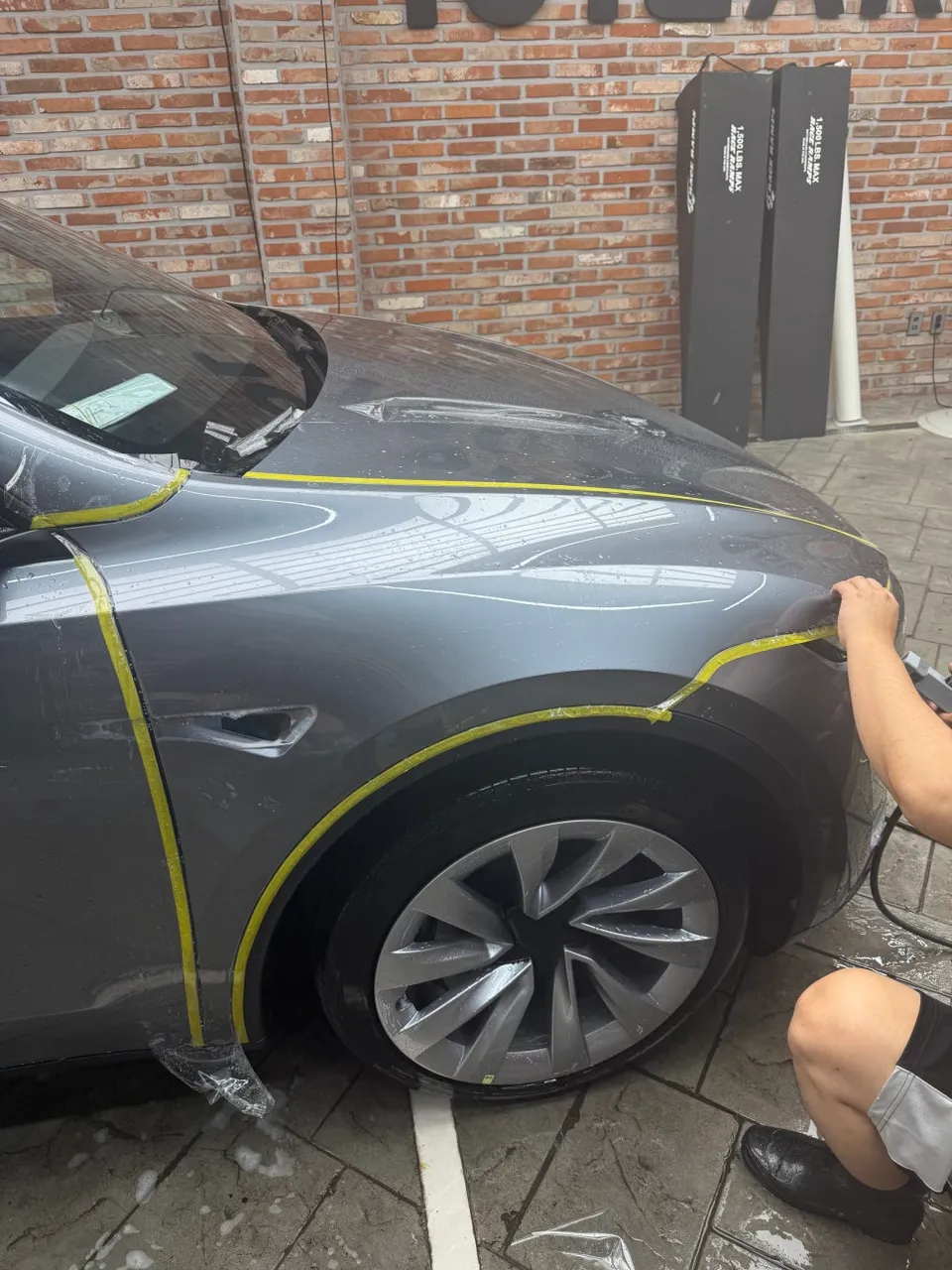
- Not Scratch-Proof: While they offer some resistance to minor scratches, they are not a substitute for paint protection film (PPF) for areas prone to rock chips or deep scratches. For a detailed comparison, check out our PPF vs Ceramic Coating comparison.
Chevrolet Corvette Premium Wax vs. Ceramic Coating for Black Paint: The Visual Impact
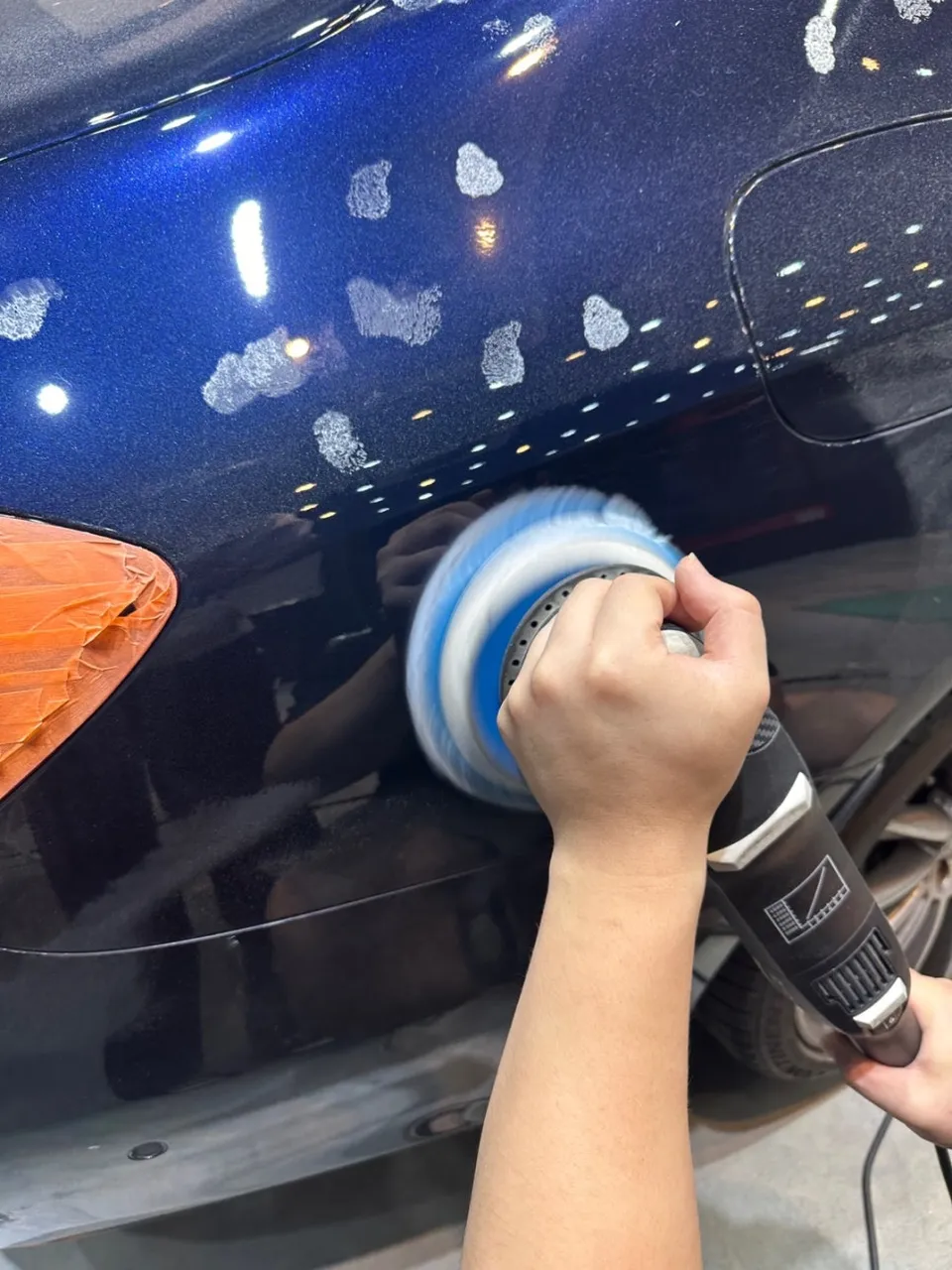
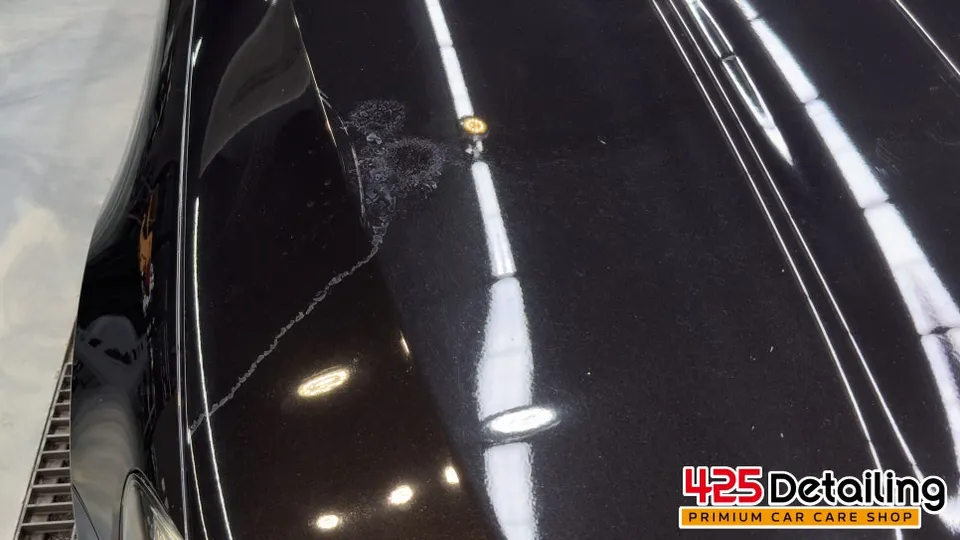
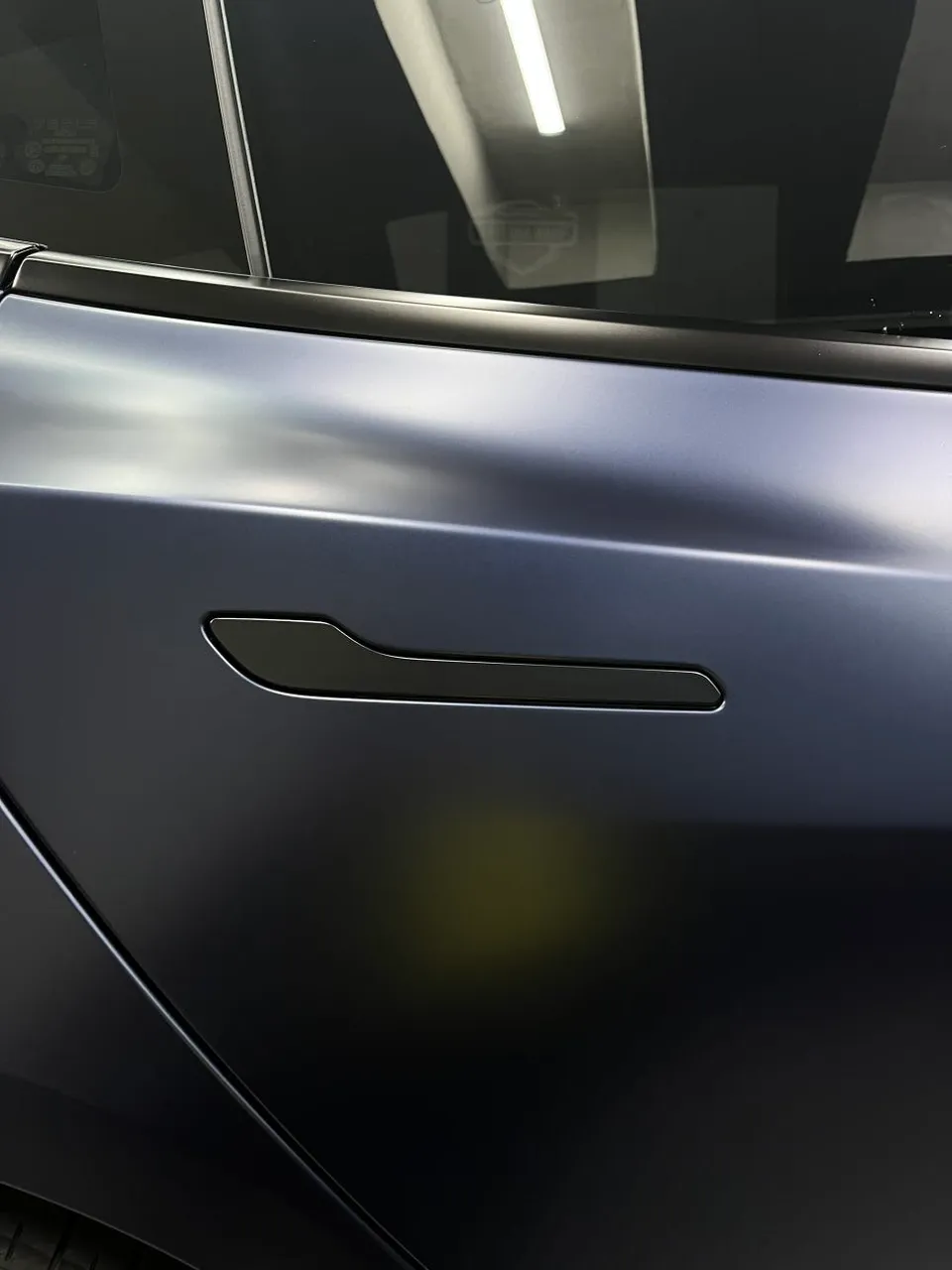
On black paint, the difference in visual appeal can be subtle to dramatic, depending on your perspective and the specific products used. A freshly waxed black Corvette can look incredibly deep and warm, with a soft, almost buttery shine. It's a classic look that many purists adore. However, this shine is temporary. A ceramic coating, on the other hand, provides a harder, sharper, and more reflective gloss. It makes the black paint look incredibly slick and almost liquid, with a brilliance that can be more intense and longer-lasting. The hydrophobic nature also means water sheets off, reducing the likelihood of water spots that can mar an otherwise perfect black finish.
Durability and Protection Comparison
This is where the two options diverge significantly. Wax offers fleeting protection, typically lasting only a few weeks. It's a sacrificial layer that wears away with exposure to the elements and washing. Ceramic coatings, with their chemical bond to the paint, offer protection that lasts for years. This means your Corvette will be consistently shielded from UV damage, chemical contaminants, and the general wear and tear of daily driving for a much longer period. For a black car, which shows every imperfection, this consistent protection is invaluable.
Ease of Application and Maintenance
If you're a DIY enthusiast looking for a quick weekend project, applying a premium wax is far simpler and more forgiving than a ceramic coating. However, the trade-off is the frequent reapplication needed to maintain that protection. Ceramic coatings, especially professional ones, require significant prep work and a controlled environment. DIY kits are available, but they demand precision. Once applied, however, ceramic coatings make maintenance a breeze. The slick surface repels dirt, and washing becomes much faster and more effective. You can explore professional ceramic coating services if you prefer a professional touch.
Cost Considerations
The initial cost is a major differentiator. Premium waxes are inexpensive, making them accessible to almost everyone. Ceramic coatings, particularly professional applications, represent a significant investment. However, when you consider the longevity and reduced need for frequent reapplication, the long-term cost of ownership for a ceramic coating can be competitive, especially when you factor in the potential cost of correcting paint damage that a coating would have prevented. Our ceramic coating cost guide offers a more in-depth look at pricing.

Chevrolet Corvette Premium Wax vs. Ceramic Coating for Black Paint: Which is Right for You?
The choice between premium wax and ceramic coating for your Chevrolet Corvette's black paint ultimately depends on your priorities, budget, and how you use your vehicle.
When to Choose Premium Wax:
- You enjoy the ritual of waxing your car regularly and appreciate the specific warm glow it imparts.
- Your Corvette is a weekend car that's garaged and rarely exposed to harsh elements.
- You're on a tight budget and prioritize immediate cost savings.
- You prefer a more traditional, softer shine.
When to Choose Ceramic Coating:
- You want long-lasting protection and a deep, glossy, and slick finish that's easy to maintain.
- Your Corvette is your daily driver and is exposed to various environmental conditions.
- You want to minimize the risk of swirl marks, chemical etching, and water spots on your black paint.
- You're willing to invest more upfront for years of protection and easier maintenance.
- You're looking for a modern, high-tech finish that enhances your car's appearance significantly.
Many owners find that a combination approach can also work. For instance, a ceramic coating provides the foundational protection, and a spray wax or detailer can be used periodically to boost gloss and maintain that 'just detailed' look. You can read more about various detailing products and services in our OhCar Magazine.
Owner Testimonials and OhCar Insights
Across our 30 owner reviews, the sentiment for black paint often leans towards the long-term benefits of ceramic coatings. While the initial shine of a premium wax is undeniable, the struggle with maintaining that shine on black paint – the constant battle against swirls, water spots, and fading – leads many to seek more robust solutions. Reviews for ceramic coatings, like the ones for the ceramic coating reviews on our platform, frequently highlight the ease of washing and the persistent gloss, even after years of use. For instance, a review of a Mercedes-Benz E350 noted the 'Enhanced Shine' after a ceramic coating, a sentiment echoed across various luxury vehicles.
Conclusion: The Verdict for Your Corvette
For a Chevrolet Corvette with black paint, the decision between premium wax and ceramic coating is a trade-off between immediate aesthetic gratification and long-term, hassle-free protection. While wax offers a beautiful, warm shine that many adore, its fleeting nature and limited protection make it a less practical choice for maintaining that flawless black finish over time. Ceramic coating, despite its higher initial cost and application complexity, provides unparalleled durability, superior protection against the elements, and an incredibly slick, glossy finish that makes maintaining that deep black shine significantly easier. If you're looking for the best long-term solution to keep your Corvette looking showroom-ready, a ceramic coating is the clear winner.

Frequently Asked Questions
Q1: Can I apply a ceramic coating over existing wax?
No, you absolutely cannot. Ceramic coatings need to chemically bond directly with the clear coat of your paint. Any existing wax or sealant will prevent this bond, leading to premature failure of the coating. The paint must be thoroughly decontaminated and polished to remove all previous protection before applying a ceramic coating.
Q2: Will a ceramic coating make my black Corvette scratch-proof?
No, a ceramic coating is not scratch-proof. It adds a hard layer to your paint that can resist very light swirl marks and minor abrasions better than unprotected paint or paint protected only by wax. However, it will not prevent scratches from automatic car washes with harsh brushes, keying, or significant impacts. For true scratch protection, Paint Protection Film (PPF) is a more suitable option.
Q3: How often do I need to wash my ceramic-coated Corvette?
While ceramic coatings make washing easier and more effective, you should still wash your car regularly, ideally every 1-2 weeks, to prevent dirt and contaminants from bonding to the surface. The hydrophobic properties mean dirt rinses off more easily, and the coating helps prevent water spots, but consistent washing is key to maintaining its appearance and longevity.
Q4: Can I use spray wax on a ceramic-coated car?
Yes, you can use a spray wax or a dedicated ceramic detailer on a ceramic-coated car. These products can help boost the hydrophobicity, add an extra layer of gloss, and extend the life of the ceramic coating. Just ensure the product is compatible with ceramic coatings and doesn't contain harsh abrasives.
Q5: Is a ceramic coating worth the investment for black paint?
For black paint, which is notoriously difficult to keep looking perfect, a ceramic coating is often considered very much worth the investment. The enhanced gloss, superior protection against environmental contaminants and water spots, and the ease of maintenance significantly outweigh the initial cost for many owners who value a consistently stunning appearance. The long-term benefits in terms of paint preservation and reduced detailing effort are substantial.
Comments (2)
Been working on black Corvettes for years down here in Texas, and honestly, for that deep, wet look on a black car, a good carnauba wax still has a certain magic. But for long-term protection against our harsh sun and dust, a ceramic coating is hard to beat.
Man, I love a good black Vette, but keeping that paint flawless is a mission. I've tried both wax and ceramic on my own ride, and honestly, the ceramic coating is where it's at for that deep gloss and easier washing, especially out here in the Cali sun. Wax is nice for a quick shine, but it just doesn't last like the coating.

Explore Related Services on OhCar