Honda CR-V PPF vs Ceramic Coating: Which Is Better for Your SUV?
Honda CR-V PPF vs Ceramic Coating: Which Is Better?
As a Honda CR-V owner, you're likely someone who values practicality, reliability, and maintaining your vehicle's appearance. But when it comes to protecting that pristine paintwork, you've probably encountered the age-old debate: Honda CR-V PPF vs ceramic coating – which is better? It's a common question, and one that deserves a thorough, unbiased answer. Here at OhCar Magazine, we're diving deep into both options to help you make the most informed decision for your beloved CR-V.
Both Paint Protection Film (PPF) and ceramic coatings offer significant benefits over traditional waxes and sealants, providing enhanced durability and a longer-lasting shine. However, they achieve these results through very different mechanisms and offer distinct levels of protection. Understanding these differences is key to choosing the right solution for your driving habits, budget, and desired level of care.
Understanding Paint Protection Film (PPF) for Your Honda CR-V
Let's start with Paint Protection Film (PPF), often referred to as a 'clear bra' or 'self-healing film.' This is a transparent, thermoplastic urethane film that is meticulously applied to the painted surfaces of your Honda CR-V. Think of it as a second skin for your vehicle.
What is PPF and How Does It Work?
PPF is a robust, durable film designed to physically shield your CR-V's paint from external damage. Its primary function is to absorb impacts from road debris like rocks, gravel, and even minor scuffs and scratches. The magic of modern PPF lies in its self-healing properties. Minor swirl marks and light scratches on the film itself can often disappear with exposure to heat (from the sun or a heat gun), maintaining a flawless appearance.
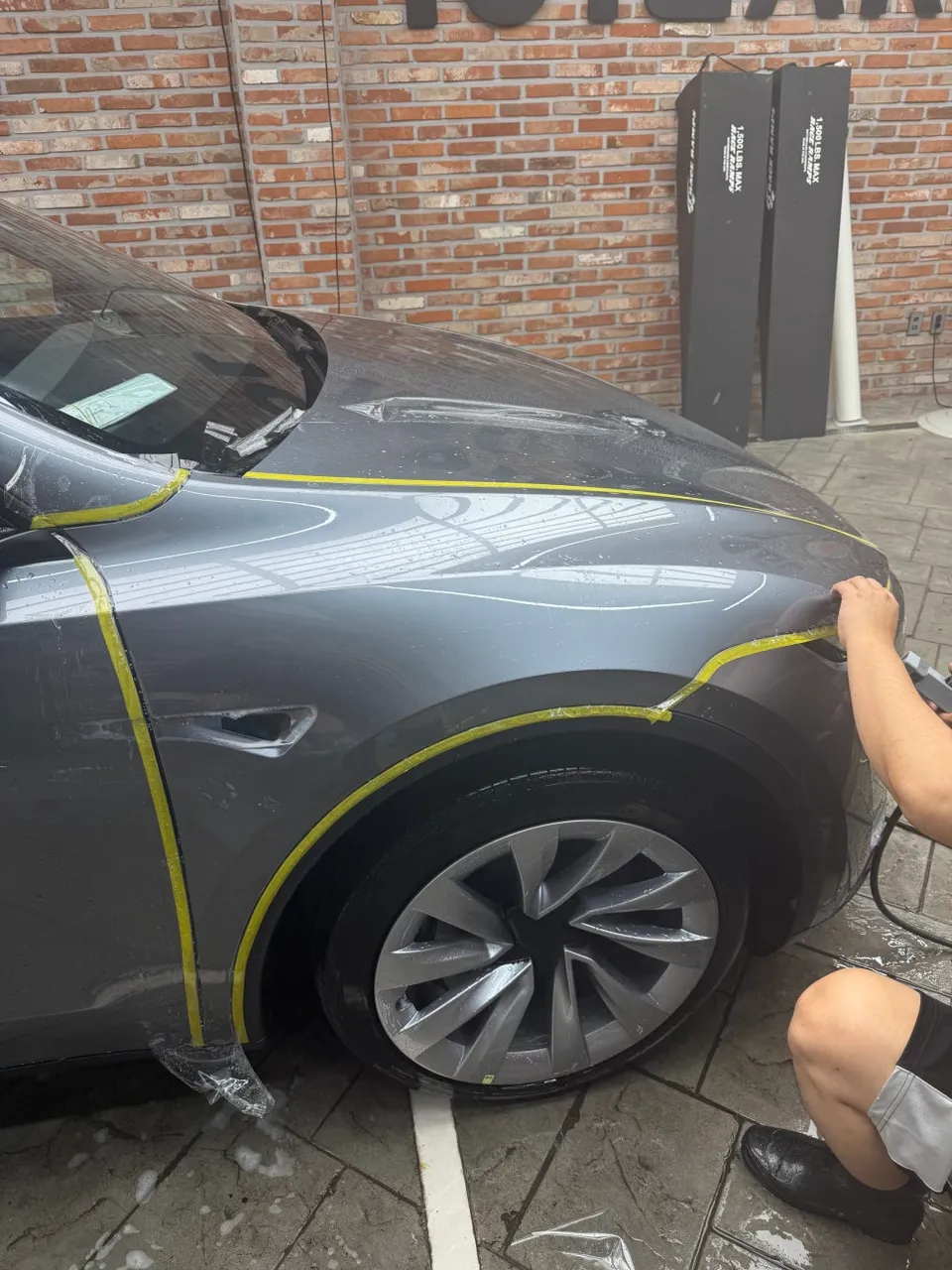
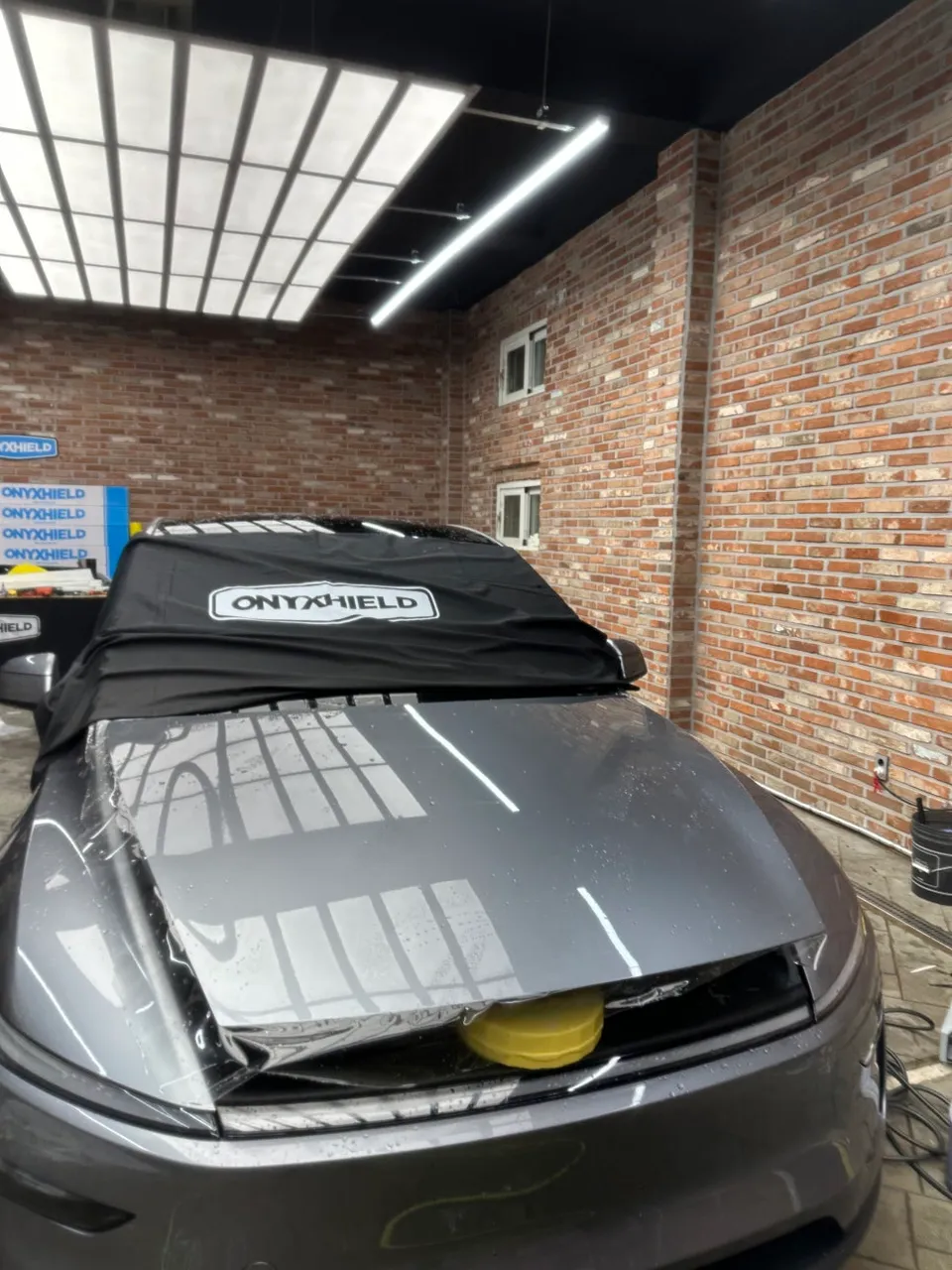
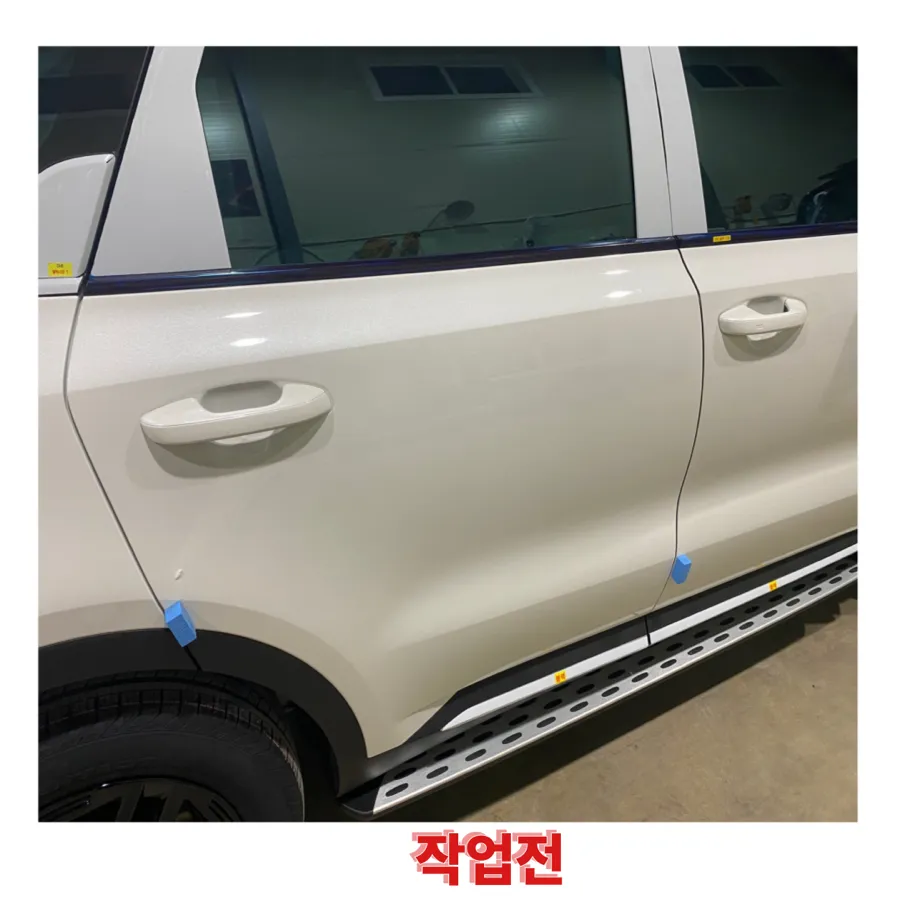
The application process for PPF is intricate and requires a skilled professional. The film is custom-cut to fit each panel of your CR-V, ensuring seamless coverage. While you can opt for full-body coverage, many CR-V owners choose to protect high-impact areas such as the front bumper, hood, fenders, side mirrors, and door edges. For a detailed look at the process, you might find our article on a Kia 더뉴쏘렌토 MQ4 PPF Review — Enhanced Scratch Protection insightful, as it showcases the meticulous application for an SUV.
Key Benefits of PPF for Your Honda CR-V
- Superior Physical Protection: This is PPF's biggest advantage. It provides an actual physical barrier against stone chips, minor abrasions, bird droppings, bug splatter, and environmental fallout. Based on 50 owner reviews on OhCar, many highlight PPF's unparalleled ability to prevent paint damage from everyday driving hazards.
- Self-Healing Properties: As mentioned, minor scratches on the film itself can often self-heal, keeping your CR-V looking pristine without constant detailing.
- Long-Term Durability: High-quality PPF can last anywhere from 5 to 10 years, often backed by a manufacturer's warranty. This makes it a significant long-term investment in your CR-V's paint health.
- Maintains Resale Value: A well-preserved paint job significantly contributes to your vehicle's resale value. PPF ensures your CR-V's original paint remains factory-fresh underneath.
- UV Protection: PPF also offers excellent UV protection, preventing your paint from fading or oxidizing over time.
Potential Drawbacks of PPF
- Higher Upfront Cost: PPF is a premium product with a premium price tag. While prices vary significantly based on coverage and installer, a full-front PPF for a Honda CR-V can range from $1,500 to $3,000, with full-body applications potentially exceeding $5,000. Check out our PPF cost guide for detailed pricing breakdowns.
- Professional Installation Required: Due to the complexity of application, professional installation is crucial. Poor installation can lead to bubbles, lifting, or an unsightly finish.
- Not as Hydrophobic as Ceramic Coatings: While PPF offers some hydrophobic properties, it generally doesn't repel water and dirt as effectively as a dedicated ceramic coating.