Porsche 911 PPF vs Ceramic Coating Comparison: Protecting Your Icon
When it comes to protecting a legend like the Porsche 911, enthusiasts often face a crucial decision: Paint Protection Film (PPF) or ceramic coating? This Porsche 911 PPF vs ceramic coating comparison aims to break down the pros and cons of each, helping you make the best choice for your prized possession. At OhCar Magazine, we've analyzed owner experiences and industry best practices to provide you with a comprehensive guide.
The Porsche 911, a masterpiece of automotive engineering and design, deserves the utmost care. Its sleek lines, powerful engine, and iconic silhouette are investments that owners want to preserve for years to come. Both PPF and ceramic coatings offer distinct advantages in protecting your 911's paintwork from the daily onslaught of road debris, environmental contaminants, and the harsh realities of weather. But which one is right for you?
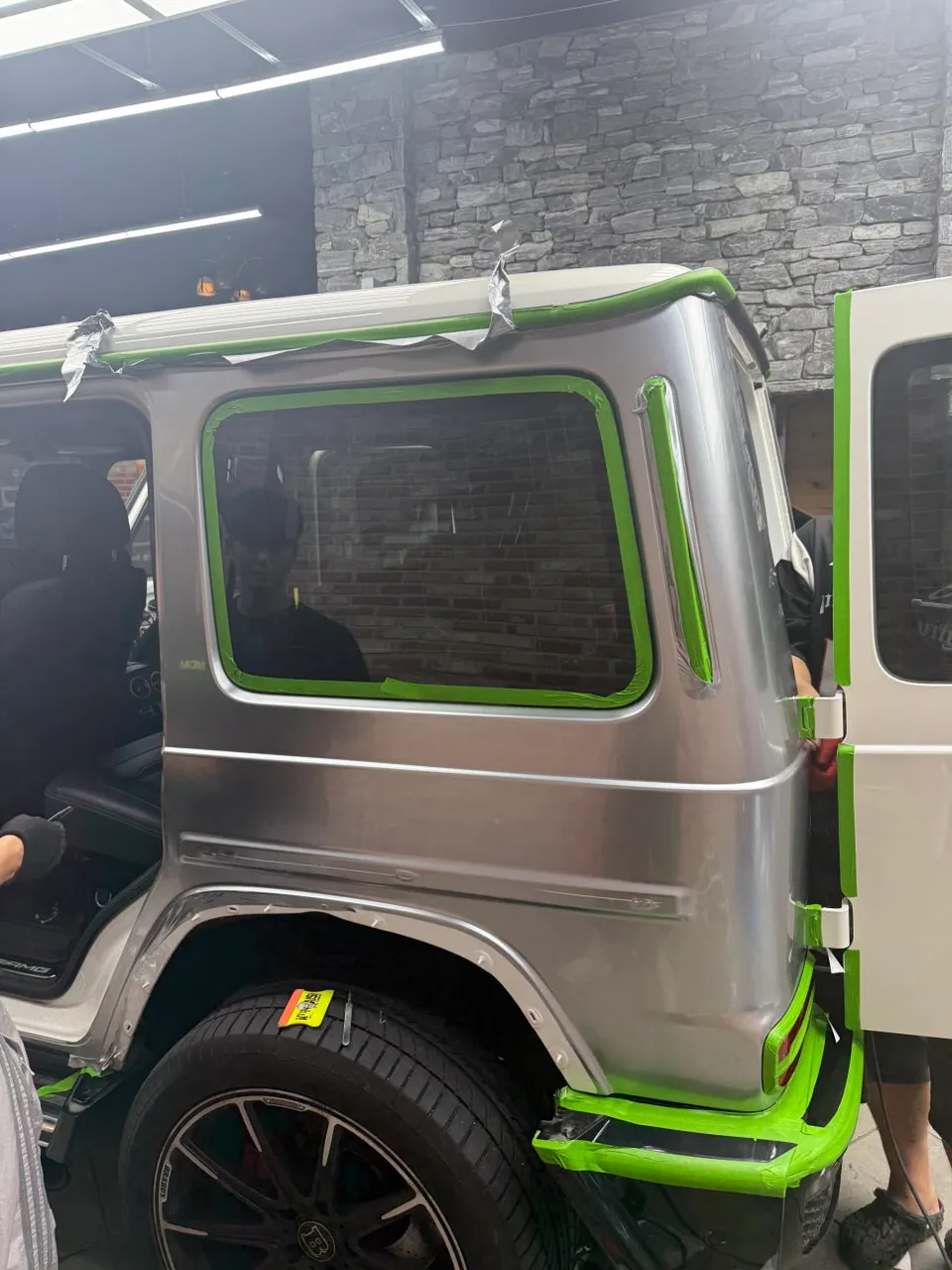
Understanding Paint Protection Film (PPF) for your Porsche 911
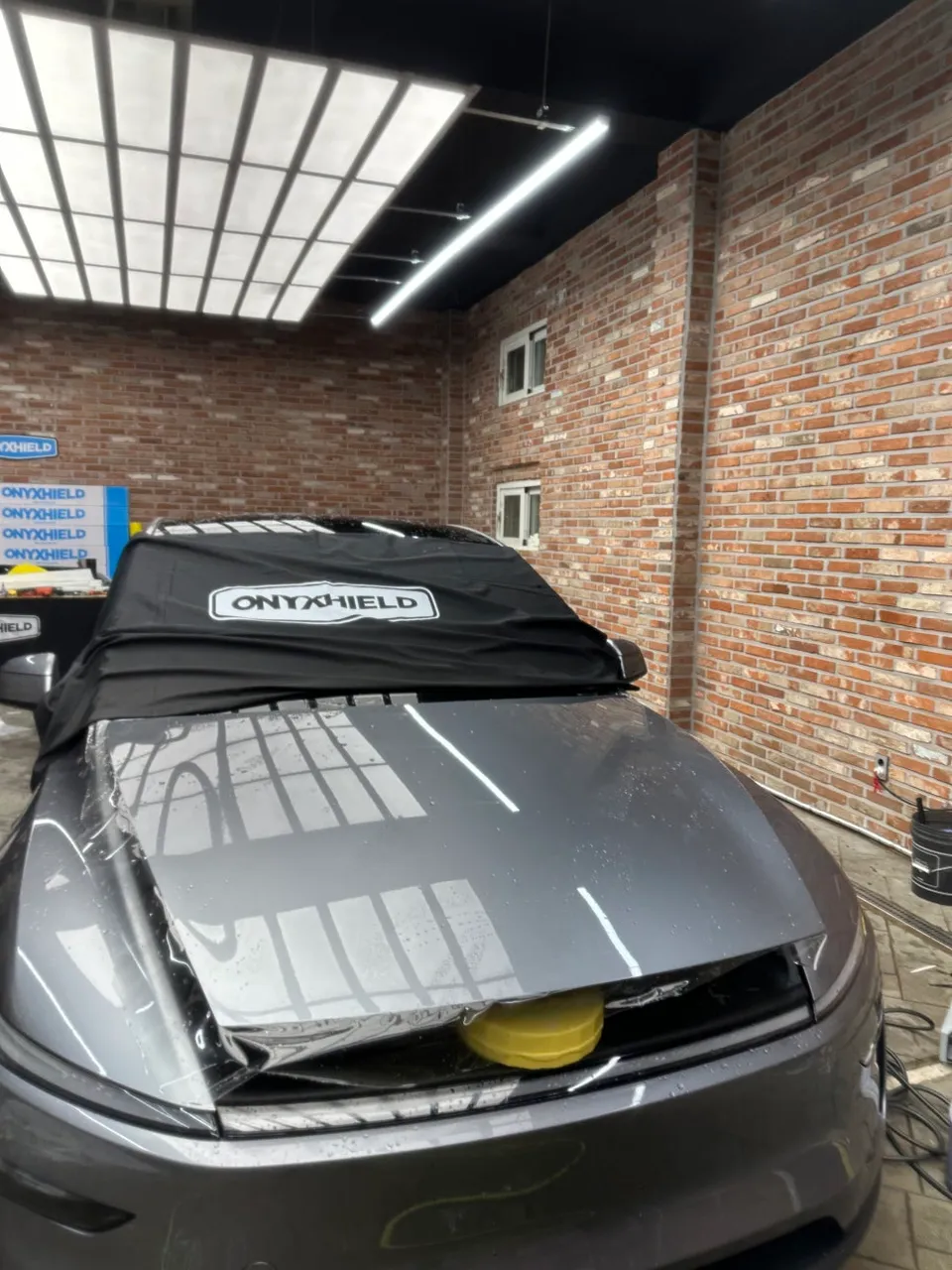
Paint Protection Film, often referred to as clear bra, is a transparent, thermoplastic urethane film applied directly to your vehicle's painted surfaces. Its primary function is to act as a physical barrier against damage. Think of it as a durable, invisible shield.
How PPF Works
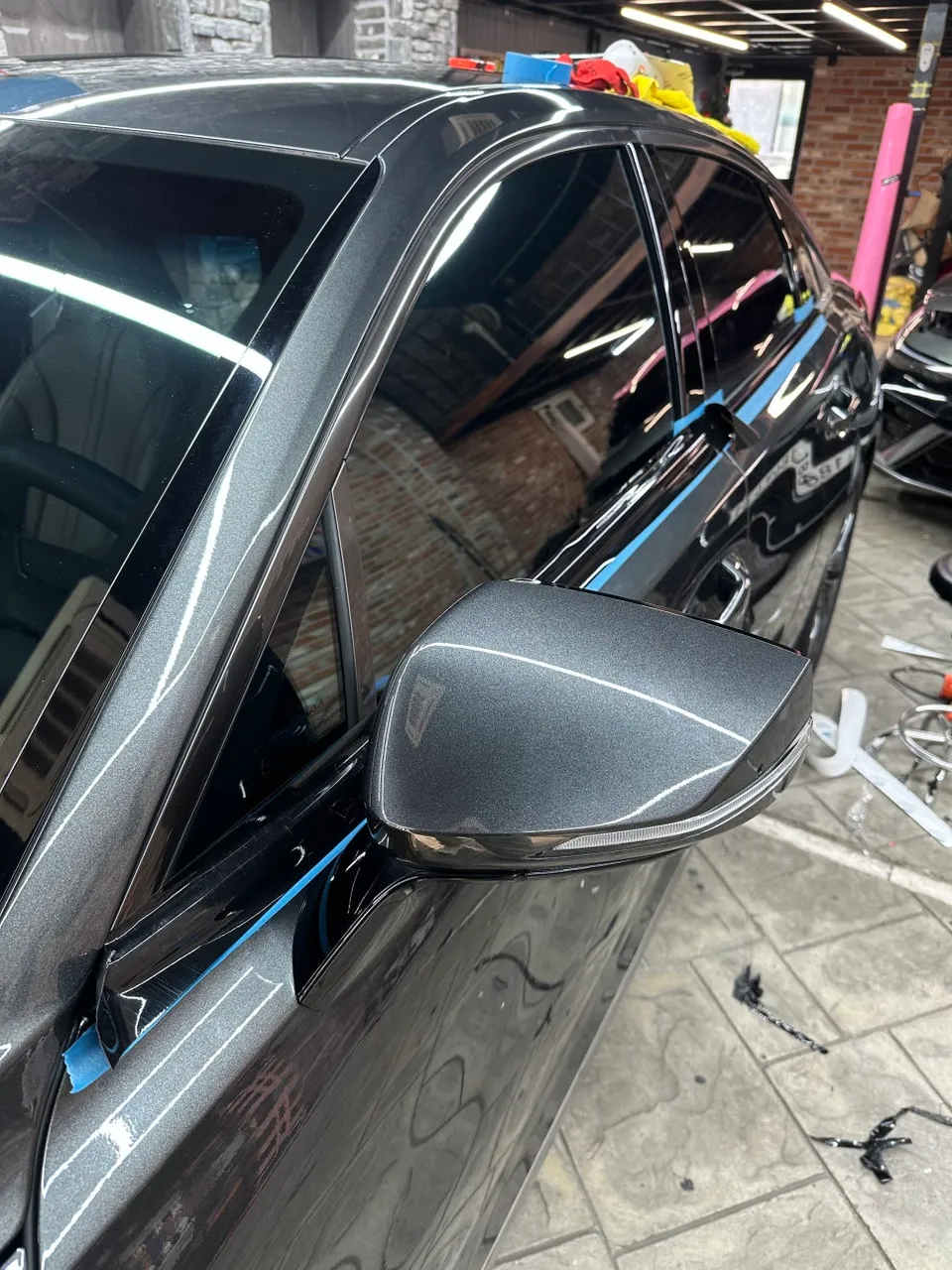
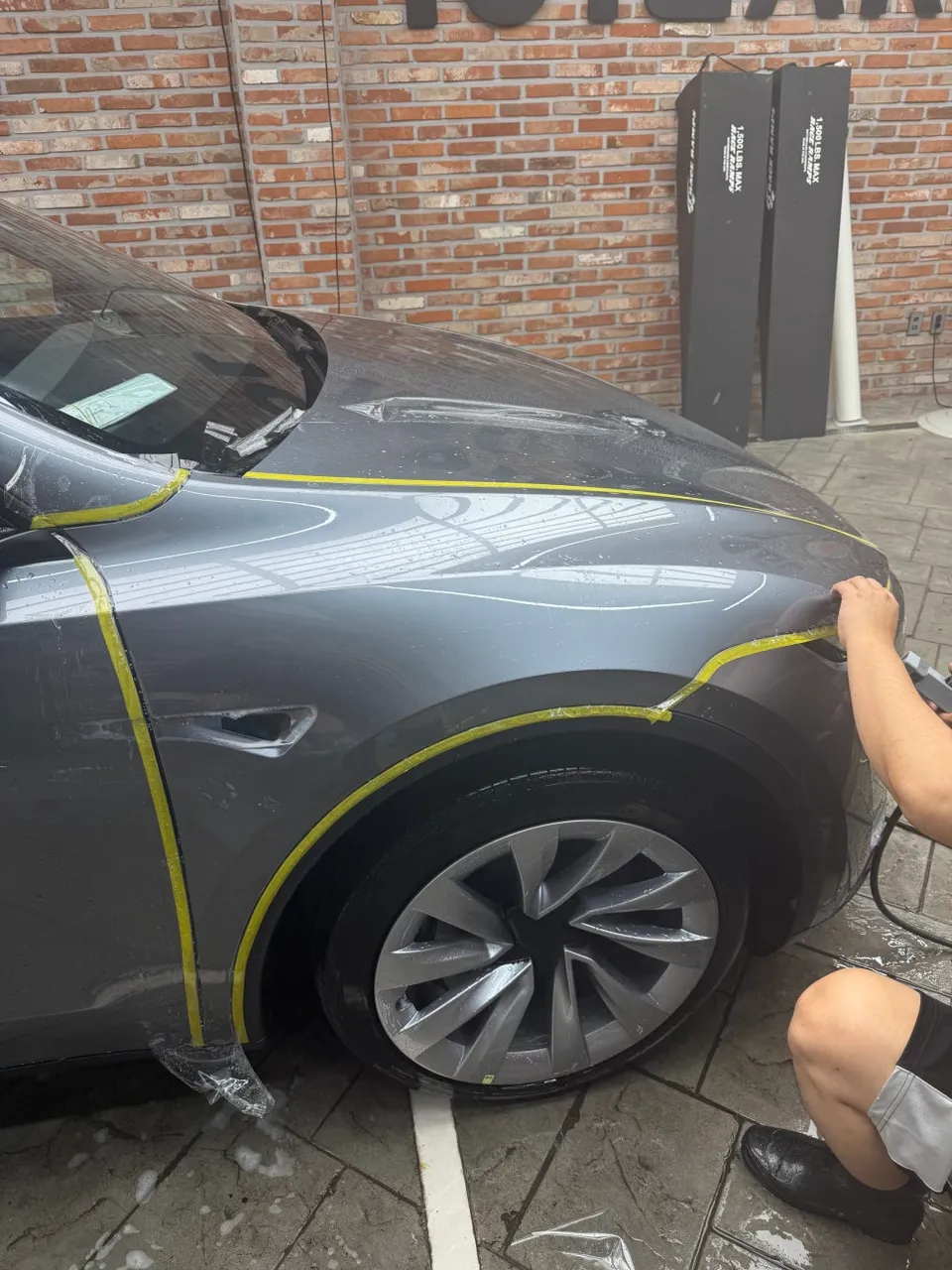
PPF is typically made from polyurethane, a material known for its elasticity and resilience. When applied by a professional installer, it conforms to the contours of your car, covering vulnerable areas like the front bumper, hood, fenders, mirrors, and even the entire vehicle. The film is designed to absorb the impact of small stones, road grit, insect splatter, and even minor scratches, preventing them from reaching the actual paintwork beneath.
Benefits of PPF
- Superior Impact Protection: This is where PPF truly shines. It offers the best defense against rock chips, scratches, and minor abrasions.
- Self-Healing Properties: Many modern PPFs feature self-healing capabilities. Minor scratches or swirl marks on the film can disappear when exposed to heat (like sunlight or warm water).
- Gloss Enhancement: High-quality PPF can actually enhance the gloss and depth of your car's paint, giving it a showroom-fresh look.
- Stain Resistance: PPF is resistant to common automotive stains from bird droppings, bug guts, and tree sap.
- UV Protection: The film also protects your paint from harmful UV rays, preventing fading and oxidation.
Drawbacks of PPF
- Cost: PPF is generally more expensive than ceramic coatings, especially for full-vehicle applications. Based on 50 owner reviews on OhCar, the cost for PPF can range significantly, with partial front-end applications often starting around $1,000-$2,000, and full-vehicle applications potentially reaching $5,000-$10,000 or more, depending on the vehicle and installer. For a detailed breakdown, check out our PPF cost guide.
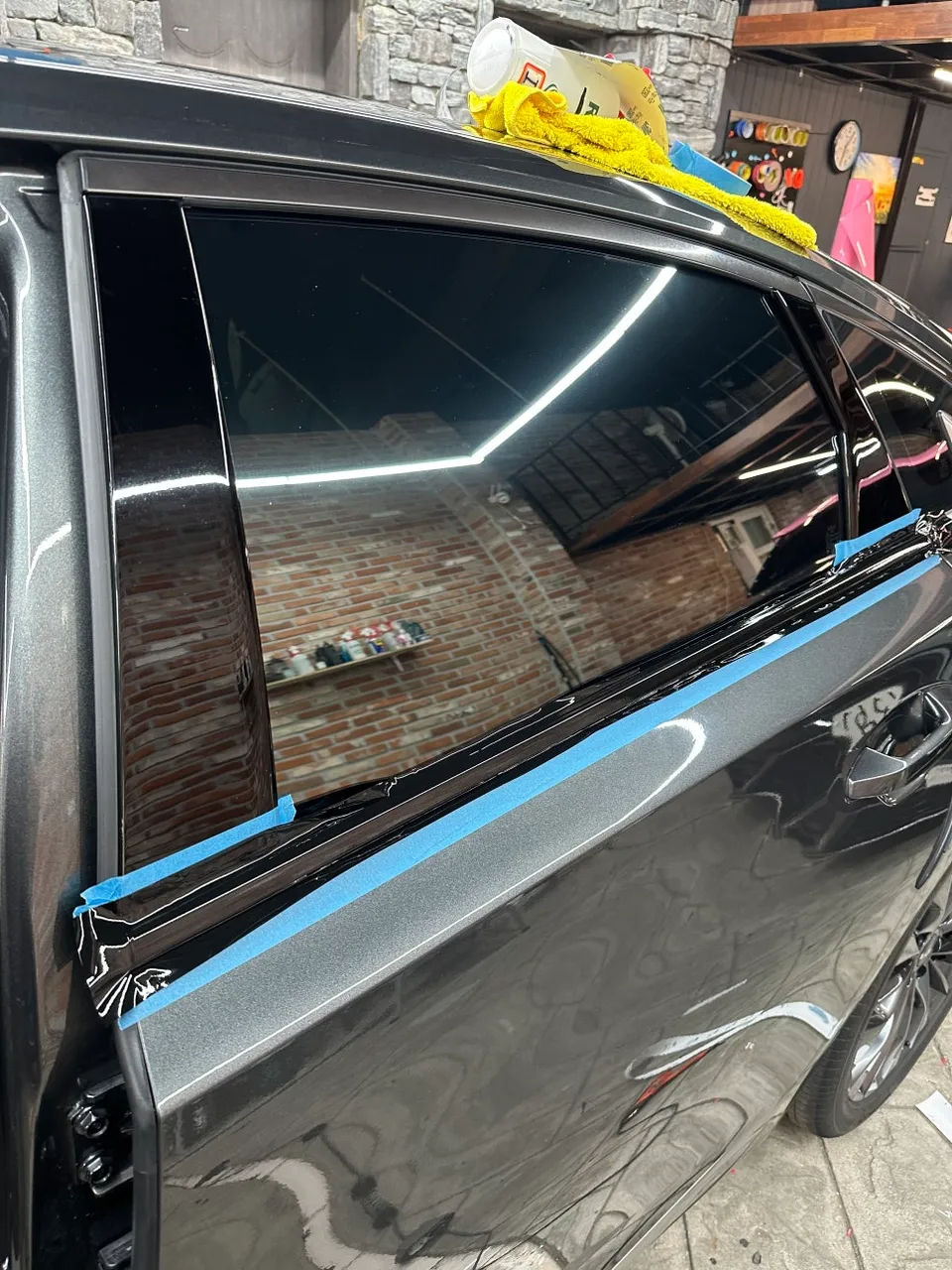
- Installation Complexity: Proper installation requires a skilled professional. Improper application can lead to visible seams, lifting, or bubbling.
- Maintenance: While durable, PPF still requires proper cleaning and care to maintain its clarity and longevity. Harsh chemicals or abrasive cleaning methods can damage the film.
- Potential for Yellowing: Older or lower-quality PPFs could yellow over time, especially when exposed to significant UV radiation. However, modern films have largely overcome this issue.