Tesla Model 3 Window Tinting for Spring Sun Heat Rejection
As the days grow longer and the sun's rays gain strength, the allure of spring also brings a familiar challenge for Tesla Model 3 owners: the increasing heat buildup inside the cabin. This is where Tesla Model 3 window tinting heat rejection for spring sun becomes not just a luxury, but a practical necessity. At OhCar Magazine, we understand that keeping your Model 3 cool and comfortable is paramount, especially as you enjoy those scenic drives. Let's dive into why tinting your Model 3's windows is a smart move this spring and what you need to know.

Why Tesla Model 3 Window Tinting is Essential for Spring Heat Rejection
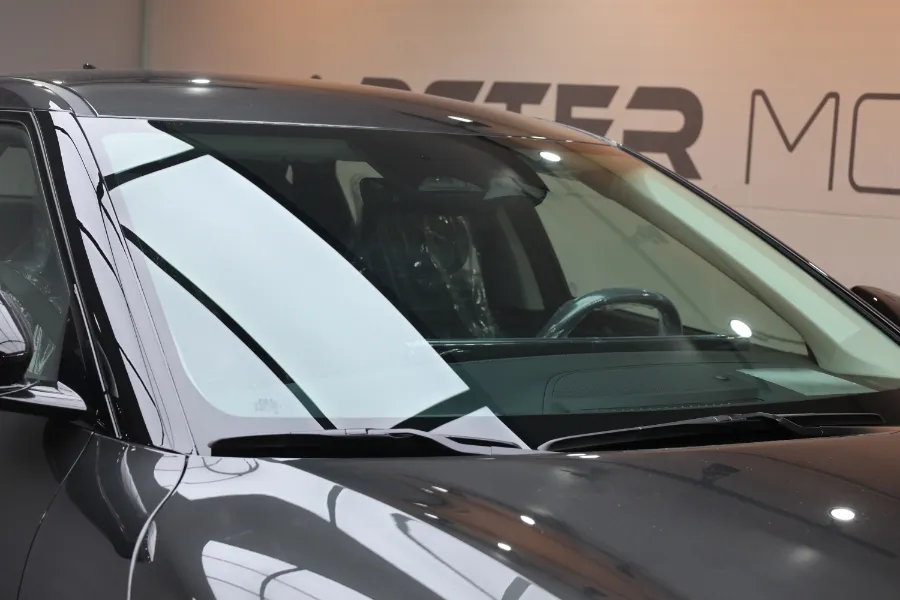
The Tesla Model 3, with its expansive glass roof and large windows, offers a fantastic connection to the outdoors. However, this also means a significant amount of solar energy can penetrate the cabin, leading to uncomfortable temperatures even on a mild spring day. Tesla Model 3 window tinting heat rejection for spring sun is designed to combat this by reflecting and absorbing a portion of the sun's infrared and ultraviolet rays. This not only enhances comfort but also protects your interior from fading and cracking over time.
Beyond the immediate comfort, proper window tinting can significantly reduce the strain on your Model 3's climate control system. When the cabin is cooler to begin with, the AC doesn't have to work as hard, potentially leading to minor improvements in energy efficiency. While not a substitute for dedicated energy-saving measures, it's a contributing factor to a more comfortable and efficient driving experience. For those considering the investment, our window tinting cost guide can help you understand the pricing landscape.
Understanding Heat Rejection and Solar Energy
When we talk about heat rejection in window tinting, we're primarily referring to the tint's ability to block solar infrared radiation (IR). This is the part of the solar spectrum that generates the most heat. Different types of tint films offer varying levels of IR rejection. High-performance ceramic tints, for instance, are engineered to block a substantial amount of IR without significantly darkening the windows, preserving visibility while maximizing heat rejection.
Ultraviolet (UV) rays are another concern. While they don't generate as much heat as IR, prolonged exposure can damage your car's interior materials, causing them to fade and degrade. Most quality window tints offer excellent UV protection, acting like a sunscreen for your car's dashboard, seats, and door panels.
The Benefits of Tinting Your Tesla Model 3
- Enhanced Comfort: Significantly reduces cabin temperature, making drives more pleasant.
- UV Protection: Shields interior surfaces from sun damage, preserving their condition.
- Reduced Glare: Improves driving visibility by cutting down on harsh sunlight.
- Privacy and Security: Offers a degree of privacy for occupants and deters potential thieves by obscuring the interior.
- Aesthetic Appeal: Many owners find that tinted windows enhance the sleek look of their Model 3.