Ford F-150 Paint Correction vs Ceramic Coating Comparison 2026
The 2026 Ford F-150 is a beast of a truck, built for work and play. But keeping that iconic paint looking its best, especially after a tough job or a long road trip, is a constant battle. This is where the debate between Ford F-150 paint correction vs ceramic coating comparison 2026 comes into play. Are you looking to restore your F-150's paint to its former glory, or are you aiming for long-term protection and an unparalleled shine? Let's dive deep into what each process entails, their benefits, drawbacks, and how they stack up against each other for your prized pickup.

Understanding Ford F-150 Paint Correction
Paint correction is essentially the process of meticulously removing imperfections from your Ford F-150's clear coat. Think of it as a deep-cleaning facial for your truck's paint. Over time, your F-150's paint can accumulate a variety of defects:
- Swirl Marks: These are the fine, circular scratches that appear when dirt and grit are dragged across the paint surface, often from improper washing techniques.
- Scratches: Deeper than swirls, these can range from minor surface abrasions to more noticeable gouges.
- Oxidation: When the clear coat breaks down due to UV exposure and environmental contaminants, it can lead to a dull, chalky appearance.
- Water Spots: Hard water minerals left behind after washing can etch into the paint.
- Overspray: Accidental application of paint from nearby sources.
Paint correction involves using abrasive polishes and compounds, applied with machine polishers (like dual-action or rotary polishers), to level out the clear coat and eliminate these imperfections. It's a multi-stage process, often starting with a more aggressive compound to remove deeper defects and progressing to finer polishes to refine the finish and restore gloss.
The Process of Paint Correction
A professional paint correction typically involves several key steps:
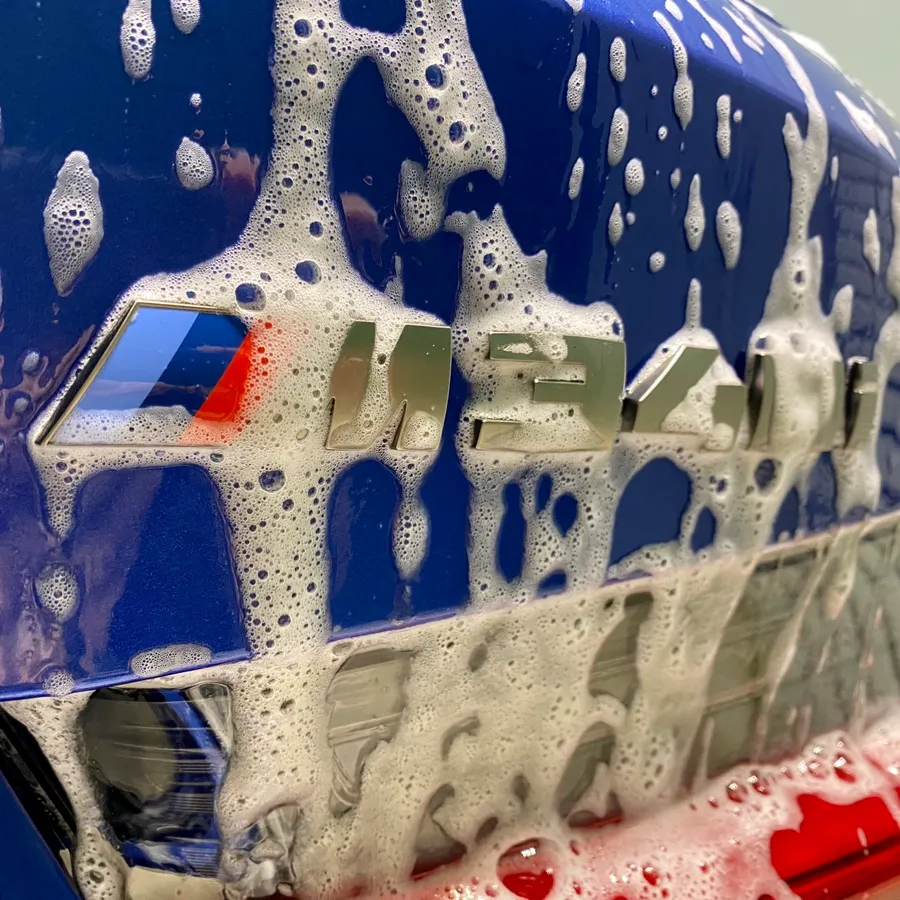
- Thorough Wash and Decontamination: Before any correction can begin, the vehicle must be immaculately clean. This includes a multi-step wash, iron remover application, and clay bar treatment to remove bonded contaminants that polishing alone won't address.
- Inspection: Using specialized lighting, a detailer will meticulously inspect the paint for all defects.
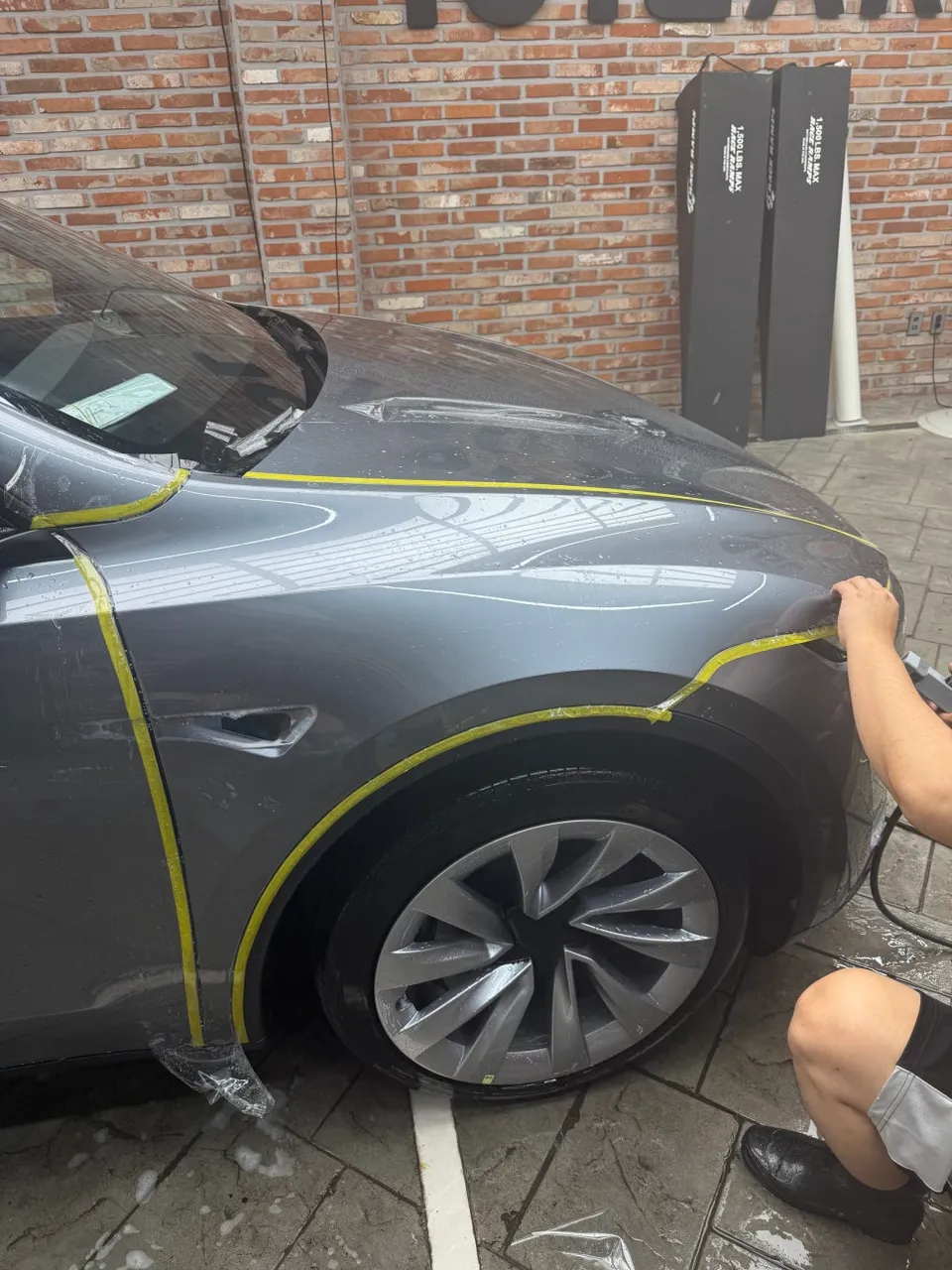
- Masking: Sensitive areas like trim, rubber seals, and headlights are masked off with painter's tape to prevent damage from the polishing pads and compounds.
- Multi-Stage Polishing: This is the core of the correction. Depending on the severity of the defects, a detailer might use a heavy-cut compound with a firm pad to remove deeper scratches, followed by a medium-cut polish with a softer pad to refine the finish, and finally, a finishing polish to achieve maximum clarity and gloss.
- Final Wipe Down: After polishing, the paint is wiped down with a panel wipe or isopropyl alcohol solution to remove any polishing oils, revealing the true condition of the paint.