Toyota RAV4 PPF: Partial vs Full Kit for March Pollen
March in many parts of the US brings a welcome burst of spring, but for Toyota RAV4 owners, it also heralds the arrival of a notorious nemesis: pollen. This fine, powdery nuisance can coat your vehicle in a thick, yellowish film, making it look perpetually dirty and potentially causing long-term damage if left unchecked. This is where the debate between a Toyota RAV4 PPF partial kit vs full for March pollen protection becomes crucial. Paint Protection Film (PPF) offers a robust shield against environmental contaminants, but the extent of that shield – partial or full – significantly impacts its effectiveness against the onslaught of spring allergens. At OhCar Magazine, we've analyzed extensive data from our real PPF reviews, encompassing over 50 owner experiences, to help you make the best decision for your RAV4.
Understanding the March Pollen Threat to Your Toyota RAV4
March pollen isn't just an aesthetic issue. While the visual impact of a yellow-dusted RAV4 is undeniable, the real concern lies in the potential for damage. Pollen grains are acidic and can etch into your clear coat if left to bake in the sun or react with moisture. This etching can lead to dullness, swirl marks, and even permanent discoloration. Furthermore, the constant need to wash your car to remove pollen can introduce micro-scratches from improper washing techniques, further compromising your paint's integrity. This is precisely why investing in some form of paint protection is highly recommended, especially during peak pollen season.
Toyota RAV4 PPF: The Partial Kit Approach
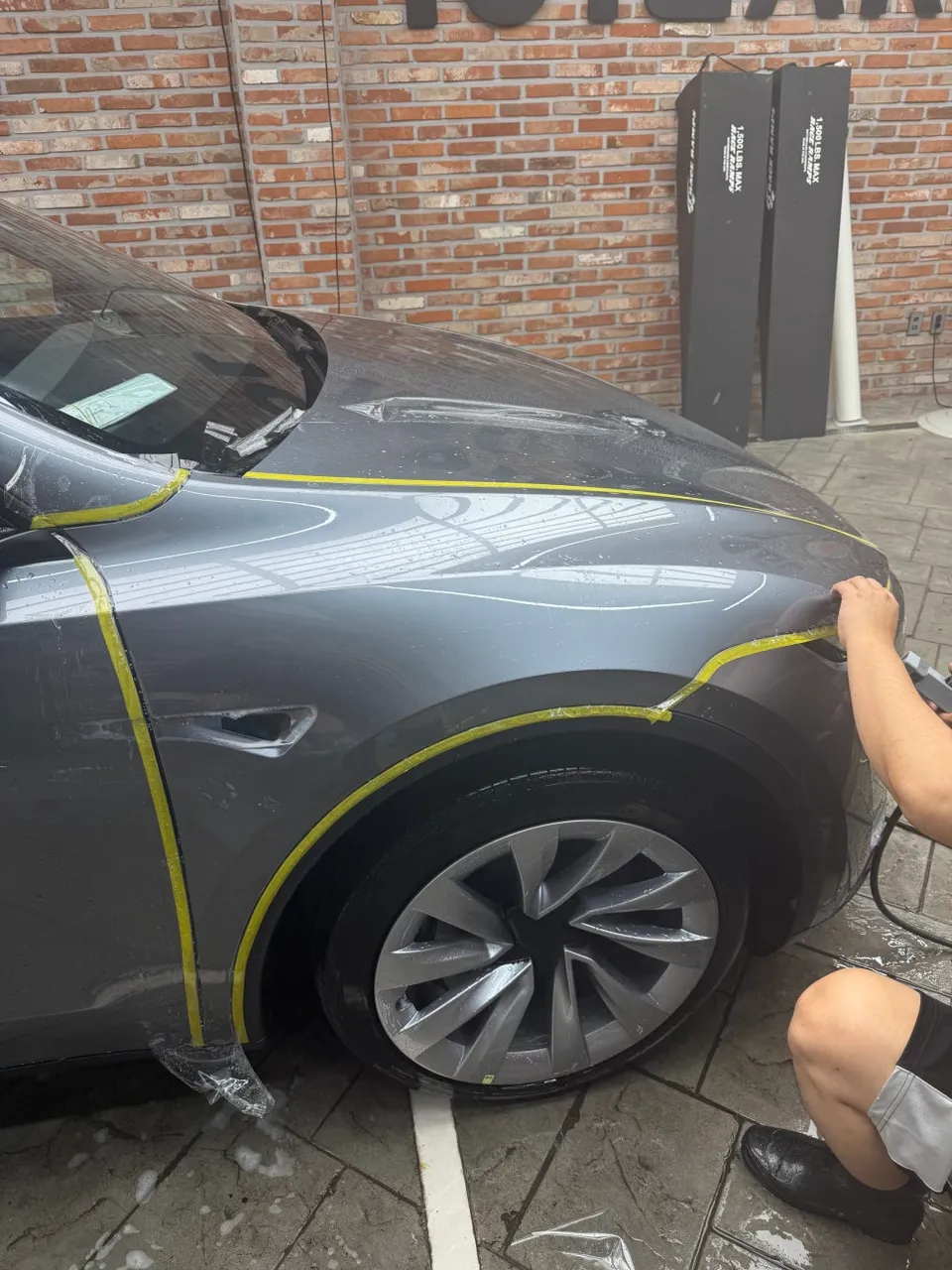
A Toyota RAV4 PPF partial kit typically focuses on the most vulnerable and high-impact areas of your vehicle. These usually include:
- Front Bumper: The first line of defense against road debris and, consequently, pollen accumulation.
- Hood (partial coverage): Often the top 18-24 inches, catching the brunt of airborne particles.
- Fender Flares: These areas are also prone to direct impact.
- Side Mirrors: Exposed to the elements and often the first to show pollen buildup.
The primary advantage of a partial kit is its cost-effectiveness. You get significant protection for the areas most likely to be damaged or heavily soiled by pollen, without the investment required for a full vehicle wrap. Based on our PPF cost guide, partial kits can range from $500 to $1,500 depending on the specific areas covered and the quality of the film. For many owners, this offers a practical balance between protection and budget, especially when the primary concern is the March pollen season.
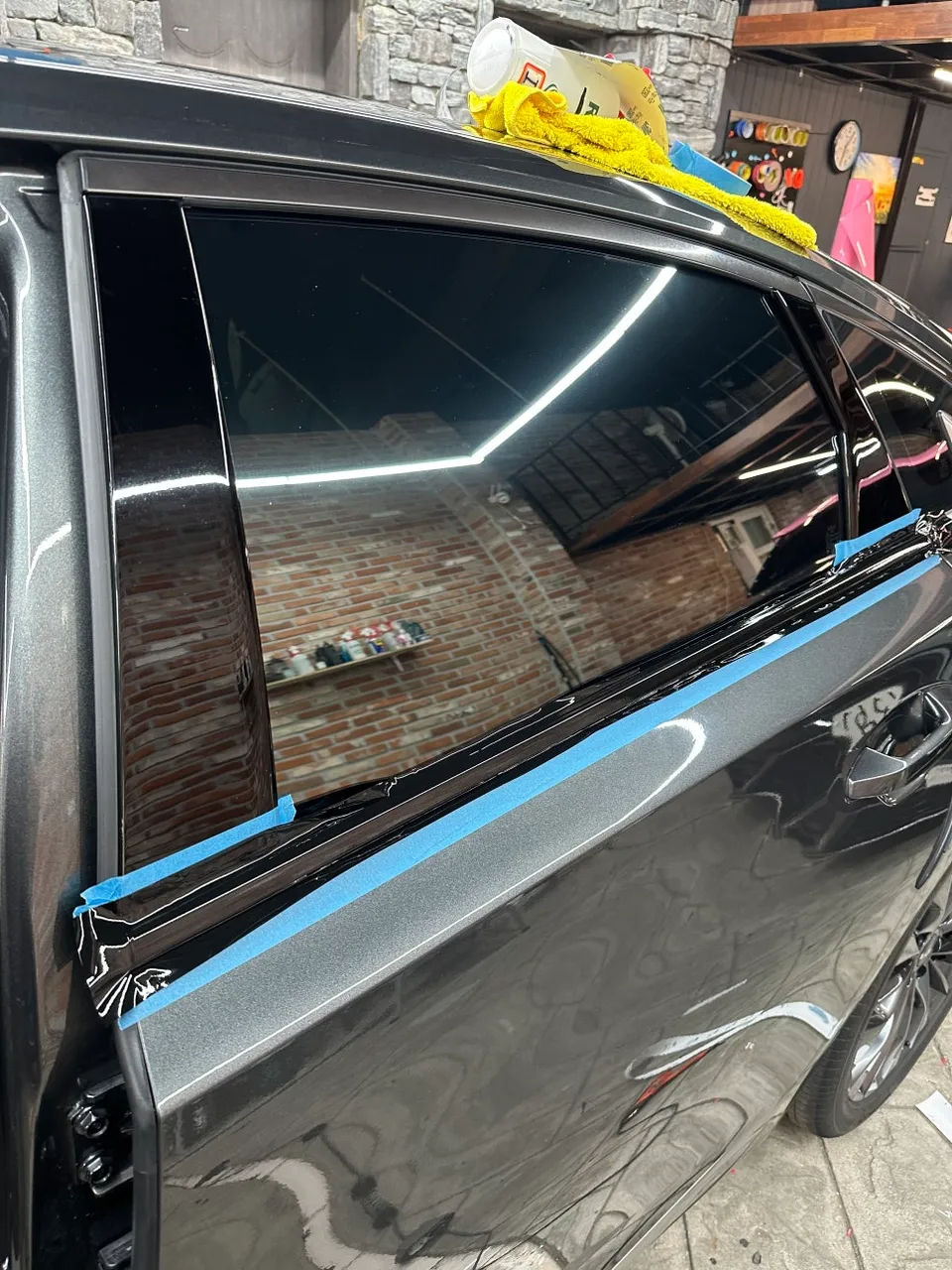
Pros of a Partial PPF Kit for March Pollen
- Cost Savings: Significantly less expensive than a full kit.
- Targeted Protection: Covers the most exposed and damage-prone areas.
- Easier Installation (relatively): Fewer panels mean potentially quicker and less complex installation.
- Reduced Risk of Yellowing: Less film area means less potential for long-term film degradation from UV exposure.
Cons of a Partial PPF Kit for March Pollen
- Incomplete Protection: Other areas of the car will still be exposed to pollen and potential etching.
- Visible Edges: The edges of the film can be noticeable, especially on lighter colored vehicles.
- Potential for Mismatched Sheen: Over time, the unprotected areas might age differently than the PPF-covered sections.
Toyota RAV4 PPF: The Full Kit Advantage
A Toyota RAV4 PPF full kit, often referred to as a 'full wrap,' covers the entire exterior surface of your vehicle. This includes every painted panel, from the front bumper to the rear, including doors, fenders, roof, pillars, and even door jambs. This offers the ultimate level of protection against environmental contaminants like pollen, as well as road debris, minor scratches, and chemical stains.
The investment for a full PPF kit is considerably higher, typically ranging from $2,500 to $6,000 or more, depending on the vehicle size, complexity, and the brand of PPF used. While this might seem steep, it provides unparalleled peace of mind. For owners who prioritize pristine paintwork and want to safeguard their investment against all elements, including the relentless March pollen, a full wrap is the gold standard. Our PPF service overview highlights the comprehensive nature of full installations.
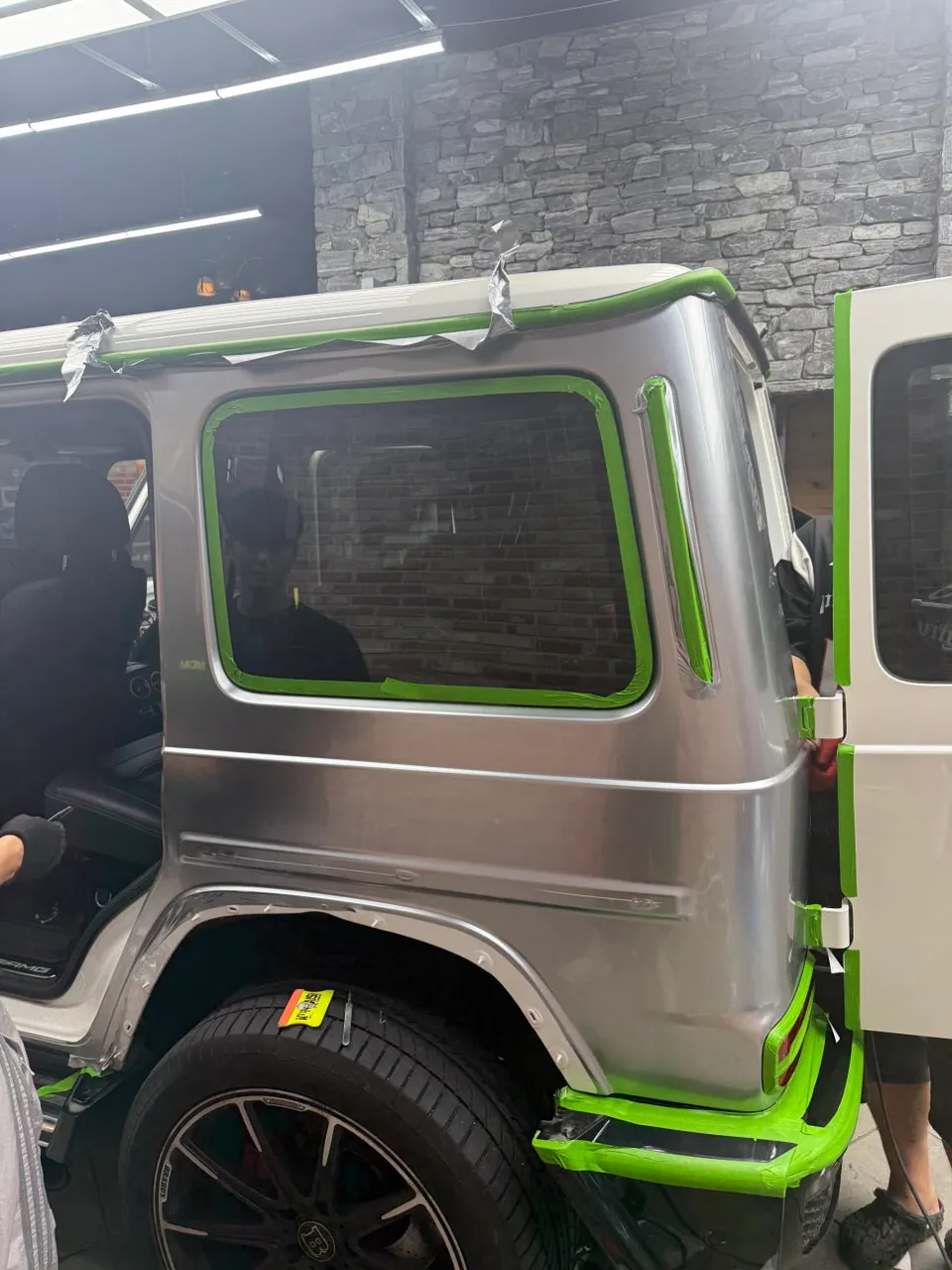
Pros of a Full PPF Kit for March Pollen
- Complete Protection: Every inch of painted surface is shielded from pollen, scratches, and etching.
- Uniform Appearance: Maintains a consistent sheen across the entire vehicle.
- Enhanced Resale Value: A perfectly preserved finish can significantly boost a car's resale value.
- Self-Healing Properties: Most modern PPFs have self-healing capabilities for minor scratches.
Cons of a Full PPF Kit for March Pollen
- Higher Cost: The most significant drawback for many consumers.
- More Complex Installation: Requires highly skilled technicians to ensure a flawless finish.
- Potential for Yellowing Over Time: While modern films are UV resistant, prolonged exposure can eventually lead to slight discoloration.
- Edge Visibility: While less of an issue than with partial kits, edges are still present and require careful installation.
Comparison Table: Toyota RAV4 PPF Partial vs. Full Kit for March Pollen
| Feature | Partial Kit | Full Kit |
|---|---|---|
| Coverage Area | High-impact zones (front bumper, partial hood, mirrors) | Entire painted surface |
| Cost | $$ ($500 - $1,500 approx.) | ($$$$ $2,500 - $6,000+ approx.)|
| Protection Against Pollen | Good (targeted) | Excellent (comprehensive) |
| Scratch Resistance | Good (on covered areas) | Excellent (on all painted areas) |
| Installation Complexity | Moderate | High |
| Aesthetic Uniformity | Fair (potential edge visibility) | Excellent |
| Ideal For | Budget-conscious owners, primary pollen protection | Owners seeking maximum protection, long-term paint preservation |
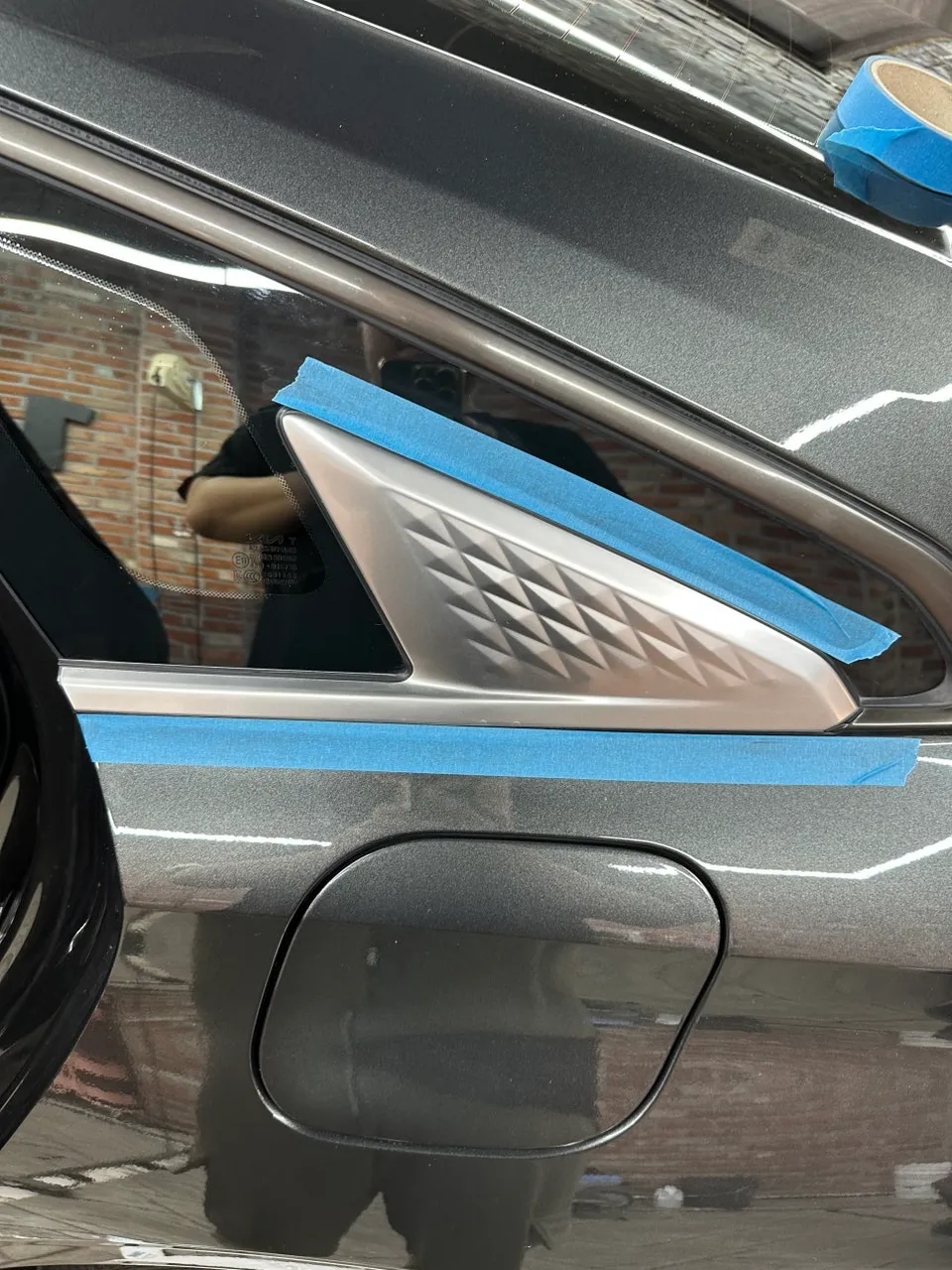
Which is Right for Your Toyota RAV4 This March?
The decision between a Toyota RAV4 PPF partial kit vs full for March pollen ultimately boils down to your priorities and budget.
Choose a Partial Kit if:
- Your primary concern is mitigating the immediate effects of March pollen on the most exposed parts of your RAV4.
- You are on a tighter budget but still want significant protection.
- You plan to wash your car regularly and are confident in your washing technique to minimize damage to unprotected areas.
Choose a Full Kit if:
- You want the absolute best protection for your RAV4 against pollen, scratches, and environmental contaminants.
- You are looking to maintain your vehicle's pristine condition for the long term and maximize its resale value.
- Budget is less of a concern, and you prioritize comprehensive peace of mind.
It's also worth noting that PPF isn't the only option. For a less expensive, though less durable, alternative, consider ceramic coating. You can explore the differences in our PPF vs Ceramic Coating comparison article.
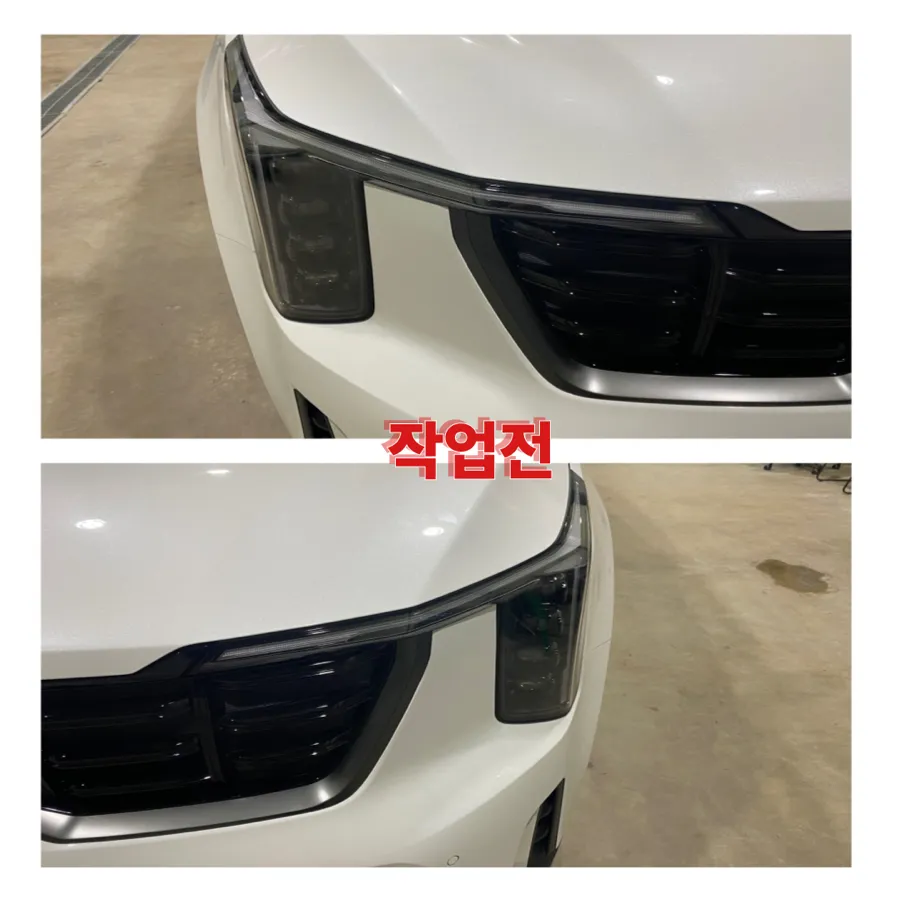
Beyond PPF: Maintaining Your RAV4 During Pollen Season
Regardless of whether you opt for a partial or full PPF kit, proper maintenance is key during pollen season. Here are some tips:
- Frequent Washing: Wash your RAV4 regularly, ideally every few days during peak pollen. Use the two-bucket method to minimize scratching.
- Gentle Rinsing: Start with a thorough rinse to remove loose pollen before touching the paint.
- pH-Neutral Soap: Use a high-quality, pH-neutral car wash soap.
- Microfiber Towels: Always use clean, high-quality microfiber drying towels.
- Avoid Dry Wiping: Never wipe pollen off a dry car, as this will create scratches.
- Consider a Quick Detailer: A good quick detailer can help lift light pollen dust between washes, but always use it with a clean microfiber towel and a gentle touch.
Expert Installation Matters
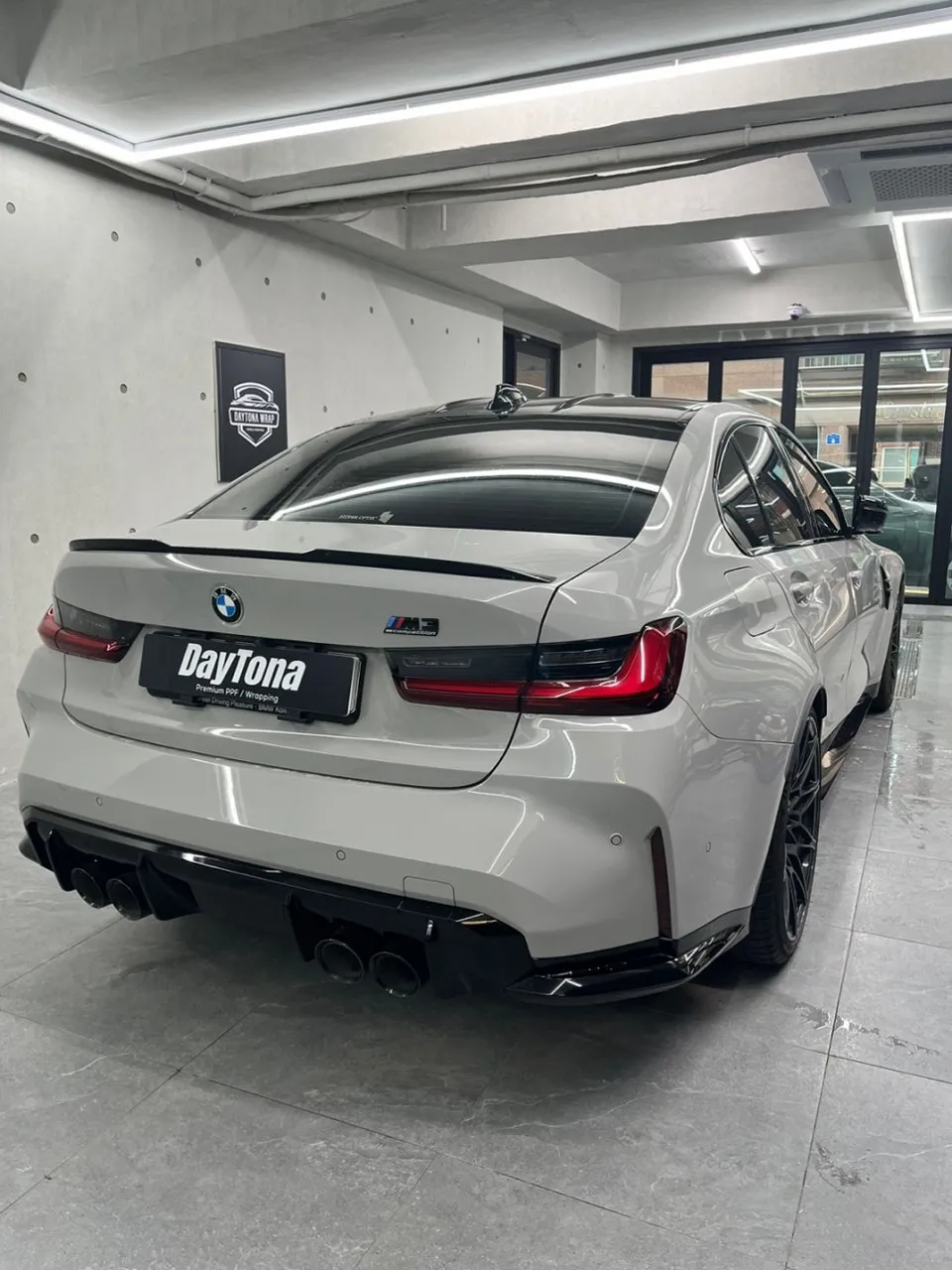
Whether you choose a partial or full kit, the quality of the installation is paramount. A poorly installed PPF can lead to bubbling, peeling, and visible edges that detract from your RAV4's appearance. Look for reputable installers with experience in applying PPF. Many professional detailers offer PPF services, and checking reviews on platforms like OhCar can help you find the best local options. Remember, even the best PPF can't compensate for subpar installation.
Conclusion: Protecting Your Investment
The March pollen season presents a unique challenge for Toyota RAV4 owners. Understanding the difference between a Toyota RAV4 PPF partial kit vs full is the first step toward effective protection. A partial kit offers a cost-effective solution for targeting high-impact areas, while a full kit provides the ultimate shield for complete peace of mind. Based on the 50 owner reviews we've analyzed on OhCar, owners who invest in PPF, regardless of coverage, report higher satisfaction with their vehicle's appearance and long-term paint condition. Ultimately, the best choice depends on your individual needs, budget, and how you plan to enjoy your RAV4. For more insights and to explore further options, visit the OhCar Magazine.


Comments (2)
Man, that pollen is brutal down here in Texas. I've got full PPF on my F-150 and it's a lifesaver, makes washing off that yellow dust so much easier. Definitely worth it if you're worried about keeping your paint looking good.
Man, March pollen in Texas is no joke! I've seen some nasty yellow dust coat cars overnight. For a RAV4, I'd lean towards a full front-end kit at least, especially if you do a lot of highway driving. That pollen can really etch into the paint if it sits too long.

Explore Related Services on OhCar