BMW 3 Series Seat Ventilation Installation Review — Cost
Service Price
$under $40
Estimated price · Actual price may vary by shop
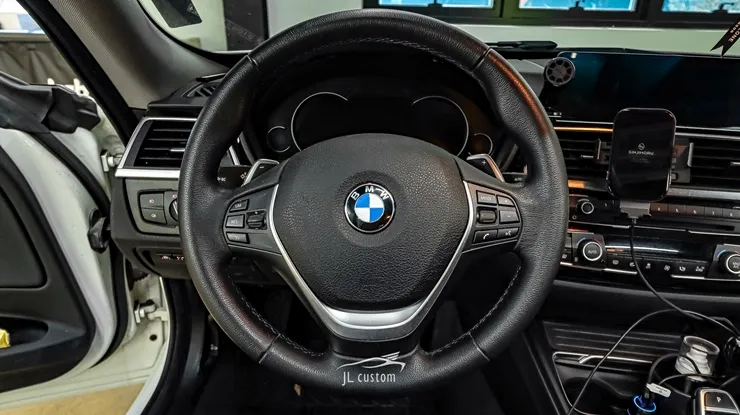
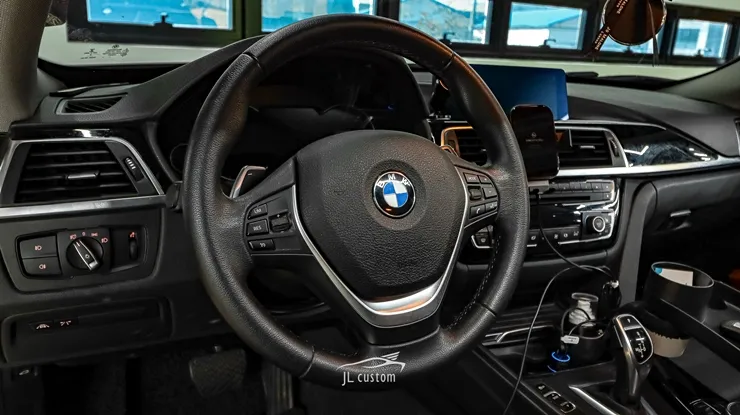
BMW 3 Series seat climate upgrade: ~$250+. Adds heating/cooling for year-round comfort.
Upgrade Your BMW 3 Series with Seat Ventilation & Heating
For BMW 3 Series owners who find their premium vehicle lacking in comfort features, particularly during extreme weather, a seat ventilation and heating retrofit can be a game-changer. While many luxury cars come with these amenities standard, some models, like the BMW 320d mentioned in the original Korean context, may not include them from the factory. This review explores the process, benefits, and considerations of adding seat climate control to your BMW 3 Series, focusing on what US and UK drivers need to know.
Seat Ventilation & Heating Installation Process
The installation of seat ventilation and heating systems, often referred to as a seat climate upgrade, involves a meticulous process to ensure both functionality and aesthetics. The goal is to integrate the system seamlessly, maintaining the original look and feel of your BMW 3 Series seats. While the original context details a steering wheel heater installation, the principles for seat climate control are similar in their focus on careful integration and quality materials.
Installation Process:
- Seat Disassembly: The seat covers are carefully removed to access the underlying foam and structure.
- Component Integration: Thin, efficient heating and ventilation elements are precisely placed and secured onto the seat foam. This ensures even distribution of heat or airflow.
- Wiring and Control: Electrical connections are made to the vehicle's power system, and a discreet control switch is installed in an accessible location, often near the existing seat controls or dashboard.
- Reassembly and Finishing: The seat covers are re-stitched and re-fitted, ensuring a factory-like appearance and maintaining the original seat's comfort and ergonomics. High-quality materials, often similar to OEM standards, are used for the re-upholstery.
A key consideration during installation is minimizing any noticeable change in the seat's thickness or feel. Skilled technicians work to ensure that the added components are as unobtrusive as possible, preserving the original grip and comfort of the seats. The focus is on a high-quality finish that looks and feels as close to a factory-installed option as possible.
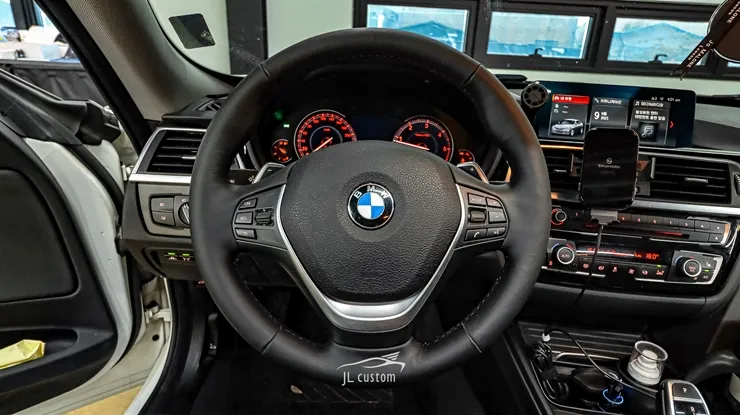
Before & After: The Benefits of Seat Climate Control
The most significant benefit of a seat ventilation and heating upgrade is the enhanced driving comfort it provides year-round. In cold winters, heated seats offer rapid warmth, eliminating the discomfort of sitting on icy surfaces. Conversely, during hot summers, the ventilation feature circulates air, reducing perspiration and keeping you cool and comfortable on long drives. The original Korean context highlights the convenience of heated steering wheels, and seat climate control offers a similar level of daily comfort improvement.
After installation, you'll notice a discreetly placed switch that allows for easy adjustment of the heating and cooling levels. Many systems offer multiple settings and can maintain a comfortable temperature for extended periods, making commutes and road trips significantly more pleasant. The durability of these aftermarket systems is generally good, often lasting several years with proper care, similar to OEM components. Maintenance typically involves keeping the seat upholstery clean and ensuring the ventilation intakes are free from debris.
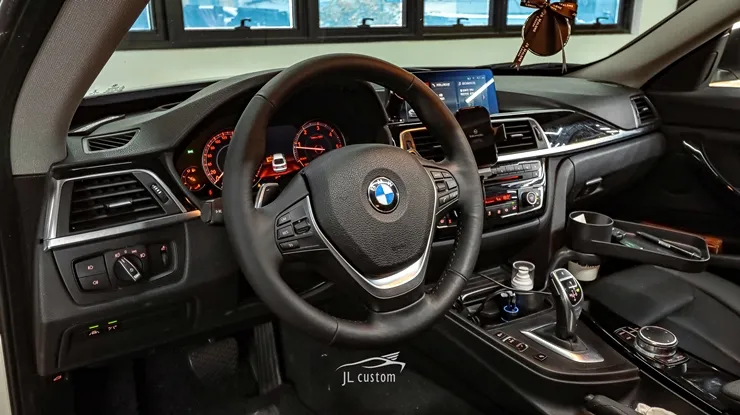
Is a Seat Ventilation & Heating Upgrade Worth It for Your BMW 3 Series?
Deciding whether to invest in a seat ventilation and heating retrofit for your BMW 3 Series depends on your priorities and budget. If your vehicle lacks these features and you frequently experience uncomfortable temperatures during your drives, the added comfort can be well worth the cost. The installation cost for such upgrades can vary, but in the US, you might expect prices ranging from several hundred dollars upwards, depending on the system's complexity and the installer's expertise. The original Korean context mentions a price point starting in the 300,000 KRW range (approximately $220-$250 USD at the time of writing), plus potential variations based on material quality and switch type, with installation taking around 3-4 hours.
While the upfront cost is a factor, consider the long-term benefits: improved driving experience, increased comfort, and potentially enhanced resale value if these features are highly sought after in your market. For drivers who prioritize comfort and regularly face challenging weather conditions, a seat climate upgrade can significantly enhance their ownership experience, making it a worthwhile investment.
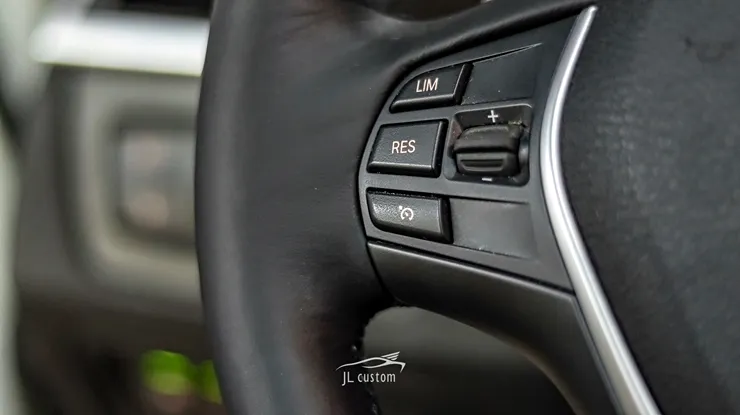
Frequently Asked Questions
Q. How much does ventilated seat installation cost for a BMW 3 Series?
While the original context mentions a price starting around 300,000 KRW (approx. $220-$250 USD), typical US installation costs for aftermarket seat ventilation and heating systems can range from $400 to $1000 or more, depending on the system and vehicle.
Q. How long does seat ventilation installation take on a BMW 3 Series?
Seat ventilation and heating installation typically takes between 3 to 5 hours to complete, depending on the complexity of the system and the specific vehicle. To ensure longevity, keep the seat upholstery clean and regularly check that air vents are not obstructed.
Q. Are aftermarket ventilated seats worth it for a BMW 3 Series?
Aftermarket ventilated seats are worth it for BMW 3 Series owners who frequently experience uncomfortable temperatures and desire enhanced driving comfort. The value lies in the significant improvement to daily driving experience, especially in climates with extreme heat or cold.
Q. How are ventilated seats installed in a BMW 3 Series?
Installation involves carefully removing seat covers, integrating thin heating and ventilation elements onto the seat foam, connecting the wiring, and installing a discreet control switch. Finally, the seat covers are re-stitched and re-fitted for a factory-like finish.
Q. What is the difference between OEM and aftermarket ventilated seats for a BMW 3 Series?
OEM ventilated seats are factory-integrated with specific vehicle wiring and controls, often offering seamless integration. Aftermarket systems provide a retrofit solution, potentially offering more customization but requiring professional installation to match OEM fit and finish.
OhCar Partner Shop