Hyundai Staria Seat Climate Upgrade Review
Service Price
$75–115
Estimated price · Actual price may vary by shop
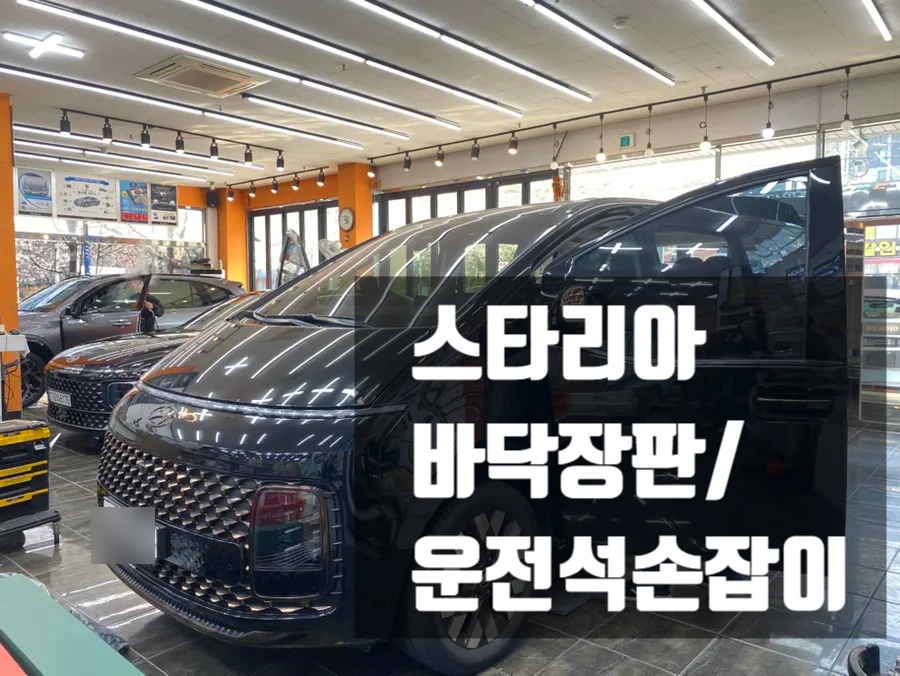
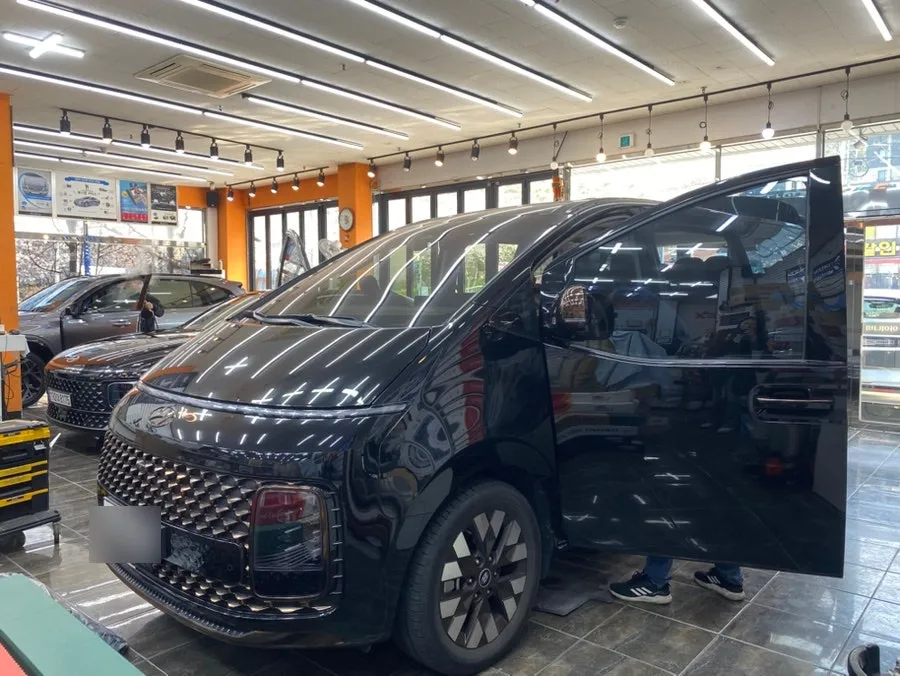
Hyundai Staria seat climate upgrade: $750-$1500+. Enhances comfort with cooling and heating, improving driving experience.
Enhancing Your Hyundai Staria's Comfort: Seat Ventilation & Heating Retrofit
The Hyundai Staria offers a spacious and versatile interior, but for many owners, the comfort can be significantly enhanced with the addition of seat ventilation and heating. While not always standard, retrofitting these features can dramatically improve the driving and passenger experience, especially during extreme weather conditions. This review delves into the process, benefits, and considerations for upgrading your Staria's seats.
The Case for Seat Climate Control in the Staria
The Staria's large cabin is a major selling point, but the standard seat materials can sometimes leave occupants feeling too warm in the summer or too cold in the winter. For those who use their Staria for long journeys, as a family vehicle, or even for commercial purposes where passenger comfort is key, adding seat ventilation and heating is a worthwhile investment. The original Korean context for a similar vehicle highlighted how floor paneling and auxiliary handles improve convenience; similarly, seat climate control addresses a core comfort need.
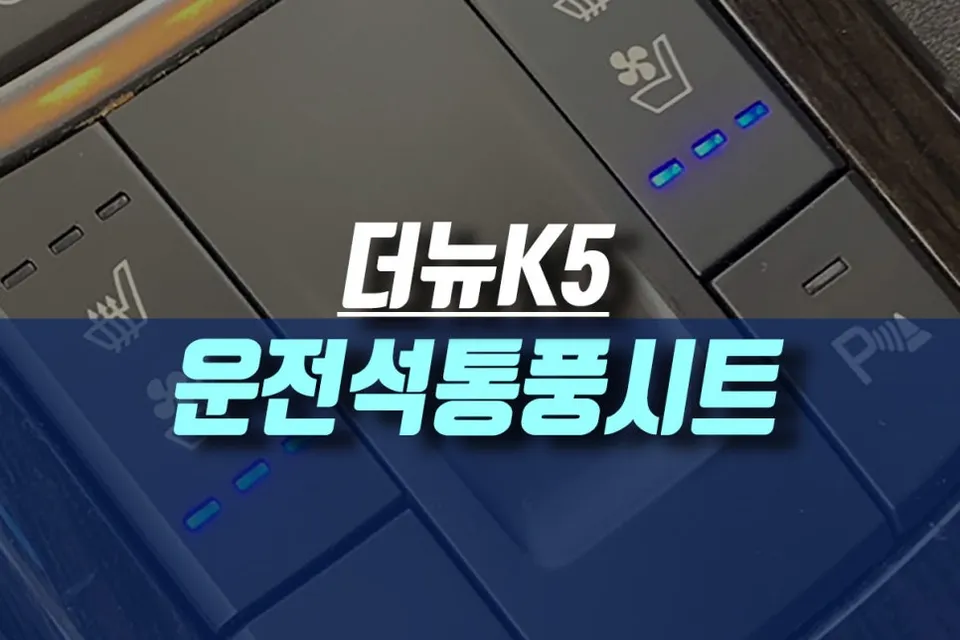
Seat ventilation works by drawing air through the seat perforations, creating a cooling effect that wicks away moisture and heat. This is particularly beneficial on hot days, preventing that sticky, uncomfortable feeling. Conversely, seat heating uses integrated heating elements to provide gentle warmth, making cold commutes or winter mornings much more bearable. The ability to control these functions independently allows for personalized comfort year-round.
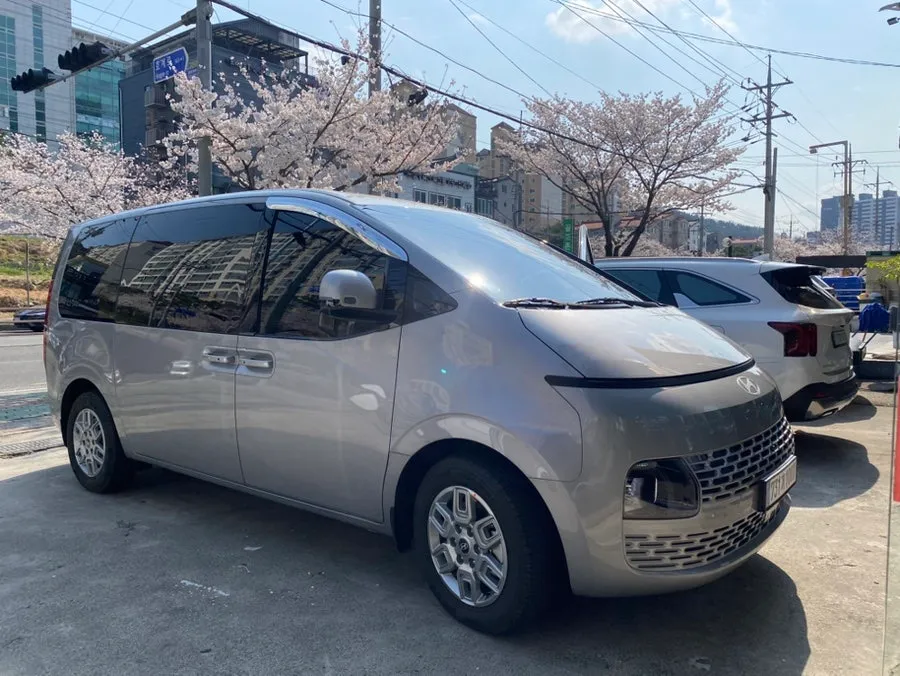
Seat Ventilation & Heating Installation Process
Installing seat ventilation and heating systems typically involves integrating heating elements and fan modules into the seat cushions and backrests. The process requires careful disassembly of the seat covers, precise placement of the components, and professional wiring to the vehicle's electrical system. While specific kits vary, the general steps are as follows:
- Seat Disassembly: The seat covers are carefully removed to access the internal padding.
- Component Integration: Heating pads and ventilation fans are securely attached to the seat structure and foam.
- Wiring: Electrical connections are made to the vehicle's power source and control modules, often routed discreetly.
- Control Unit Installation: Switches or control panels are installed in an accessible location, such as the dashboard or center console.
- Reassembly and Testing: Seats are put back together, and all functions are tested to ensure proper operation.
Professional installation is highly recommended to ensure safety and optimal performance. The original Korean context mentioned a specific workshop in Gimhae for vehicle modifications, indicating that specialized installers are available for such upgrades. While this specific review focuses on seat climate control, the principle of seeking expert local service applies.

Durability, Maintenance, and Cost Considerations
The durability of aftermarket seat ventilation and heating systems can vary depending on the quality of the components and the installation. Reputable kits are designed to withstand regular use. Maintenance usually involves keeping the seat perforations clear of debris to ensure proper airflow for ventilation. For heating elements, occasional checks of the wiring connections might be necessary over the long term.
Regarding cost, the original Korean context for a different modification (floor paneling and handles) suggested prices ranging from approximately ₩500,000 to ₩1,000,000 (roughly $370-$750 USD) for the floor work and ₩100,000 to ₩200,000 (roughly $75-$150 USD) for the handle. For seat ventilation and heating retrofits in the US, you can typically expect costs to range from $750 to $1,500 per set of front seats, depending on the system's complexity and the installer's rates. While the exact price for a Staria in the US isn't specified in the source, this provides a general benchmark. The value proposition lies in the significant boost to comfort and driving pleasure, making it a worthwhile consideration for many Staria owners.

Frequently Asked Questions
Q. How much does ventilated seat installation cost for a Hyundai Staria?
While specific US pricing for the Staria isn't detailed here, aftermarket seat ventilation and heating systems in the US generally range from $750 to $1,500 per set of front seats. The original Korean context for a different modification suggested costs around $75-$150 USD for auxiliary handles, indicating a range of possibilities for accessory installations.
Q. How durable are aftermarket ventilated seats for a Hyundai Staria?
Reputable aftermarket seat ventilation and heating systems are designed for durability with regular use. To maintain optimal performance, ensure the seat perforations remain clear of debris for proper airflow, and periodically check wiring connections for the heating elements.
Q. Are aftermarket ventilated seats worth it for a Hyundai Staria?
Aftermarket ventilated and heated seats are highly recommended for Staria owners seeking to significantly enhance cabin comfort, especially for long drives or in varying climates. The added comfort and personalized climate control offer a substantial improvement to the overall driving experience.
Q. How are ventilated seats installed in a Hyundai Staria?
Installation involves carefully disassembling the seats to integrate heating pads and ventilation fans into the cushions and backrests. Electrical connections are then professionally made to the vehicle's power system, and control switches are installed for operation.
Q. What is the difference between OEM and aftermarket ventilated seats for a Hyundai Staria?
OEM (Original Equipment Manufacturer) ventilated seats are integrated directly from the factory, offering a seamless look and guaranteed compatibility. Aftermarket systems are retrofitted, providing a similar function but potentially with visible controls and varying integration levels; they are often a more accessible option for adding the feature post-purchase.
OhCar Partner Shop