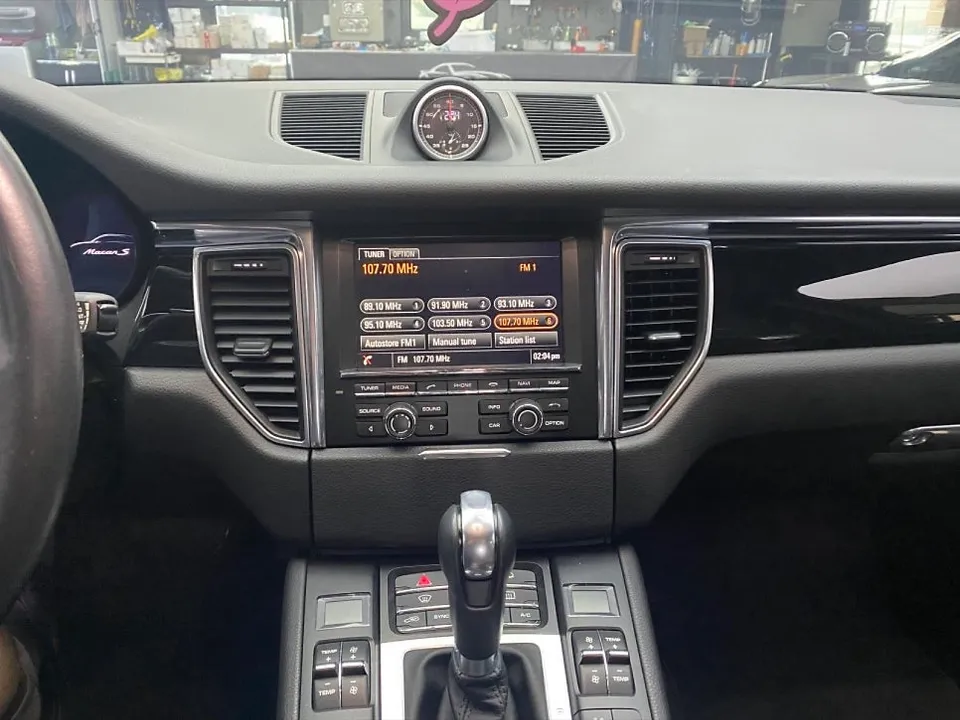
Mercedes-Benz A-Class Seat Climate Upgrade Review
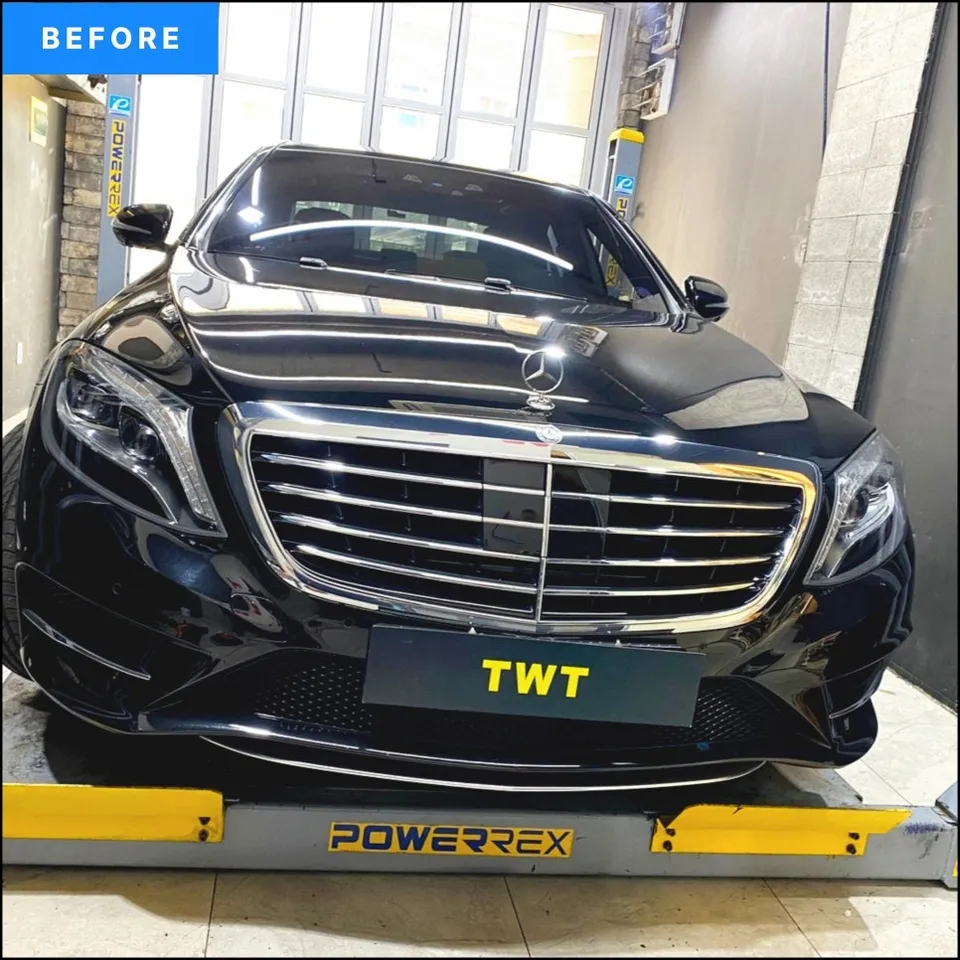
Before
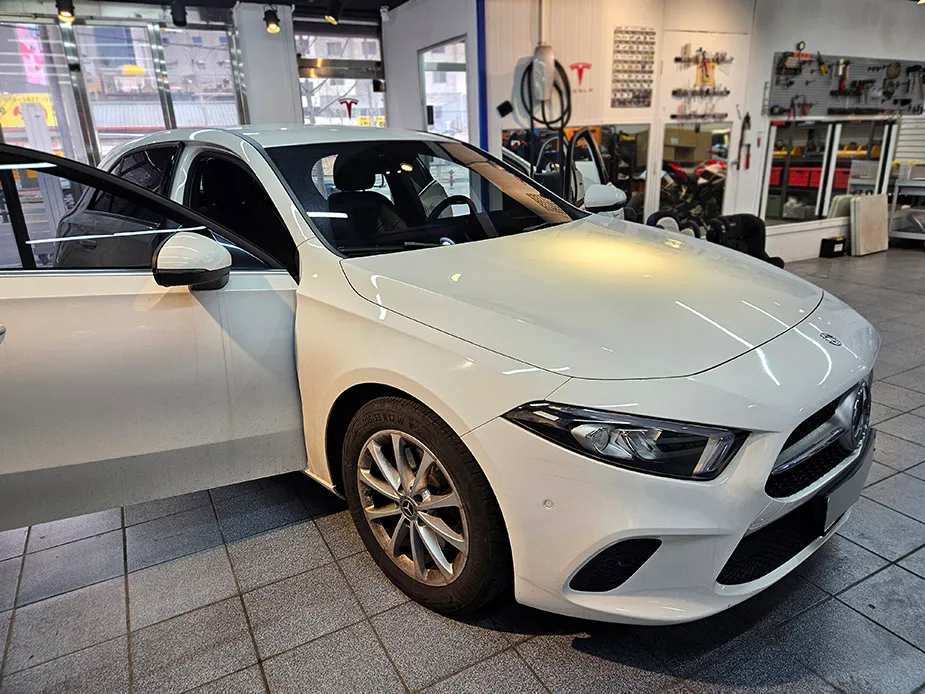
After
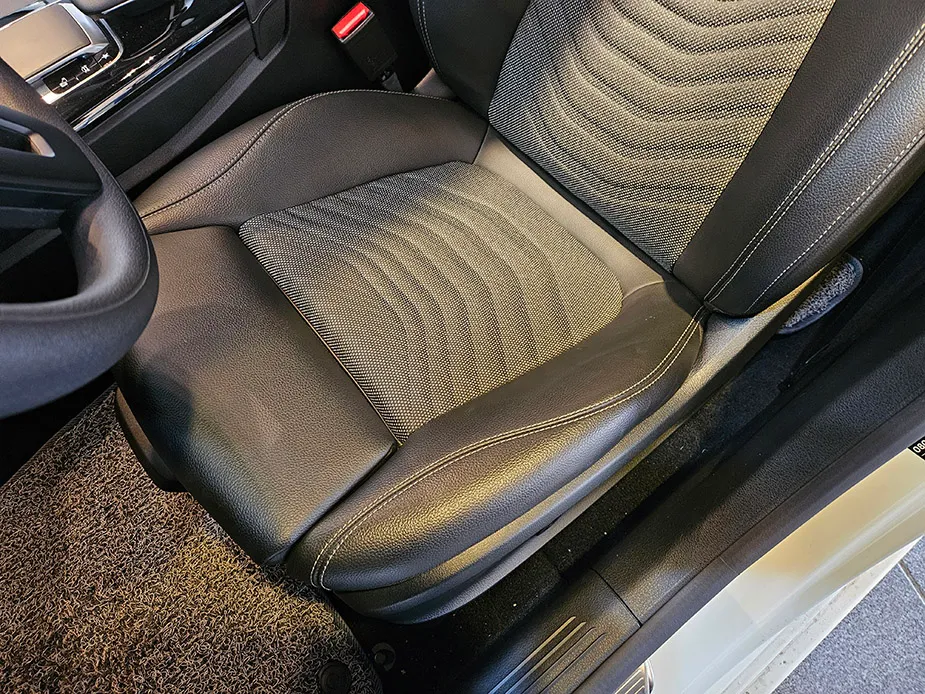
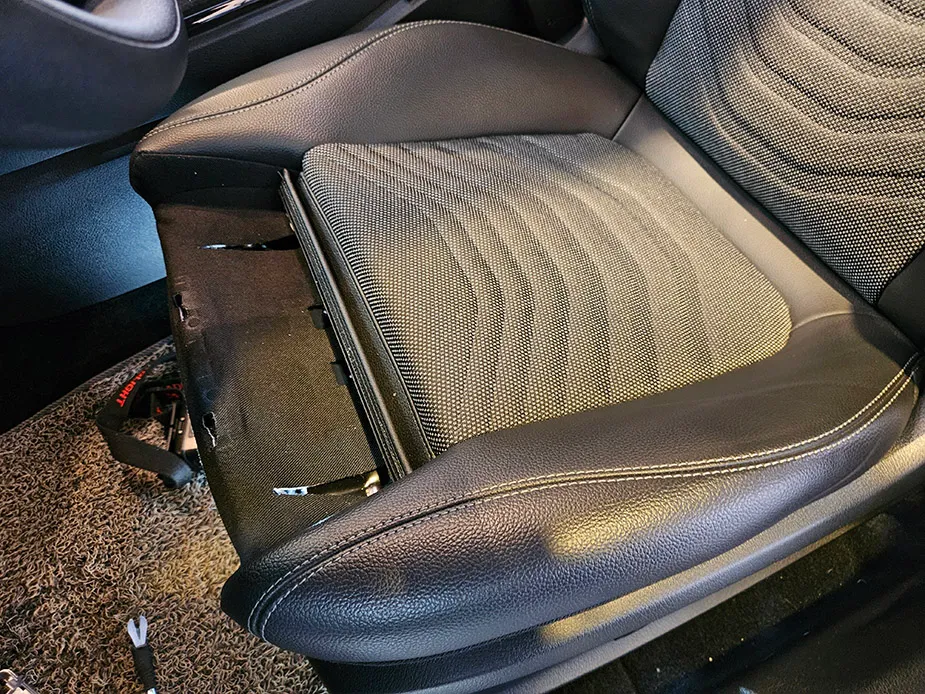
Process photos
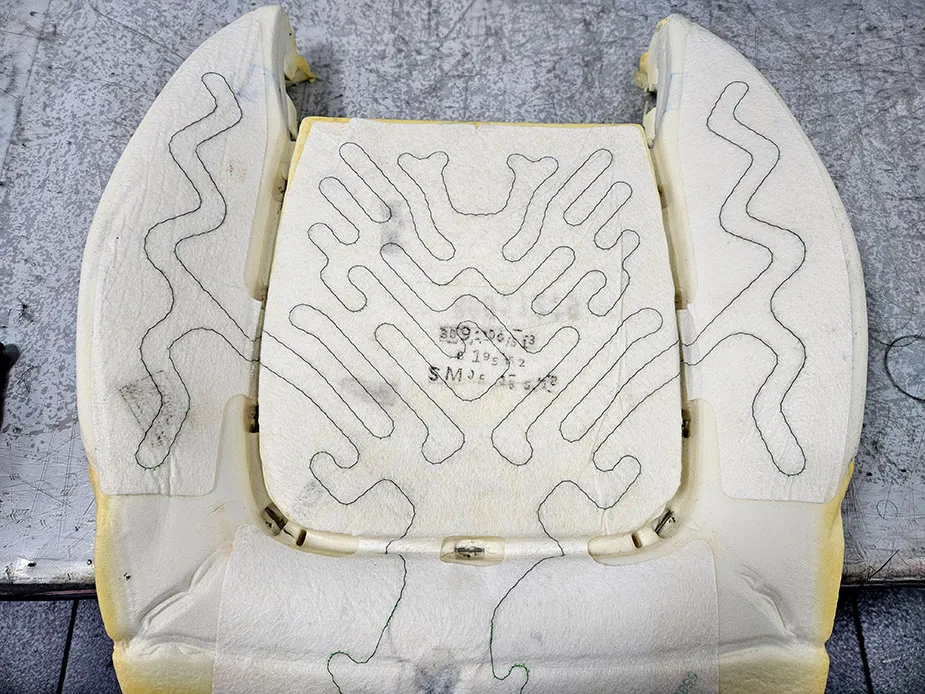
Mercedes-Benz A-Class seat heating repair and cabin air filter replacement completed in South Korea. Improved comfort and air quality.
Mercedes-Benz A-Class Seat Climate Upgrade: Beyond Basic Heating
For Mercedes-Benz A-Class owners, especially those with the W177 model, comfort is paramount. While many vehicles come with basic heating, the desire for advanced climate control, including seat ventilation and heating, is growing. This review delves into a specific case of seat heating repair and enhancement for a Mercedes-Benz A-Class, offering insights into the process, potential issues, and the overall value of such upgrades. While the original context for this service was in South Korea, the principles and potential outcomes are relevant for A-Class owners in the US and UK considering similar climate solutions.
Addressing Seat Heating Malfunctions and Enhancements
A common issue, particularly with pre-owned vehicles like the Mercedes-Benz A-Class, is the malfunction of heated seats. This can stem from wear and tear on the heating elements or wiring, often due to the previous owner's usage patterns. In one instance, a W177 A-Class owner sought repair for non-functional heated seats. The diagnosis revealed multiple instances of wire breakage within the seat's heating system, a problem that requires meticulous attention. Unlike a simple patch-up, a proper repair involves identifying the exact points of failure, which can be hidden beneath the seat upholstery. The intricate wiring is embedded along with the seat padding, making access and repair challenging without specialized knowledge. This is where professional expertise becomes crucial. The repair process focused on not just reconnecting broken wires but ensuring a durable and robust fix, often surpassing the original factory installation in resilience. After the repair, a thorough test confirmed the heating elements were functioning correctly, rapidly reaching optimal temperatures, ensuring a warm and comfortable driving experience during colder months.
The Importance of Cabin Air Quality: Beyond Seat Comfort
Complementing seat comfort is the quality of the air inside the cabin. Another common concern, especially in used cars, is the presence of unpleasant odors when the climate control system is activated. This often points to a neglected or outdated cabin air filter. In the case of the A-Class discussed, the owner also reported musty smells. Upon inspection, the existing cabin air filter was heavily contaminated with debris and dust, accumulated over time. Replacing a clogged cabin air filter is essential not only for eliminating odors but also for preventing the circulation of allergens, dust, and bacteria throughout the vehicle's interior. This directly impacts the health and well-being of all occupants. The process involved removing the old filter, cleaning the surrounding housing, and installing a fresh, high-quality filter. The visual difference between the old and new filters was stark, highlighting the necessity of regular replacement. This simple yet vital maintenance task significantly contributes to a fresher and healthier cabin environment, working in tandem with seat climate upgrades to provide a superior driving experience.
Installation Process: Seat Ventilation & Heating Retrofit
While the original context focused on repair, the principles of installing seat ventilation and heating systems share similarities in terms of complexity and the need for professional execution. The process generally involves:
- Disassembly: Carefully removing seat covers and padding to access the internal structure.
- Component Integration: Installing the new heating elements and/or ventilation fans and ducting within the seat structure.
- Wiring: Connecting the new components to the vehicle's electrical system, often requiring integration with existing climate controls or adding new switches.
- Reassembly: Meticulously putting the seat back together, ensuring all components are securely fitted and the upholstery is restored to its original appearance.
- Testing: Thoroughly testing all functions of the new seat climate system to ensure proper operation.
The durability of these systems depends heavily on the quality of the components used and the precision of the installation. Professional retrofits often use high-grade materials designed for longevity. Regular maintenance, such as periodic checks of the cabin air filter and ensuring no obstructions to ventilation, will help maintain optimal performance. For Mercedes-Benz A-Class owners seeking to enhance their driving comfort, investing in a professional seat climate upgrade, whether for heating, ventilation, or both, can significantly improve the in-car experience, especially during extreme weather conditions.
Frequently Asked Questions
Q. How much does ventilated seat installation cost for a Mercedes-Benz A-Class?
The specific repair mentioned for the Mercedes-Benz A-Class in South Korea involved fixing existing heated seats. While exact retrofit costs for new ventilated seats vary widely by region and specific components, expect a significant investment for professional installation in the US or UK.
Q. How long does seat ventilation installation take on a Mercedes-Benz A-Class?
The durability of seat ventilation and heating systems depends on the quality of parts and installation, often lasting many years with proper care. Regular maintenance, including checking cabin air filters and ensuring vents are clear, helps maintain longevity.
Q. Are aftermarket ventilated seats worth it for a Mercedes-Benz A-Class?
Ventilated and heated seats offer significant comfort improvements, especially for drivers who experience extreme temperatures regularly. For those who value enhanced interior comfort and are willing to invest in the upgrade, a professional retrofit can be a worthwhile enhancement to their Mercedes-Benz A-Class.
Q. How are ventilated seats installed in a Mercedes-Benz A-Class?
Installation typically involves disassembling the seat to integrate heating elements and/or ventilation fans. The components are then wired into the vehicle's electrical system, followed by careful reassembly and functional testing.
Q. What is the difference between OEM and aftermarket ventilated seats for a Mercedes-Benz A-Class?
OEM (Original Equipment Manufacturer) parts are designed by Mercedes-Benz, ensuring perfect integration and quality, but are often more expensive. Aftermarket options can offer similar functionality at a potentially lower cost, but quality and integration can vary significantly, making professional installation crucial.
OhCar Partner Shop