BMW M5 Ventilated Seats Review — Cost & Results
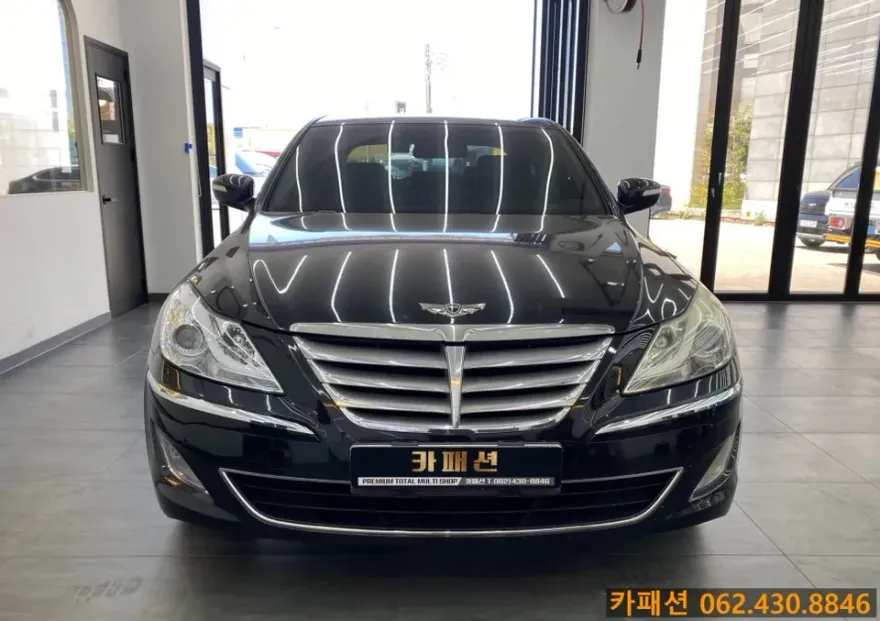
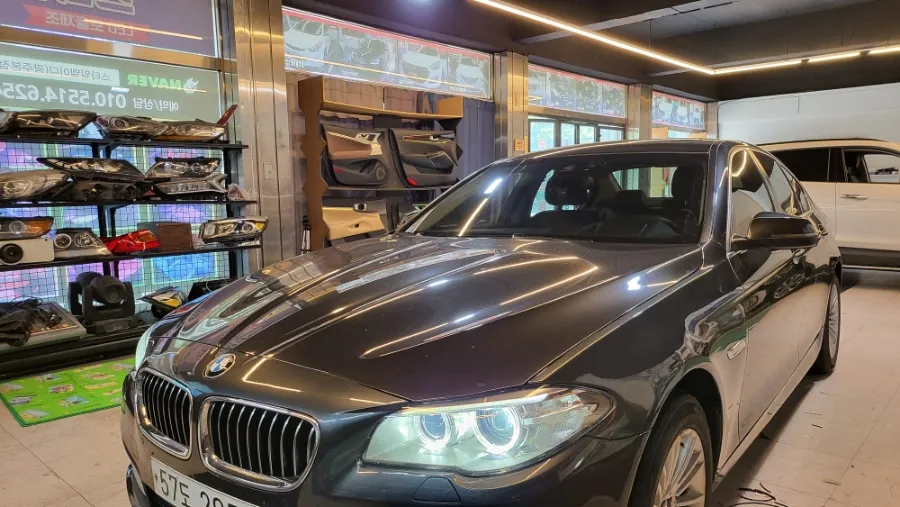
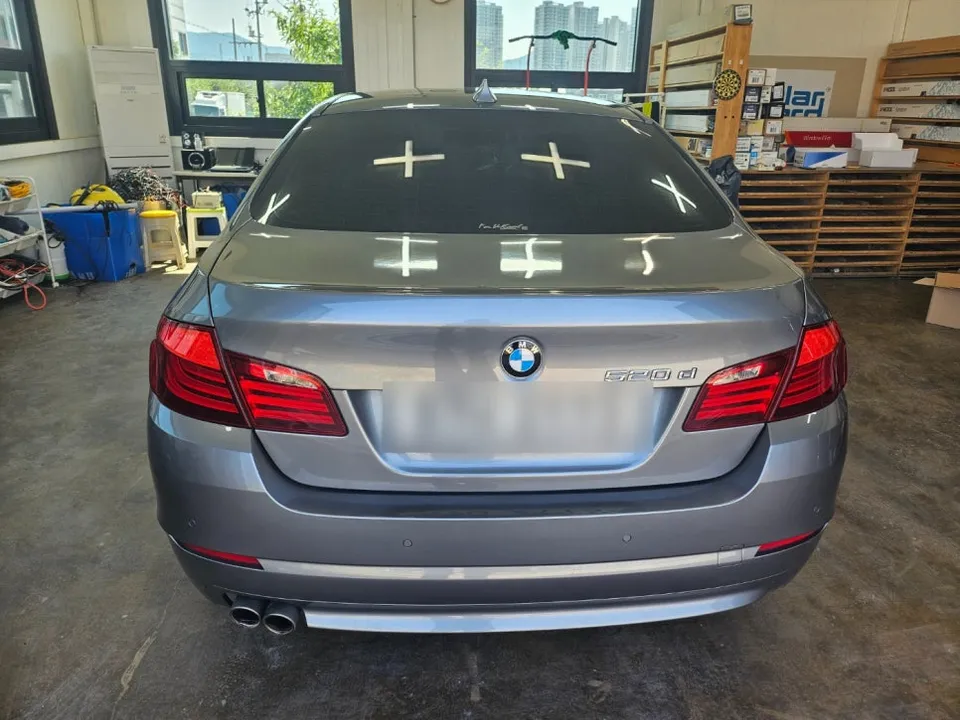
Before
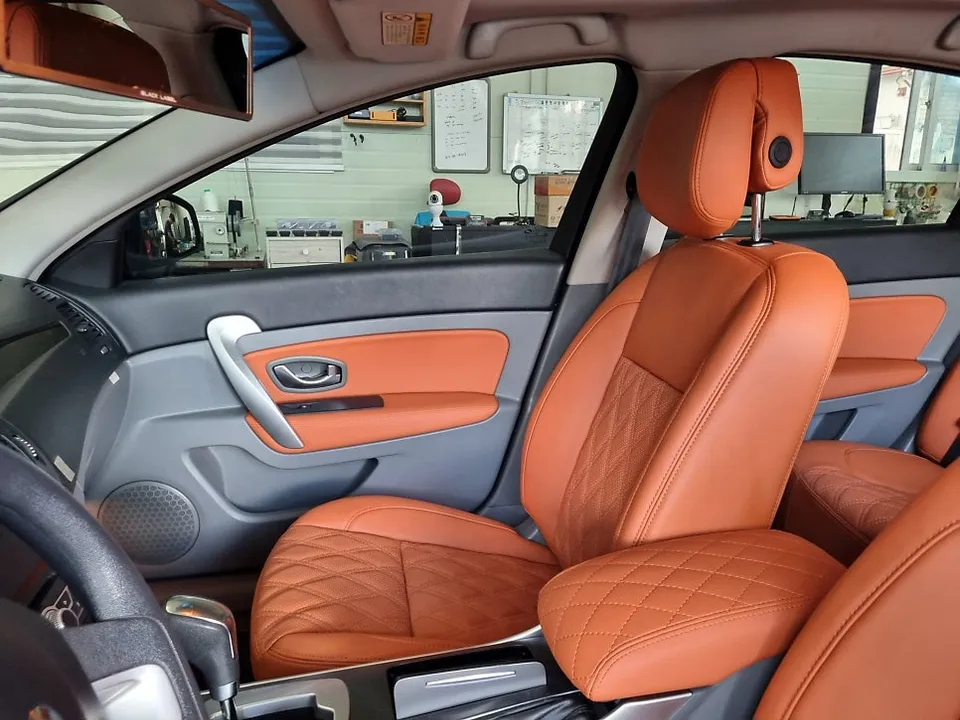
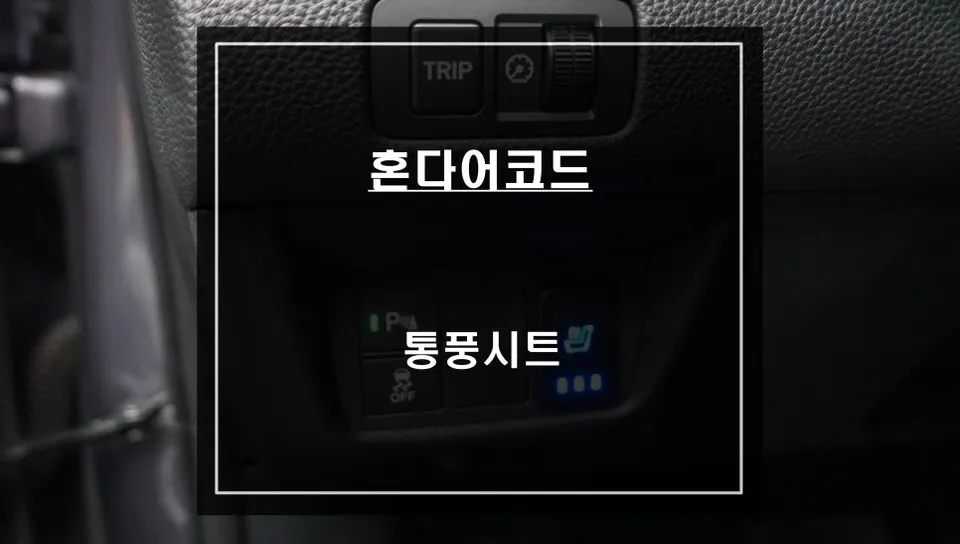
After
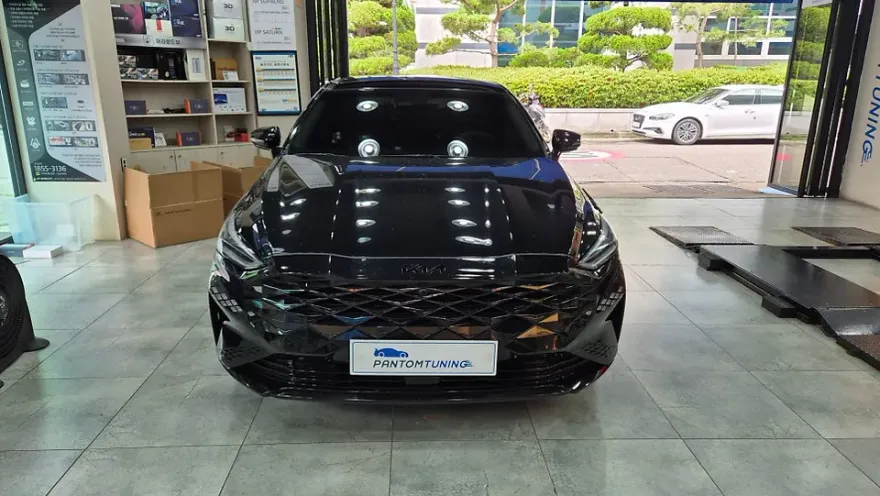
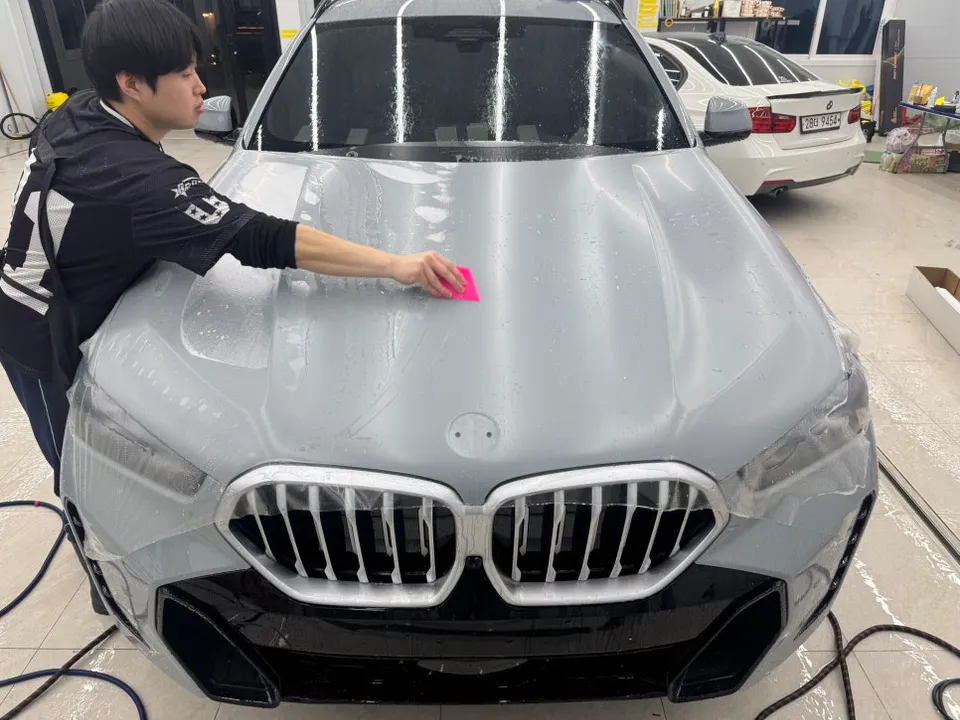
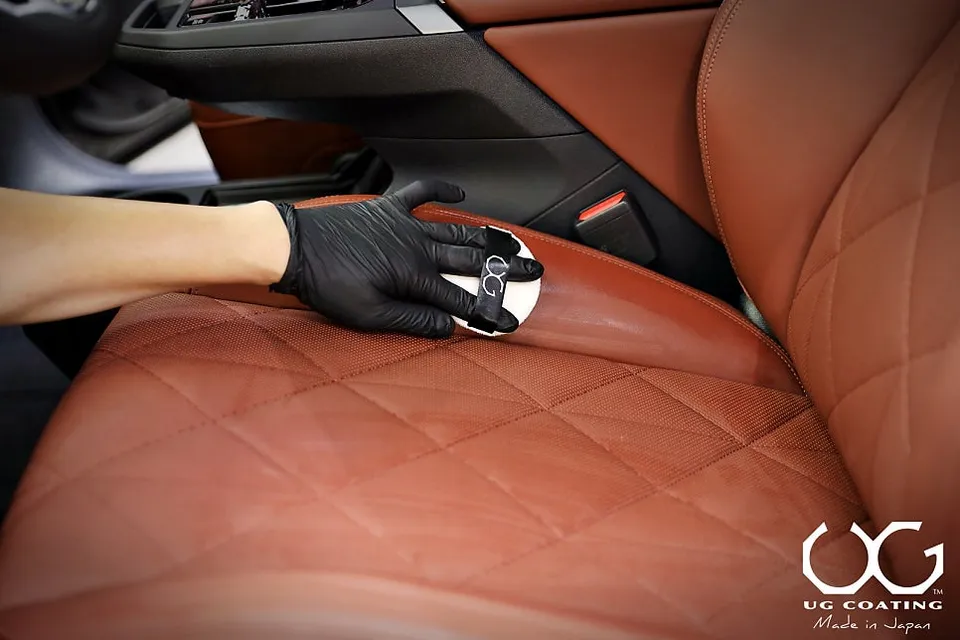
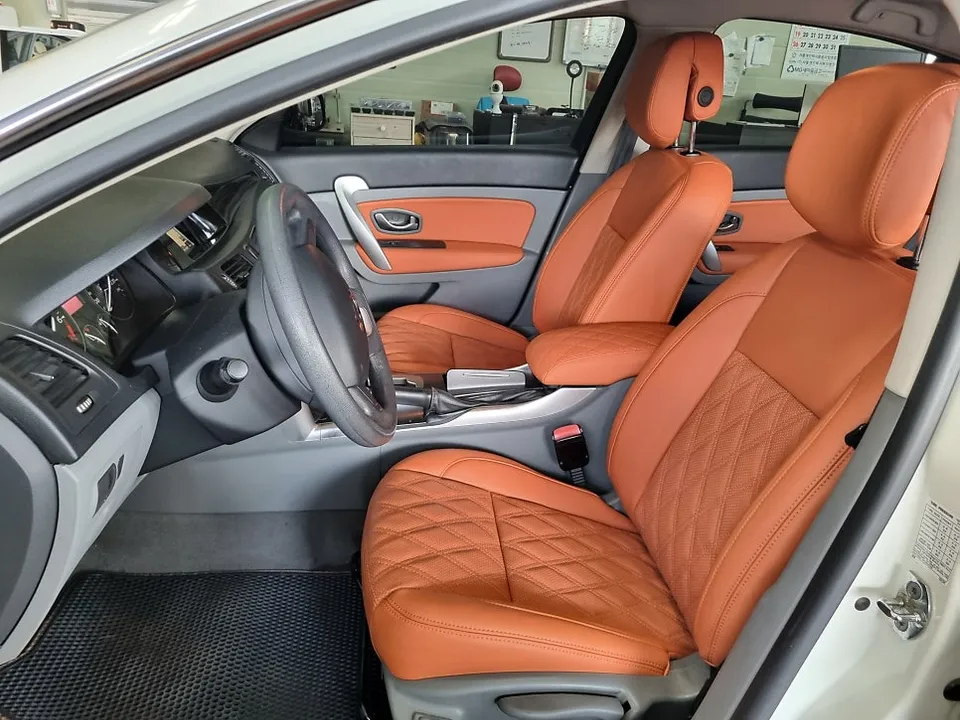
Process photos
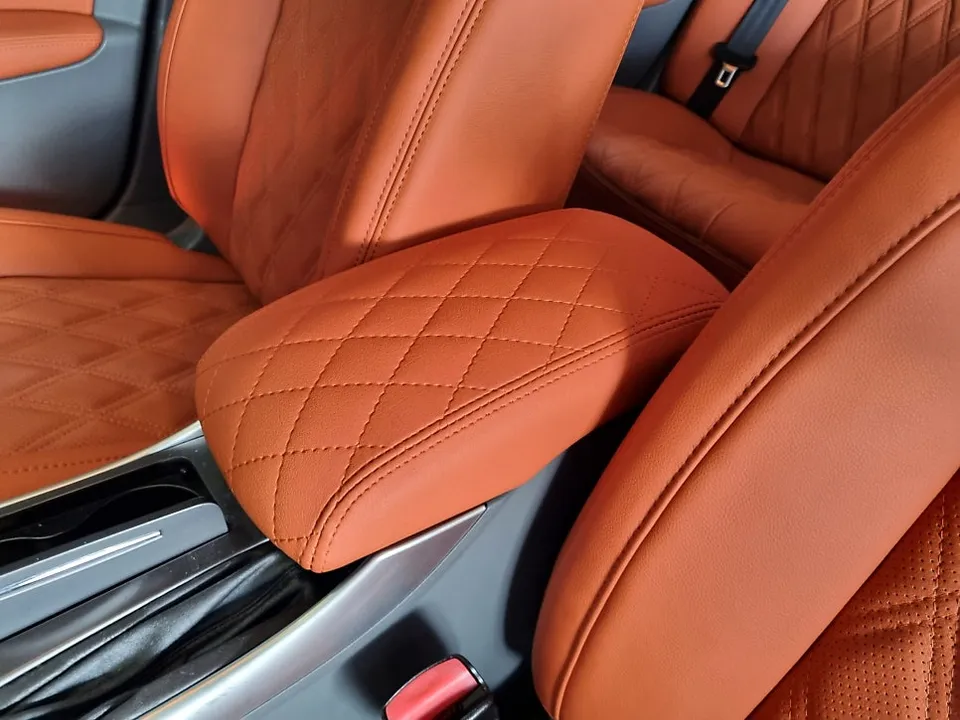
BMW M5 seat climate upgrade: Cost varies. Adds cooling/heating for enhanced comfort year-round.
Enhancing Your BMW M5 with Seat Climate Control
For drivers of a high-performance machine like the BMW M5, comfort is just as crucial as performance. This review delves into the process and benefits of retrofitting seat ventilation and heating systems, often referred to as seat climate upgrades. While the M5 often comes with premium features, adding or enhancing seat ventilation and heating can significantly elevate the driving experience, especially during extreme weather conditions. This service aims to provide a more comfortable cabin environment by actively cooling or warming the seats, moving beyond basic leather upholstery.
Installation Process and Materials
The installation of a seat ventilation and heating system involves several key steps to ensure optimal performance and integration with your BMW M5's existing interior. The process typically requires careful disassembly of the seats to access the underlying structure and upholstery. High-quality materials are essential for durability and effectiveness. This includes the fan units for ventilation, heating elements, wiring harnesses, and control modules. The goal is to seamlessly integrate these components so they function as if they were factory-installed. The original context mentions a shop with 15 years of experience, highlighting the importance of skilled technicians for such intricate work. While the original context doesn't specify a US or UK location, such installations are commonly performed by specialized automotive customization shops.
Installation process:
- Seat Disassembly: Carefully remove seat covers and padding to access the seat frame.
- Component Integration: Install ventilation fans and heating elements evenly across the seat surface, ensuring they don't compromise comfort or support.
- Wiring and Control: Connect the components to a power source and integrate control switches, often into the dashboard or center console, for easy access.
- Reassembly and Testing: Reassemble the seats meticulously and test all functions of the ventilation and heating system to ensure proper operation.
Durability, Maintenance, and Value
The durability of a seat ventilation and heating retrofit largely depends on the quality of the components used and the expertise of the installer. Well-installed systems using reputable parts can last for many years, providing consistent comfort. Maintenance is generally minimal, often involving occasional cleaning of the seat surfaces and ensuring vents are free from debris. The value proposition of adding ventilated and heated seats to a BMW M5 is significant for those who prioritize comfort. The ability to actively cool down on hot days or warm up on cold mornings transforms the driving experience, making it more enjoyable year-round. While the initial Seat Ventilation & Heating cost can be an investment, the long-term benefits in comfort and potential resale value can make it a worthwhile upgrade for discerning owners.
Frequently Asked Questions
Q. How much does ventilated seat installation cost for a BMW M5?
The specific cost for this BMW M5 installation isn't detailed in the source, but aftermarket ventilated seat installations in the US typically range from $800 to $2,500 depending on the vehicle and system complexity.
Q. How long does seat ventilation installation take on a BMW M5?
The source doesn't specify installation time, but aftermarket seat climate systems generally take 1-2 days to install. For durability, ensure vents are kept clear of debris and clean seat surfaces regularly.
Q. Are aftermarket ventilated seats worth it for a BMW M5?
Aftermarket ventilated seats are most beneficial for drivers who frequently experience extreme temperatures and prioritize cabin comfort. The value lies in the significantly enhanced driving experience they provide.
Q. How are ventilated seats installed in a BMW M5?
Installation involves disassembling the seats to integrate ventilation fans and heating elements, followed by wiring to the vehicle's power and control switches, and finally reassembling the seats.
Q. What is the difference between OEM and aftermarket ventilated seats for a BMW M5?
OEM systems are factory-integrated and often offer seamless controls, while aftermarket options provide a retrofit solution that can be more cost-effective and tailored to specific needs.
OhCar Partner Shop