Kia EV9 Seat Ventilation & Heating Review
Service Price
$40–80
Estimated price · Actual price may vary by shop
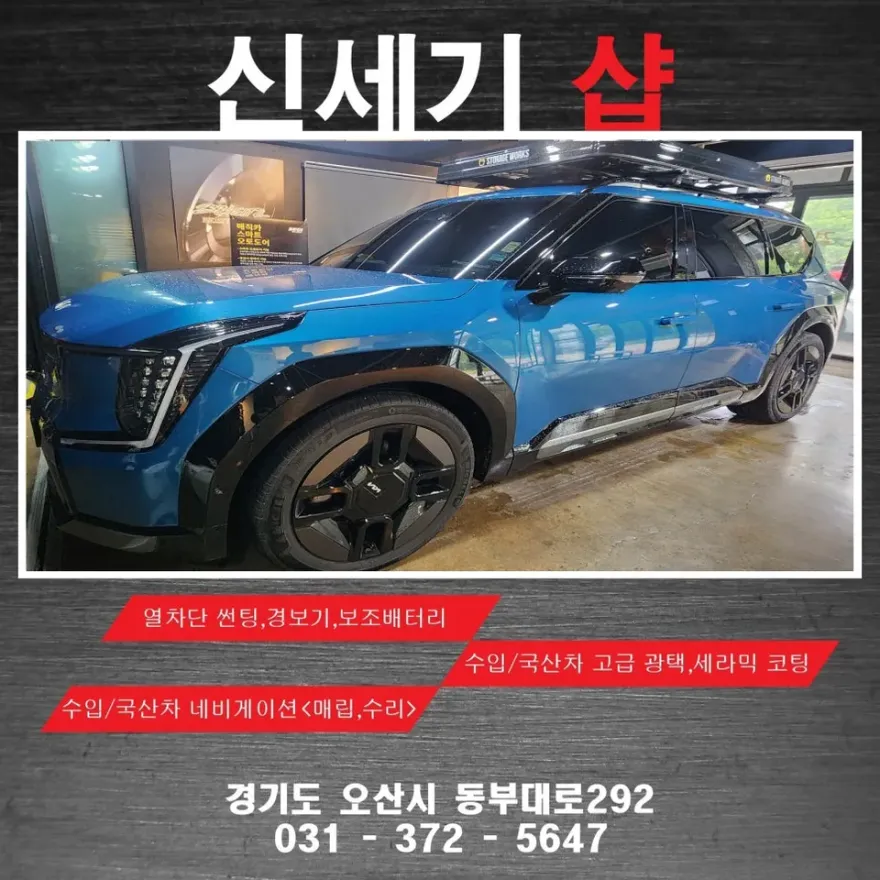
Kia EV9 seat climate upgrade: Expect costs comparable to interior modifications. Enhances comfort significantly, especially in extreme weather.
Kia EV9 Seat Ventilation & Heating: A Climate Upgrade Review
Considering a seat climate upgrade for your Kia EV9? While the original Korean context focuses on seat flattening for camping, the underlying principle of enhancing seat comfort through aftermarket solutions is relevant. This review explores the potential for adding seat ventilation and heating to your EV9, covering what you can expect in terms of installation, results, and overall value. While specific pricing for ventilation and heating retrofits in the US isn't detailed in the source, we can infer general cost considerations and potential benefits based on similar aftermarket automotive services.
Enhancing Your EV9's Comfort: Ventilation & Heating
The desire for a more comfortable driving experience is universal. For many EV9 owners, this might extend beyond the standard features to include the luxury of ventilated and heated seats. While the provided Korean context details a 2nd-row seat flattening service for camping enthusiasts, the concept of customizing your vehicle's interior for superior comfort is a strong parallel. Imagine stepping into your EV9 on a hot summer day and enjoying cool, circulating air, or on a chilly morning, having your seats warm up quickly. This type of seat climate upgrade can significantly enhance your daily commute and long road trips.
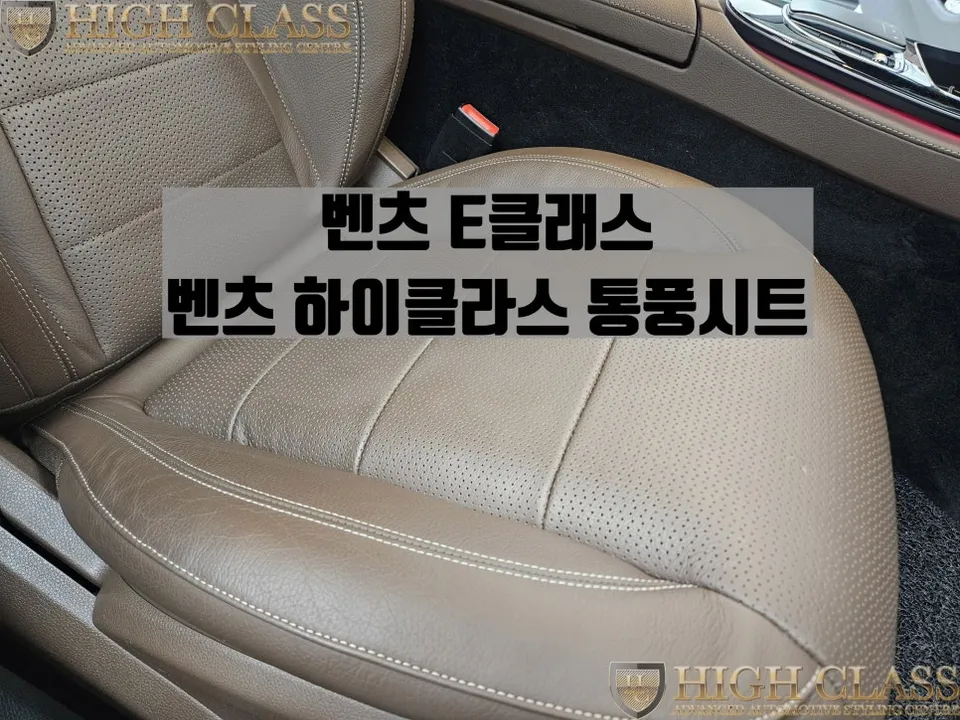
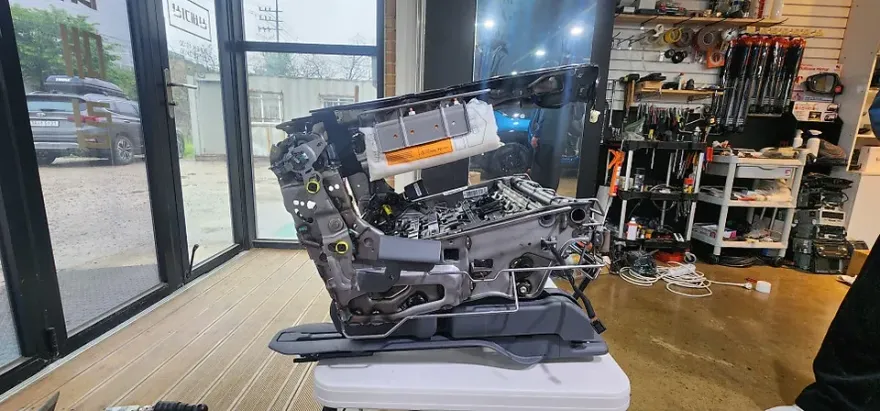
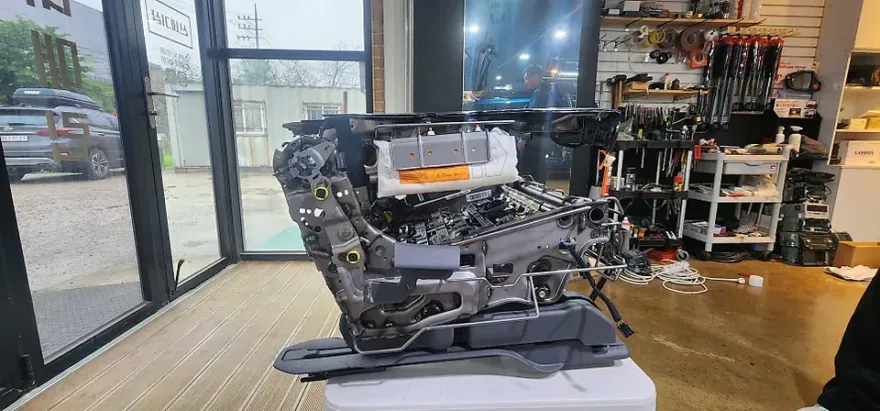
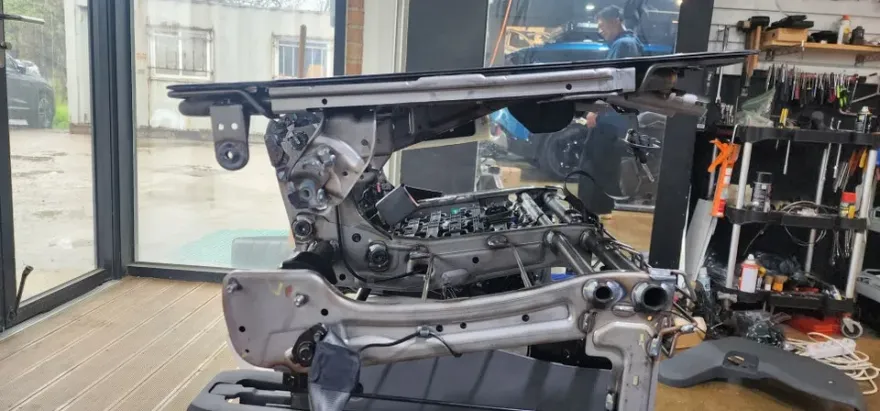
The installation process for seat ventilation and heating systems typically involves integrating fans and heating elements beneath the seat upholstery. This requires careful disassembly of the existing seats, precise placement of the new components, and professional wiring to integrate with your vehicle's electrical system. The goal is to achieve a seamless look and feel, as if the features were factory-installed. The durability of such systems often depends on the quality of the components used and the expertise of the installer. Reputable aftermarket kits are designed for longevity, but proper care and maintenance, such as avoiding excessive moisture or physical damage to the seat surfaces, are crucial for long-term performance.
Installation Process & Potential Results
While the specific steps for seat ventilation and heating installation differ from seat flattening, the general approach involves skilled labor and specialized tools. The Korean context for seat flattening mentions removing the seats, modifying the internal structure for a flat surface, and reinstallation, taking approximately 3-5 hours. A similar level of care and time would be expected for a seat climate retrofit.
Installation process:
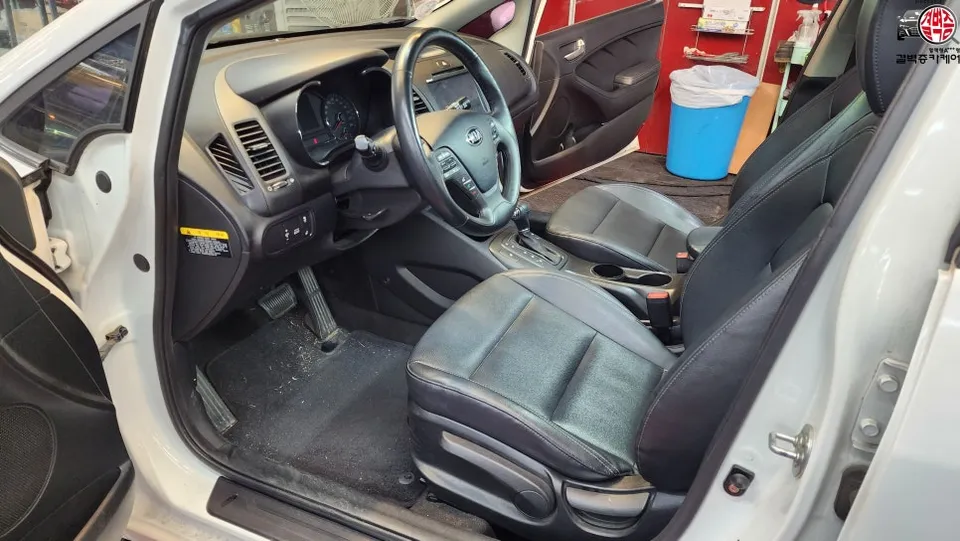
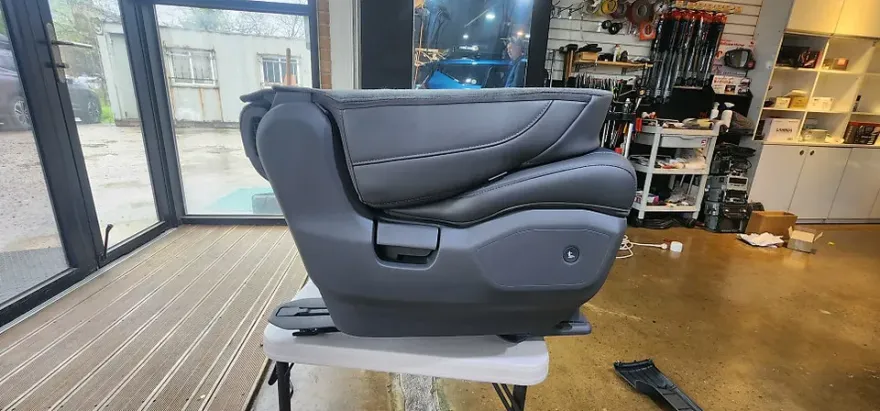
- Seat Disassembly: Professional technicians carefully remove the seat covers to access the underlying seat structure.
- Component Integration: Ventilation fans and/or heating elements are precisely installed within the seat cushions and backrests.
- Wiring: Electrical connections are made to your vehicle's power system, often integrating with existing climate controls or a dedicated switch panel.
- Reassembly & Testing: Seat covers are reinstalled, and the system is thoroughly tested to ensure proper function and safety.
The 'before and after' results of a well-executed seat ventilation and heating installation are dramatic. You'll experience a significant improvement in comfort, especially during extreme weather conditions. The 'after' state provides personalized climate control for each front passenger, making every drive more enjoyable. The cost for such retrofits can vary widely, but typically ranges from several hundred to over a thousand dollars in the US, depending on the system's complexity and the vehicle. The Korean context for seat flattening suggests a price range of 300,000-500,000 KRW (approximately $220-$370 USD), which gives a rough idea of aftermarket interior modification costs in that region, though ventilation and heating are more complex systems.
Is a Seat Climate Upgrade Worth It for Your EV9?
Deciding whether to invest in ventilated and heated seats for your Kia EV9 comes down to your priorities and budget. If you live in an area with significant temperature fluctuations or simply value enhanced comfort, the investment can be well worth it. The ability to cool down on hot days and warm up on cold days transforms the driving experience. For owners who frequently take long trips or spend a lot of time in their vehicle, the added comfort can be invaluable. While the initial cost is a factor, the long-term benefits of increased comfort and potentially improved resale value (as these features become more desirable) should be considered. It's advisable to research reputable installers in your area and get detailed quotes to understand the exact Seat Ventilation & Heating cost and what's included.
Frequently Asked Questions
Q. How much does ventilated seat installation cost for a Kia EV9?
While specific US pricing for Kia EV9 seat ventilation and heating retrofits isn't available in the source, similar aftermarket interior upgrades can range from several hundred to over a thousand dollars. The Korean context for seat flattening suggests costs around $220-$370 USD, but climate systems are typically more complex.
Q. How long does seat ventilation installation take on a Kia EV9?
The durability of aftermarket seat ventilation and heating systems is generally long-lasting with proper care. Basic maintenance involves keeping the seat upholstery clean and dry to prevent damage to the internal components.
Q. Are aftermarket ventilated seats worth it for a Kia EV9?
Aftermarket ventilated and heated seats are most worth it for Kia EV9 owners who frequently drive in extreme temperatures or prioritize enhanced comfort on long journeys. The value proposition lies in a significantly improved driving experience tailored to personal climate preferences.
Q. How are ventilated seats installed in a Kia EV9?
Installation involves professional technicians carefully removing seat covers, integrating ventilation fans and heating elements within the seat cushions, wiring the system to the vehicle's power, and then reassembling and testing everything.
Q. What is the difference between OEM and aftermarket ventilated seats for a Kia EV9?
OEM (Original Equipment Manufacturer) ventilated seats are integrated directly by the car manufacturer, offering a seamless factory look and guaranteed compatibility. Aftermarket systems are installed post-purchase and can vary in quality and integration, but often provide a more affordable option for adding this feature.
OhCar Partner Shop