Land Rover Range Rover Velar Seat Climate Upgrade Review
Service Price
$40–80
Estimated price · Actual price may vary by shop
Before

After
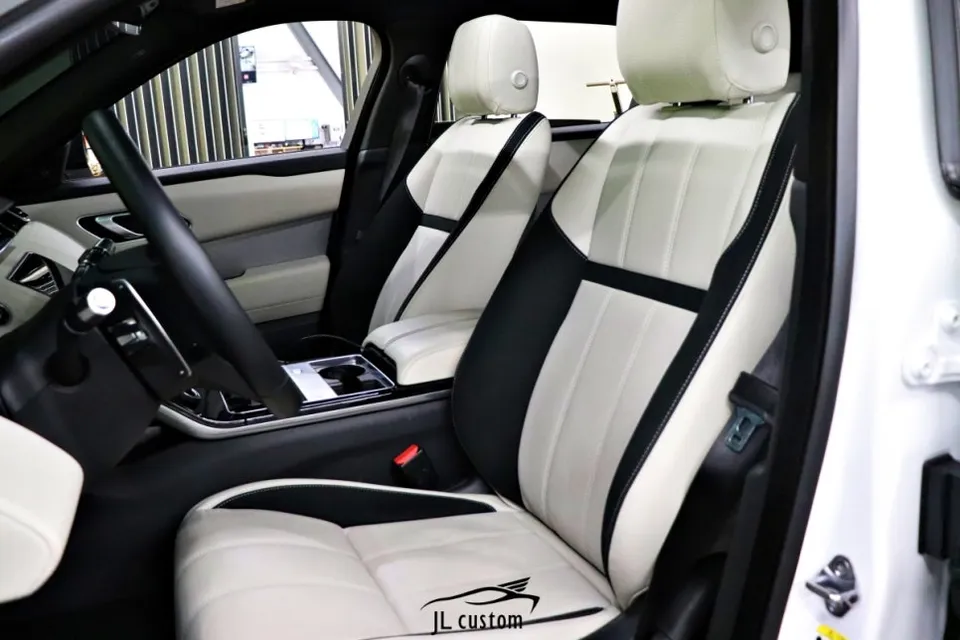
Process photos
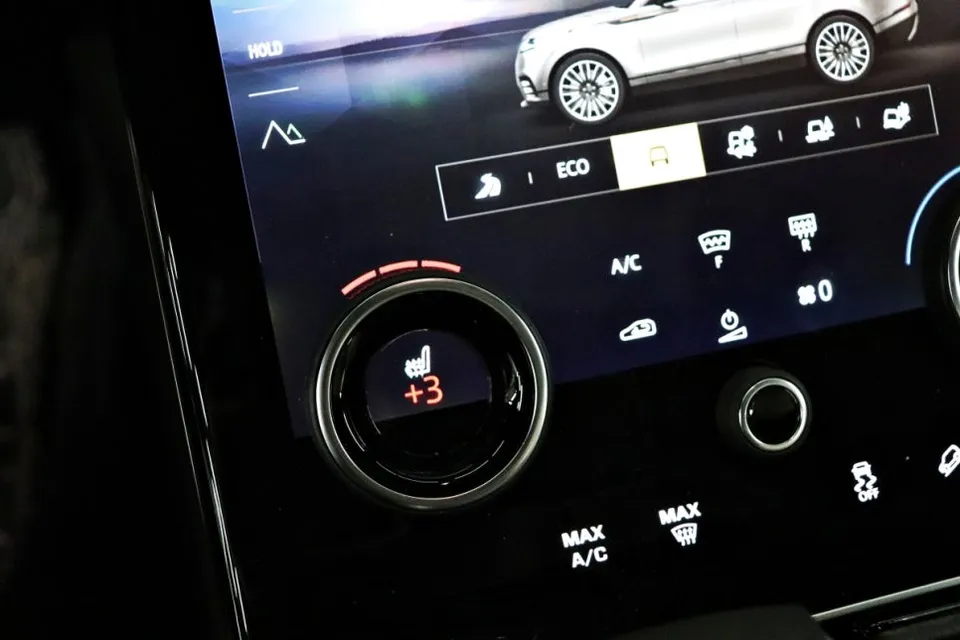
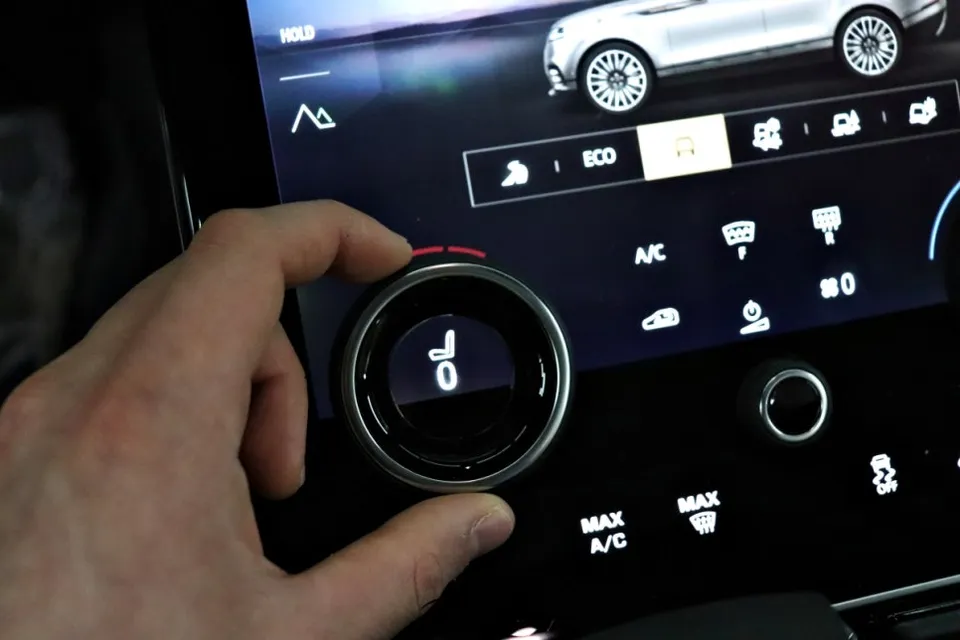
Land Rover Range Rover Velar seat climate upgrade: ~$40-$80. Enjoy factory-like ventilated and heated seats for ultimate comfort.
Upgrade Your Ride with Seat Ventilation & Heating for Your Land Rover Range Rover Velar
Are you a Land Rover Range Rover Velar owner looking to enhance your driving experience? Many owners find that even in luxury vehicles, the standard seat climate controls can leave something to be desired, especially during extreme weather. This review delves into the benefits, installation process, and overall value of a seat ventilation and heating retrofit for your Velar, focusing on achieving a factory-like integration.
Why Consider a Seat Climate Upgrade?
The summer heat can make your luxurious Range Rover Velar's seats uncomfortably hot, diminishing the premium driving experience. While some Velar models come with built-in ventilation, it may not always be sufficient, or the feature might be absent altogether. Simply perforating the seat leather often doesn't provide adequate airflow. A professional seat climate upgrade, however, involves more sophisticated techniques to ensure genuine comfort. This service aims to provide a solution that feels like an original factory option, ensuring you stay cool in the summer and warm in the winter.
The "Original-Style" Seat Ventilation & Heating Installation Process
The key to a satisfying seat climate upgrade is achieving an "original-style" integration. This means the new ventilated and heated seats should function seamlessly with your vehicle's existing systems, without awkward aftermarket additions. The process typically involves integrating new ventilation fans and heating elements within the seat structure. For the Land Rover Range Rover Velar, specialists often focus on coding the system to work with the car's original climate control interface. This allows you to adjust the seat cooling and heating just as you would any other factory feature, often visible on the vehicle's infotainment display. The goal is a completely natural feel, enhancing the vehicle's interior aesthetics and functionality.
Installation Process:
- Seat Disassembly: The original seat covers are carefully removed to access the internal structure.
- Component Integration: High-quality, low-noise fans (often 4 per seat) and heating elements are strategically placed within the seat cushion and backrest for optimal airflow and heat distribution. Air ducts may be added to enhance circulation, particularly for the backrest.
- Wiring and Coding: The new components are wired into the vehicle's electrical system. Crucially, the system is then coded to integrate with the car's existing climate control module and infotainment display, mimicking factory functionality.
- Reassembly and Testing: The seat covers are reinstalled, and the entire system is thoroughly tested to ensure proper operation of both ventilation and heating functions.
Before & After: The Tangible Benefits
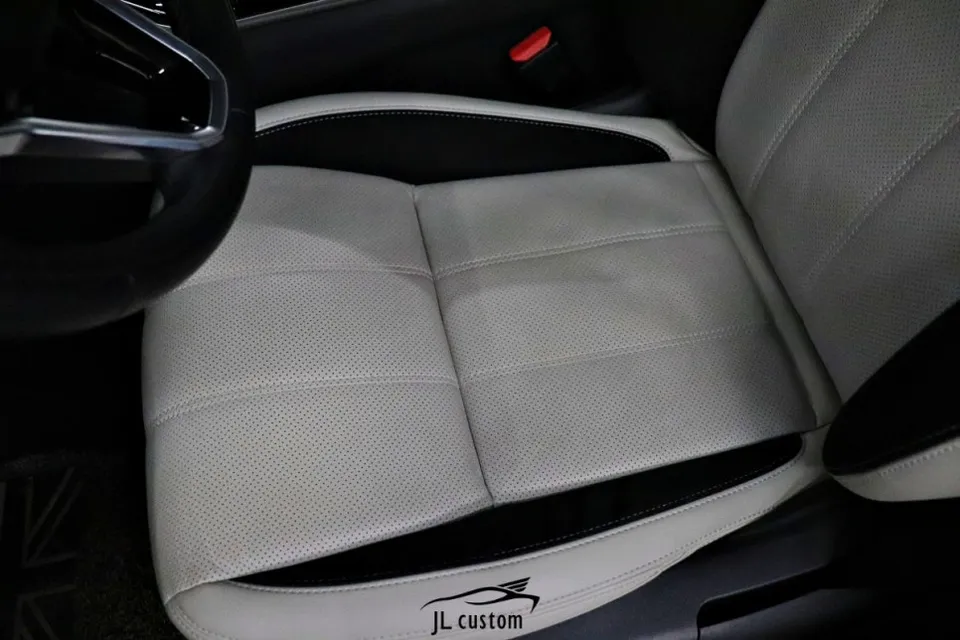
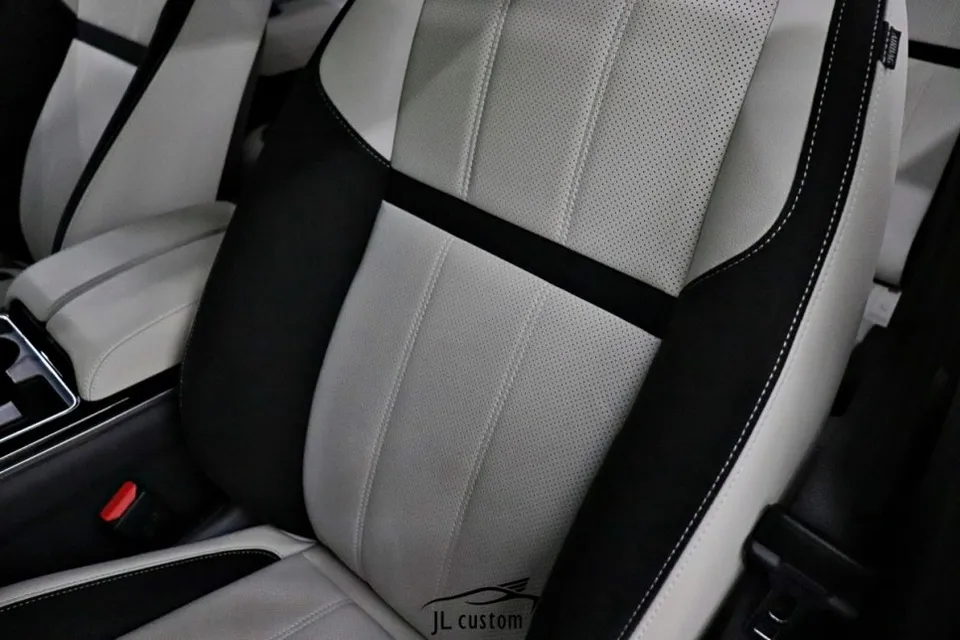
The most significant change after a seat ventilation and heating retrofit is the dramatic improvement in comfort. Imagine stepping into your Velar on a hot day and immediately feeling cool, refreshing air circulating through your seat, rather than sticking to a hot surface. In colder months, the rapid and even heating provides a cozy environment. The "original-style" installation ensures there are no unsightly buttons or modules added; the controls remain integrated into your dashboard or screen. This seamless integration not only enhances comfort but also preserves the vehicle's resale value by maintaining its clean, factory look. The use of durable materials, like aluminum fans designed for minimal noise and vibration, contributes to the longevity of the upgrade.
Is a Seat Climate Upgrade Worth It for Your Velar?
For Land Rover Range Rover Velar owners who frequently experience hot or cold weather, a seat ventilation and heating upgrade is often considered a worthwhile investment. The primary benefit is the vastly improved comfort during drives, making commutes and longer journeys more pleasant. The "original-style" installation, which integrates with your car's existing controls, adds significant value and avoids the drawbacks of less sophisticated aftermarket solutions. While the exact cost can vary, the Korean market prices mentioned range from approximately 300,000 to 500,000 KRW (roughly $220-$370 USD, though actual US installation costs can range from $40-$80 per component or more depending on the system and labor), the enhanced comfort and seamless integration often justify the expense for those seeking a truly premium experience.
Frequently Asked Questions
Q. How much does ventilated seat installation cost for a Land Rover Range Rover Velar?
In the Korean market, this service typically ranges from 300,000 to 500,000 KRW. Actual installation costs in the US can vary widely, often ranging from $40-$80 per component or more depending on the system complexity and labor rates.
Q. How long does seat ventilation installation take on a Land Rover Range Rover Velar?
The durability of these systems is generally high, especially when using quality components like aluminum fans. For maintenance, ensure the seat perforations remain clear of debris to allow for optimal airflow.
Q. Are aftermarket ventilated seats worth it for a Land Rover Range Rover Velar?
Yes, for owners who prioritize comfort in varying temperatures, a seat climate upgrade is highly recommended. The value lies in the significantly improved driving experience and the seamless, factory-like integration achieved through professional installation.
Q. How are ventilated seats installed in a Land Rover Range Rover Velar?
Installation involves carefully disassembling the seat, integrating low-noise fans and heating elements, and then coding the system to work with the vehicle's original climate controls for a seamless user experience.
Q. What is the difference between OEM and aftermarket ventilated seats for a Land Rover Range Rover Velar?
The key difference lies in integration; 'original-style' aftermarket installations aim to mimic OEM functionality by coding with the vehicle's existing systems, unlike basic aftermarket kits that may require separate controls.
OhCar Partner Shop