Ford Mustang 7th Gen OEM Options Review: Cost & Results
Service Price
$approx. $750–1,150
Estimated price · Actual price may vary by shop
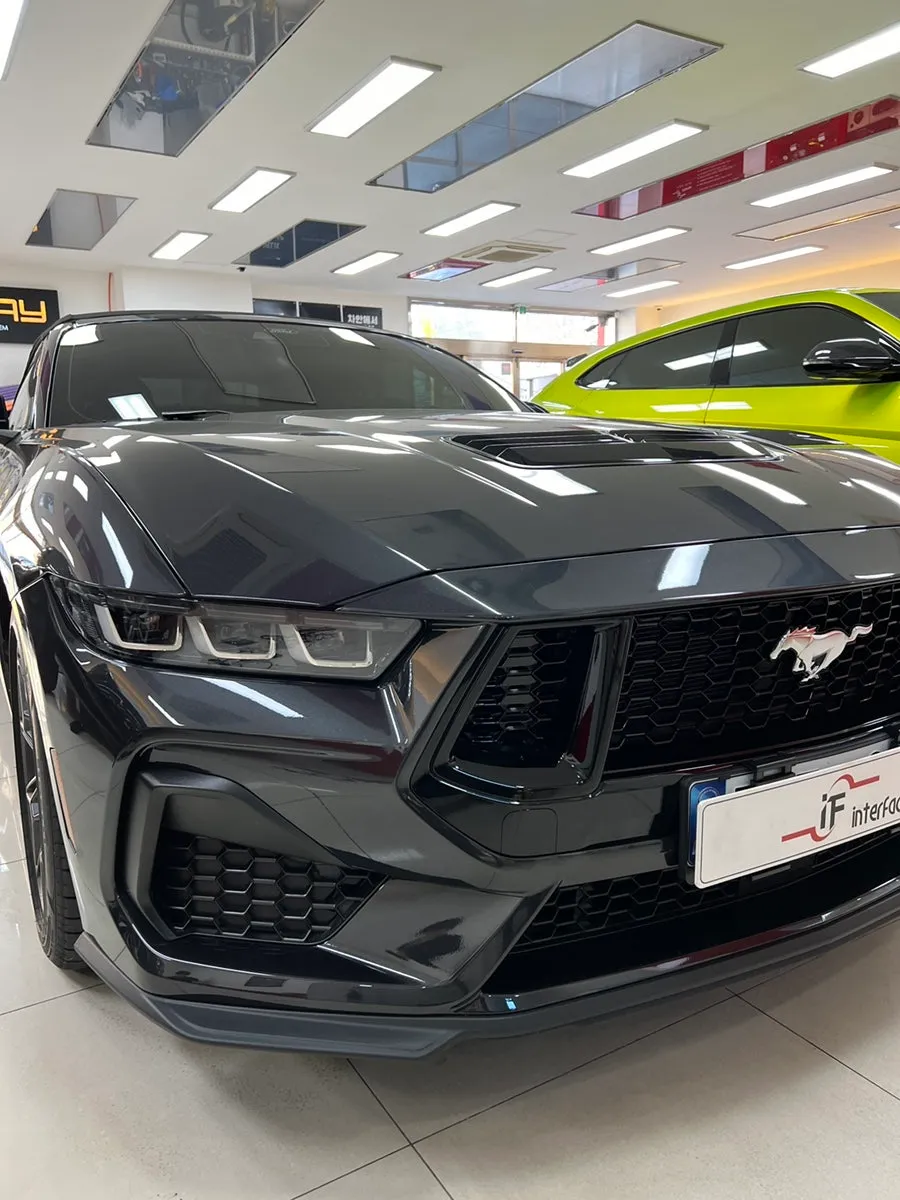
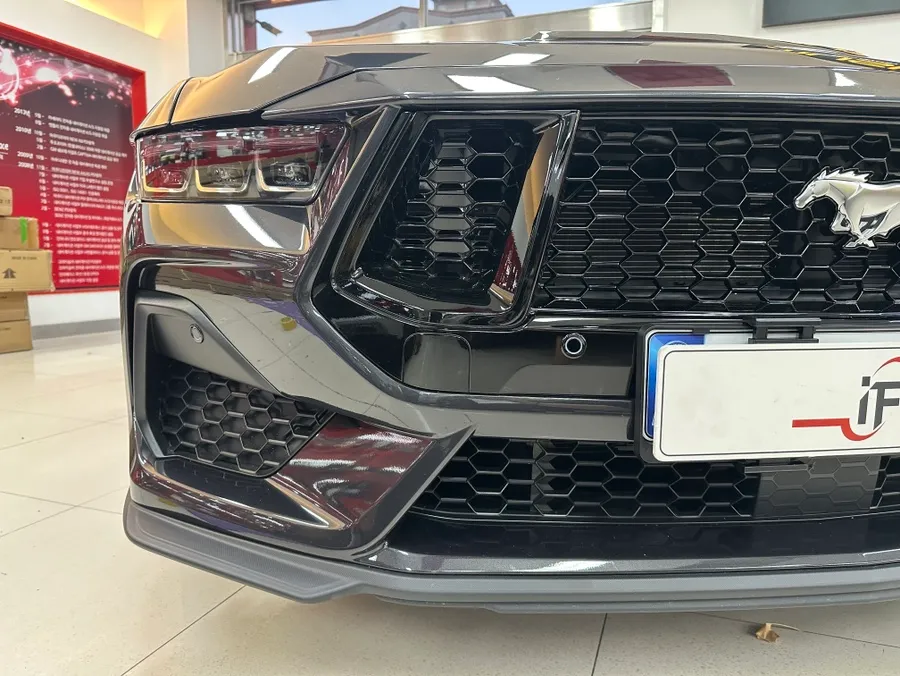
Ford Mustang 7th Gen front parking sensor installation: approx. ₩500,000-₩800,000. Enhances parking safety.
Why Your Ford Mustang 7th Gen Needs OEM Options
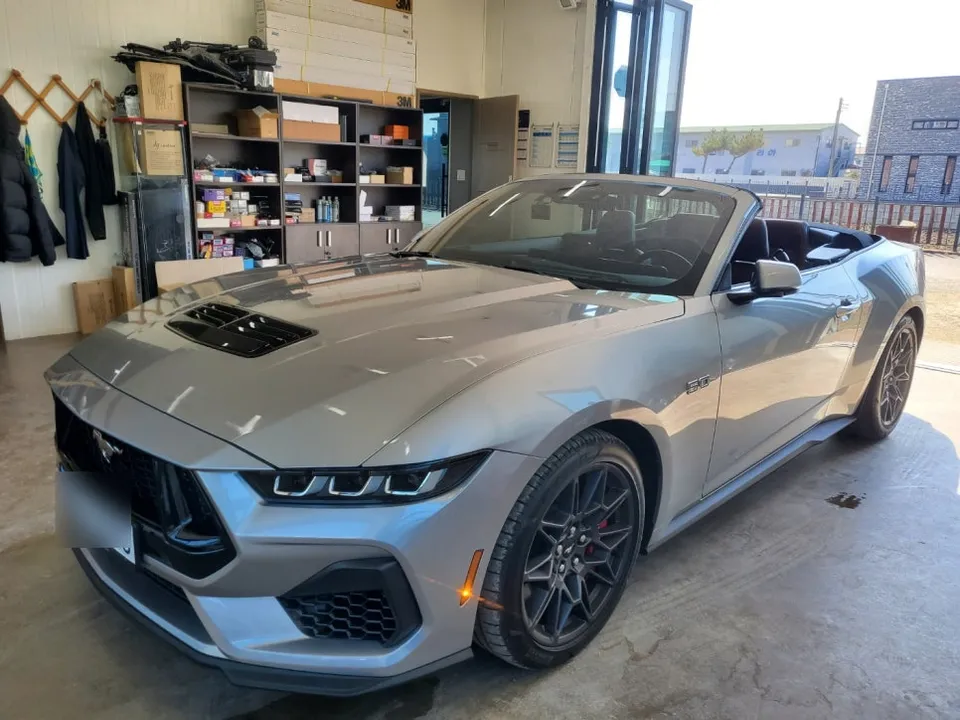
The Ford Mustang 7th Gen, a symbol of American muscle, captivates with its bold design and roaring exhaust. However, like many imported vehicles, it may not be perfectly tailored to every driving environment. One common oversight for Mustang owners is the lack of front parking sensors, a feature increasingly expected in modern vehicles, especially for navigating tight urban spaces. Driving without them can lead to anxiety when parking or maneuvering at low speeds, as detecting obstacles directly in front becomes a challenge. This isn't just about convenience; front sensors are a crucial safety feature, aiding in precise parking and helping drivers react to unexpected situations. Many owners of imported cars consider this a standard expectation, and retrofitting it can significantly improve the daily driving experience.
Seamless Integration: Aftermarket Sensors That Look Factory-Installed
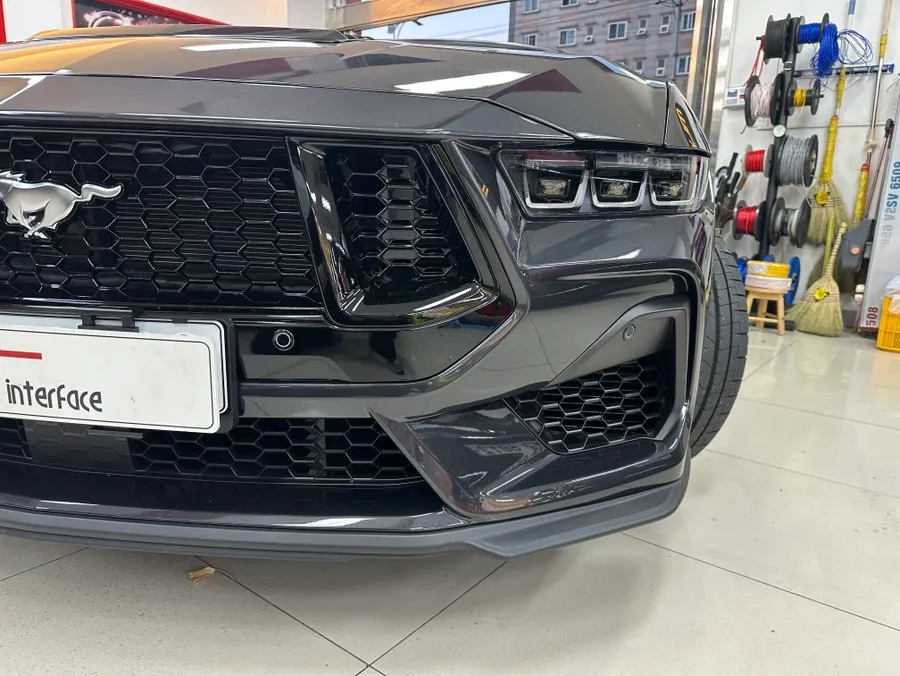
Adding front parking sensors to a Mustang 7th Gen typically involves aftermarket solutions, as they aren't originally equipped. The key to a successful installation lies in achieving a factory-like appearance and flawless functionality. This process requires precise drilling into the front bumper at four specific locations: two on the outer sides and two closer to the center, just below the license plate and grille. When black sensors are installed on a black bumper, they blend in almost invisibly, appearing as if they were part of the original design. The quality of the aftermarket sensors is paramount, as some cheaper options can suffer from frequent errors or inconsistent sensitivity. For this reason, reputable installers often choose proven products like the FD-500 sensor, known for its reliability and high owner satisfaction, even if it comes at a slightly higher cost. Investing in quality parts ensures dependable performance and fewer headaches down the line.
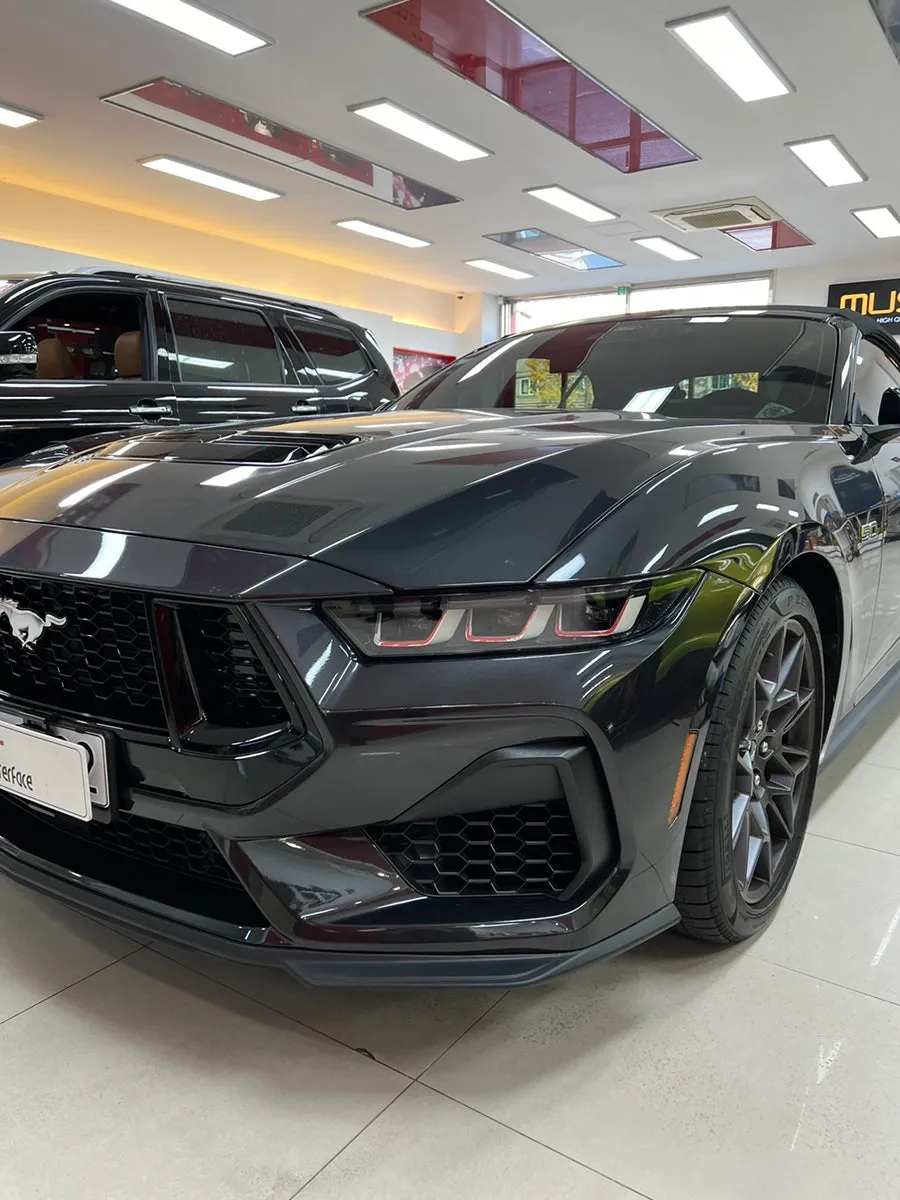
Precision Installation: Drilling, Sensor Mounting, and Wiring
The installation process demands meticulous attention to detail. First, exact measurements are taken to ensure the four sensors are perfectly symmetrical and aligned with the vehicle's centerline. This precise placement is critical for balanced signal reception. After drilling, the holes must be sized perfectly to accommodate the sensors snugly, and a proper seal is applied to prevent water ingress, ensuring long-term durability and protection against the elements. The wiring is then routed discreetly through the bumper's interior to connect to a dedicated control module, which interfaces with the car's ECU without interfering with existing electrical systems. Incorrect wiring or module configuration can lead to sensor malfunctions or persistent error alerts. Once installed, rigorous testing is performed, including checking the sensor's detection range (typically within 30cm of an obstacle), the audible alerts, and any visual indicators on the dashboard. Owners often participate in low-speed test drives to confirm the system's responsiveness and make any necessary adjustments to sensor sensitivity or wiring.
Installation Process:
- Precise Measurement and Drilling: Mark and drill four sensor locations on the front bumper, ensuring perfect symmetry and alignment.
- Sensor Mounting and Sealing: Install the sensors into the drilled holes, ensuring a snug fit and applying sealant for water and dust protection.
- Wiring and Module Integration: Route wiring neatly through the bumper and connect to a dedicated control module, which interfaces with the vehicle's ECU.
- System Testing and Calibration: Verify sensor functionality, detection range, and alerts through on-site and low-speed driving tests, making adjustments as needed.
Frequently Asked Questions
Q. How much does OEM option and factory upgrade installation cost for a Ford Mustang 7th Gen?
The installation of front parking sensors on a Ford Mustang 7th Gen typically costs between ₩500,000 to ₩800,000 (approximately $360-$580 USD). In the US, similar aftermarket installations can range from $300 to $600 depending on the system and installer.
Q. How long does OEM options installation take on a Ford Mustang 7th Gen?
The durability of these sensors is generally high, with proper installation ensuring they last for many years. Basic maintenance involves keeping the sensor surfaces clean from dirt and debris, which can be done during regular car washes.
Q. Are OEM options worth adding after purchase for a Ford Mustang 7th Gen?
Adding front parking sensors is highly recommended for Mustang 7th Gen owners who frequently navigate tight city streets or parking lots, significantly enhancing safety and reducing the risk of low-speed collisions. The value lies in the added peace of mind and improved maneuverability.
Q. How are OEM factory options installed on a Ford Mustang 7th Gen?
Installation involves precisely drilling four holes in the front bumper for the sensors. The sensors are then mounted and sealed, followed by routing the wiring to a control module that integrates with the car's electrical system. Finally, the system is tested and calibrated for optimal performance.
Q. What is the difference between dealer-installed options and aftermarket upgrades for a Ford Mustang 7th Gen?
Dealer-installed options are typically genuine manufacturer parts, often integrated seamlessly during production or by the dealership, while aftermarket upgrades like the FD-500 sensors are sourced independently and installed by specialized shops. For features not originally offered, quality aftermarket options can provide comparable performance and durability to OEM parts.
OhCar Partner Shop