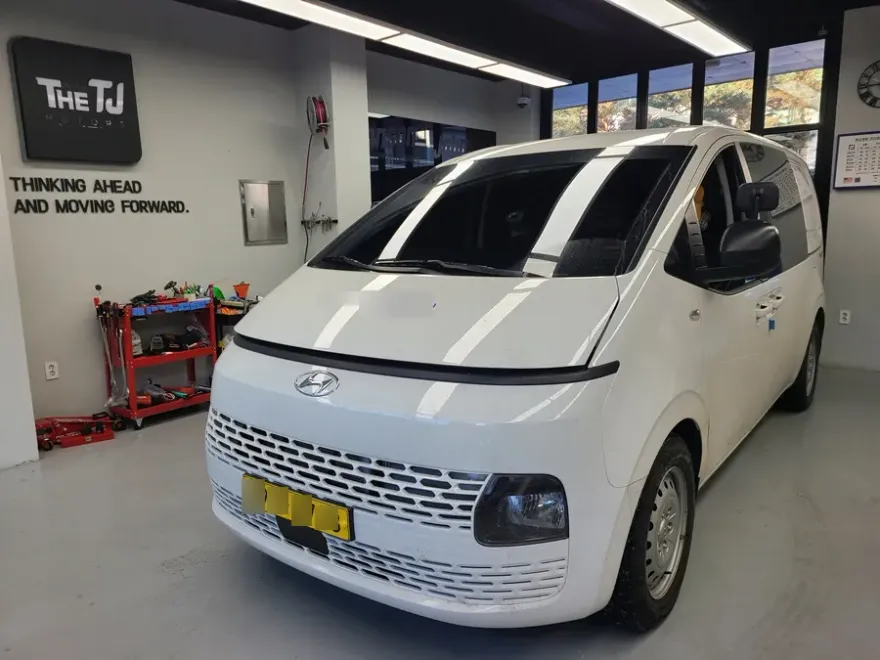
Hyundai Casper Electric Seat Heating Review
Service Price
$approx. $400–800
Estimated price · Actual price may vary by shop
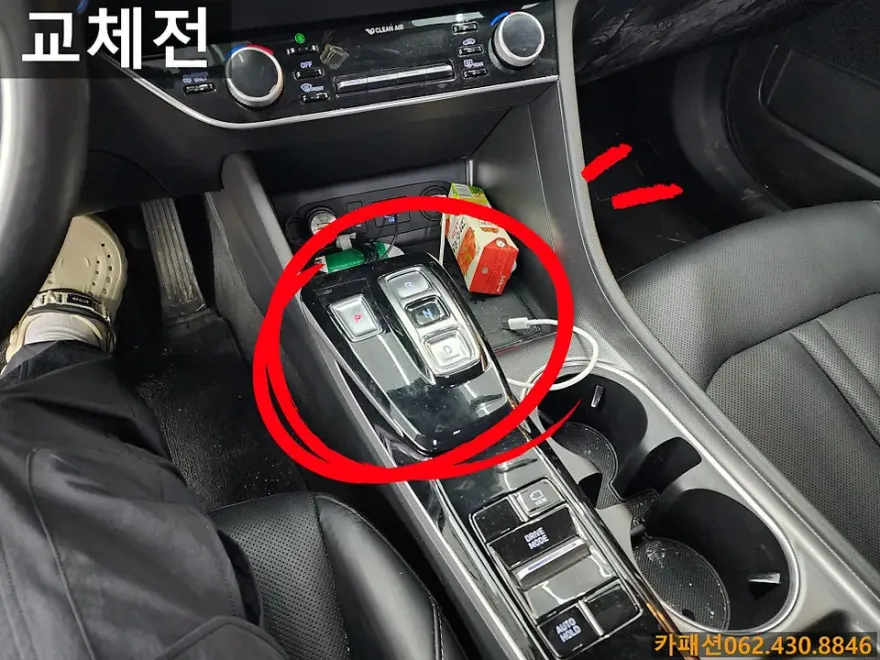
Before

After
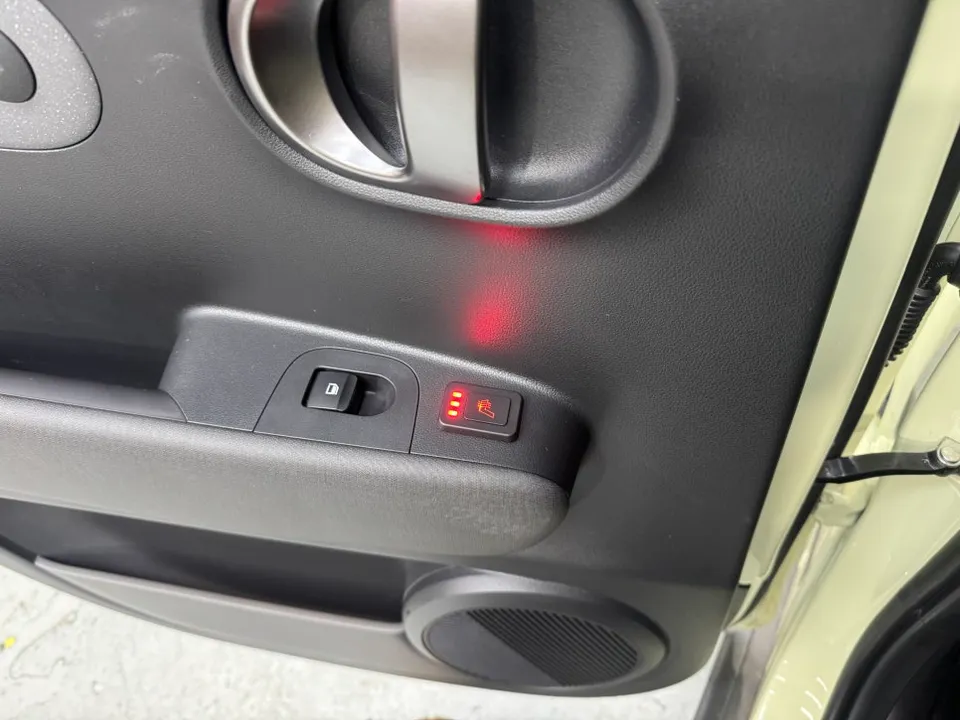
Process photos


Hyundai Casper Electric rear seat heating retrofit costs ₩300k-₩500k. Improves comfort and preserves EV range.
Is Rear Seat Heating Essential for the Hyundai Casper Electric?
Many newer electric vehicles come standard with heated and ventilated seats for the front passengers. However, the Hyundai Casper Electric, even in its top trim, often lacks rear seat heating. For families frequently using the Casper Electric, especially with children, ensuring warmth in the back seats during winter is crucial. Electric cars are known to consume more energy for heating, which directly impacts driving range. Relying solely on the main heater can significantly reduce your travel distance in cold weather. Installing rear seat heaters allows you to maintain a comfortable cabin temperature for rear passengers while minimizing the use of the main heater, thereby preserving your electric vehicle's range. This makes it a practical and efficient choice for Casper Electric owners.
How is Rear Seat Heating Installed in the Casper Electric?
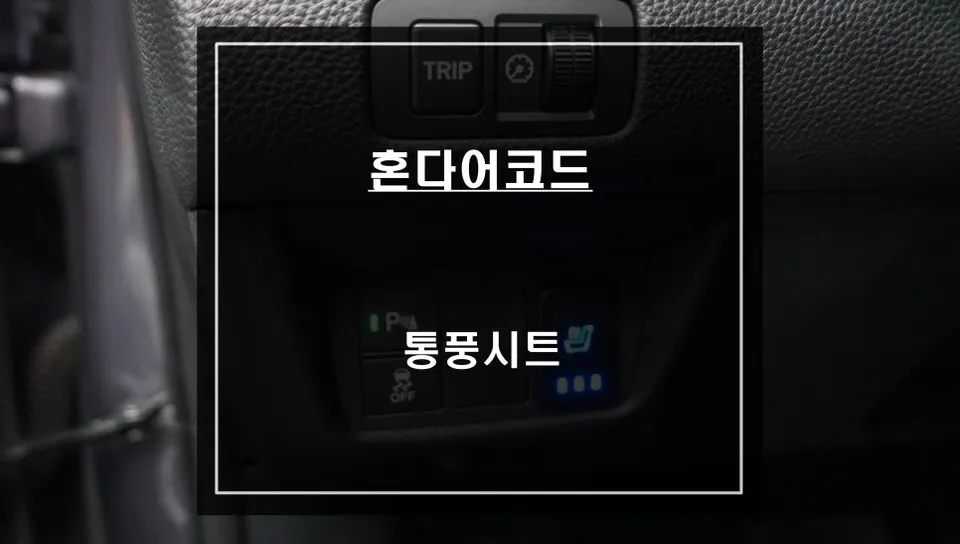
The installation process begins with carefully removing the rear seats. While the mounting bolts on the Casper can be quite secure, experienced technicians can safely detach them. Once the seats are removed, high-quality heating pads with digital 3-level temperature control are integrated into the seat back and cushion. These pads are typically sourced from manufacturers that supply original equipment (OEM) for Hyundai/Kia vehicles, ensuring excellent quality and durability. After the heating elements are securely in place, the seat covers are meticulously reassembled. Selecting the optimal location for the control switches is also a key consideration. Due to the limited space in the Casper's center console, switches are often discreetly installed in the door trim after consulting with the owner to find the most convenient and aesthetically pleasing spot. This is followed by precise wiring and power connection.
What Changes After Installing Heated Seats?
With the installation complete, rear passengers gain the ability to control their comfort with the simple press of a button. The aftermarket heating pads offer a substantial warmth comparable to factory-installed options and are known for their low failure rates. This upgrade provides lasting comfort for many winters to come. For Casper Electric owners, the benefit extends beyond passenger comfort; it offers a tangible way to manage energy consumption. By using the seat heaters instead of the main cabin heater, you can significantly reduce the drain on your battery, helping to extend your driving range during colder months. The digital controls allow for precise temperature selection, and the electrical systems for the seat heaters are separate from the vehicle's main drivetrain, ensuring safety.
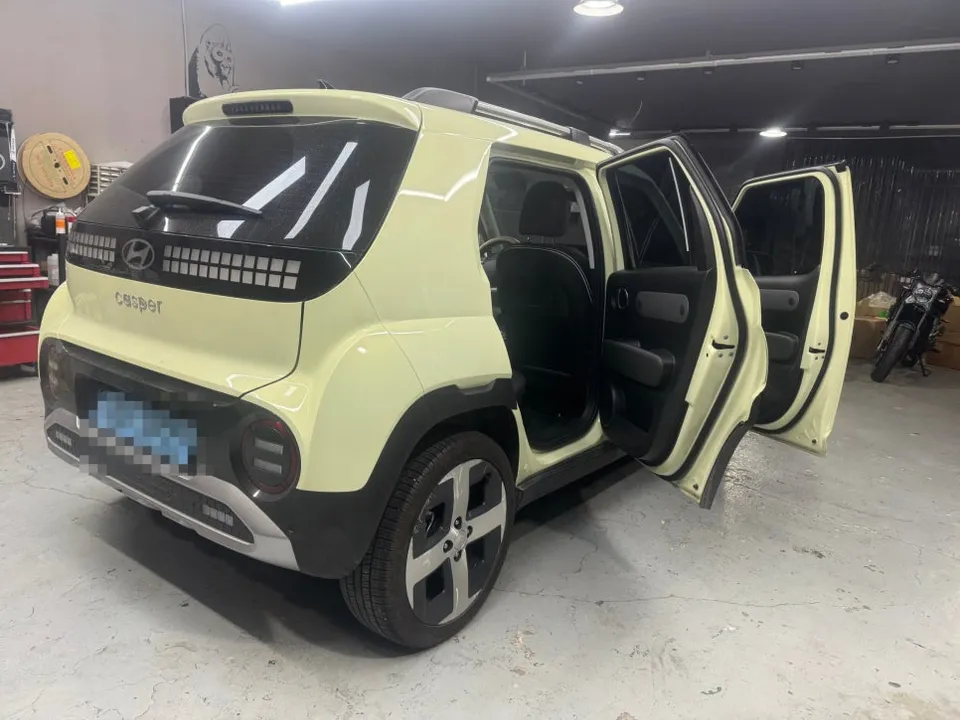
Frequently Asked Questions
Q. How much does rear seat heating installation cost for a Hyundai Casper Electric?
In Korea, the installation cost for rear seat heating in a Hyundai Casper Electric typically ranges from ₩300,000 to ₩500,000 (approximately $225-$375 USD). Prices can vary based on the specific heating pad quality and installation shop.
Q. How durable are aftermarket heated seats for a Hyundai Casper Electric?
These aftermarket heated seats are designed for durability, often using OEM-grade heating pads with low failure rates. Proper installation and avoiding excessive moisture are key to their longevity.
Q. Are aftermarket heated seats worth it for a Hyundai Casper Electric?
Yes, aftermarket heated seats are highly recommended for the Hyundai Casper Electric, especially for families, as they provide essential warmth without significantly impacting EV range. They offer a cost-effective way to enhance comfort and practicality.
Q. How are heated seats installed in a Hyundai Casper Electric?
Installation involves removing the rear seats, integrating digital 3-level heating pads into the seat cushion and backrest, and then reassembling the seats. Control switches are discreetly wired and mounted, often in the door trim, after owner consultation.
Q. What is the difference between OEM and aftermarket heated seats for a Hyundai Casper Electric?
While OEM heated seats are factory-integrated, aftermarket options use high-quality, often OEM-supplier-made heating pads that are retrofitted. The key difference lies in the installation process and potentially the control interface, but performance and durability can be comparable.
OhCar Partner Shop