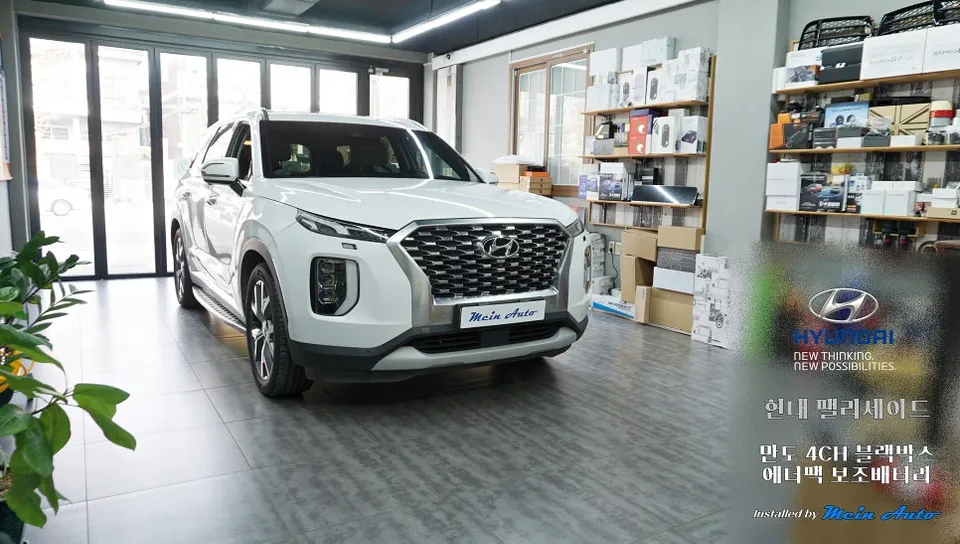
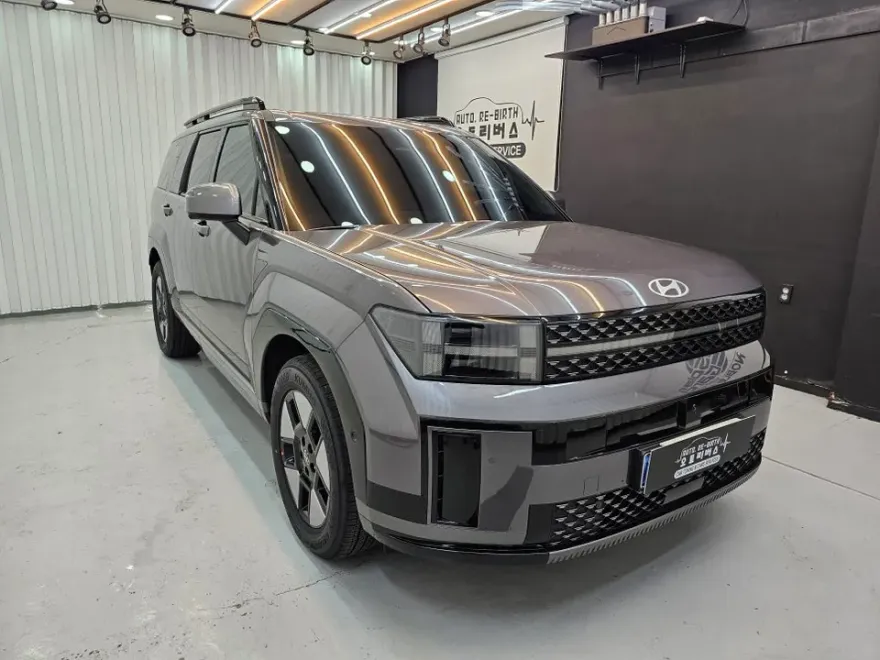
Hyundai Palisade Dash Cam Installation Review
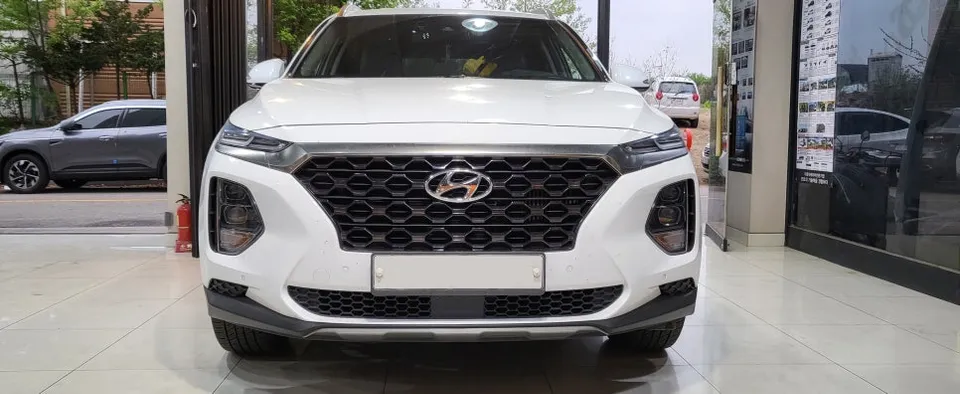
Before

After
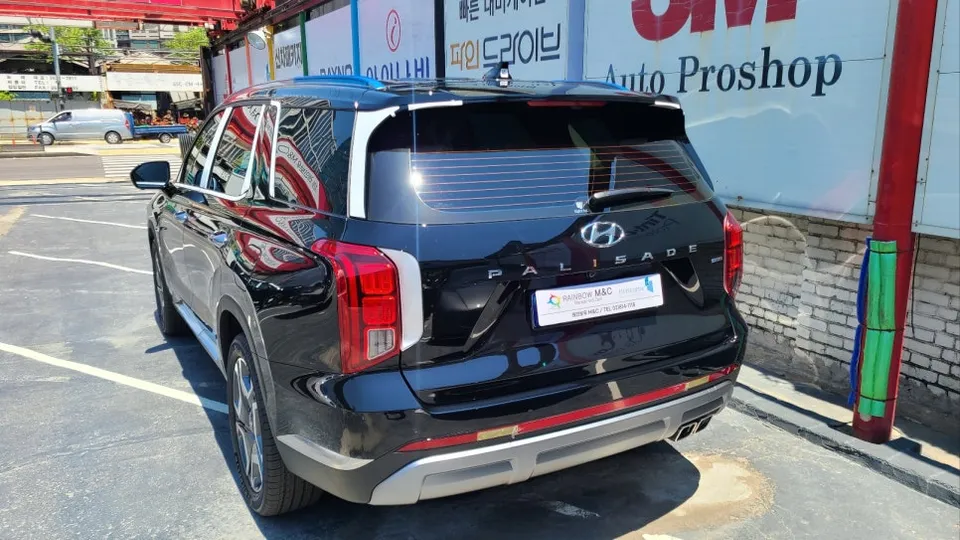
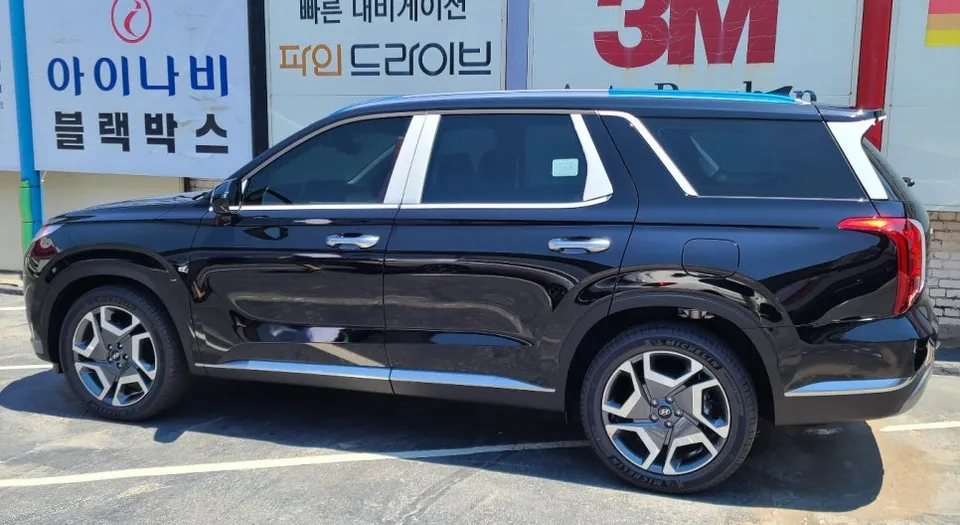
Process photos

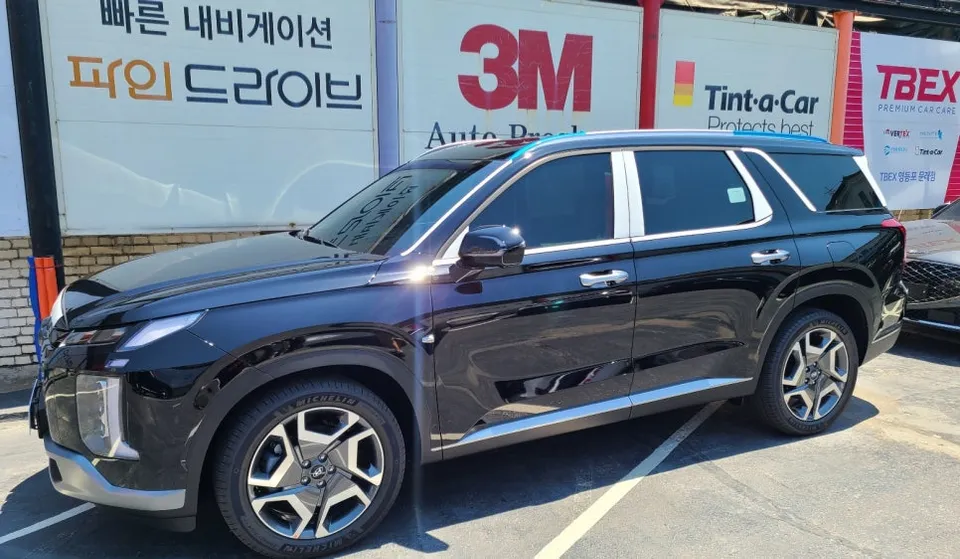
Hyundai Palisade 4-channel dash cam installation with backup battery. Professional setup ensures parking mode security without draining your car batte
Professional Dash Cam Installation for Your Hyundai Palisade
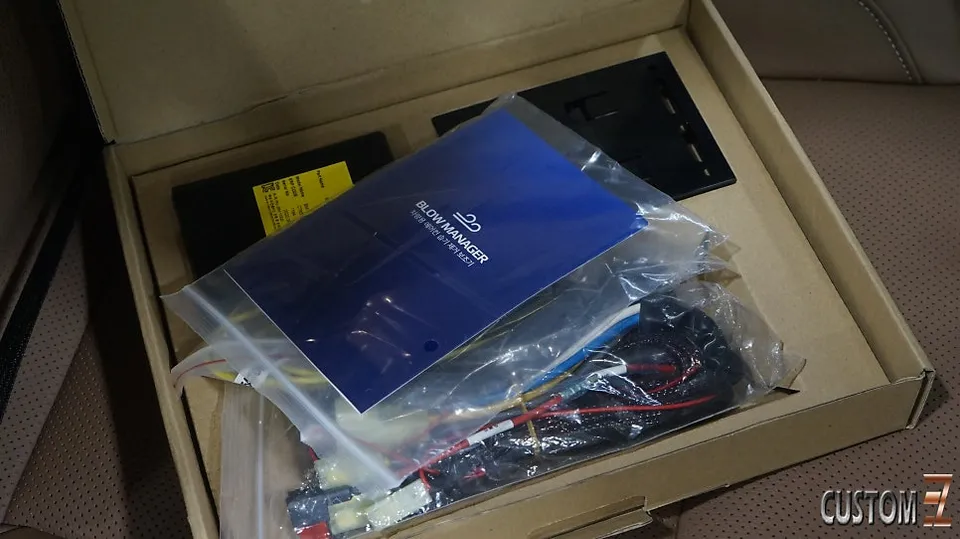
When investing in a new vehicle like the Hyundai Palisade, many owners seek to enhance its safety and security features. This review focuses on a comprehensive installation package that includes a high-quality dash cam system, often referred to as a 'black box camera' in Korea, along with a supplementary battery. This particular installation was performed on a Palisade for a repeat client who values both safety and peace of mind during their drives, even for vehicles they plan to trade in relatively quickly. The client opted for a Mando Z10 4-channel dash cam paired with a Mando SP1000 backup battery. This setup provides extensive coverage, recording not only the front and rear but also the left and right sides of the vehicle, offering a significant advantage in documenting incidents.
Understanding the 4-Channel Dash Cam System
The choice of a 4-channel dash cam, like the Mando Z10, goes beyond the typical function of a driving recorder. While standard dash cams primarily capture footage during motion, the demand for continuous protection has led to the widespread use of parking mode. This feature allows the dash cam to remain active even when the vehicle is parked, acting as a vigilant guardian against vandalism, hit-and-runs, or other unfortunate events. However, continuous recording, especially with multiple channels, significantly increases power consumption. To mitigate the risk of draining the vehicle's original battery, a crucial component of this installation is the Mando SP1000 backup battery. This auxiliary power source ensures the dash cam can operate for extended periods without impacting the car's primary electrical system. The client's preference for a 4-channel system stems from a positive past experience where the additional camera angles proved invaluable in resolving an incident. This highlights how specific needs and past experiences can heavily influence the choice of dash cam configuration.
Installation Process and Durability Considerations
The installation process for a 4-channel dash cam and backup battery requires careful attention to detail to ensure optimal performance and longevity. The wiring for the side cameras, for instance, is meticulously secured to prevent snagging or damage when doors are opened and closed, which could otherwise lead to malfunctions. The Mando SP1000 backup battery is chosen based on the owner's driving patterns, balancing the need for extended recording time with sufficient charging duration. If the backup battery's power is depleted, the dash cam system is designed to shut down automatically, preventing any drain on the vehicle's main battery. Once the vehicle is driven again, the backup battery recharges, and the dash cam resumes full operation. This intelligent power management is key to the durability and reliability of the system. While the original context of this installation is in South Korea, the principles of professional dash cam installation and the benefits of a robust system like a 4-channel setup with a backup battery are universally applicable for enhancing vehicle security.
Installation process:
- Securely mount the front and rear dash cam units.
- Route and conceal all camera wiring, paying special attention to side camera cables to prevent damage from door operation.
- Install the backup battery, typically under the dashboard or in a similar accessible location, and connect it to the dash cam system.
- Connect the backup battery to the vehicle's power source, ensuring it charges properly when the engine is running and powers the dash cam when parked.
- Test all camera views and recording functions in both driving and parking modes.
Frequently Asked Questions
Q. How much does dash cam installation cost for a Hyundai Palisade?
The specific installation detailed here was performed in South Korea. Professional 4-channel dash cam installation with a backup battery in the US can typically range from $300 to $600, depending on the specific components and labor rates.
Q. How long does dash cam installation take on a Hyundai Palisade?
Professional dash cam installation, especially for multi-channel systems with backup batteries, usually takes 2-4 hours. Proper wire management and testing are crucial for long-term durability, so allow ample time for a thorough job.
Q. Is a hardwired dash cam worth it over a self-install for a Hyundai Palisade?
A hardwired dash cam is highly recommended for features like parking mode, especially for a vehicle like the Hyundai Palisade. Professional installation ensures correct wiring, optimal power management with a backup battery, and clean routing, maximizing the system's reliability and value.
Q. How is a dash cam professionally installed on a Hyundai Palisade?
Professional installation involves mounting the dash cam units, carefully routing and concealing all wiring, and connecting a backup battery to the vehicle's power system. The system is then tested to ensure all cameras function correctly in both driving and parking modes.
Q. What is the difference between a 1-channel and 2-channel dash cam for a Hyundai Palisade?
A 1-channel dash cam records only the front view, while a 2-channel system adds rear recording. For comprehensive security, especially for parking mode and incident documentation, a 4-channel system offering front, rear, and side views is significantly more advantageous.
Q. What should I know before getting Dash Cam on a Hyundai Palisade? (common regrets and mistakes)
The most common regret is not opting for a system with parking mode and a backup battery, leading to battery drain or insufficient footage. Always ensure your installation includes a method to power the dash cam when parked without compromising your vehicle's battery.
OhCar Partner Shop