Hyundai Santa Fe Ceramic Coating Review: Cost & Results
Before
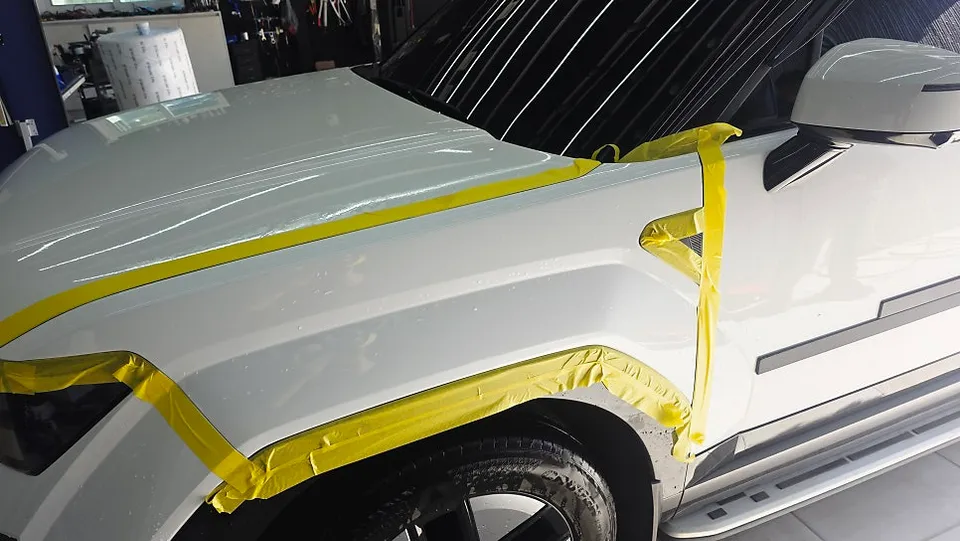
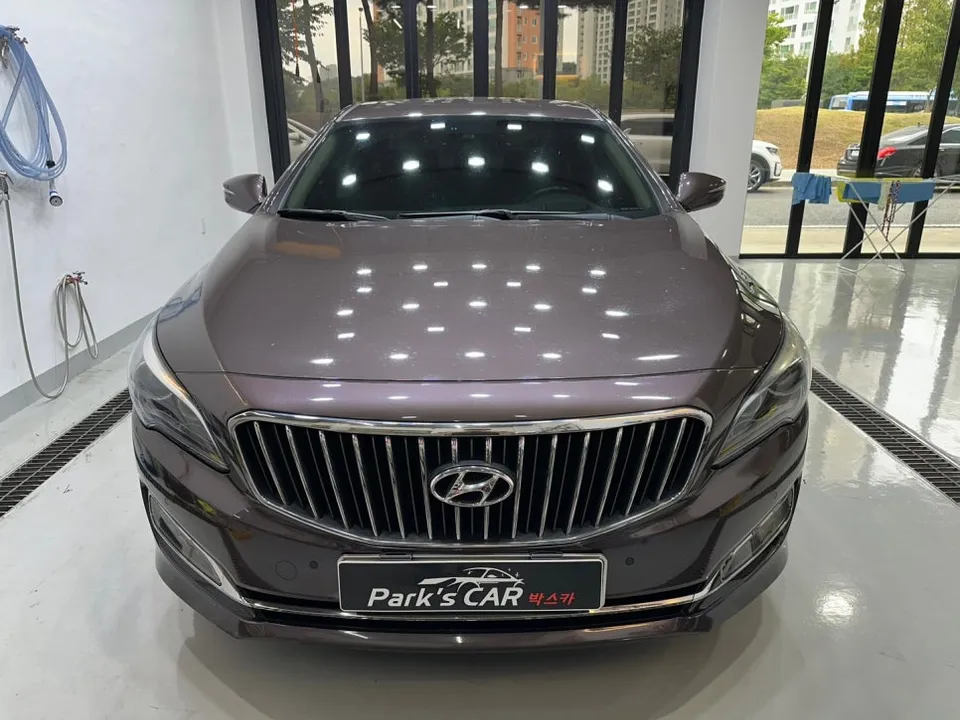
After
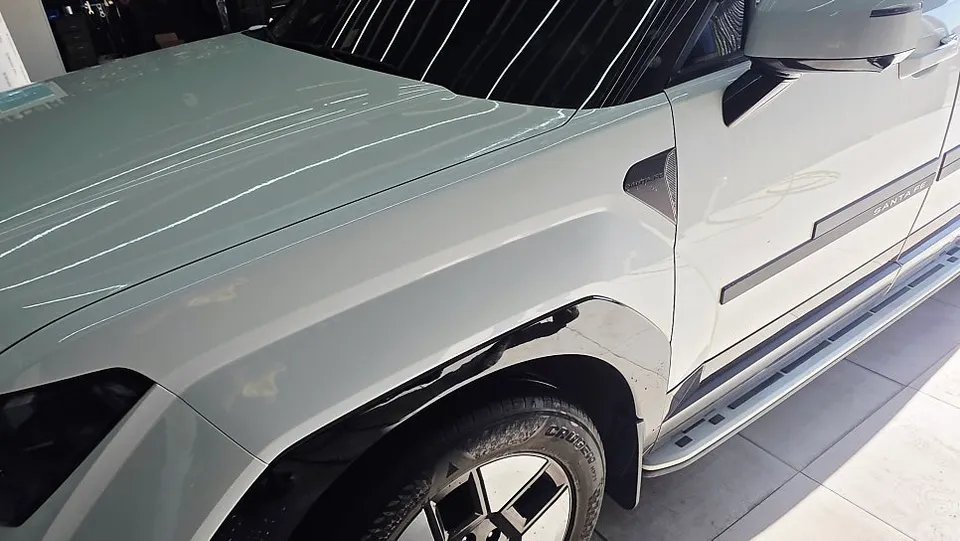
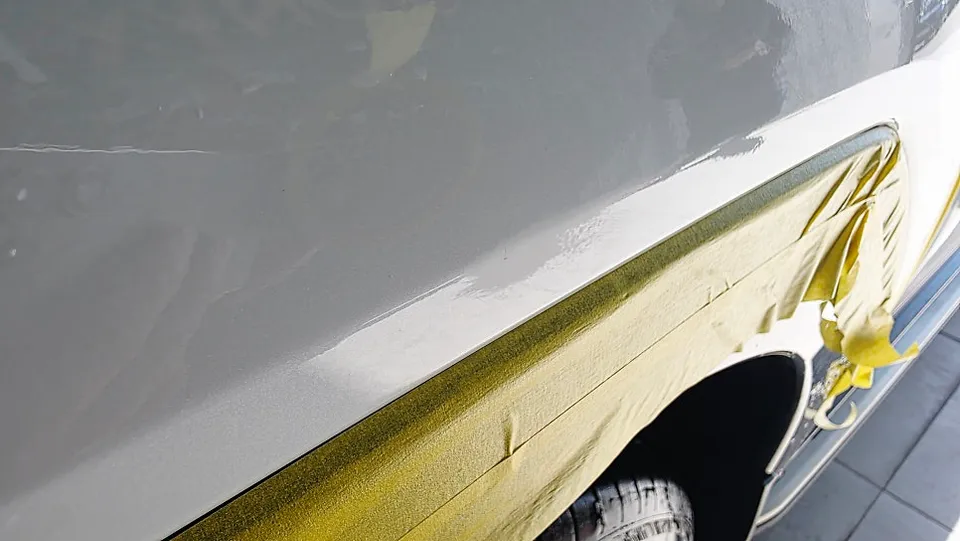
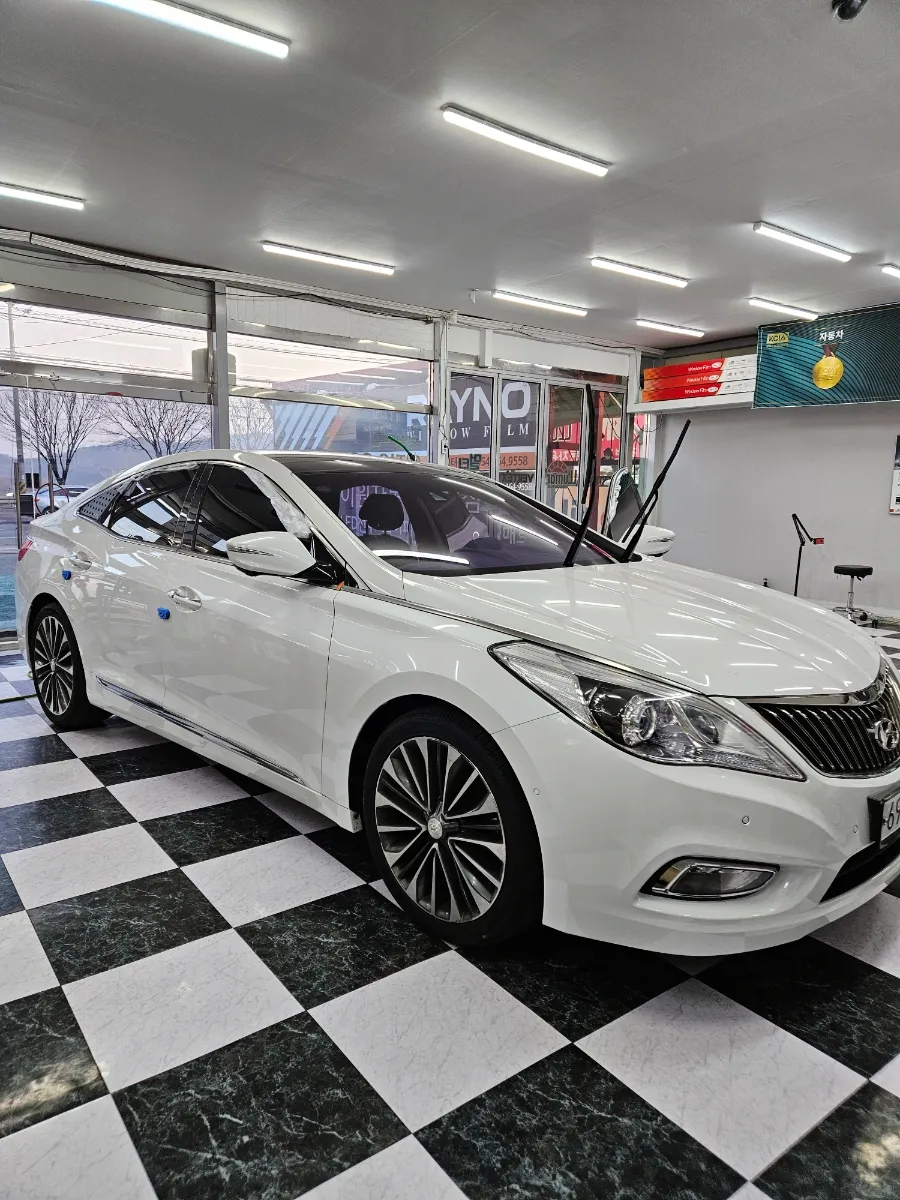
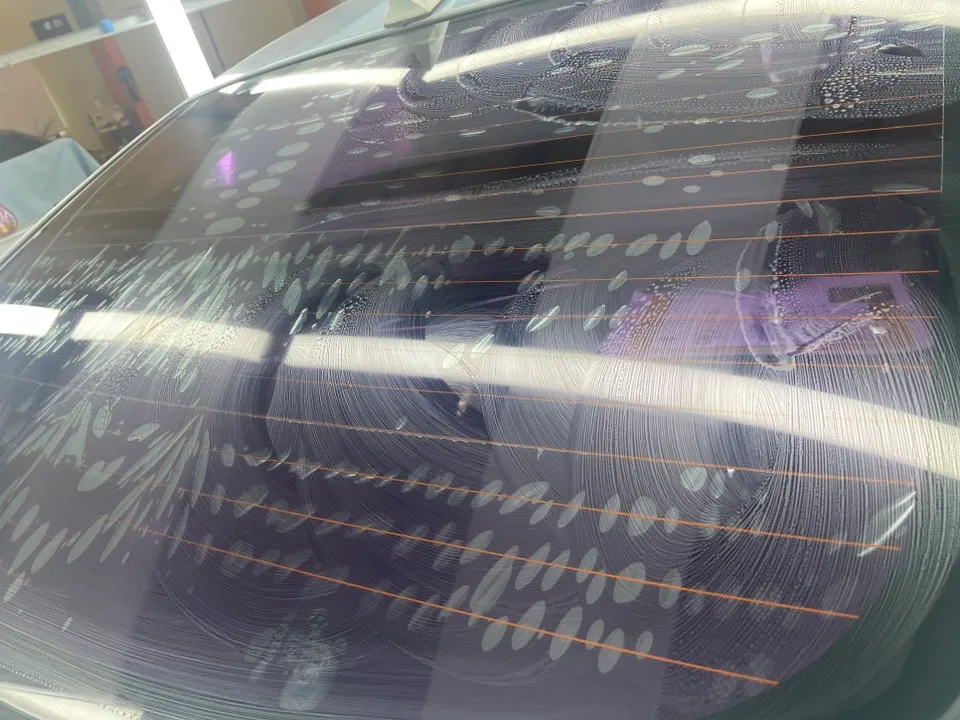
Process photos
Ceramic coating for Hyundai Santa Fe: approx. ₩500,000-₩1,000,000+. Provides durable paint protection and enhanced gloss.
Ceramic Coating for Your Hyundai Santa Fe: An In-Depth Review
When it comes to protecting your Hyundai Santa Fe's paint, options like traditional waxes and sealants have long been the go-to. However, the automotive detailing world has seen a significant shift with the advent of nano ceramic coating. This advanced paint protection offers a more durable and long-lasting shield against environmental contaminants, UV rays, and minor scratches. In this review, we delve into the specifics of ceramic coating, its installation process, the tangible before and after results, and crucially, the ceramic cost involved, especially when considering a vehicle like the Hyundai Santa Fe.
Understanding Ceramic Coating and Its Benefits
A ceramic coating, often referred to as a nano ceramic coating, is a liquid polymer that is chemically bonded to your vehicle's factory paint. Unlike a wax or paint sealant that sits on top of the paint and wears off relatively quickly, a ceramic coating forms a semi-permanent layer. This layer is significantly harder and more resilient, providing superior protection. The hydrophobic properties of a good ceramic coating mean water and dirt bead up and roll off easily, making your Santa Fe easier to clean and maintain its showroom shine. This enhanced paint protection is particularly valuable for SUVs like the Santa Fe, which are often exposed to a wider range of conditions.
The Ceramic Coating Installation Process and Results
Achieving the best results from a ceramic coating hinges on a meticulous installation process. It's not a simple DIY application for most; professional installation is highly recommended to ensure proper bonding and a flawless finish. The process typically involves several key stages:
- Thorough Wash and Decontamination: The vehicle is washed to remove loose dirt, followed by a chemical decontamination to strip away any existing wax, sealant, or embedded contaminants.
- Paint Correction: This is a critical step. Minor scratches, swirl marks, and oxidation are addressed through machine polishing. The quality of the paint correction directly impacts the final gloss and clarity after the coating is applied. For deep scratches, as mentioned in the context of partial polishing for a Santa Fe's fender, professional expertise is essential to avoid damaging the clear coat.
- Surface Wiping: An isopropyl alcohol (IPA) solution is used to wipe down the entire paint surface, removing any polishing oils and ensuring a perfectly clean surface for the ceramic coating to bond with.
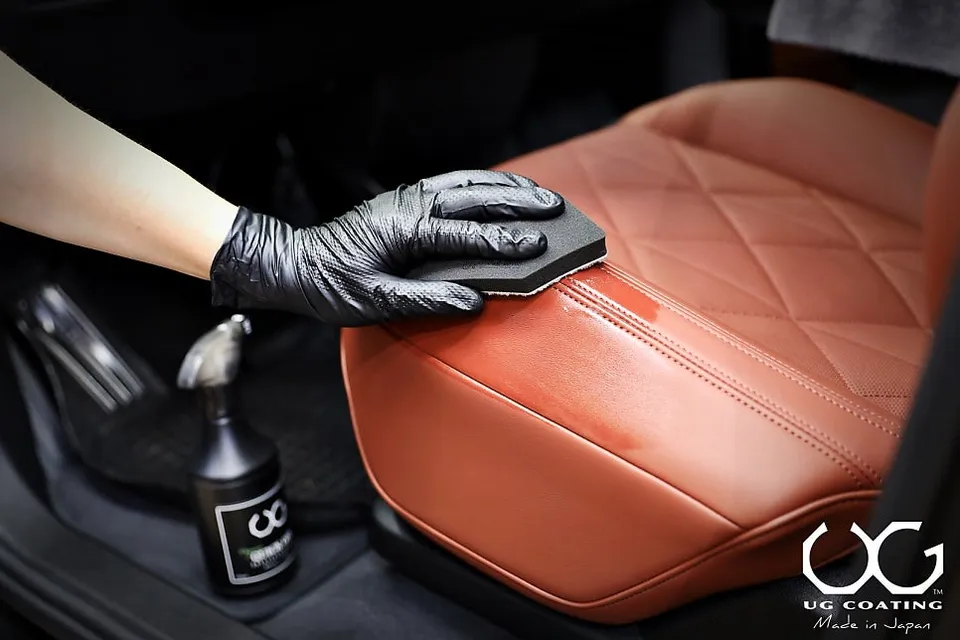
- Coating Application: The ceramic coating is carefully applied panel by panel using specialized applicators. It requires a controlled environment and precise technique.
- Curing: The coating needs time to cure and harden, forming its protective shell. This can take anywhere from 12 to 48 hours, depending on the product and environmental conditions.
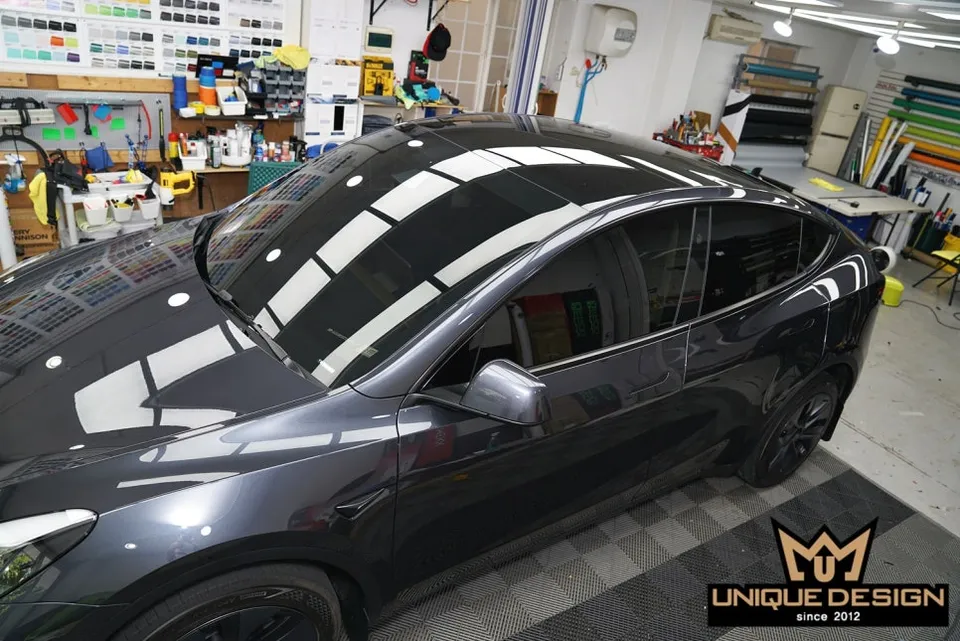
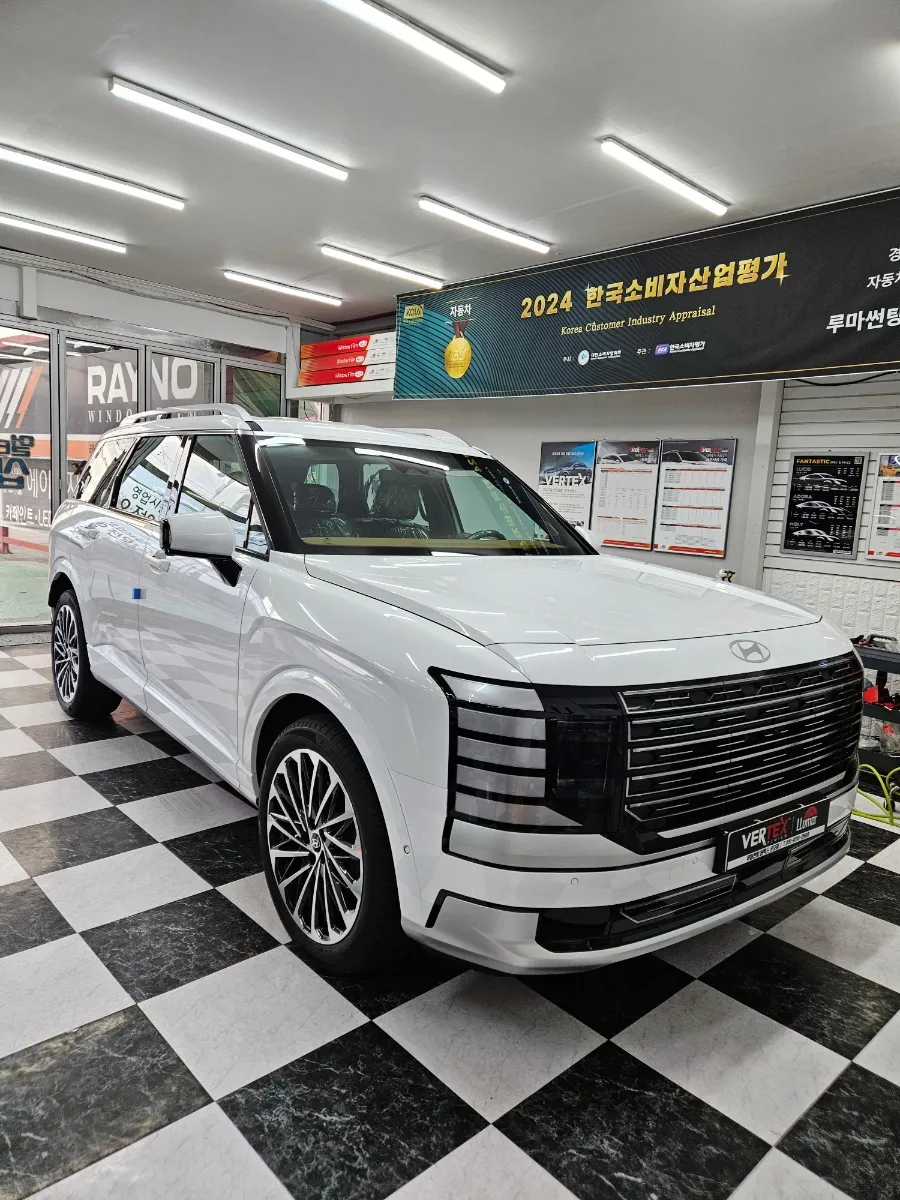
The before and after results are often dramatic. A properly applied ceramic coating enhances the paint's gloss, depth, and color saturation, giving the Hyundai Santa Fe a deep, wet look. The hydrophobic effect is immediately noticeable, with water sheeting off the paintwork. Over time, owners report that the car stays cleaner for longer and is significantly easier to wash, maintaining its aesthetic appeal with less effort.
Ceramic Cost and Is It Worth It?
The ceramic cost for a Hyundai Santa Fe can vary significantly based on the quality of the coating product used, the extent of paint correction required, and the labor rates of the detailing shop. In Korea, where this service was performed, the cost for a comprehensive ceramic coating package, including thorough paint correction, might range from approximately ₩500,000 to over ₩1,000,000 (roughly $370 - $740 USD, subject to exchange rates). This is a substantial investment compared to a traditional wax or sealant. However, considering the longevity – typically 2 to 5 years or even longer with proper maintenance – and the superior paint protection it offers, many owners find it a worthwhile investment for their vehicle. It preserves the resale value and keeps the Santa Fe looking its best for years to come.
Frequently Asked Questions
Q. How much does ceramic coating cost for a Hyundai Santa Fe?
The ceramic coating cost for a Hyundai Santa Fe in Korea can range from approximately ₩500,000 to over ₩1,000,000, depending on the service level and paint condition. Typical US pricing can range from $800 to $2,500 or more for professional application.
Q. How long does ceramic coating last on a Hyundai Santa Fe?
A professionally applied ceramic coating can last anywhere from 2 to 5 years, or even longer with proper maintenance. To maximize its lifespan, regularly wash your vehicle with pH-neutral soaps and avoid abrasive cleaning methods.
Q. Is ceramic coating better than wax for a Hyundai Santa Fe?
Ceramic coating offers significantly longer-lasting and more durable paint protection compared to traditional wax or paint sealants. It's ideal for owners seeking robust protection against environmental damage and easier maintenance.
Q. How is ceramic coating applied to a Hyundai Santa Fe?
Installation involves a multi-step process: 1. Thorough washing and decontamination. 2. Paint correction to remove imperfections. 3. Wiping down with an IPA solution for a clean surface. 4. Careful application of the ceramic coating liquid. 5. Allowing the coating to cure.
Q. What is the difference between ceramic coating and PPF for a Hyundai Santa Fe?
Ceramic coating provides chemical resistance and hydrophobic properties for gloss and ease of cleaning, while Paint Protection Film (PPF) is a thicker, clear urethane layer primarily designed to protect against physical impact like rock chips and scratches. For comprehensive protection, many opt for a combination of both.
OhCar Partner Shop
More ceramic coating Reviews
See all →
More Hyundai Reviews
Pair with Another Service
Add physical chip protection before coating