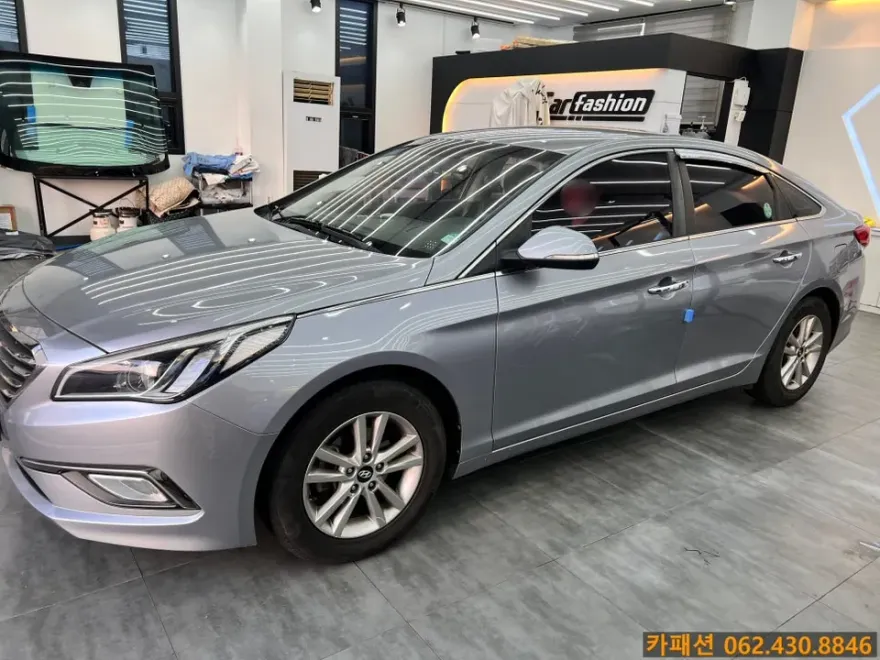
Hyundai Sonata DN8 Seat Heating Review — Enhanced Comfort
Service Price
$40–80
Estimated price · Actual price may vary by shop
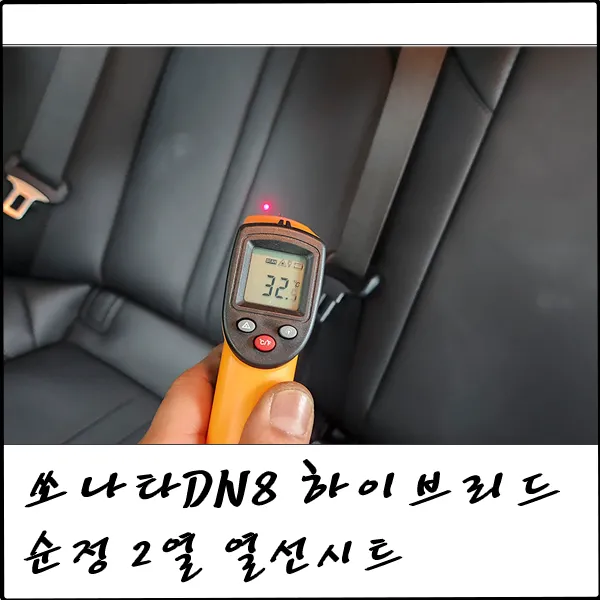
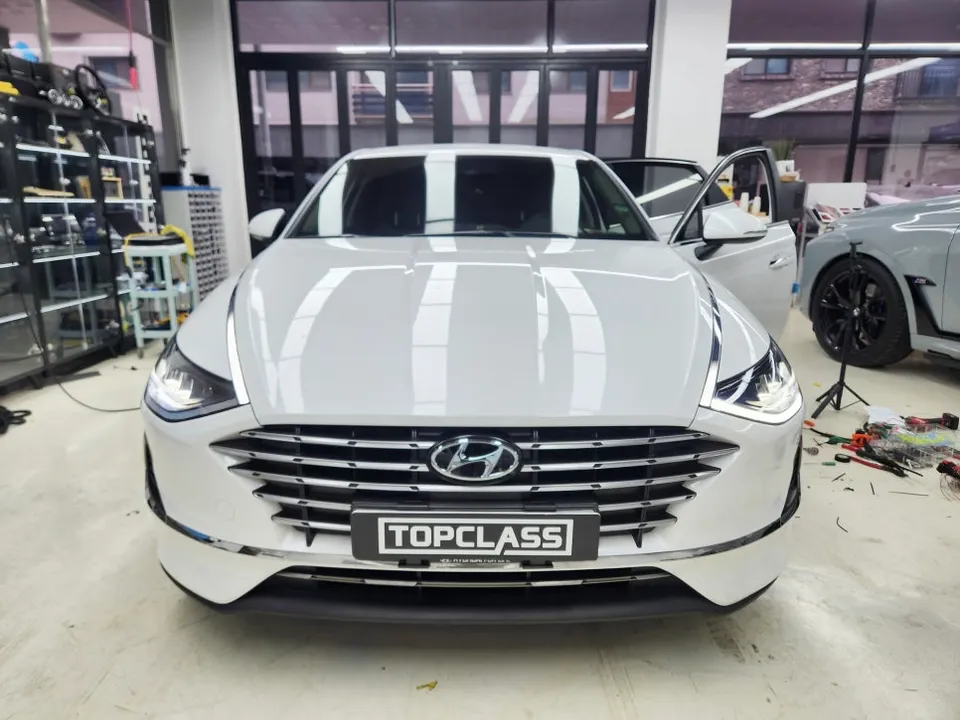
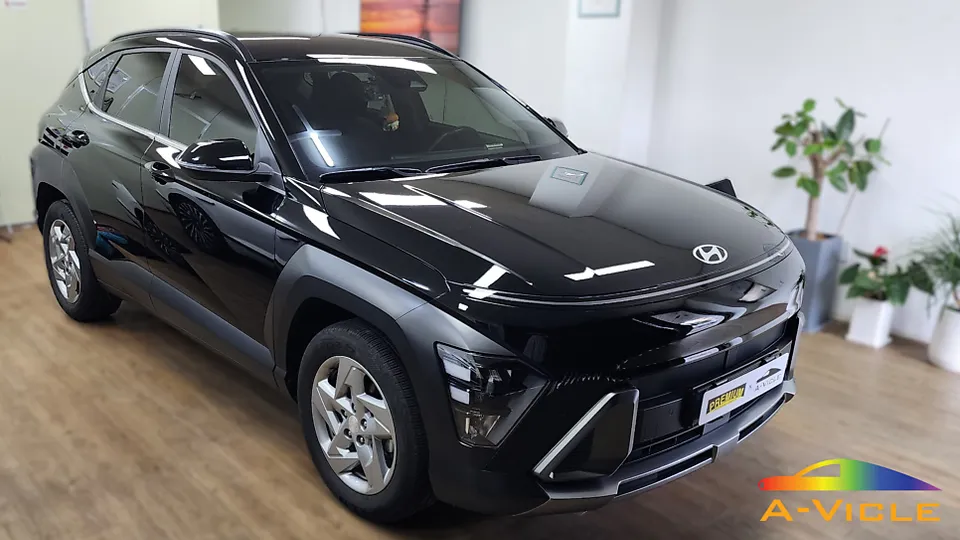
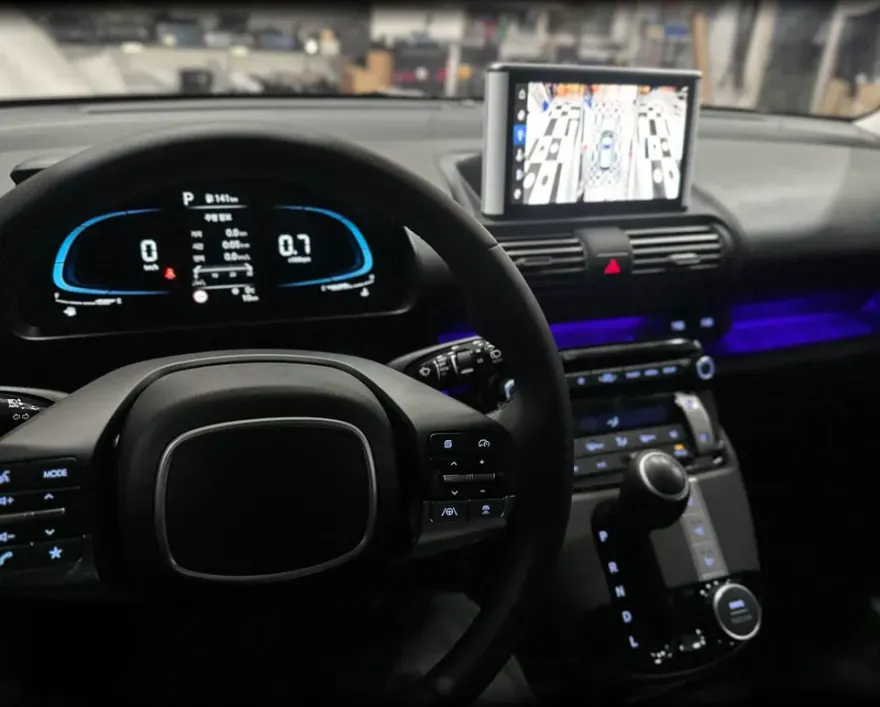
Hyundai Sonata DN8 rear seat heating upgrade offers enhanced comfort for passengers. Installation is approximately 2-3 hours using genuine parts.
Why Rear Seat Heating is Essential for Your Sonata DN8
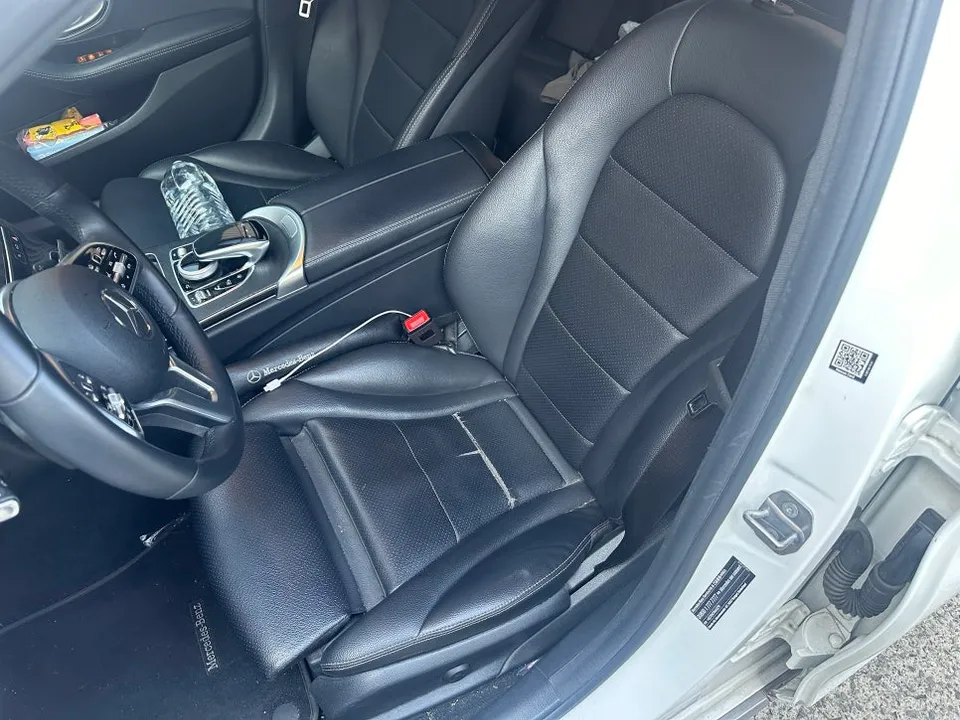
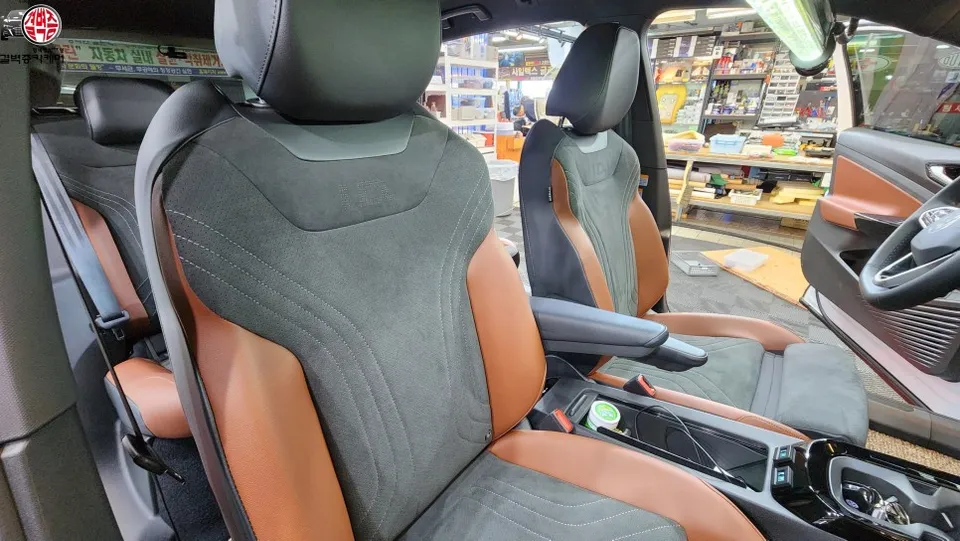
While many vehicles come standard with front seat heating, the rear seats often get overlooked. For the Hyundai Sonata DN8, especially in colder climates, the lack of rear seat heating can lead to discomfort for passengers. Fortunately, upgrading to genuine rear seat heating is a viable option, transforming your driving experience. This upgrade isn't just about comfort; it's a thoughtful gesture for family and friends who frequently occupy the back seats. It ensures everyone enjoys a warm and pleasant journey, regardless of the outside temperature. The process involves using genuine parts, ensuring seamless integration and safety, much like the factory-installed options.
Seamless Installation Process for Sonata DN8 Rear Seat Heating
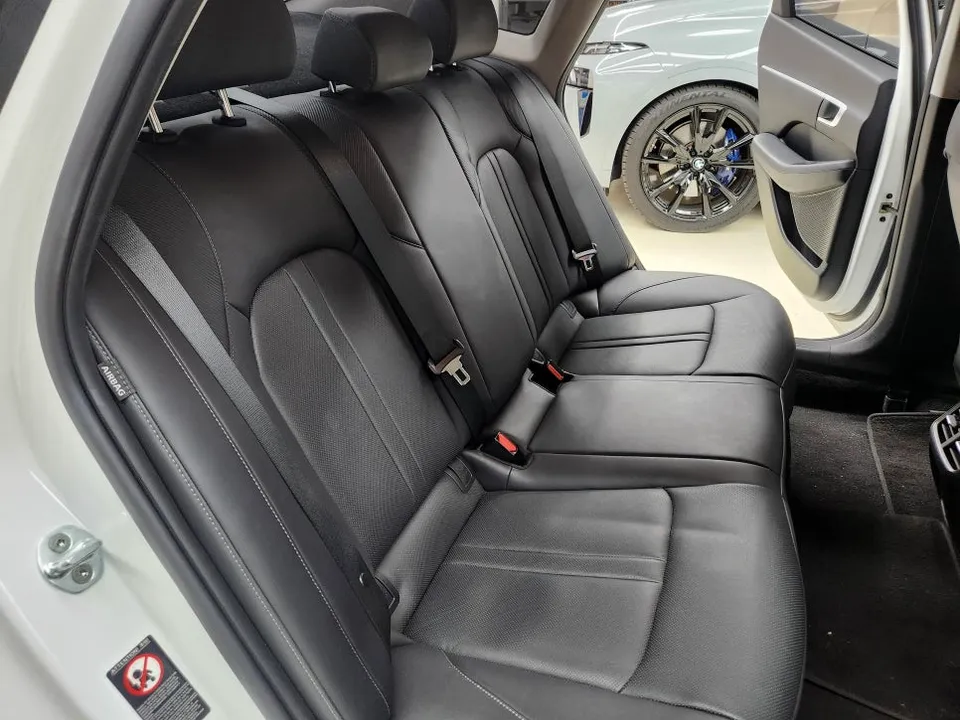
The installation of rear seat heating in the Hyundai Sonata DN8 is designed for efficiency and integration. A key advantage for the DN8 model is that the rear seat heating controls are often integrated into the window switch panel. This means a full door trim replacement isn't necessary; only the switch unit needs to be updated, which can reduce costs. The process begins with carefully removing the rear seat cushions and backrests. Genuine Sonata DN8 heating pads are shaped to fit the vehicle's specific seat foam, providing broader and more even heat distribution compared to aftermarket alternatives.
Installation process:
- Carefully disassemble rear seat cushions and backrests to access the foam.
- Attach the genuine heating pads securely to the seat foam, ensuring full coverage.
- Route wiring harnesses discreetly, utilizing factory wiring conduits for a clean and safe installation.
- Replace the window switch panel with the updated unit containing heating controls.
- Reassemble the seats, ensuring all components are securely fastened.
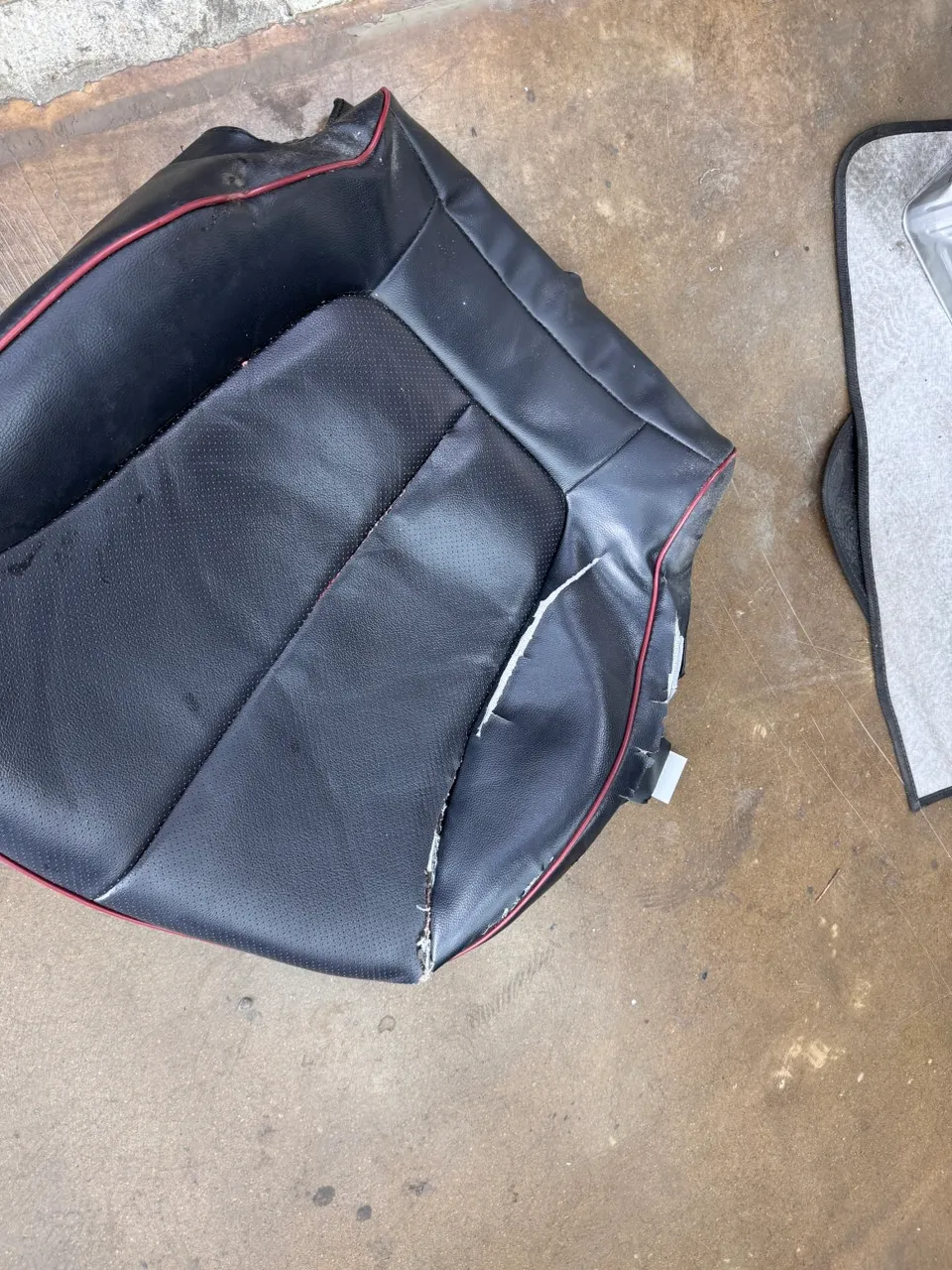
Wiring is meticulously managed using original connectors or appropriate replacements. All connections are secured within factory-specified protective tubing to prevent damage and ensure longevity. Finally, the seat covers are reattached using hog rings, mirroring the original factory finish. This attention to detail ensures the heating system is not only functional but also safe and durable, providing reliable warmth for years to come.
Frequently Asked Questions
Q. How much does Seat Ventilation & Heating cost for a Hyundai Sonata DN8?
The cost for genuine rear seat heating installation on a Hyundai Sonata DN8 typically ranges from ₩400,000 to ₩600,000 in Korea. In the US, similar upgrades can range from $300 to $600 depending on the installer and parts used.
Q. How long does Seat Ventilation & Heating last on a Hyundai Sonata DN8?
When installed with genuine parts and professional care, the seat heating system is designed to last for many years, often the lifespan of the vehicle. Regular checks for any unusual behavior and ensuring clean seat upholstery can help maintain its longevity.
Q. Is Seat Ventilation & Heating worth it for a Hyundai Sonata DN8?
Rear seat heating is highly recommended for Sonata DN8 owners who frequently carry passengers in the back, especially during colder months, as it significantly enhances comfort. The value lies in providing a premium, considerate experience for all occupants.
Q. How is Seat Ventilation & Heating done on a Hyundai Sonata DN8?
The installation involves carefully removing seat covers to attach genuine heating pads to the seat foam. Wiring is then routed through the vehicle's existing channels, connecting to a new switch integrated into the window control panel, ensuring a factory-like finish.
Q. What is the best Seat Ventilation & Heating option for a Hyundai Sonata DN8?
Opting for genuine Hyundai parts ensures the best compatibility, safety, and performance, integrating seamlessly with the vehicle's existing systems. While aftermarket options exist, they may not offer the same level of integration or reliability.
OhCar Partner Shop