Hyundai Sonata Seat Climate Upgrade Review: Cost & Results
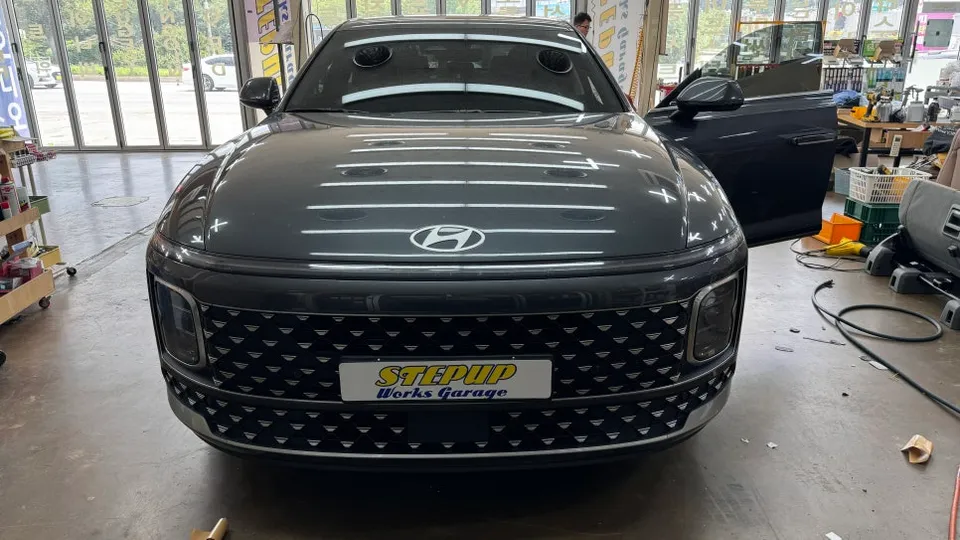
Before
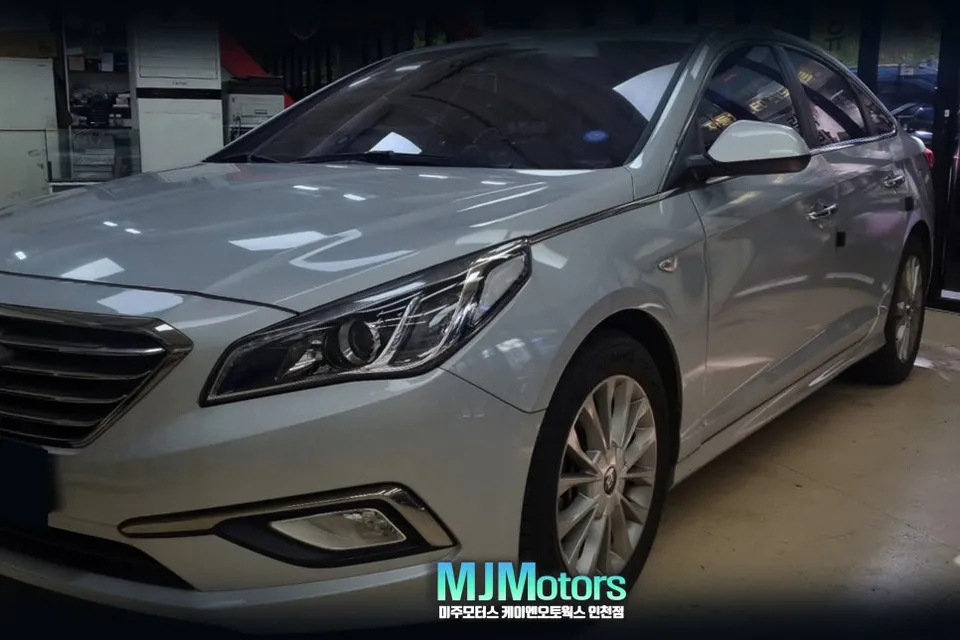
After
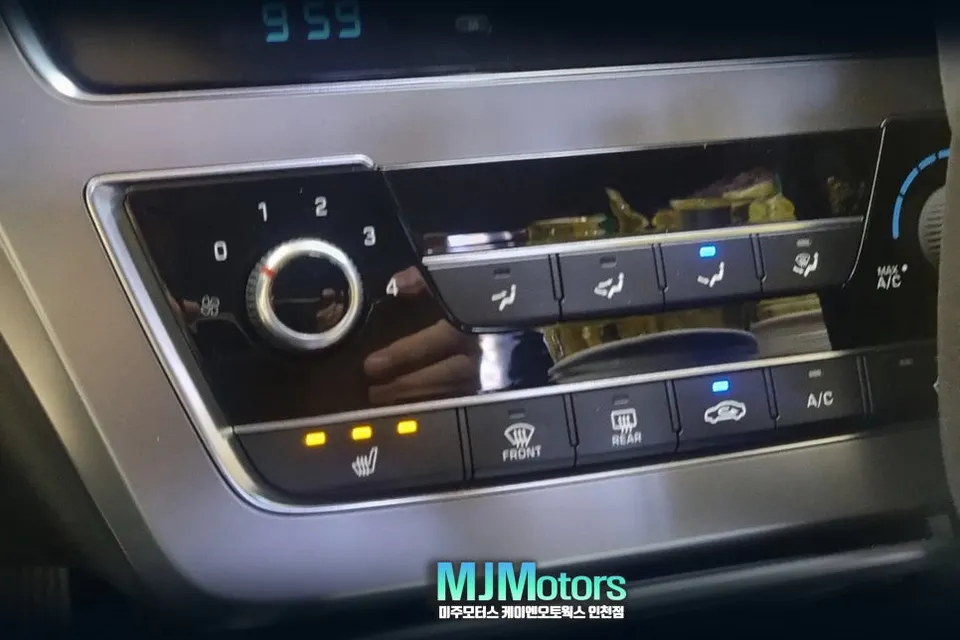
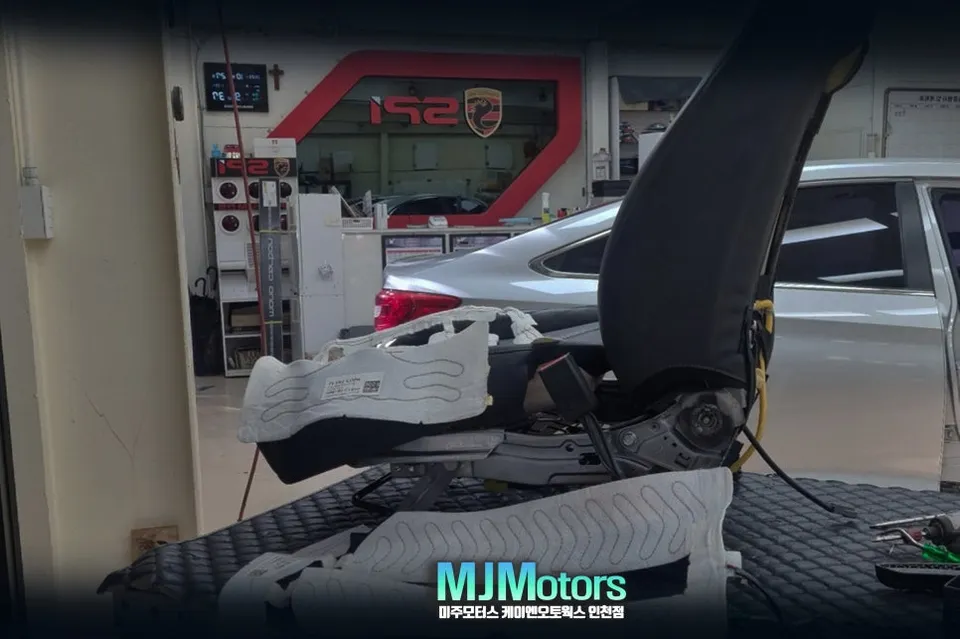
Process photos
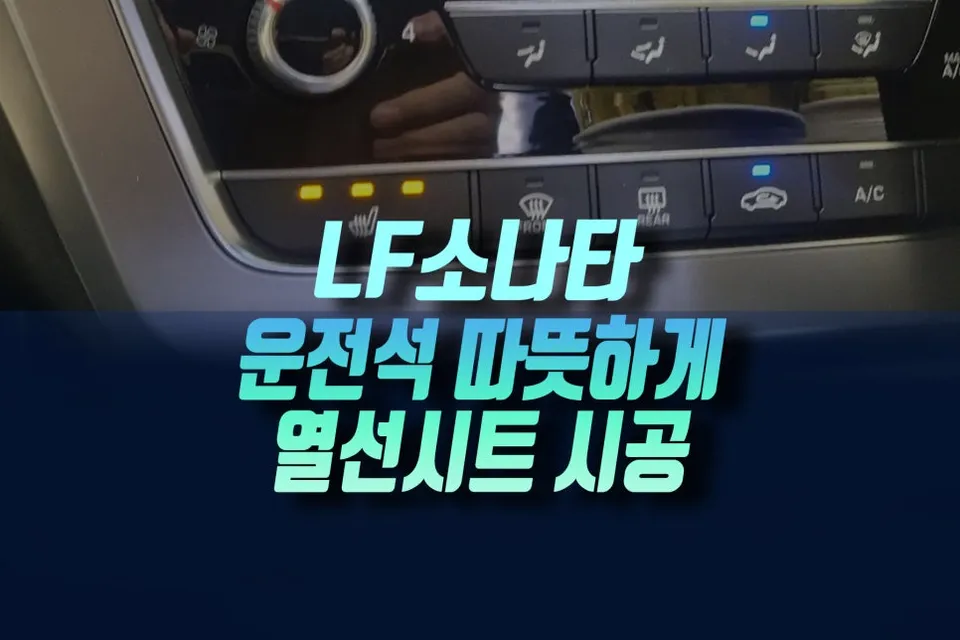
Hyundai Sonata seat heating repair: KRW ₩150,000 (approx. $110 USD). Restored warmth for winter driving.
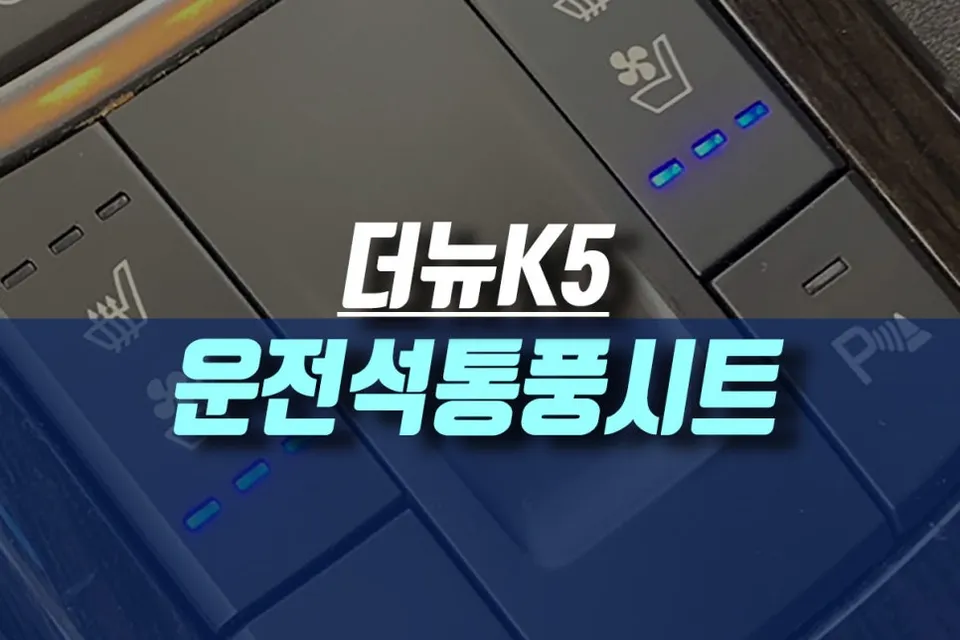
Enhancing Your Hyundai Sonata's Comfort: Seat Ventilation & Heating
For many drivers, the comfort of their vehicle's interior is paramount, especially during extreme weather. While the Hyundai Sonata offers a comfortable ride, adding or repairing seat ventilation and heating can significantly elevate the experience. This review delves into the process, costs, and benefits of a seat climate upgrade for your Sonata, drawing from an installation performed in South Korea.
Installation Process and What to Expect
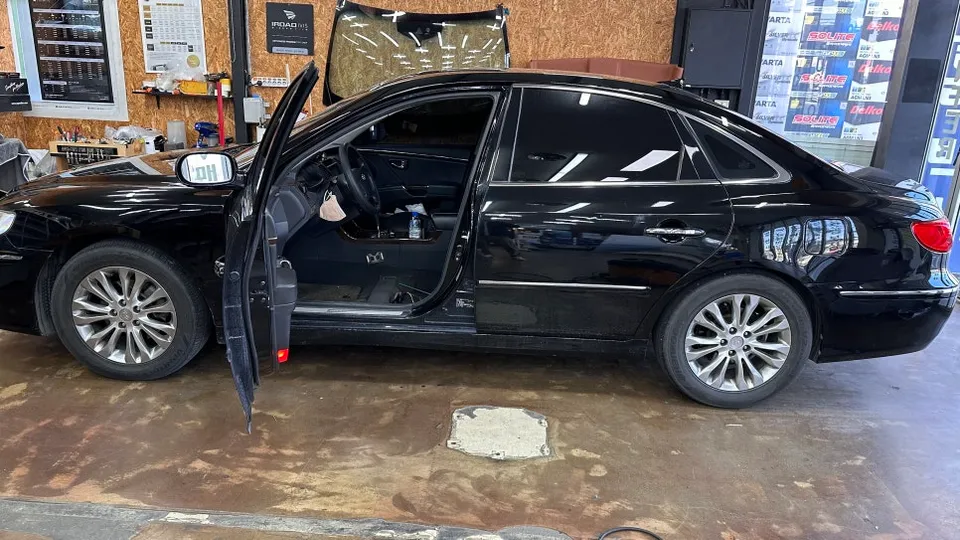
The process of installing or repairing seat ventilation and heating systems involves careful disassembly and reassembly of your car's seats. The original context details a repair and replacement of the heating pads within the seats of an LF Sonata. This suggests that the system involves internal components that can wear out or fail over time. The installation process typically involves:
- Careful removal of the seat covers to access the internal seat structure.
- Removal of old or faulty heating elements and/or ventilation fans.
- Installation of new heating pads and/or ventilation components, ensuring proper wiring and connections.
- Reassembly of the seat covers, ensuring a snug and factory-like fit.
This type of upgrade or repair requires specialized knowledge and tools to avoid damaging the seat upholstery or the vehicle's electrical system. The goal is to restore or add functionality seamlessly, making the seats feel as if they came equipped with these features from the factory.
Durability, Maintenance, and Decision Making
The durability of seat ventilation and heating systems depends on the quality of the components used and the professional installation. Aftermarket systems can vary widely in quality. For the heating pads specifically, as seen in the original context, failure can occur over time, necessitating repair or replacement. Regular maintenance is minimal; however, it's crucial to avoid spilling liquids directly onto the seat controls and to ensure the wiring remains secure. When considering a seat climate upgrade for your Hyundai Sonata, weigh the upfront cost against the long-term benefits of enhanced comfort in both hot and cold weather. If your existing system is malfunctioning, a repair is often a cost-effective solution. If you're looking to add these features to a Sonata that didn't originally have them, research reputable installers and quality aftermarket parts to ensure a satisfying and lasting result.
Frequently Asked Questions
Q. How much does ventilated seat installation cost for a Hyundai Sonata?
The repair of heating pads in Korea cost KRW ₩150,000 (approximately $110 USD). While specific costs for full ventilation system installation vary widely by region and components, expect a significant investment for aftermarket units in the US.
Q. How long does seat ventilation installation take on a Hyundai Sonata?
The durability of seat climate systems depends on the quality of parts and installation, with heating pads potentially needing repair over time. For maintenance, avoid spills on controls and ensure wiring is secure.
Q. Are aftermarket ventilated seats worth it for a Hyundai Sonata?
Ventilated and heated seats offer significant comfort benefits, especially for drivers in climates with extreme temperatures. The value proposition lies in enhanced driving experience, making it a worthwhile upgrade for many.
Q. How are ventilated seats installed in a Hyundai Sonata?
Installation involves carefully removing seat covers to access the internal structure, replacing faulty heating elements or ventilation fans, and reconnecting wiring. The seats are then reassembled to achieve a factory-like finish.
Q. What is the difference between OEM and aftermarket ventilated seats for a Hyundai Sonata?
OEM (Original Equipment Manufacturer) parts are designed specifically for your Sonata by Hyundai, ensuring perfect integration and quality. Aftermarket options offer more variety and potentially lower costs but require careful selection for compatibility and reliability.
OhCar Partner Shop