Kia Carnival KA4 Body Kit Installation Review
Service Price
$under $40
Estimated price · Actual price may vary by shop
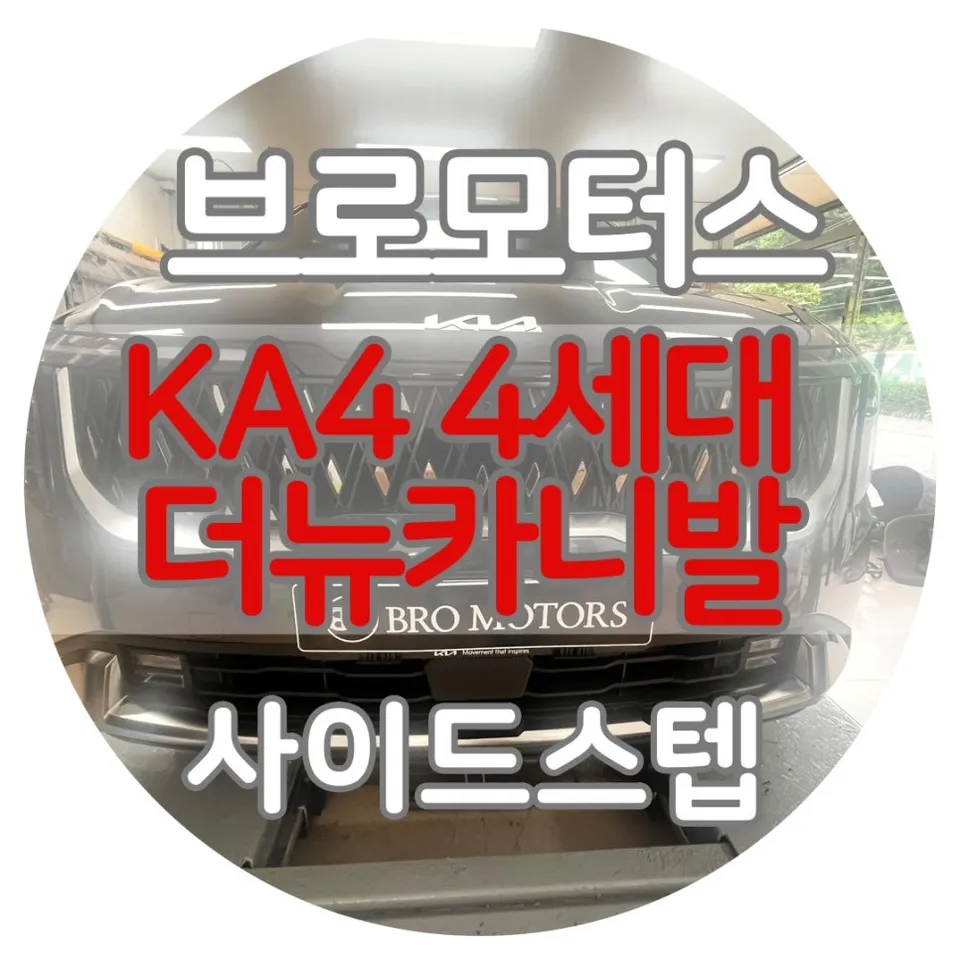
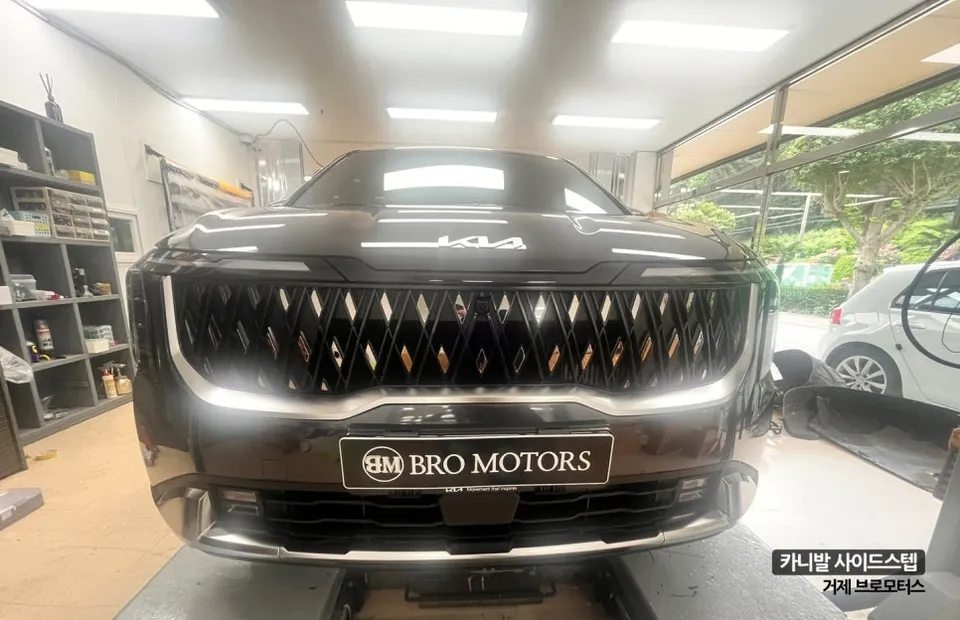
Kia Carnival KA4 body kit installation costs vary. Expect professional installation to add significantly to the parts price.
Transforming Your Kia Carnival KA4 with a Body Kit
The Kia Carnival KA4, a popular choice for families and those needing ample space, can be further enhanced with a custom body kit. Often referred to as an aero kit, these modifications can significantly alter the vehicle's aesthetic, giving it a sportier or more aggressive stance. This review delves into the specifics of body kit installation for the KA4, covering the potential costs, the visual impact, and whether the investment is truly worthwhile for owners.
Understanding Body Kit Installation and Costs
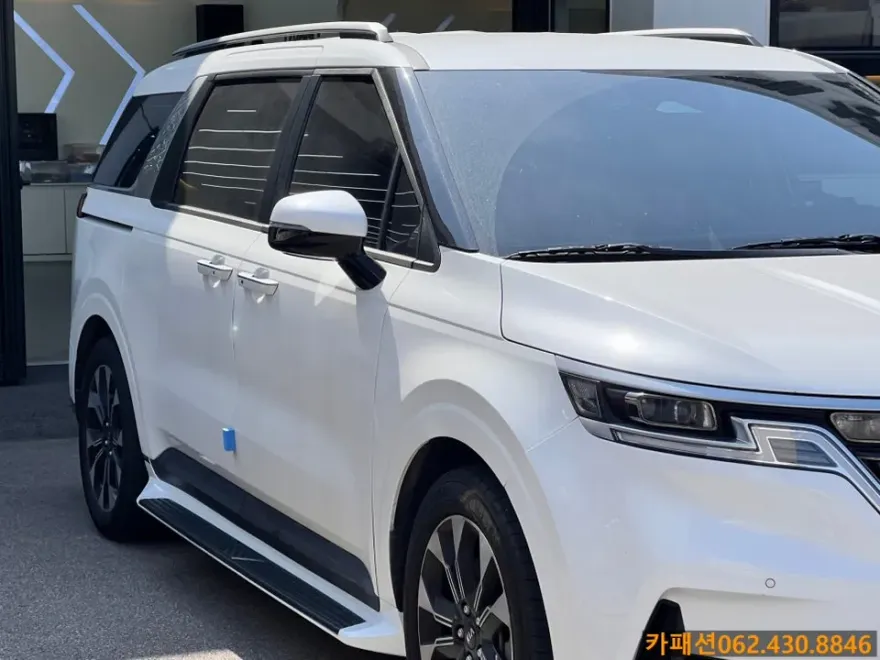
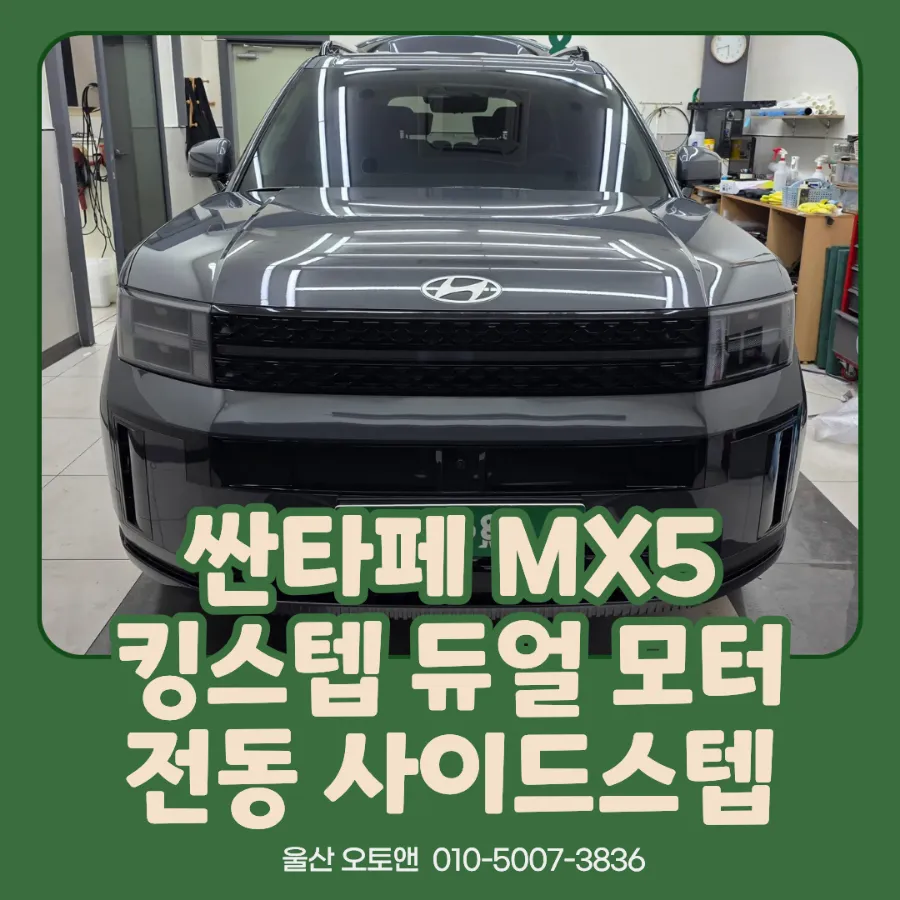
Installing a body kit on a Kia Carnival KA4 involves adding components like front lips, side skirts, and sometimes rear diffusers. The process requires precision to ensure a seamless fit and a factory-like finish. While the Korean context mentions side steps, the principles of body kit installation are similar, focusing on secure attachment and aesthetic integration. The cost for a full body kit installation can vary widely depending on the materials used (such as ABS plastic, polyurethane, or fiberglass) and the complexity of the design. In Korea, the example provided for side steps suggests costs starting in the range of 300,000 KRW (approximately $220 USD), with installation taking 2-3 hours. For a more comprehensive body kit, expect the price to be higher, potentially ranging from several hundred to over a thousand dollars in the US, depending on the brand and parts included. The installation itself can add several hundred dollars to the total cost if done by a professional shop.
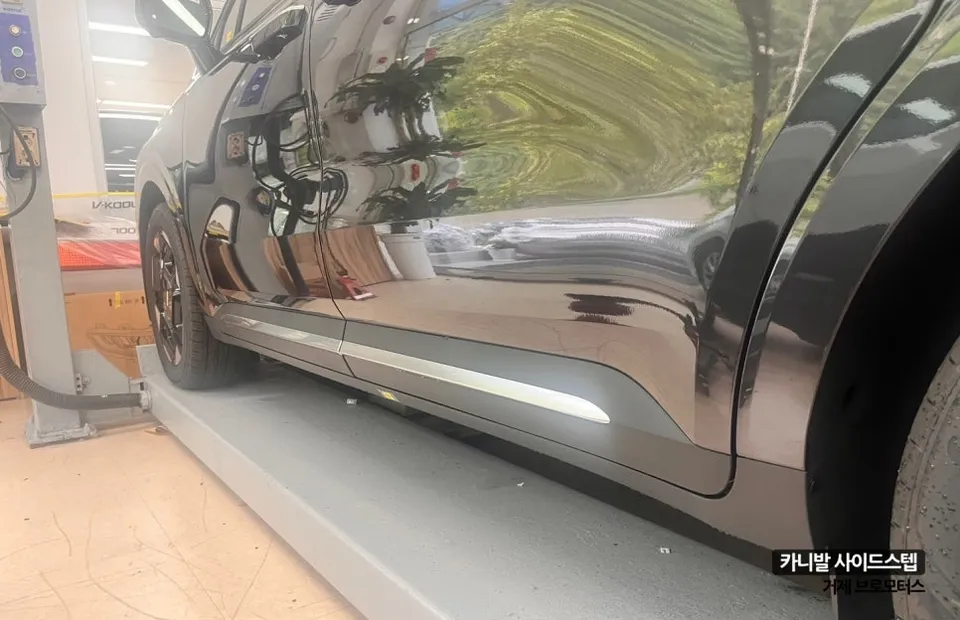
Before and After: The Visual Impact of a Body Kit
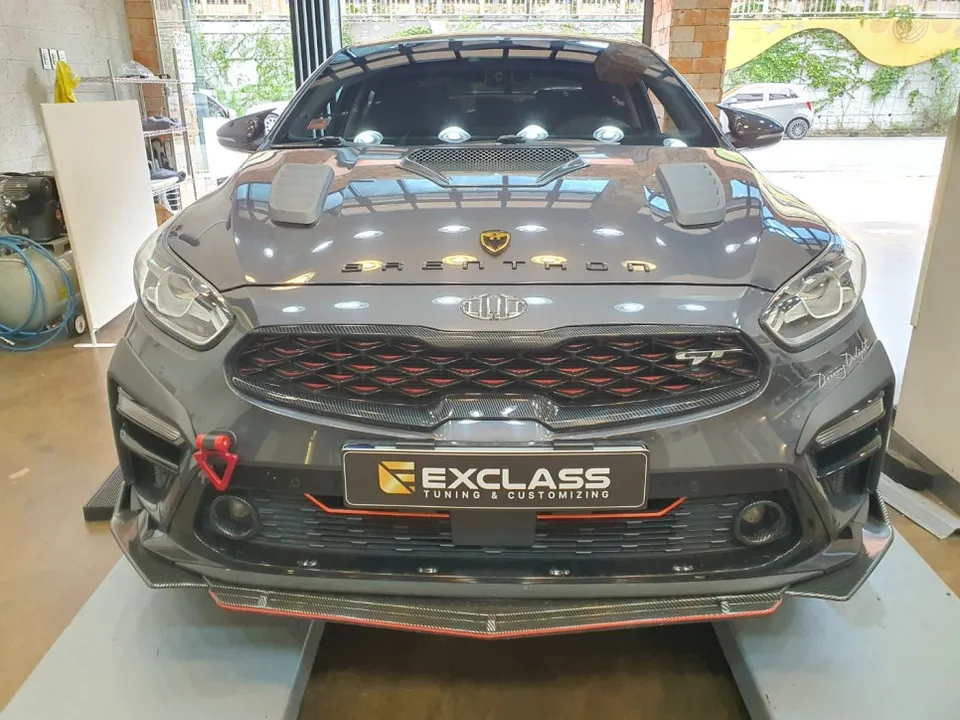
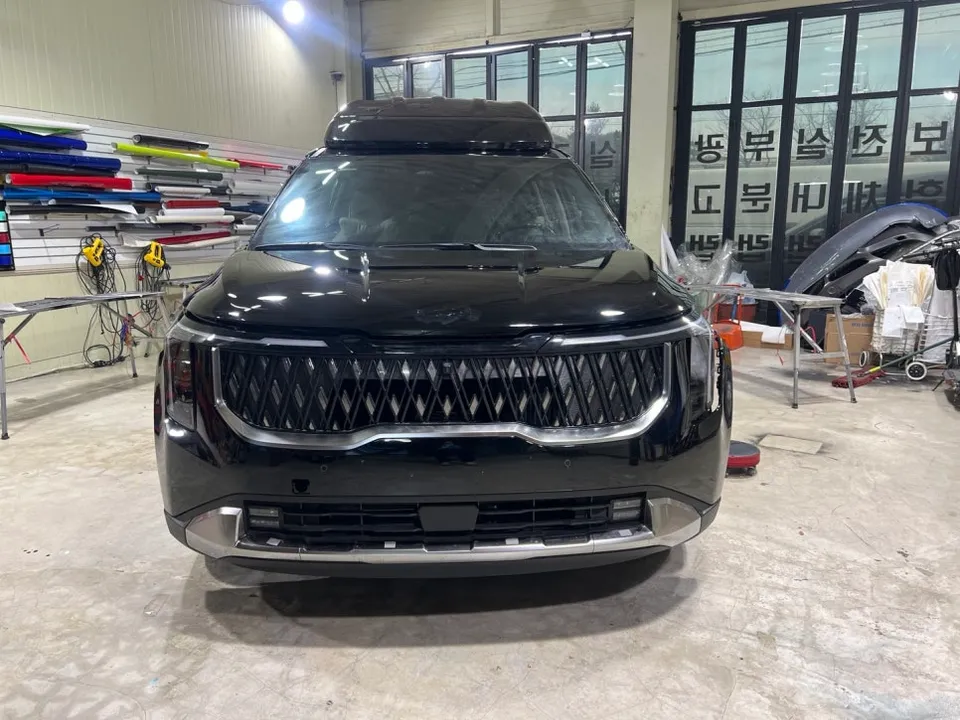
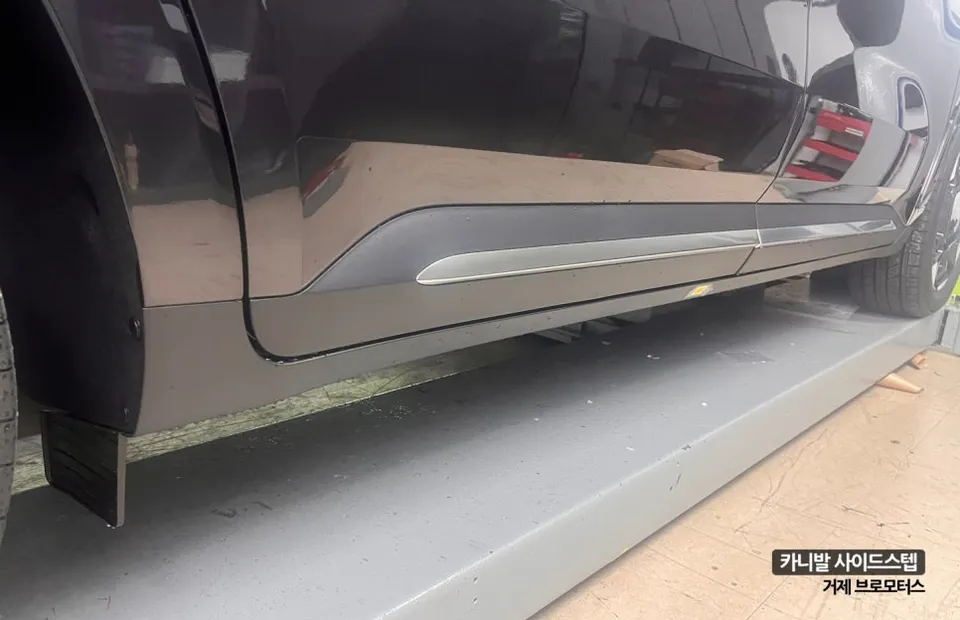
The most immediate benefit of a body kit is the visual transformation. A well-designed kit can lower the perceived height of the Carnival, add sharp lines, and create a more dynamic profile. For instance, a front lip spoiler can give the MPV a more grounded appearance, while side skirts visually connect the front and rear, and a rear diffuser can add a sporty touch. The Korean context highlights how genuine parts integrate seamlessly, offering a clean finish without gaps. This is crucial for a successful body kit installation. The 'before' is the standard, functional MPV; the 'after' is a vehicle with a more pronounced, personalized style that stands out.
Durability, Maintenance, and Is It Worth It?
The durability of a body kit largely depends on the material and the quality of the installation. Polyurethane and ABS plastic kits are generally more flexible and resistant to cracking than fiberglass, making them a better choice for daily drivers. Proper maintenance, such as regular cleaning and avoiding harsh impacts, will extend the life of the kit. The Korean context mentions that genuine side steps are durable and require minimal upkeep beyond washing. For a body kit, consider the risks: potential damage from road debris, speed bumps, or low-clearance parking. The decision of whether a body kit is 'worth it' is subjective. If you prioritize a unique, aggressive look and are prepared for the associated costs and potential maintenance, then it can be a rewarding upgrade. However, if practicality and maintaining the original factory look are more important, you might want to reconsider.
Installation Process:
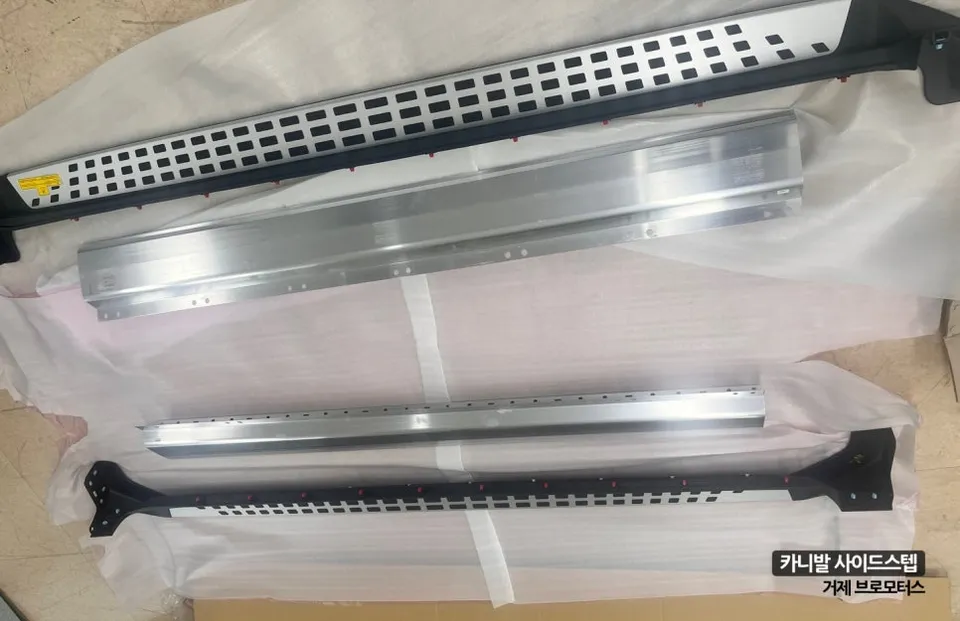
- Preparation: The vehicle's existing bumpers and side panels are carefully cleaned and prepared. Any necessary mounting points are identified or created.
- Component Fitting: The new body kit components (front lip, side skirts, etc.) are test-fitted to ensure proper alignment and fitment.
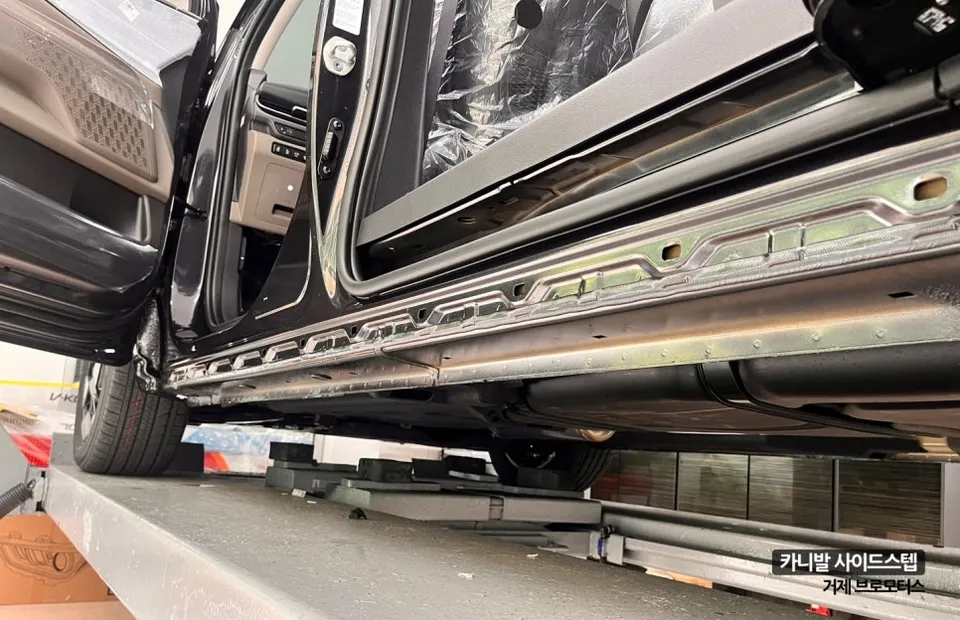
- Secure Attachment: Components are securely attached using a combination of specialized adhesives, bolts, and clips, ensuring they are firmly fixed to the vehicle's chassis.
- Finishing Touches: Gaps are sealed, and the kit may be painted to match the vehicle's color or a contrasting scheme. Final checks are performed for stability and aesthetics.
Frequently Asked Questions
Q. How much does a body kit cost for a Kia Carnival KA4?
In Korea, side step installation starts around 300,000 KRW (approx. $220 USD). A full body kit in the US can range from several hundred to over $1000 for parts alone, plus installation fees.
Q. How long does body kit installation take on a Kia Carnival KA4?
Installation typically takes 2-3 hours for simpler kits like side steps, but more complex body kits can take longer. Proper maintenance involves regular washing and avoiding impacts.
Q. Is a body kit worth it for a Kia Carnival KA4?
A body kit is worth it if you desire a more aggressive, personalized aesthetic and are prepared for the cost and potential maintenance. It's less advisable if practicality and the original look are your priorities.
Q. How is a body kit installed on a Kia Carnival KA4?
Installation involves preparing the vehicle's surface, test-fitting the kit components, and then securely attaching them using adhesives, bolts, and clips. Finally, the kit is finished to match the vehicle's appearance.
Q. What is the difference between FRP and polyurethane body kits for a Kia Carnival KA4?
Polyurethane and ABS plastic kits are generally more flexible and durable against impacts than Fiberglass Reinforced Plastic (FRP) kits. For daily driving, polyurethane or ABS is often recommended for better longevity.
OhCar Partner Shop