Lincoln Aviator Body Kit Installation Review
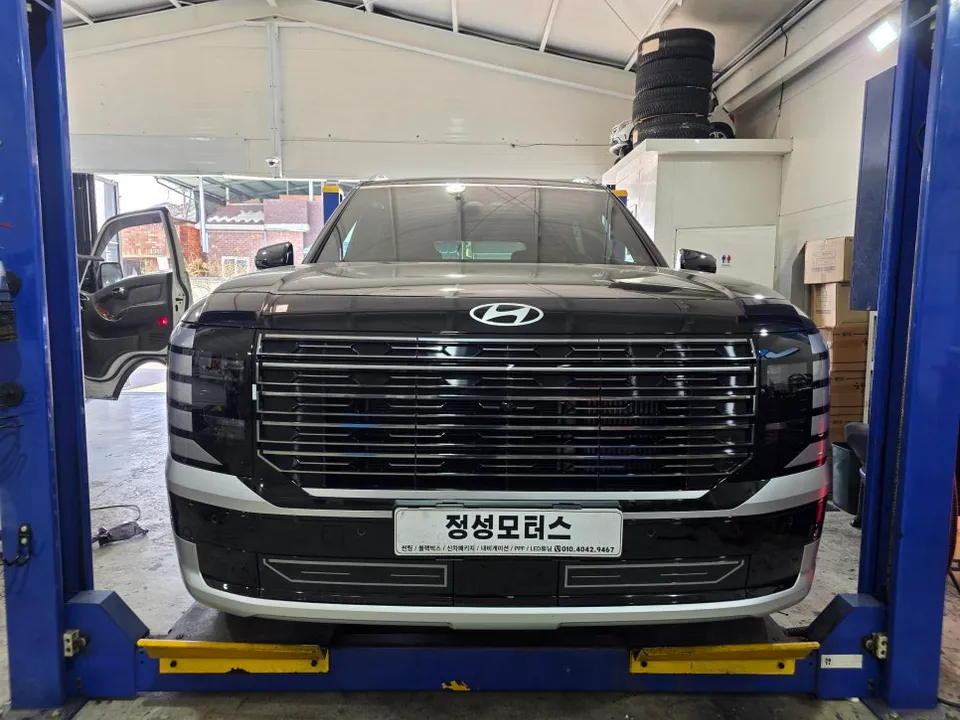
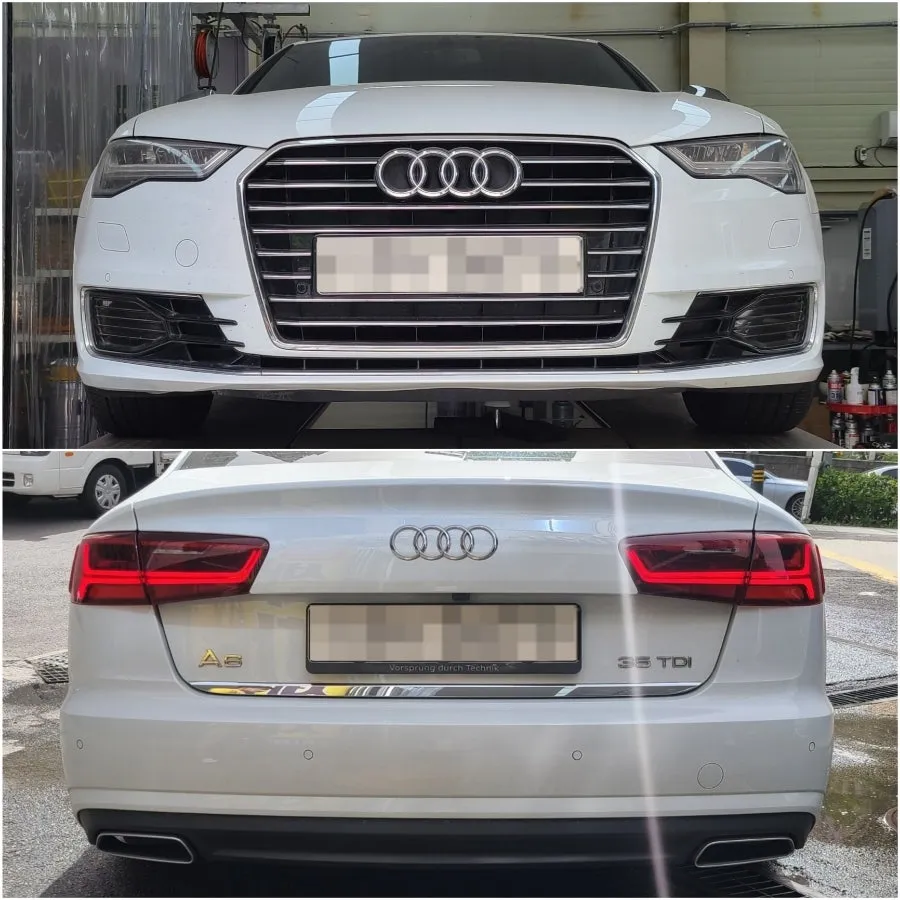
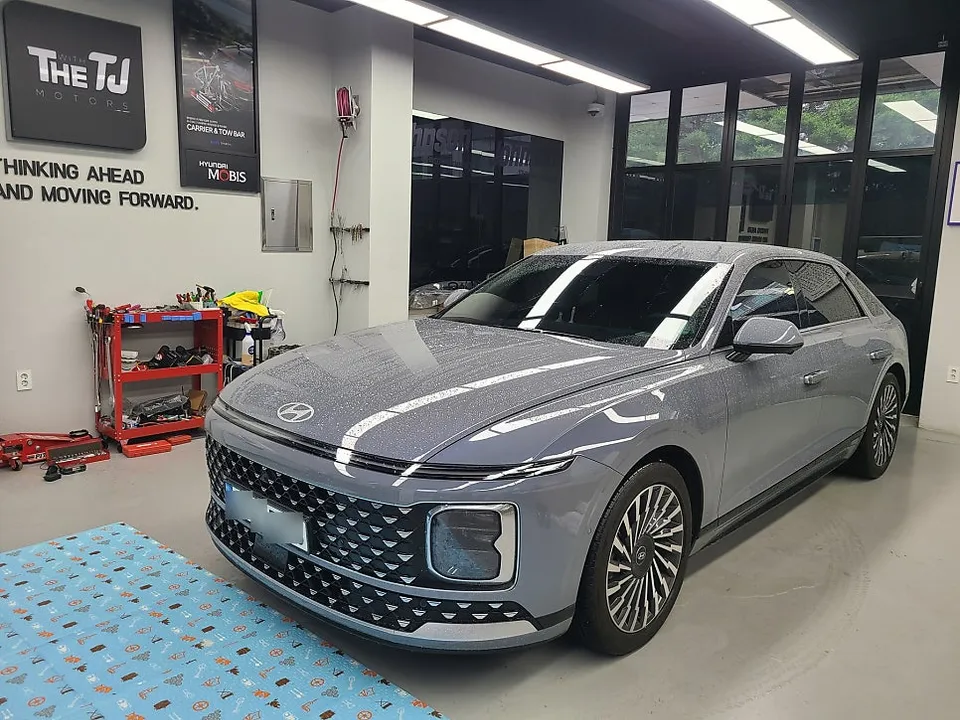
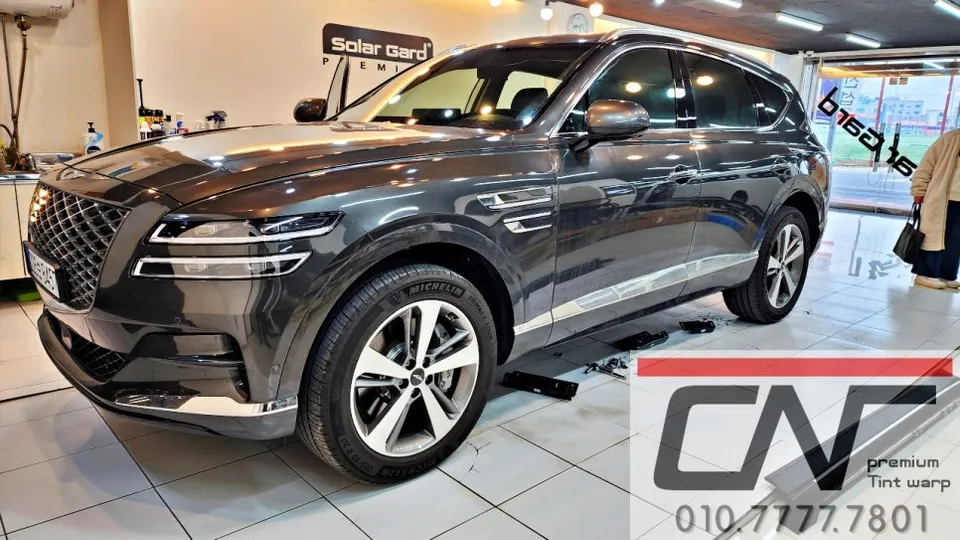
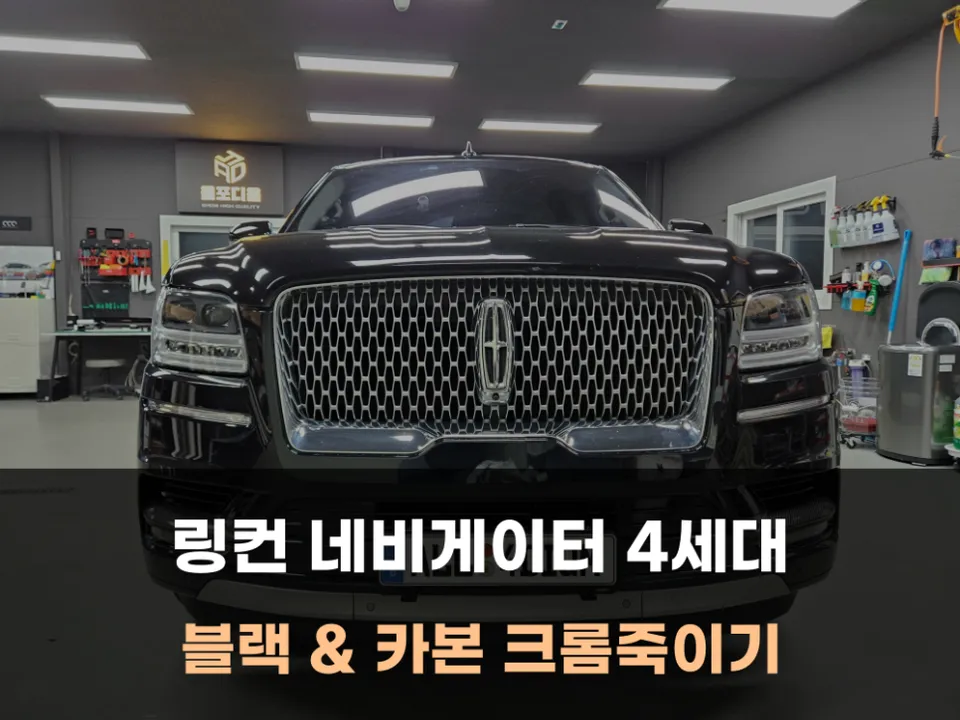
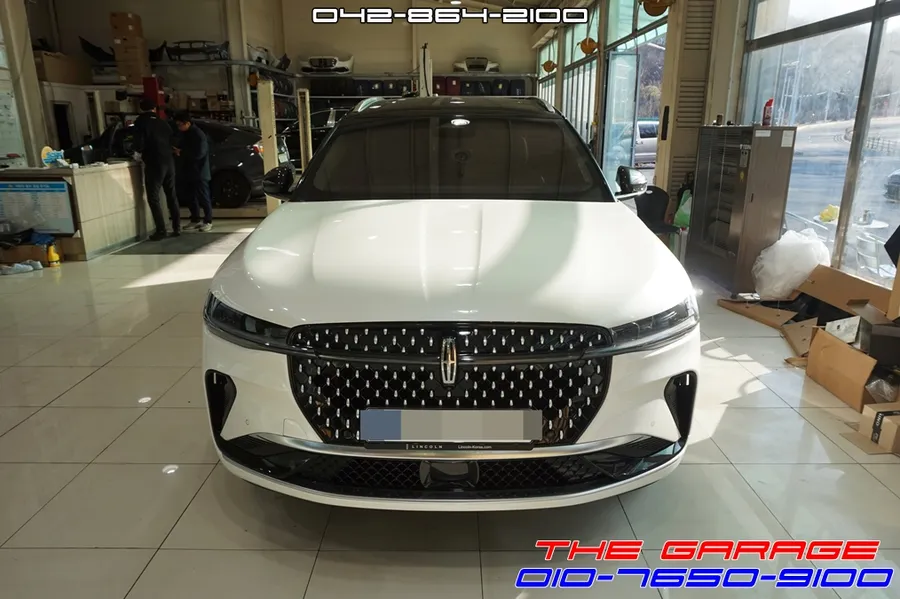
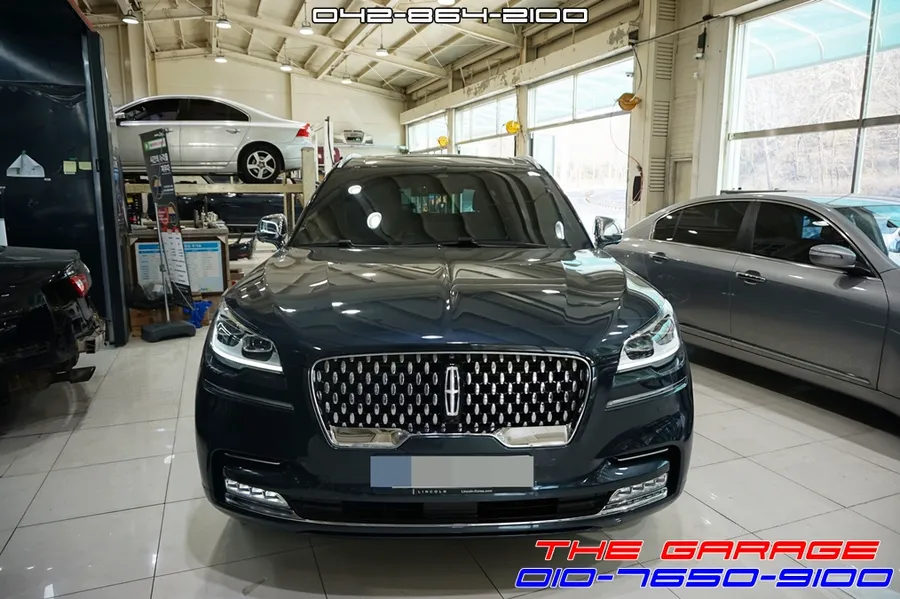
Before
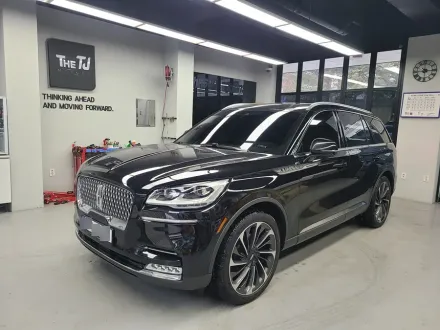
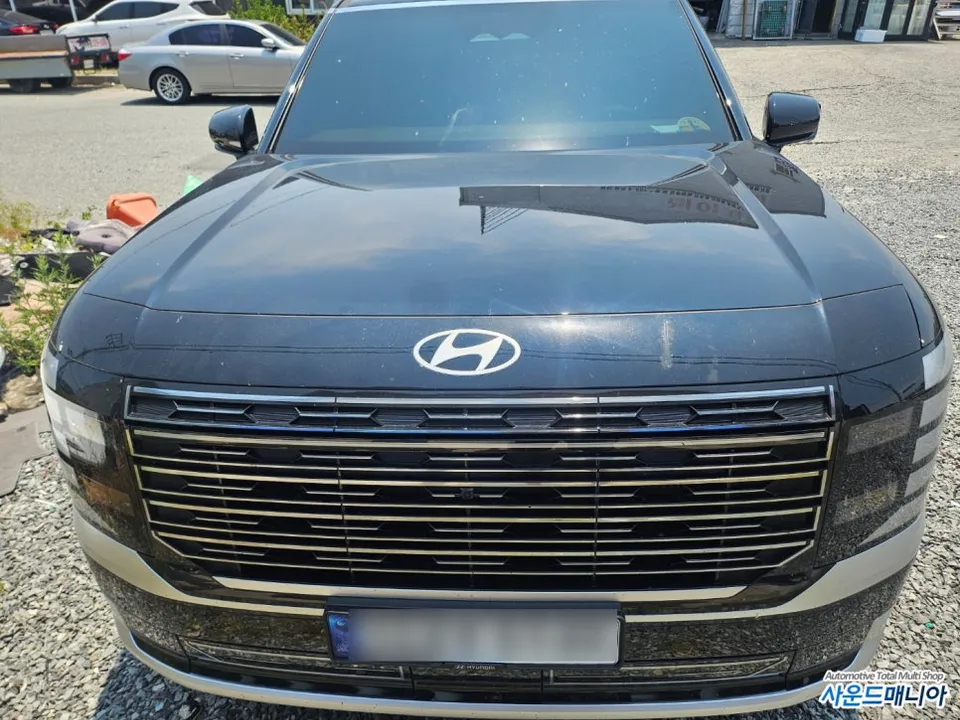
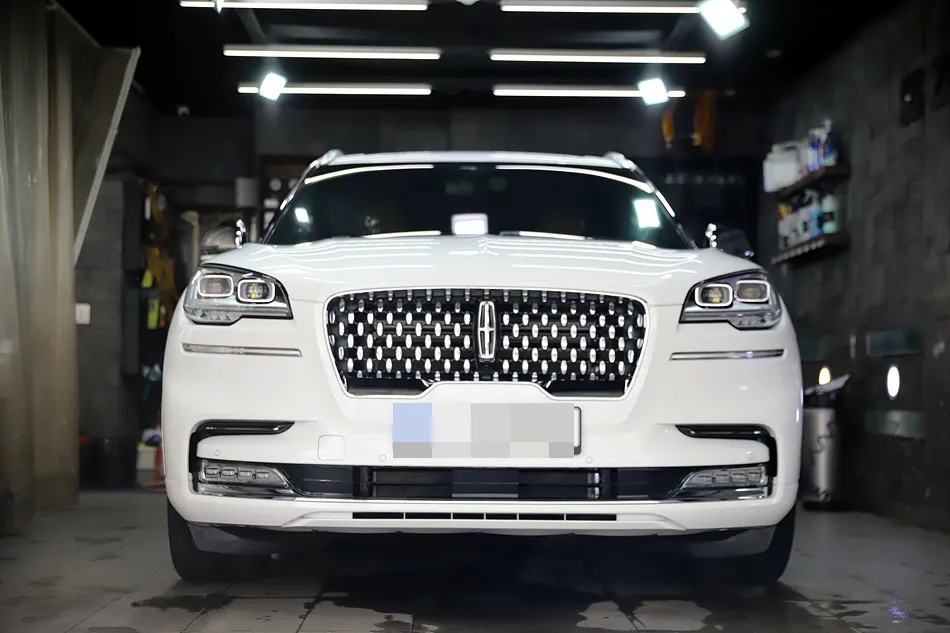
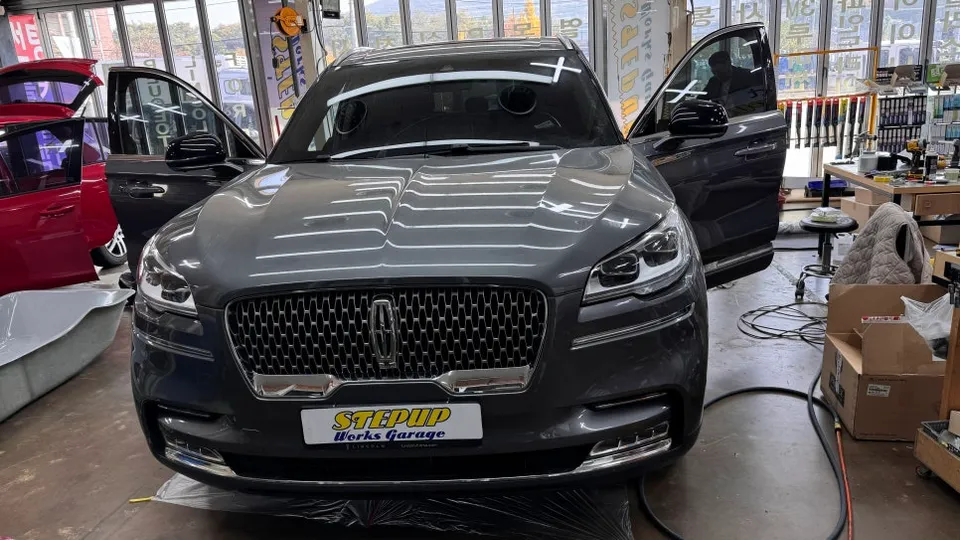
After
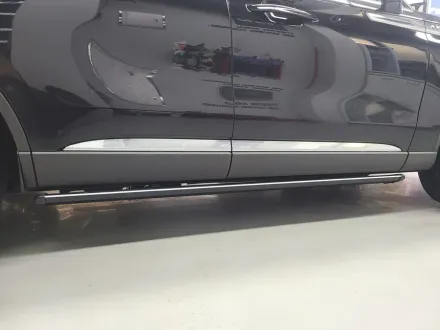
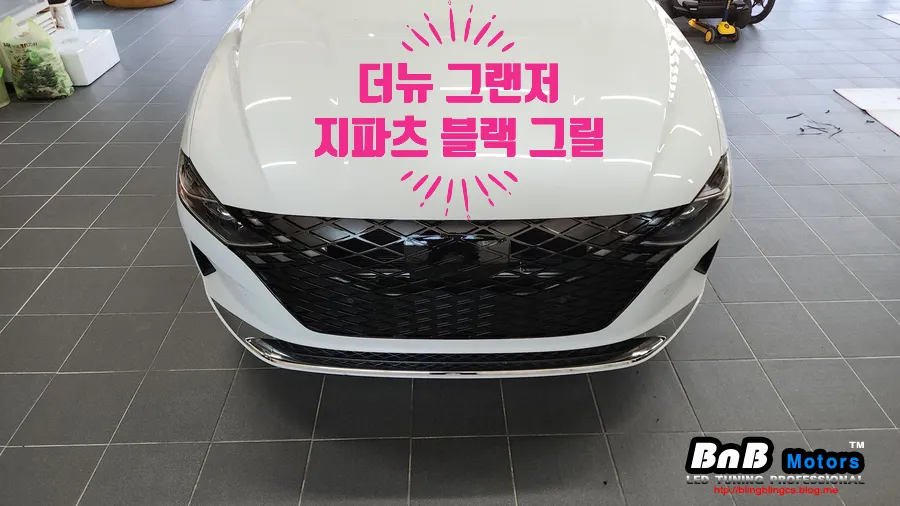
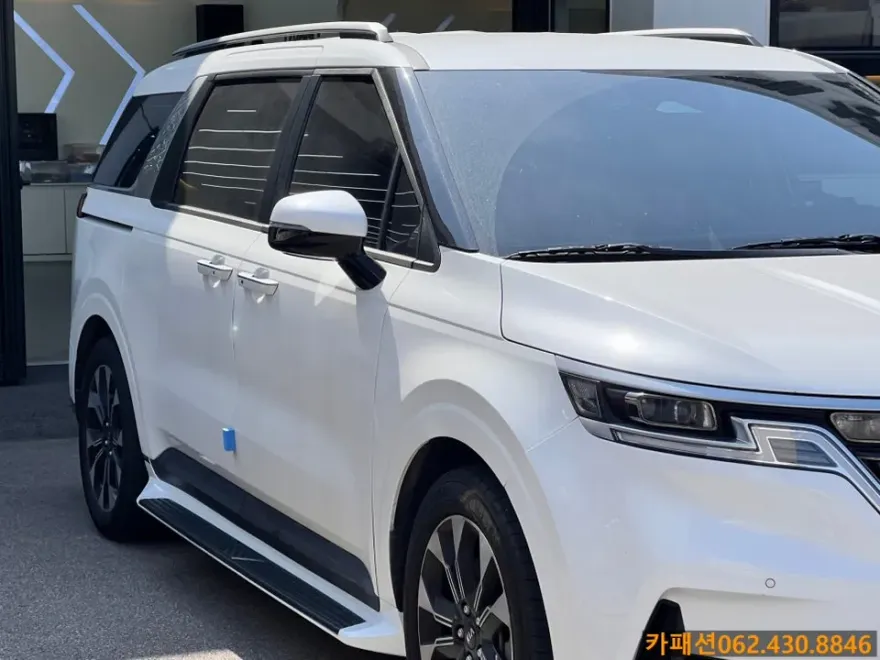
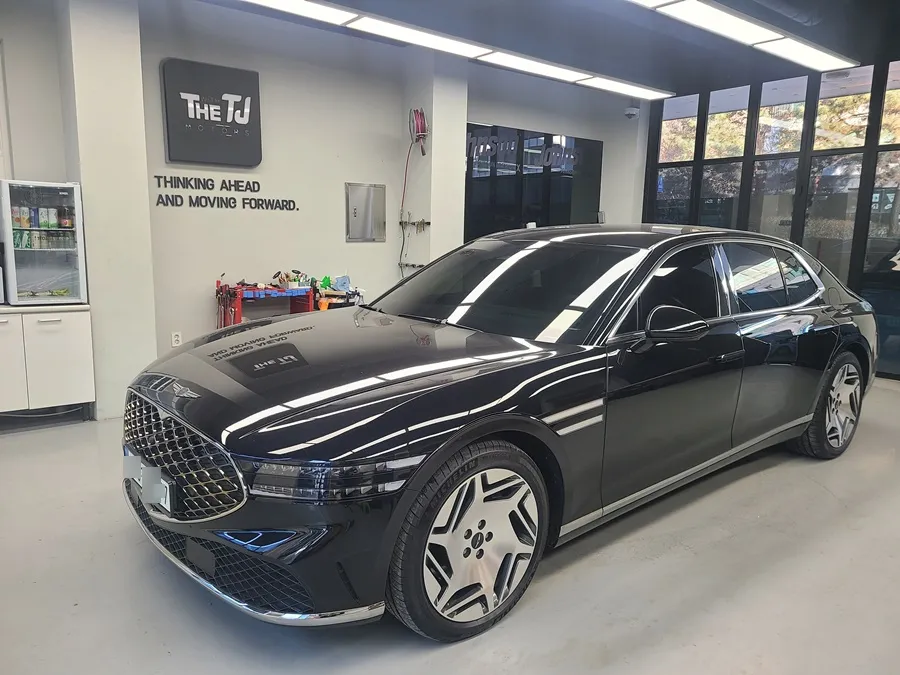
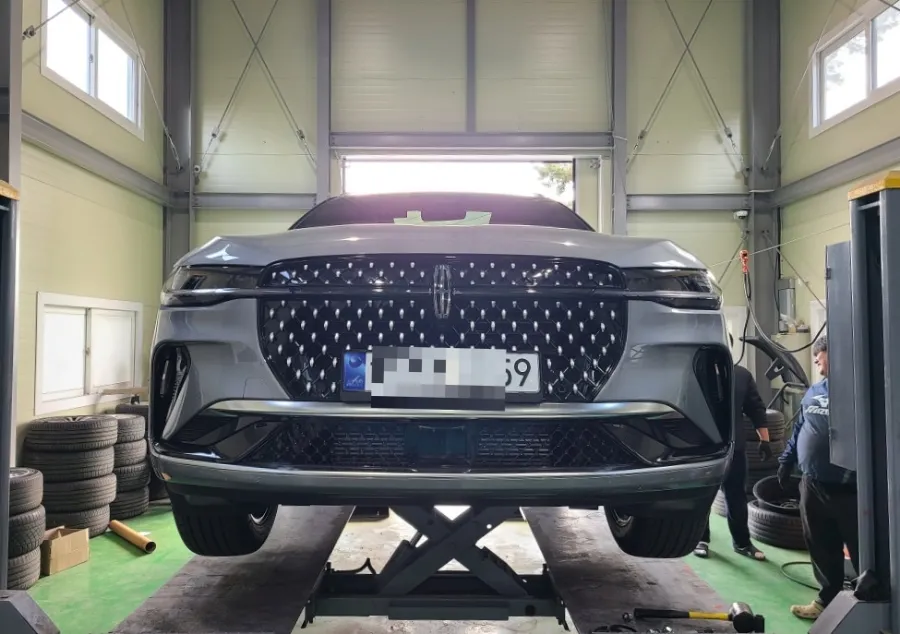
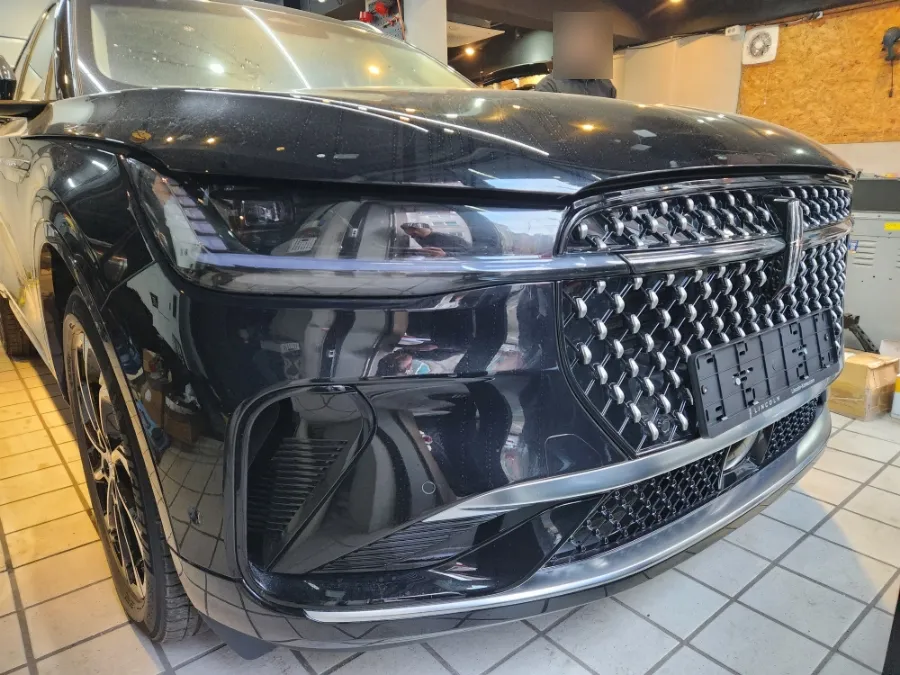
Process photos
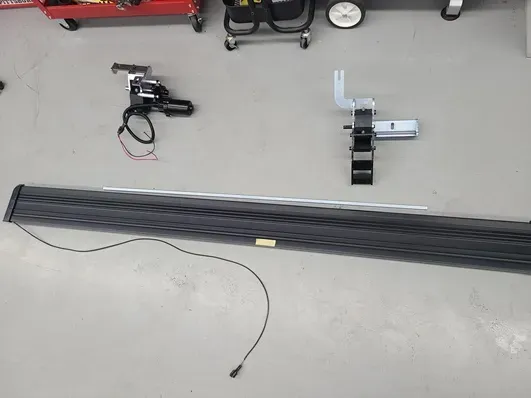
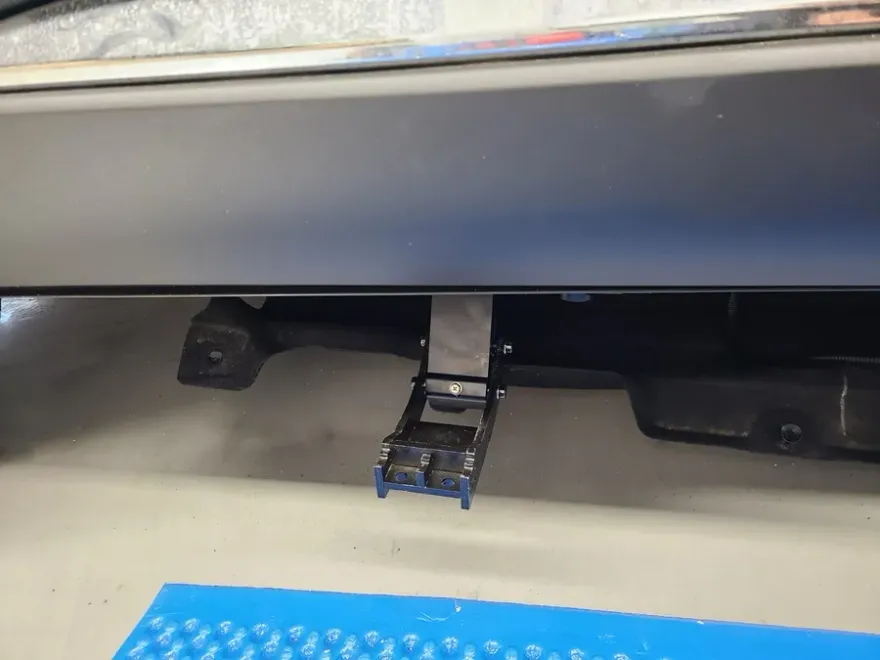
Lincoln Aviator body kit installation: Approx. $375-$1125 USD. Enhances aesthetics with a sportier look and improved lines.
Elevating the Lincoln Aviator with a Custom Body Kit
The Lincoln Aviator, already a statement of luxury and power, can be further personalized with a custom body kit. This review delves into the specifics of installing an aero kit, focusing on the practical aspects like cost, the transformation it offers, and its long-term value. While the original context for this installation comes from South Korea, the principles and outcomes are relevant for owners in the US and UK considering similar upgrades. We'll explore the materials, the installation process, and what to expect after the enhancements are complete.
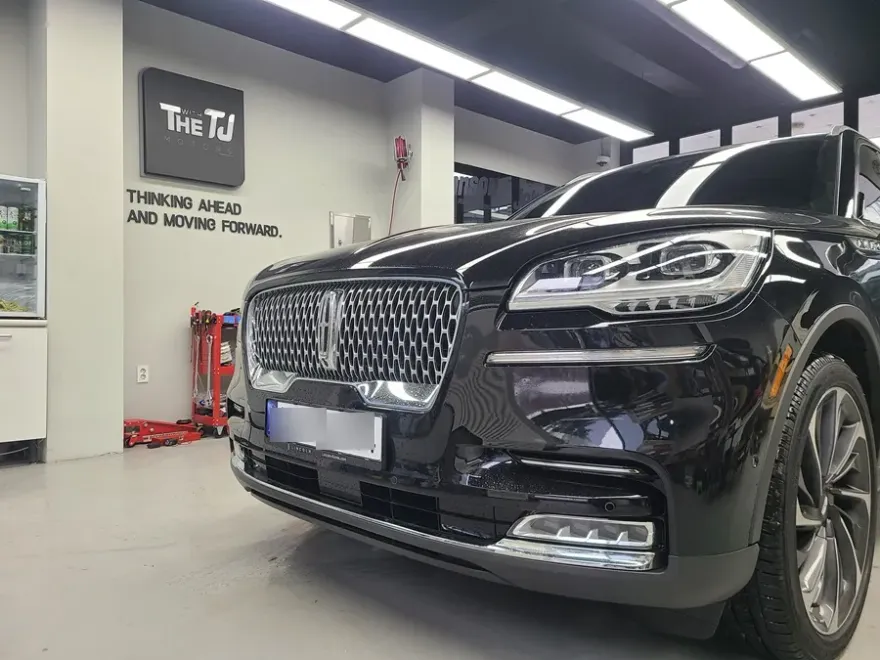
The Transformation: Before and After
A well-designed body kit can dramatically alter the visual presence of the Lincoln Aviator. Typically, these kits include a new front bumper or lip, side skirts, and a rear diffuser or spoiler. The goal is to create a more aggressive, sporty, or refined aesthetic, depending on the kit's design. The before-and-after difference is often striking, giving the SUV a more bespoke and performance-oriented look. For instance, a front lip can lower the perceived height of the vehicle, while sculpted side skirts add a sense of dynamism. The rear enhancements can provide a more finished and substantial appearance. The specific kit featured in the original context appears to focus on enhancing the lower body lines, giving the Aviator a sleeker profile.
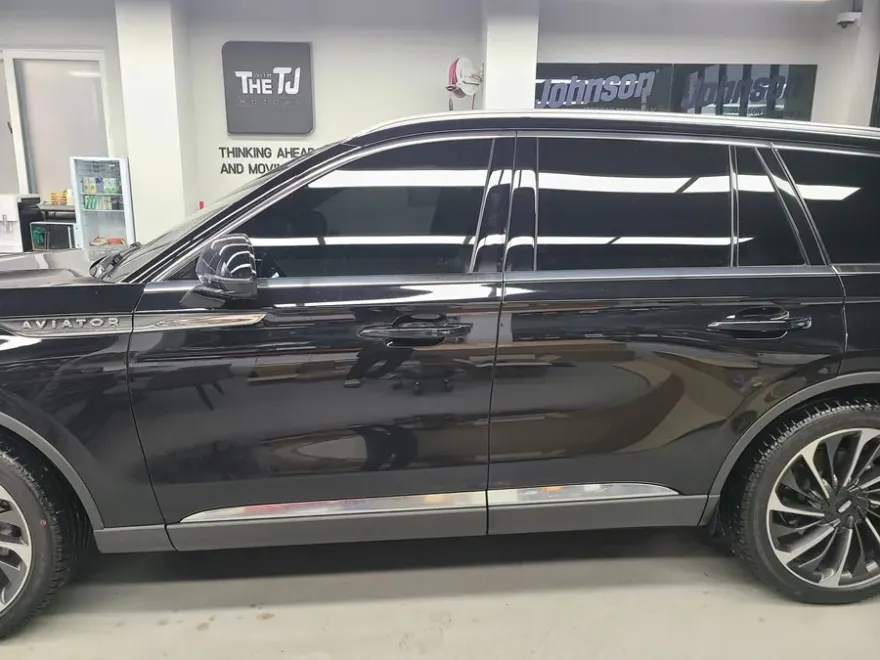
Installation Process and Durability Considerations
Installing a body kit requires precision and often involves specialized tools and knowledge. The process generally involves careful fitting, alignment, and secure attachment of each component. While the original context doesn't detail the exact cost in USD, such installations in South Korea can range from approximately ₩500,000 to ₩1,500,000 (roughly $375 to $1,125 USD), depending on the complexity of the kit and the shop's labor rates. The materials used for body kits vary, with common options including polyurethane (flexible and durable) and fiberglass-reinforced plastic (FRP, often lighter but more brittle). Durability is a key concern; while polyurethane can withstand minor impacts better, both materials require careful maintenance. Regular cleaning and avoiding harsh impacts will prolong the life and appearance of the body kit. The installation process typically involves:
- Preparation: Thoroughly cleaning and preparing the vehicle's original body panels where the new kit components will attach.
- Test Fitting: Precisely aligning each new part (front lip, side skirts, rear diffuser) to ensure a perfect fit and gap consistency.
- Attachment: Securing the components using a combination of automotive-grade adhesives, bolts, and clips, often requiring drilling into the original bumper or bodywork.
- Finishing: Sealing any gaps, ensuring all fasteners are tight, and performing any necessary paint touch-ups or clear coat application for a seamless look.
Choosing a reputable installer is crucial for a professional finish and to minimize potential risks like improper fitment or damage to the vehicle's original body.
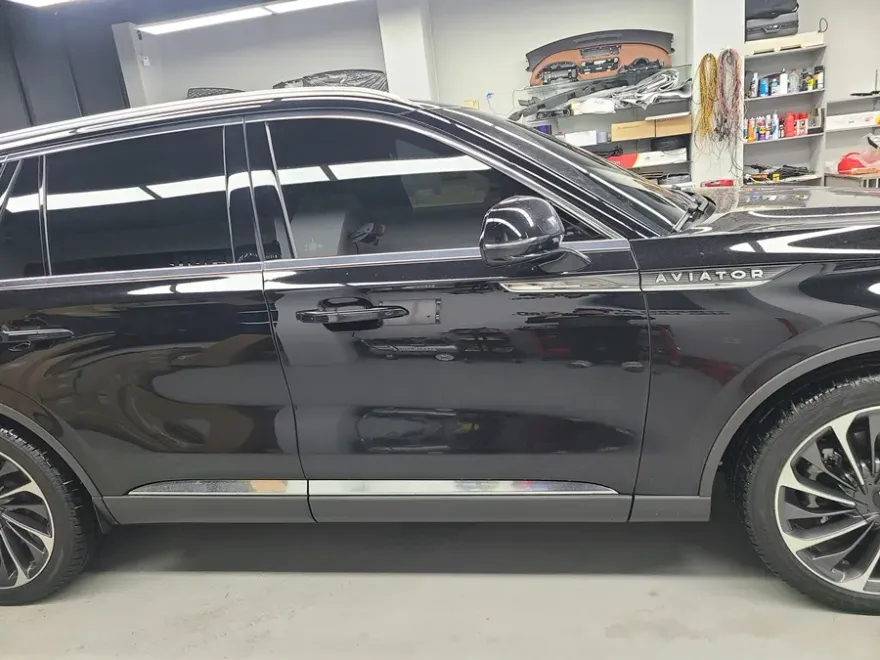
Frequently Asked Questions
Q. How much does a body kit cost for a Lincoln Aviator?
In South Korea, body kit installations for the Lincoln Aviator can range from approximately ₩500,000 to ₩1,500,000 (roughly $375 to $1,125 USD). Prices in the US can vary significantly based on the kit's brand, material, and the installer's labor rates.
Q. How long does body kit installation take on a Lincoln Aviator?
Body kit installations typically take between 4 to 8 hours, depending on the complexity of the kit and the installer's efficiency. To maintain durability, regular washing and avoiding high-impact situations are recommended.
Q. Is a body kit worth it for a Lincoln Aviator?
A body kit is worth it for Lincoln Aviator owners seeking a more personalized and aggressive aesthetic. It offers a significant visual upgrade that can enhance the vehicle's presence and perceived value.
Q. How is a body kit installed on a Lincoln Aviator?
Installation involves preparing the vehicle's surface, test-fitting the new components like the front lip and side skirts, and then securely attaching them using automotive adhesives and fasteners. This process often requires precise alignment and may involve drilling into the original body panels.
Q. What is the difference between FRP and polyurethane body kits for a Lincoln Aviator?
Polyurethane kits are generally more flexible and impact-resistant, making them more durable for daily driving. FRP kits are often lighter and can be more affordable but are typically more brittle and prone to cracking upon impact.
OhCar Partner Shop