Mercedes-Benz G-Wagon Ventilated Seats Review
Service Price
$40–80
Estimated price · Actual price may vary by shop

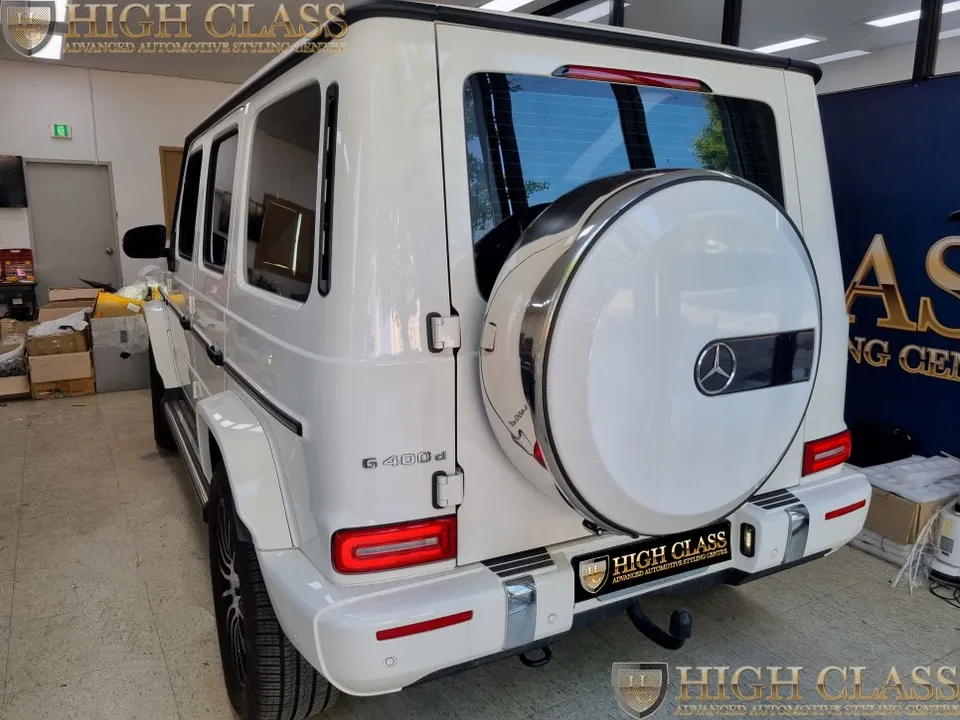
Mercedes-Benz G-Wagon seat climate upgrade: Adds ventilation/heating for comfort. Estimated KRW 300k-700k.
Upgrade Your Mercedes-Benz G-Wagon with Seat Climate Control
For owners of the iconic Mercedes-Benz G-Wagon, especially models like the G400d, staying comfortable during warmer months is a significant concern. The G-Wagon’s robust leather interior, while luxurious, can trap heat, leading to discomfort and sweat during drives. If your G-Wagon didn't come with factory-installed ventilated seats, a professional seat climate upgrade is a popular solution. This review explores the benefits, installation process, and overall value of adding seat ventilation and heating to your G-Wagon.
The Need for Seat Ventilation in a G-Wagon
The Mercedes-Benz G-Wagon is renowned for its rugged design and premium interior. However, this often means thick leather seats that don't breathe well. In hot weather, this can make driving a sticky and uncomfortable experience, particularly on longer journeys. While some higher trims might offer these features, many G-Wagon owners find themselves without the crucial seat cooling option. Fortunately, aftermarket solutions provide a way to retrofit this comfort feature, often integrating seamlessly with the vehicle's existing controls. The goal is to achieve a level of comfort comparable to, or even exceeding, factory options, ensuring a more pleasant driving experience year-round.
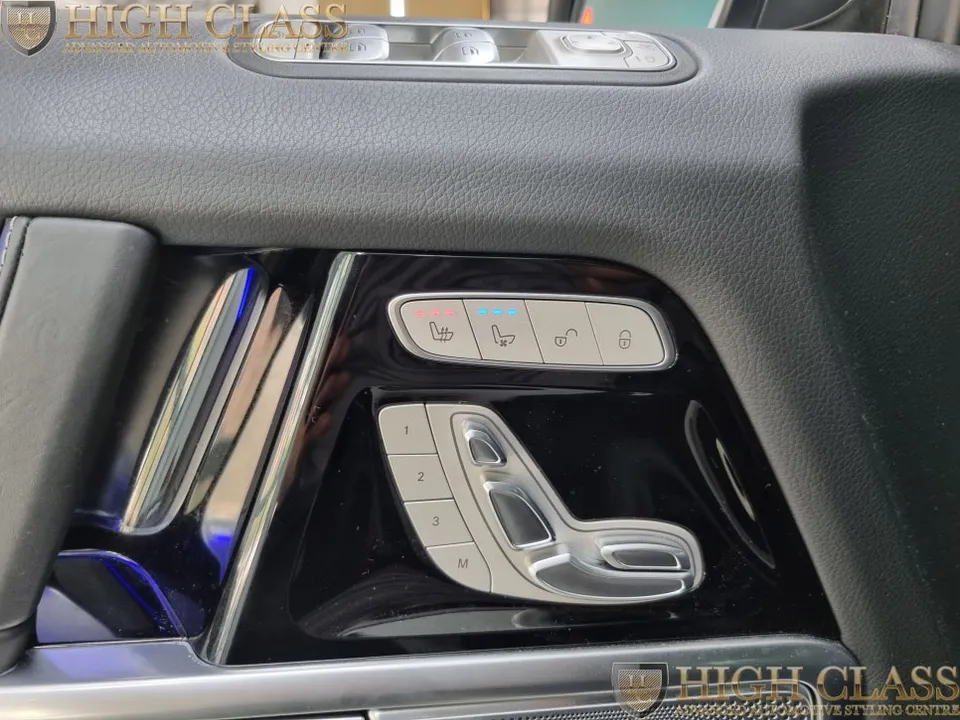
Seat Ventilation & Heating Installation Process
The installation of ventilated and heated seats in a Mercedes-Benz G-Wagon involves several key components and steps to ensure optimal performance and a clean aesthetic. The process typically includes:
- Component Integration: High-performance, quiet ventilation fans are installed within the seat structure. These fans are designed to draw air through the seat.
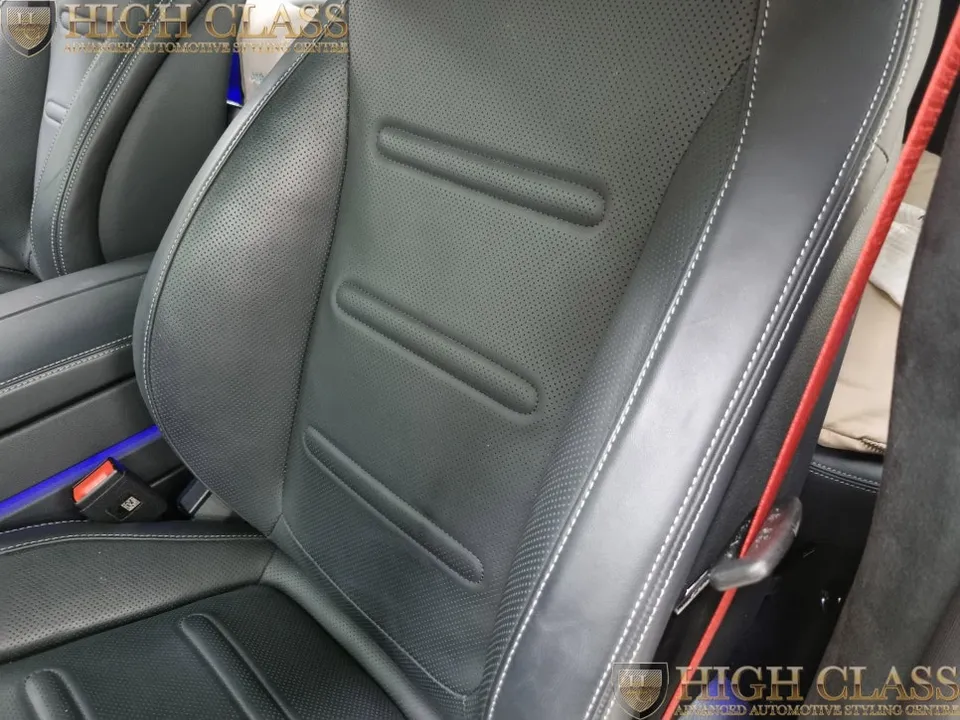
- Material Enhancement: To maximize airflow, a breathable mesh fabric is often used in conjunction with the fans. If the original leather is particularly thick, it might be perforated in a precise, aesthetically pleasing manner to allow air to circulate effectively.
- Control System Installation: A crucial part of the upgrade is integrating the controls. Often, this involves installing a factory-style button that mimics the original Mercedes-Benz controls, ensuring a seamless look and intuitive operation. This maintains the vehicle's interior design integrity.
- Wiring and Testing: All components are carefully wired to the vehicle's power system, and the system is thoroughly tested to ensure all fans and heating elements (if applicable) function correctly and safely.
The quality of the fans and the precision of the installation directly impact the durability and effectiveness of the seat climate system. Using high-quality, domestically manufactured (in Korea, as per the source context) fans ensures reliability and safety. The overall Seat Ventilation & Heating cost can vary based on the specific components chosen, the complexity of the installation, and the workshop's labor rates. In Korea, the estimated seat cost for this type of upgrade typically ranges from 300,000 to 700,000 KRW (approximately $220-$500 USD, though this is a rough conversion and actual US pricing may differ significantly).
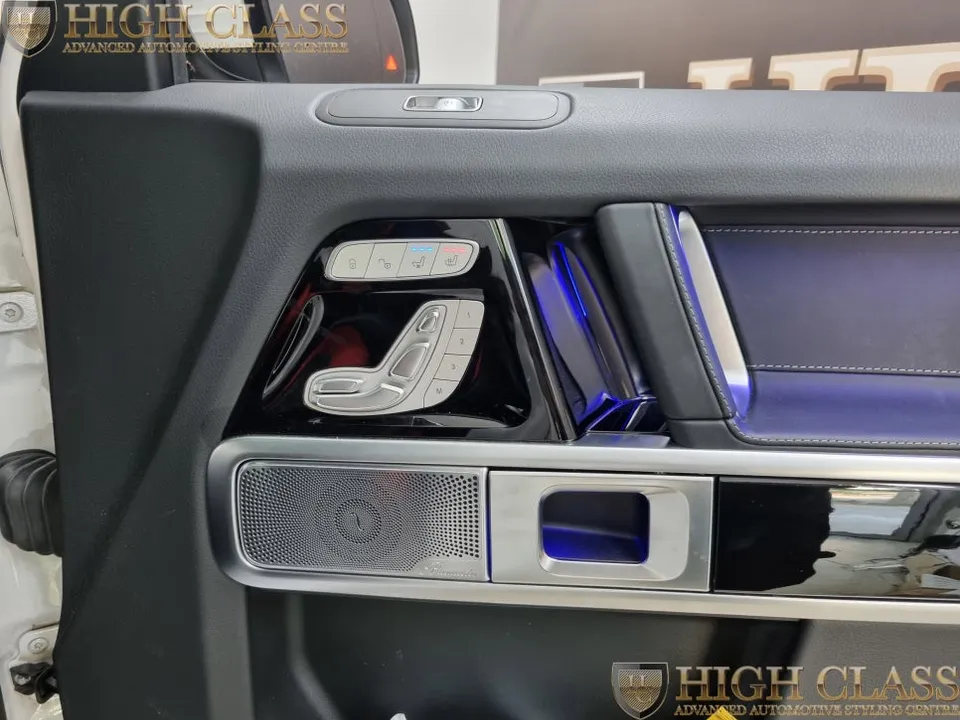
Before & After Results and Durability
The most significant change after installing ventilated seats is the dramatic increase in driving comfort. Gone is the sticky, sweaty feeling on hot days. Instead, you experience a consistent flow of cool air that keeps you comfortable, even during extended drives. For those who opt for heating as well, the seats provide rapid warmth on cold mornings. The durability of the system relies heavily on the quality of the fans and the meticulousness of the installation. Regular maintenance, such as ensuring no debris obstructs the fans, can prolong the life and effectiveness of the system. While aftermarket systems are designed for longevity, they may not match the lifespan of factory-integrated options. However, the enhanced comfort and driving experience often make this a worthwhile investment for G-Wagon owners seeking to improve their vehicle's interior climate control.
Frequently Asked Questions
Q. How much does ventilated seat installation cost for a Mercedes-Benz G-Wagon?
In Korea, the estimated cost for ventilated seat installation ranges from 300,000 to 700,000 KRW. Actual US pricing for similar aftermarket upgrades can vary significantly.
Q. How long does seat ventilation installation take on a Mercedes-Benz G-Wagon?
Installation time can vary, but typically takes several hours. Regular maintenance, such as ensuring no debris obstructs the fans, is key to long-term performance.
Q. Are aftermarket ventilated seats worth it for a Mercedes-Benz G-Wagon?
Yes, aftermarket ventilated seats are highly recommended for G-Wagon owners without factory options, especially those who frequently drive in hot climates. They significantly enhance driving comfort and can be a worthwhile investment for improved interior climate control.
Q. How are ventilated seats installed in a Mercedes-Benz G-Wagon?
Installation involves integrating quiet ventilation fans within the seat structure, often paired with breathable mesh fabric or perforated leather. A factory-style control button is typically installed for a seamless look, and the system is then wired and tested.
Q. What is the difference between OEM and aftermarket ventilated seats for a Mercedes-Benz G-Wagon?
OEM (Original Equipment Manufacturer) seats are integrated directly from the factory, offering a guaranteed fit and finish. Aftermarket installations, while providing similar comfort benefits, rely on specialized installers and components, and their long-term durability may vary.
OhCar Partner Shop