Lincoln Aviator Dash Cam Installation Cost & Review
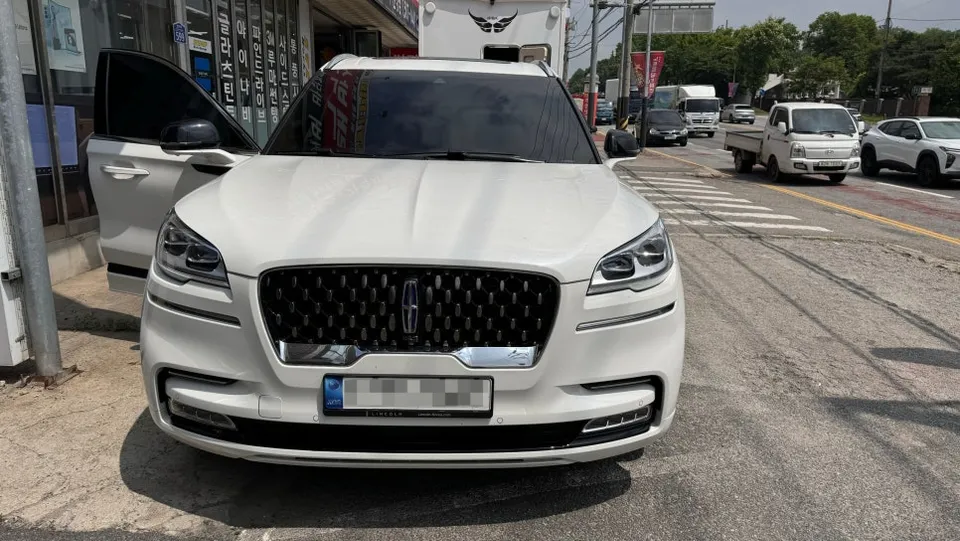
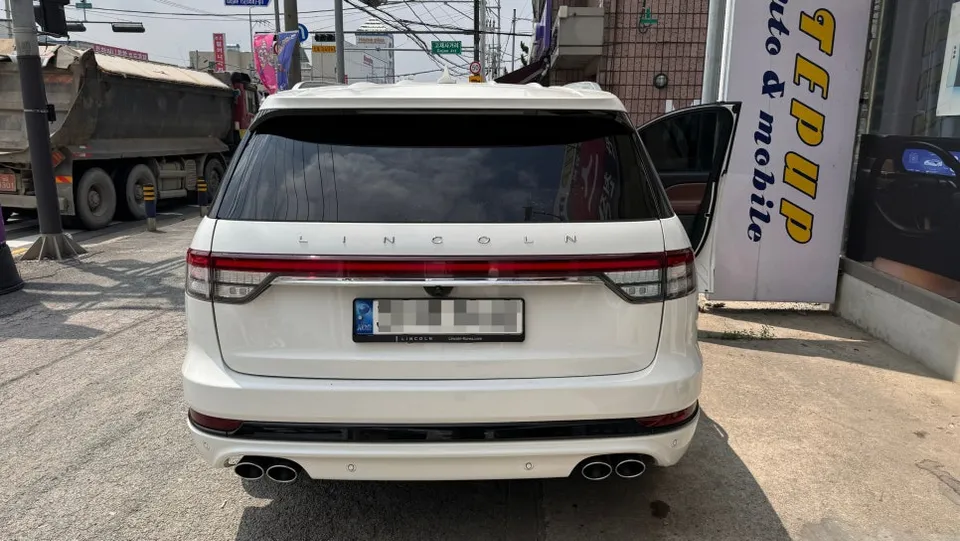
Lincoln Aviator dash cam installation: Professional hardwiring ensures continuous recording and battery protection. Worth the investment for evidence.
Why Consider a Dash Cam Installation for Your Lincoln Aviator?
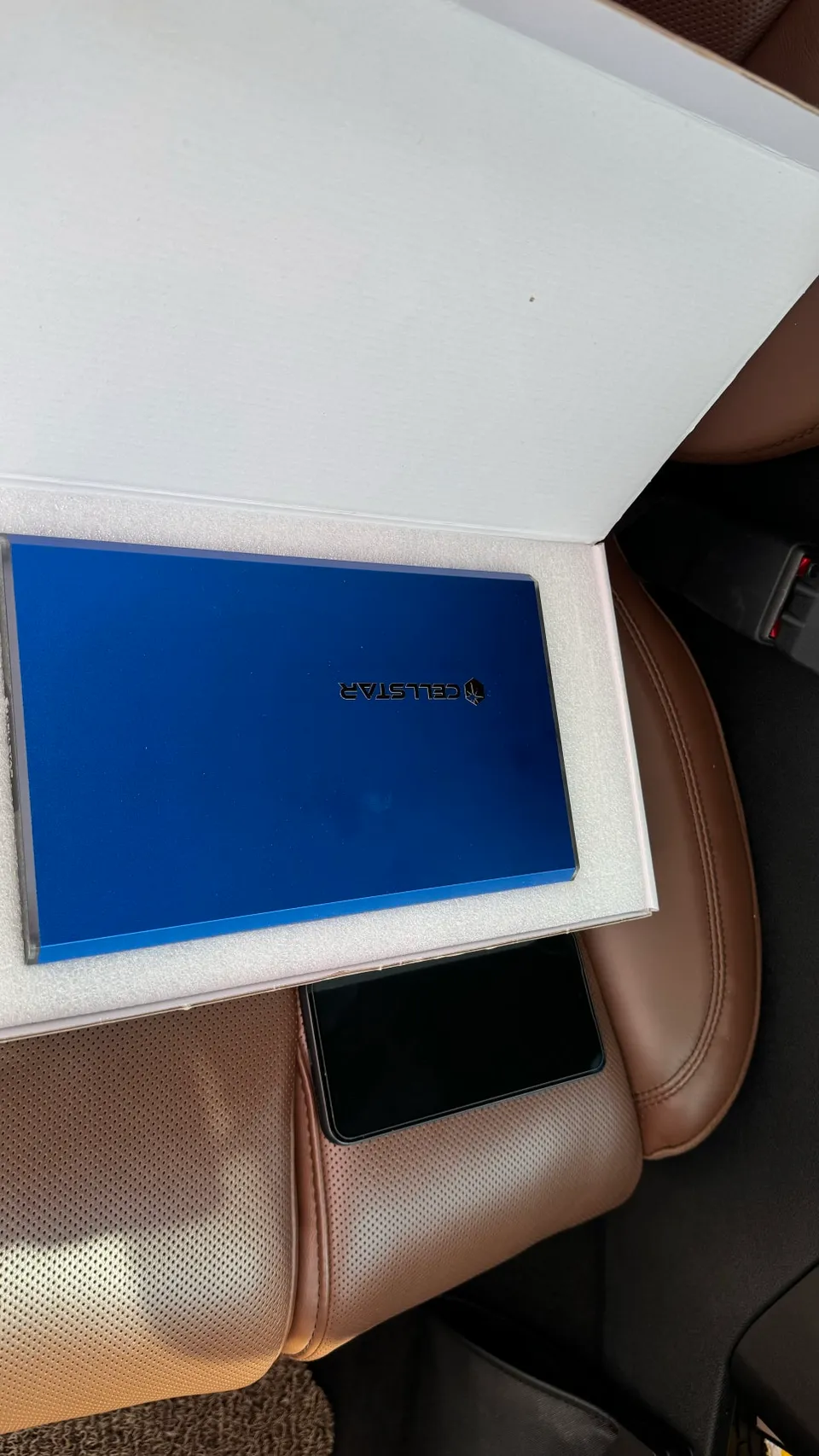
In colder climates, vehicle battery drain can be a significant concern, especially when your dash cam is set to continuous recording. For Lincoln Aviator owners, this presents a dilemma: ensuring crucial video evidence is captured without risking a dead battery. This is precisely why many owners opt for a dash cam installation that includes a dedicated power solution, like a battery pack. This setup not only safeguards against unexpected battery discharge but also ensures your dash cam remains operational, providing vital footage in the event of an accident or incident. It’s a proactive measure to protect your vehicle and secure important evidence.
The Korean context for this service highlights the need for reliable dash cam footage, particularly during winter when battery performance dips. Installing a dash cam with a supplementary battery pack ensures that even if the car's main battery is low, the dash cam can continue recording. This is invaluable for documenting accidents, identifying hit-and-run drivers, or simply having a record of your journeys.
Dash Cam Installation: Powering Your Recording Needs
Dash cam systems, often referred to as 'black box cameras,' require a consistent power source. For a Lincoln Aviator, professional installation typically involves hardwiring the dash cam to your vehicle's electrical system. This can be done directly or, more commonly for parking mode functionality, through a dedicated battery pack. These battery packs are designed to charge while you drive and then power the dash cam when the engine is off, preventing your car's battery from draining. The capacity of these battery packs varies, with standard models offering around 24-26 hours of recording after a 40-60 minute charge, while high-performance units can last up to 150 hours after an 80-minute charge. It’s important to note that the charging process relies on your vehicle's alternator, meaning regular driving is necessary to keep the battery pack topped up. If you have very short commutes, this might impact its effectiveness.
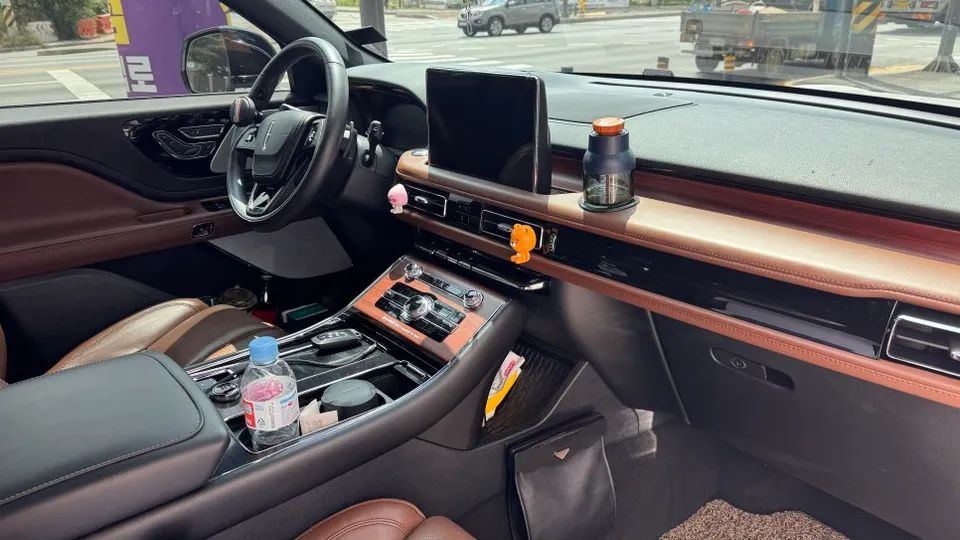
The installation process itself is meticulous. Technicians ensure the wiring is neatly tucked away, often routed along trim pieces to be completely hidden. This not only looks cleaner but also prevents wires from interfering with driving or safety mechanisms. The goal is a seamless integration that looks like a factory-installed feature.
Is a Dash Cam Installation Worth It for Your Lincoln Aviator?
Deciding whether to invest in a professional dash cam installation for your Lincoln Aviator involves weighing the benefits against the cost. The primary advantages are enhanced security and peace of mind. Having a front and rear dash cam setup can provide comprehensive coverage, capturing events from multiple angles. The parking mode feature, powered by a hardwired system or battery pack, is crucial for capturing incidents that occur when your vehicle is parked, such as vandalism or low-speed collisions. While DIY installation is possible, professional hardwiring ensures the system is correctly integrated, minimizing risks of electrical issues or improper function. The cost, while varying based on the specific dash cam model and battery pack chosen, typically includes the parts and labor for a clean, reliable installation. Based on the Korean context, professional installation is recommended for optimal performance and safety, especially when dealing with complex electrical systems or the desire for advanced features like parking mode.
Installation process:
- Vehicle Inspection: A technician assesses your Lincoln Aviator's electrical system and interior to plan the optimal routing for wires and placement of the dash cam and battery pack.
- Power Connection: The dash cam and battery pack are hardwired into the vehicle's fuse box, often using an add-a-circuit for a clean connection that doesn't interfere with existing systems.
- Component Mounting: The dash cam(s) are securely mounted to the windshield or other designated areas, and the battery pack is typically concealed in a suitable location, like under a seat or in the dashboard.
- Wire Management: All wiring is carefully routed and secured behind trim panels to ensure a tidy and safe installation, preventing any rattles or obstructions.
- System Test: The technician tests the dash cam's recording functions, parking mode, and battery pack charging/discharging to confirm everything operates correctly.
The investment in a professional dash cam installation for your Lincoln Aviator provides a reliable way to protect yourself legally and financially in case of an accident. The durability of these systems, when professionally installed, is generally excellent, requiring minimal maintenance beyond occasional cleaning of the camera lens.
Frequently Asked Questions
Q. How much does dash cam installation cost for a Lincoln Aviator?
Professional dash cam installation for a Lincoln Aviator, including a battery pack as described in the Korean context, can range from approximately ₩200,000 to ₩500,000 (roughly $150-$375 USD), depending on the system chosen. Typical US installation costs for a similar setup often fall between $200 and $500.
Q. How long does dash cam installation take on a Lincoln Aviator?
Professional dash cam installation on a Lincoln Aviator typically takes about 40 minutes to 1 hour to complete. Proper installation ensures the system's durability, with minimal maintenance required beyond keeping the camera lens clean.
Q. Is a hardwired dash cam worth it over a self-install for a Lincoln Aviator?
A hardwired dash cam is highly recommended for Lincoln Aviator owners who want reliable parking mode recording without draining their car battery. Professional installation ensures correct integration and minimizes electrical risks, offering significant value for peace of mind.
Q. How is a dash cam professionally installed on a Lincoln Aviator?
Professional dash cam installation involves hardwiring the unit to the vehicle's power source, often via a battery pack for parking mode. The process includes: 1. Routing wires discreetly behind trim panels. 2. Connecting to the fuse box for power. 3. Mounting the camera securely. 4. Testing all functions.
Q. What is the difference between a 1-channel and 2-channel dash cam for a Lincoln Aviator?
A 1-channel dash cam records only the front view, while a 2-channel system includes a second camera for rear recording, offering comprehensive coverage. For most Lincoln Aviator owners seeking maximum security, a 2-channel system is recommended.
OhCar Partner Shop