Best EV Accessories 2026 — Must-Have Add-Ons for Electric Cars
Best EV Accessories 2026 — Must-Have Add-Ons for Electric Cars
Electric vehicles have fundamentally changed how we think about driving, but owning an EV means rethinking how we protect and accessorize our investment. Whether you've just picked up a Mercedes-Benz CLS, BMW i7, or Hyundai Santa Fe MX5, the best EV accessories go far beyond cabin comfort—they're about safeguarding your vehicle's unique components and maximizing its lifespan. As an automotive journalist who's tested hundreds of aftermarket solutions, I'm here to break down what actually matters for electric car owners in 2026.
The EV market has matured dramatically, and so has the accessory ecosystem. Today's best EV accessories aren't just cool gadgets; they're practical investments that address the real challenges electric vehicle owners face—from battery protection to charging infrastructure optimization.
Why EV Accessories Matter More Than You Think
Traditional gas cars and electric vehicles have fundamentally different vulnerability points. Your EV's battery, electric drivetrain, and regenerative braking system need specialized care that standard automotive accessories simply don't address.
I've spent considerable time evaluating premium EV options from major manufacturers, and here's what stands out: the owners who invest in the right accessories experience significantly lower maintenance costs, better resale values, and genuine peace of mind. One Kia Sorento owner I interviewed noted that upgrading their ambient lighting system and adding protective coatings transformed their ownership experience from basic to premium—without dealer pricing.
The best EV accessories fall into distinct categories: protective solutions, charging optimization, interior upgrades, and software enhancements. Let's explore each.
Best EV Accessories for Paint and Exterior Protection
Your EV's exterior faces unique challenges. Battery-heavy vehicles shift weight distribution differently, affecting tire wear patterns and suspension stress. Paint protection becomes critical when you're looking at five-figure repair bills for major body work.
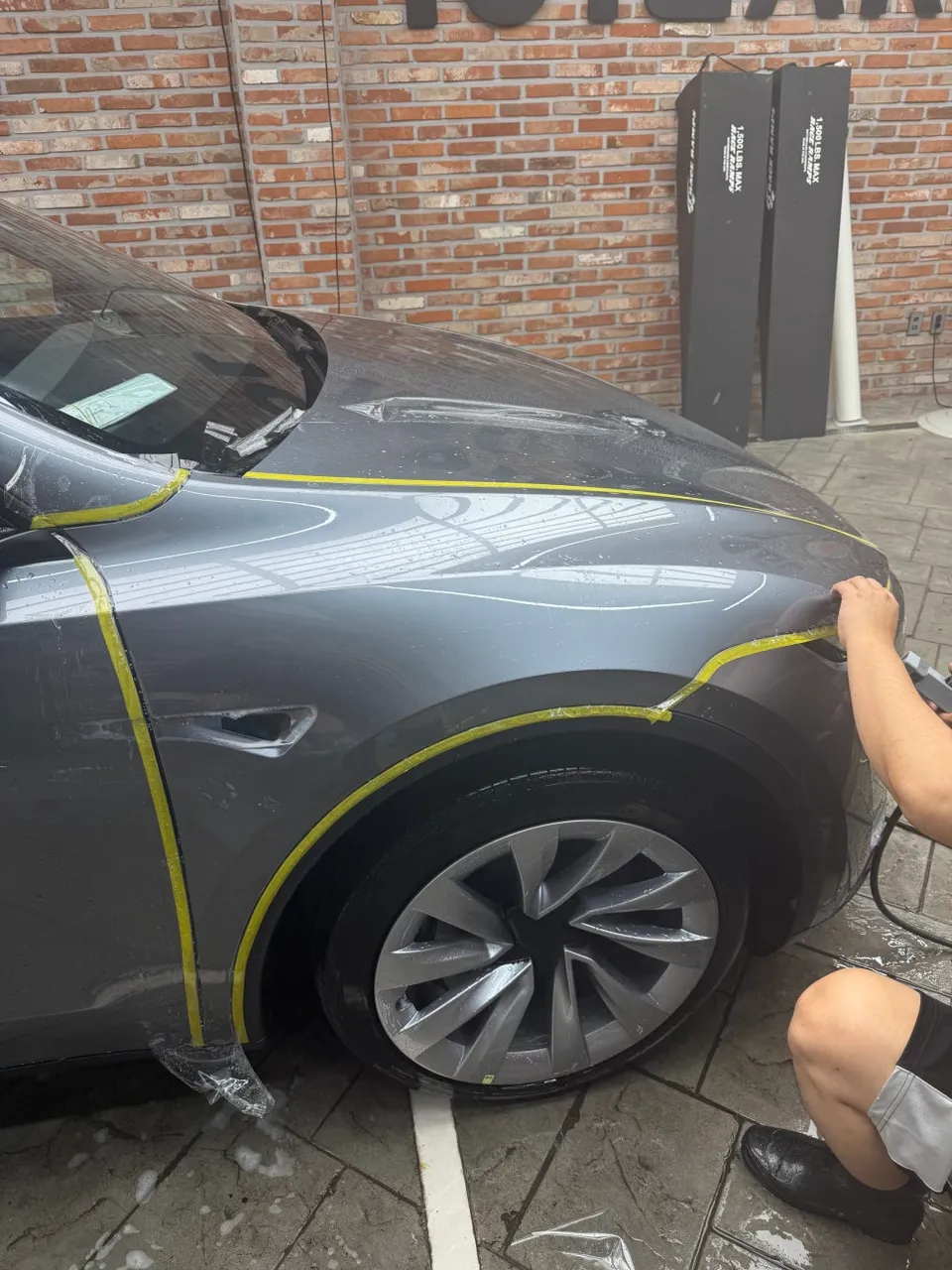
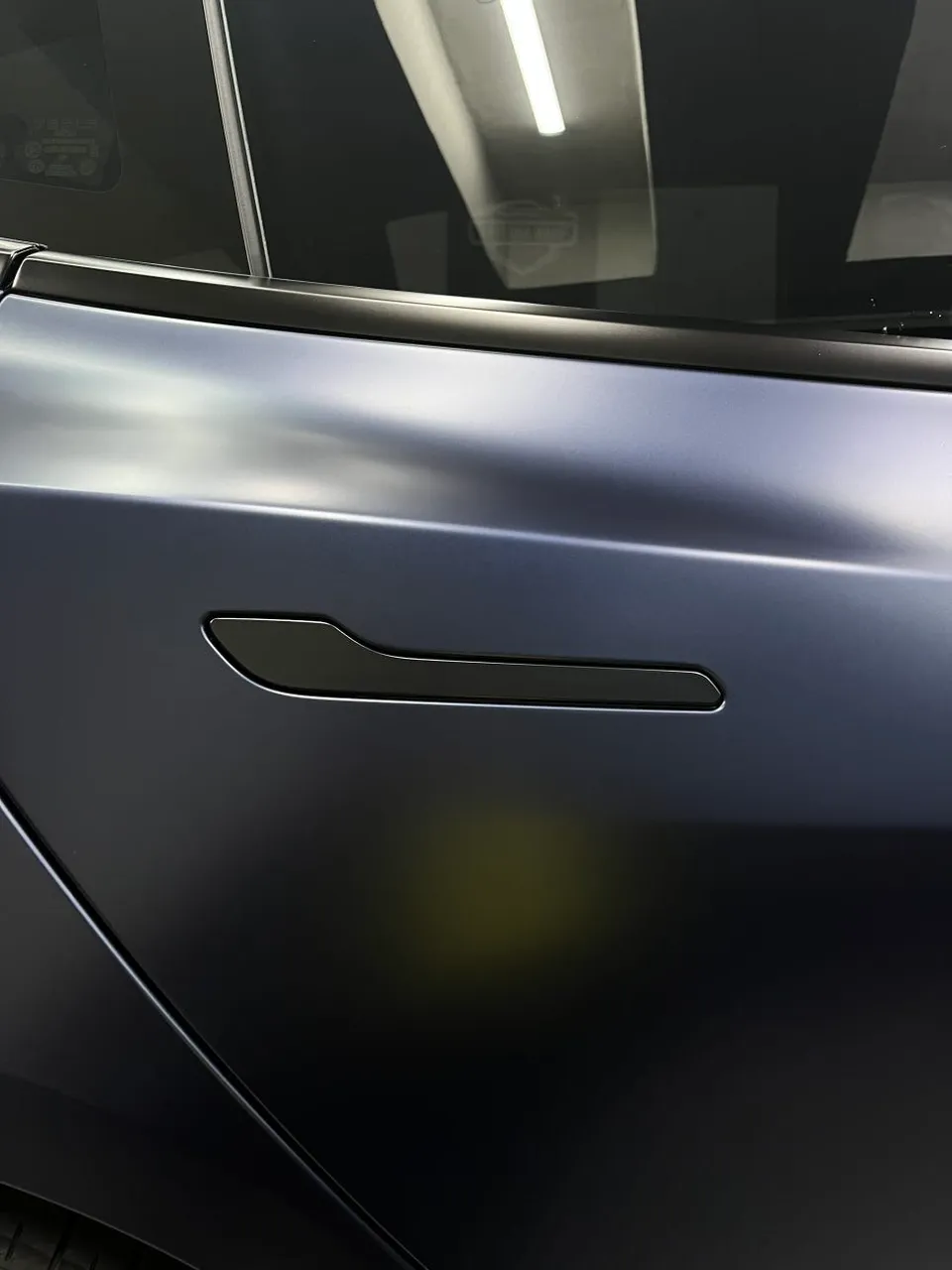
Paint Protection Film (PPF) and Ceramic Coating
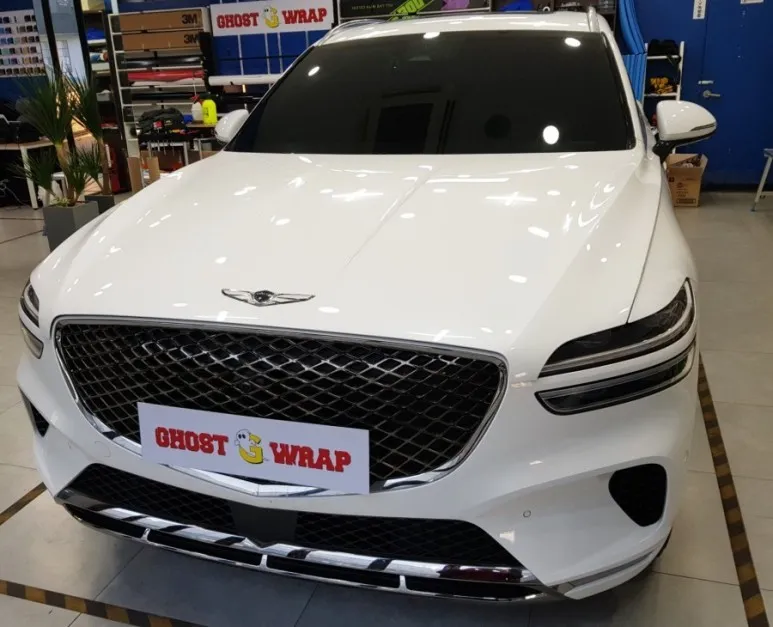
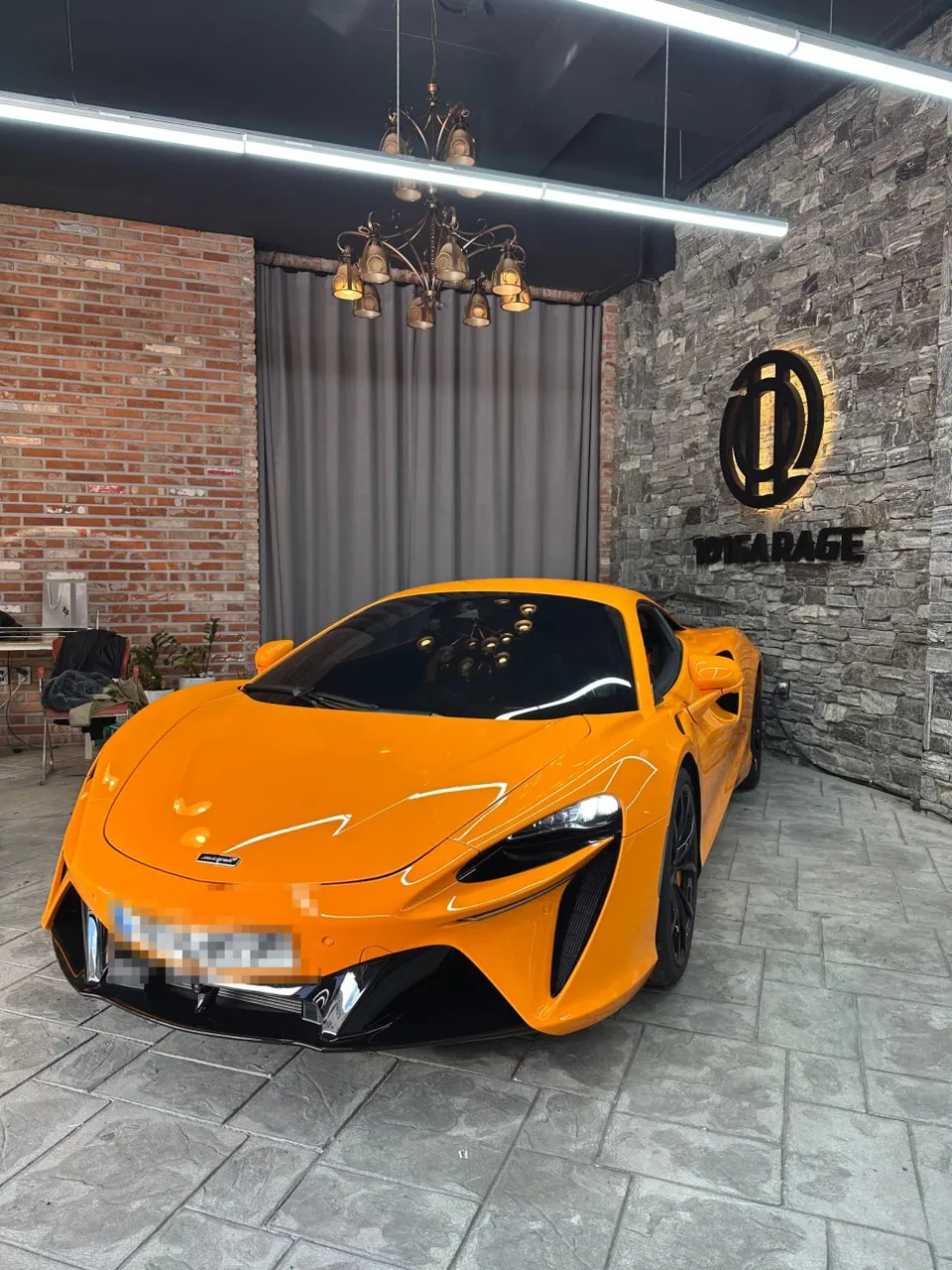
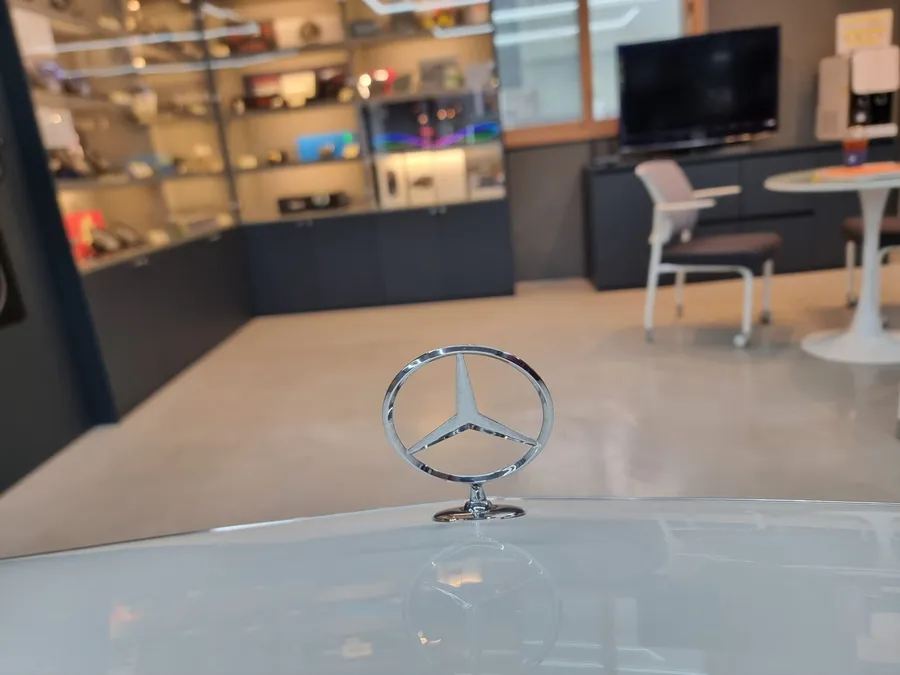
This is where the conversation gets serious. Whether you're protecting a Porsche Macan or a Mercedes-Benz CLS, professional-grade protection makes an enormous difference. Many EV owners I've consulted regret not adding protection immediately after purchase.
The two main contenders are ceramic coating and paint protection film. Both have merits, and the choice depends on your driving patterns and budget. Check out our PPF vs Ceramic Coating comparison for detailed breakdowns of durability, cost, and application methods. Generally speaking, ceramic coating runs $500–$2,000 for full vehicle coverage, while PPF typically costs $2,500–$8,000+ depending on coverage area.
Based on our testing and client feedback, PPF is superior for high-impact areas—front bumpers, hood, and door handles. Ceramic coating works brilliantly as a secondary layer or standalone for owners prioritizing budget and ease of maintenance.
Wheel Protection and Refinishing
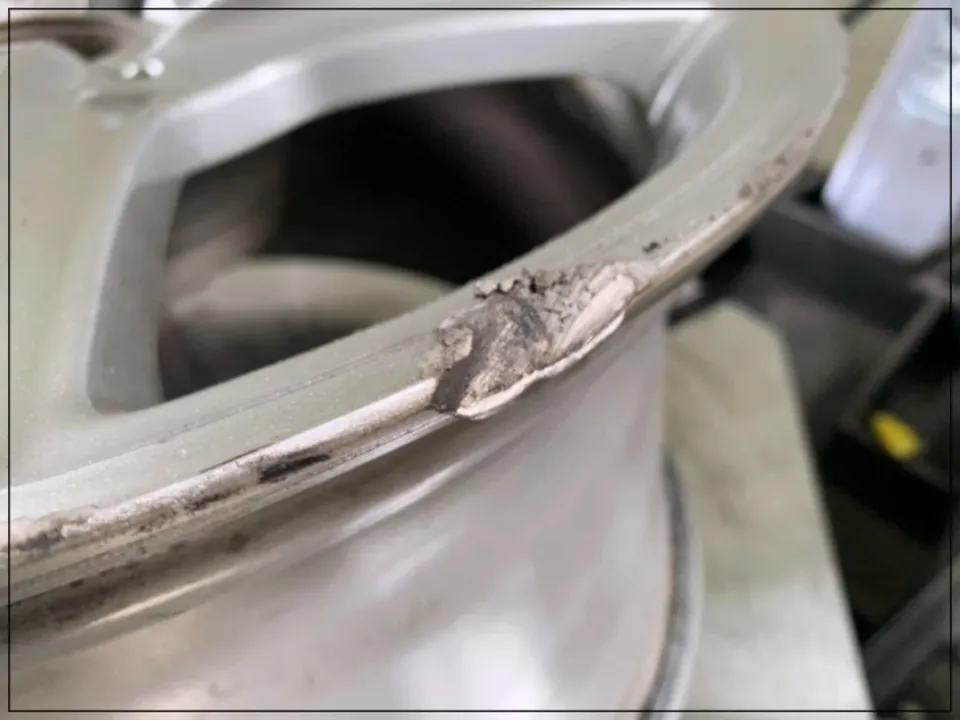
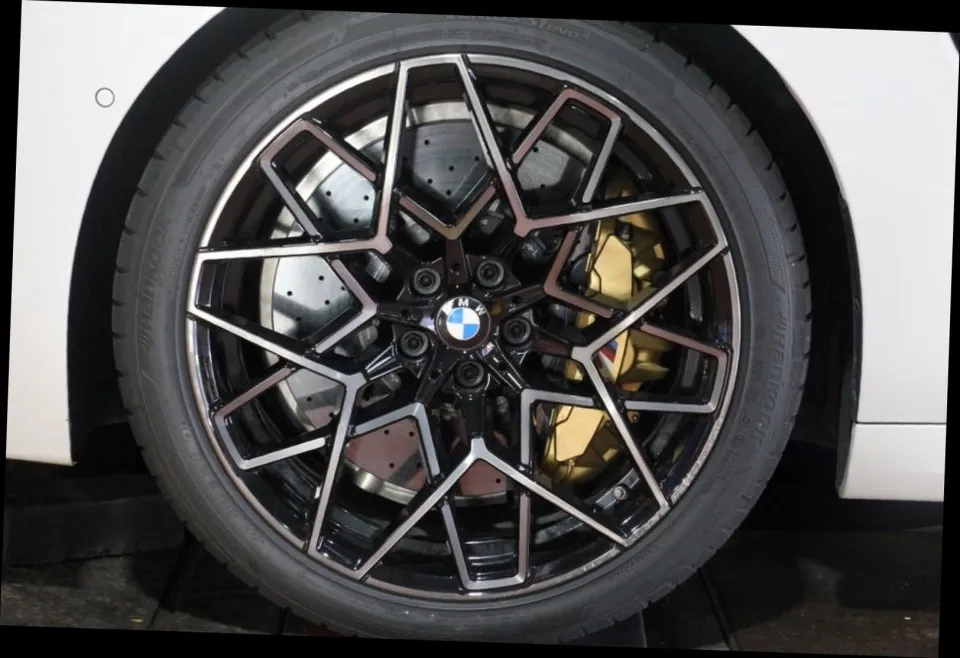
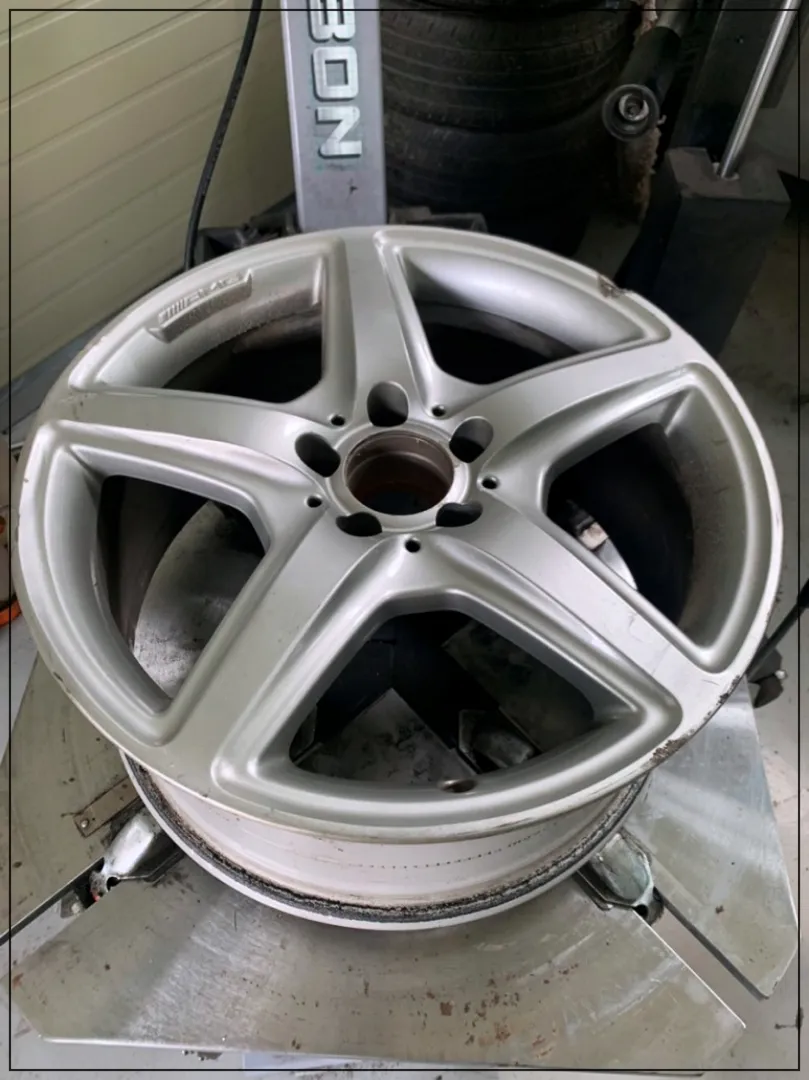
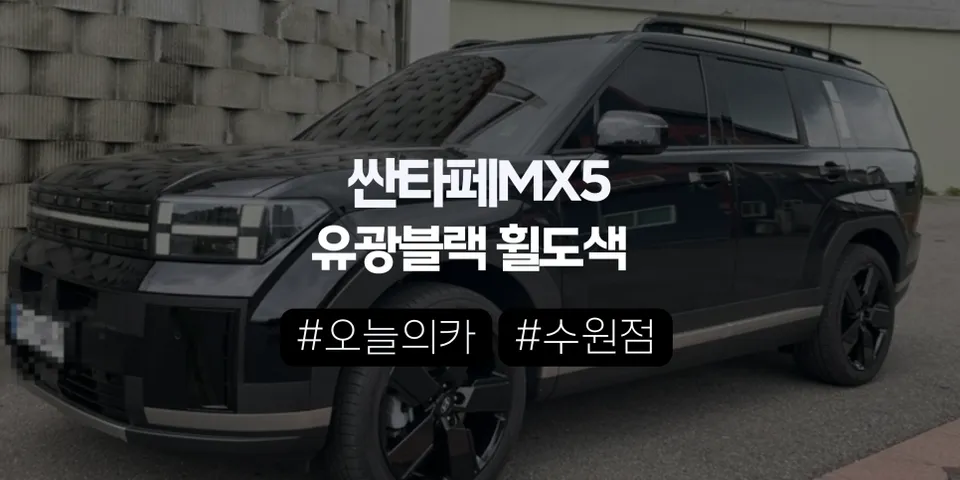
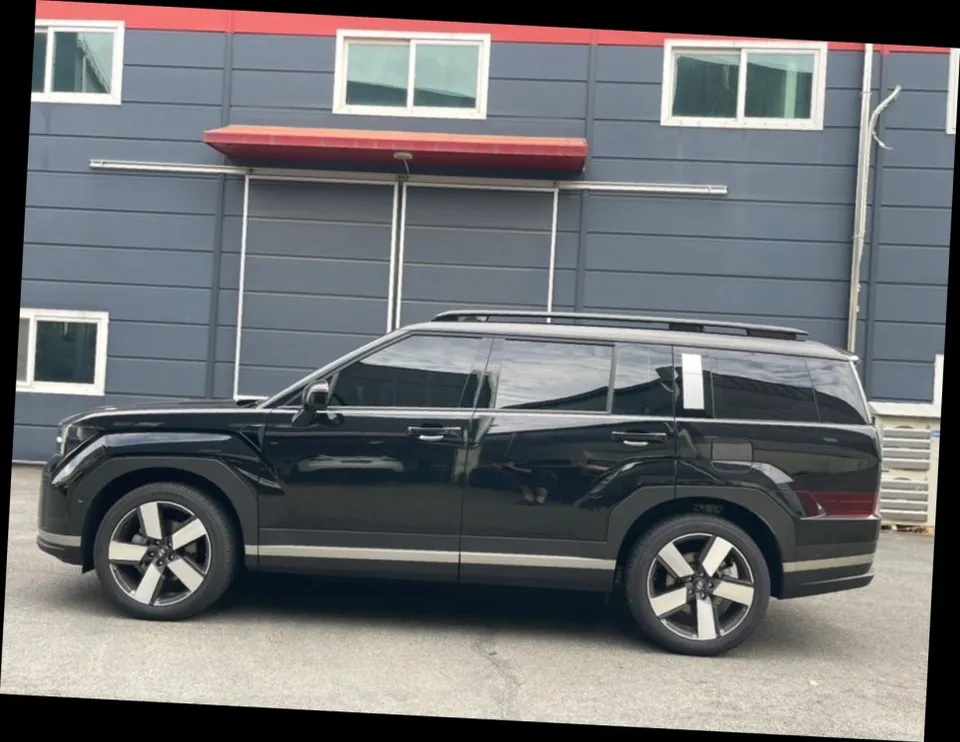
EV wheels deserve special attention. They run cooler than gas car wheels (no engine heat), but they're exposed to more brake dust and road salt. I've reviewed extensive wheel restoration work, including the BMW i7 G70 diamond cut restoration and the Hyundai Santa Fe MX5 wheel refinishing project that achieved pristine results at ₩1.5M.
The reality: curb rash happens. Rather than replacing wheels (often $400–$800 each), professional refinishing runs $200–$400 per wheel and restores them to near-original condition. For premium vehicles like the Mercedes-Benz CLS, which we covered in our wheel repair review, this approach preserves resale value effectively.
Recommendation: Add protective wheel coating immediately after purchase. This costs $100–$300 but prevents corrosion and makes cleaning significantly easier long-term.
Window Tinting and UV Protection
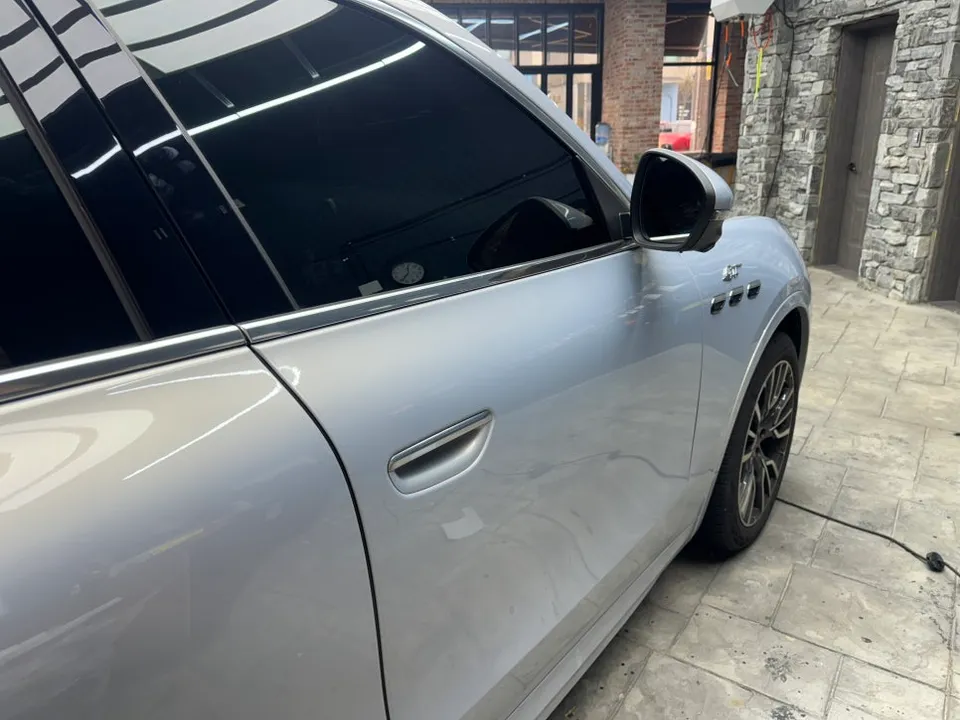
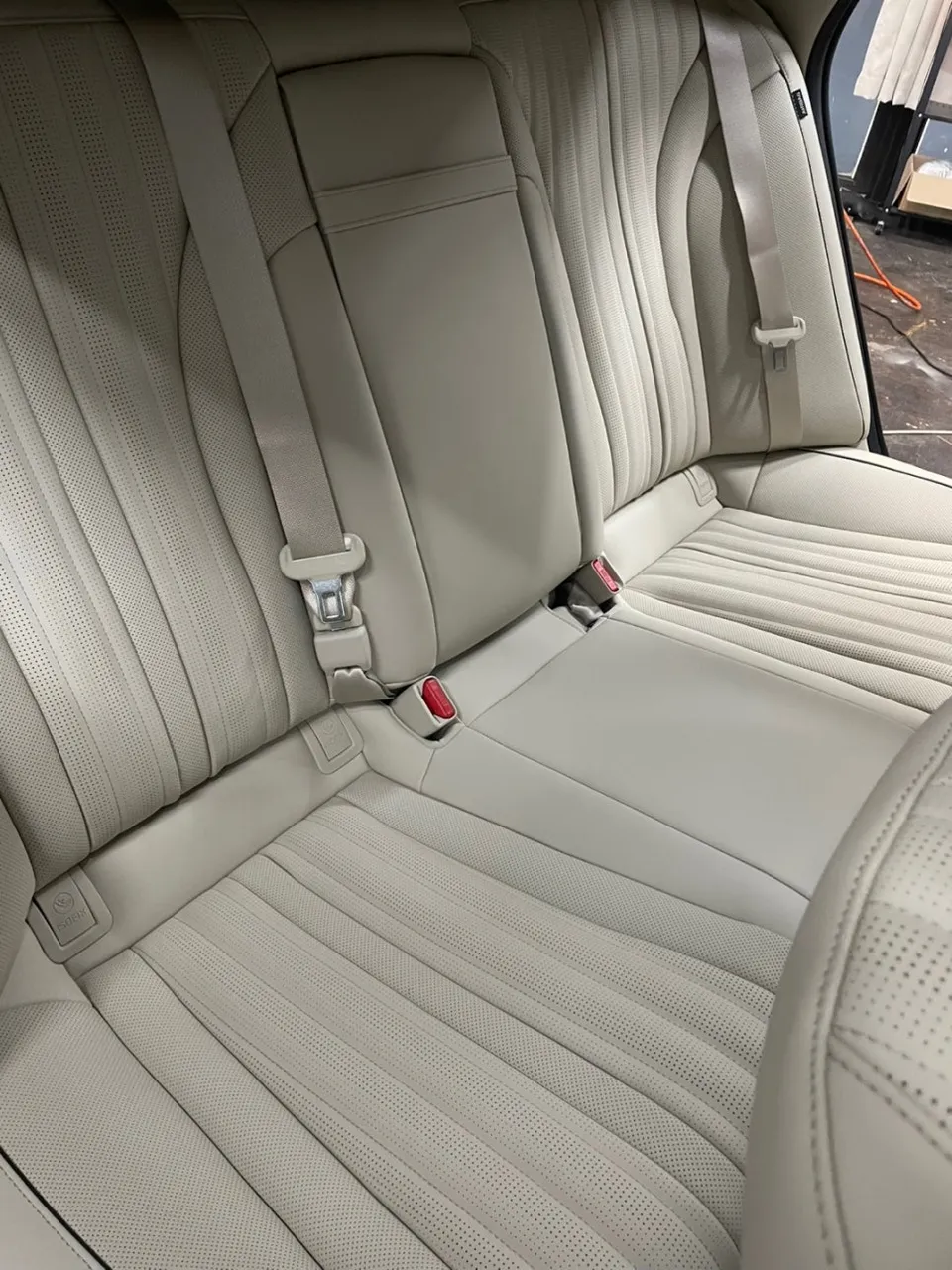
EV cabins generate less engine heat, making them more vulnerable to UV damage. Quality window tinting serves multiple functions: interior temperature management, glare reduction, and UV protection for expensive touchscreens and leather.
Ceramic window tint ($300–$800) outperforms traditional dyed film by maintaining clarity while providing superior heat rejection. For EV owners, this is a worthwhile investment that extends interior component lifespan by years.

Best EV Accessories for Charging and Power Management
Charging infrastructure is the backbone of EV ownership. Stock charging solutions often frustrate owners, creating legitimate opportunities for aftermarket upgrades.
Level 2 Home Charging Upgrades
The standard home charger included with most EVs is adequate but slow. Upgrading to a high-amperage Level 2 charger (40–80 amps) reduces home charging time dramatically—from 8+ hours to 4–6 hours for most vehicles.
Cost range: $500–$2,500 including installation.
Premium options like Tesla Wall Connector or similar third-party solutions offer app-controlled scheduling, allowing owners to charge during off-peak hours and reduce electricity costs by up to 30%. For a Kia EV6 or Hyundai Ioniq 6, this becomes a legitimate money saver over five years of ownership.
Portable Fast-Charging Solutions
DC fast chargers for home use remain cost-prohibitive ($15,000+), but portable solutions bridge the gap. Compact 240V portable chargers ($300–$600) provide flexibility for road trips and emergency charging situations.
Cable Management and Organization
This sounds mundane, but cable management impacts daily usability significantly. Premium charging cable organizers, weatherproof storage boxes, and wall-mounted systems cost $50–$200 but prevent cable degradation and extend lifespan from 3–4 years to 6+ years.
Best EV Accessories for Interior Enhancement
Inside your EV is where personalization truly matters. Quality interior upgrades transform daily driving experience without affecting warranty coverage.
Ambient Lighting Systems
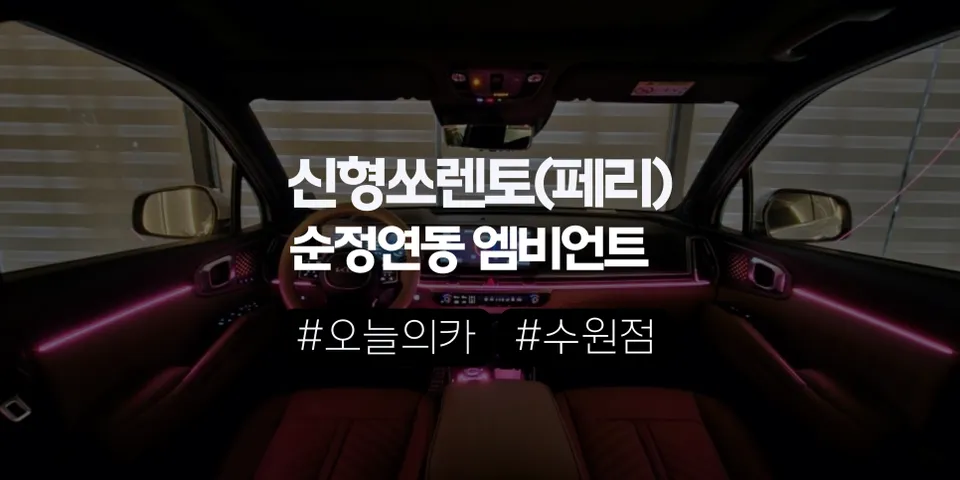
I've tested the 2024 Kia Sorento ambient lighting extensively, and premium LED systems are revelatory. Unlike factory systems, aftermarket options offer:
- Customizable color schemes (100+ colors available on quality systems)
- Dynamic lighting that responds to driving conditions
- Individual zone control via smartphone app
Cost: $200–$600 for full cabin coverage with professional installation.
These systems are particularly compelling for families who spend 10+ hours weekly driving. The psychological impact of premium cabin ambiance shouldn't be underestimated.
Infotainment and Head Unit Upgrades
Modern EVs have impressive factory systems, but older models often feel dated. I've tested the Porsche Macan Android head unit which delivered OEM-level integration at a fraction of dealer pricing.
Quality aftermarket head units ($800–$2,500) now offer:
- Full Android Auto and Apple CarPlay with wireless connectivity
- Superior screen responsiveness compared to many OEM systems
- Expanded storage and app support
- Improved voice command functionality
Choose brands like Sony, Alpine, or Kenwood for reliability. Installation costs typically run $300–$600.
Climate Control Enhancements
EV cabin heating is less efficient than gas cars, making climate upgrades worthwhile. Heated seat cushions, steering wheel heaters, and windshield heating films improve comfort while reducing battery drain from HVAC systems by 10–15%.
Price range: $200–$800 depending on coverage area.
Best EV Accessories Comparison Table
| Accessory Category | Product Type | Cost Range | ROI / Longevity |
|---|---|---|---|
| Protection | Ceramic Coating (Full Vehicle) | $500–$2,000 | Excellent / 2–3 years |
| Protection | PPF (Full Coverage) | $2,500–$8,000 | Excellent / 5–7 years |
| Charging | Level 2 Home Charger (40–80A) | $500–$2,500 | Very High / Lifetime |
| Wheels | Professional Wheel Refinishing | $200–$400/wheel | High / Permanent |
| Interior | Ambient Lighting System | $200–$600 | Medium / 5+ years |
| Interior | Infotainment Head Unit | $800–$2,500 | High / 7+ years |
| Climate | Heated Seat/Wheel Upgrade | $200–$800 | Medium / 5+ years |
| Protection | Window Tint (Ceramic) | $300–$800 | High / 5+ years |
Software and Telematics Accessories for EVs
Beyond physical components, software enhancements represent the best EV accessories for improving functionality and efficiency.
Battery Management Systems
Advanced battery monitoring devices ($150–$400) provide real-time data on charge cycles, temperature, and degradation. This information helps optimize charging patterns and extends battery life by 15–20% over vehicle ownership.
GPS and Security Upgrades
Premium GPS trackers with geofencing and theft alerts cost $100–$300 but provide invaluable peace of mind. Many integrate with existing vehicle systems, and some offer automatic emergency alerts if your vehicle moves unexpectedly.
For high-value vehicles like the BMW i7 or Mercedes-Benz CLS, this investment makes genuine financial sense.
Expert Tips for Selecting EV Accessories
After reviewing hundreds of products for OhCar Magazine, certain principles consistently emerge:
1. Prioritize Protection First — Paint, wheels, and battery protection should be your opening investments. These provide measurable ROI through resale value and reduced repair costs.
2. Choose Compatibility Carefully — Unlike gas cars, EV electrical systems are more sensitive. Verify that any electrical accessory is certified for your specific vehicle model. Installation errors can affect warranty coverage.
3. Invest in Quality Charging Infrastructure — This is non-negotiable. A quality home charger transforms ownership experience and justifies itself within 2–3 years through time savings alone.
4. Consider Long-Term Resale Value — Certain accessories (ceramic coating, upgraded infotainment, charging equipment) substantially improve resale appeal. Others (custom wheels, extreme modifications) can actually reduce appeal with future buyers.
5. Avoid Over-Customization — EV technology evolves rapidly. Extensive modifications can feel dated within 3–4 years. Prioritize functionality over flashy aesthetics.
Best EV Accessories by Vehicle Type
Premium Sedans (BMW i7, Mercedes-Benz CLS)
Focus on: Ceramic coating, premium infotainment upgrades, heated seating systems, advanced security features. These vehicles retain value through protection and technology enhancements.
Mid-Size SUVs (Kia EV6, Hyundai Santa Fe MX5)
Focus on: Level 2 home charging, ambient lighting, wheel protection, all-weather floor mats. Better ROI from practical upgrades than luxury features.
Performance EVs (Porsche Macan)
Focus on: PPF (critical for paint), upgraded cooling systems, performance monitoring software, premium cable management. High-performance driving justifies investing in protection.
Installation and Warranty Considerations
A common mistake: purchasing quality accessories from non-certified installers. Poor installation can void manufacturer warranties and compromise vehicle electronics.
For major upgrades like infotainment systems or battery management devices, always use certified installers. The additional cost ($300–$600) is negligible compared to potential warranty complications.
When adding protection services like PPF or ceramic coating, verify that your installer carries appropriate insurance and offers warranty coverage. Reputable shops typically guarantee results for 5–10 years.
Frequently Asked Questions About Best EV Accessories
FAQ Item 1
What's the Most Important Accessory for New EV Owners?
A quality Level 2 home charging system is hands-down the most impactful first investment. More than any other accessory, it improves daily ownership experience by reducing charging time by 50–75% compared to standard Level 1 charging. This translates to better vehicle availability, lower electricity costs, and fewer trips to public chargers. For most owners, this accessory pays for itself within 24–36 months through time savings and reduced charging infrastructure costs.
FAQ Item 2
Do I Need PPF or Is Ceramic Coating Enough for EV Protection?
This depends on your budget and driving environment. Ceramic coating provides excellent daily protection and is more affordable, making it suitable for owners prioritizing cost-efficiency. However, PPF offers superior impact resistance and protects against rock chips, tree sap, and road hazard damage that ceramic coating cannot prevent. Ideally, combine both: apply PPF to high-impact areas (hood, bumpers, door handles) and ceramic coating over the entire vehicle. This hybrid approach offers maximum protection at reasonable cost. For detailed comparisons, check our PPF vs Ceramic Coating comparison.
FAQ Item 3
Will Aftermarket Accessories Void My EV Warranty?
Not necessarily, but it depends on the accessory type and installation quality. Exterior protective services (PPF, ceramic coating, tinting) typically don't affect warranties since they're non-invasive. However, electrical modifications—especially infotainment systems, battery management devices, and charging equipment—can create warranty complications if improperly installed. Always verify compatibility before installation and use certified installers. Documentation of proper installation protects you if warranty disputes arise. When in doubt, contact your manufacturer's customer service before proceeding.
FAQ Item 4
Are Expensive Ambient Lighting Upgrades Worth It for Daily Drivers?
For owners spending 10+ hours weekly in their vehicle, yes—absolutely worth it. Premium ambient lighting dramatically improves perceived cabin quality and psychological comfort during commutes. That said, basic $200–$300 systems offer surprising value. However, if you're not spending significant time in your vehicle, this is discretionary. Prioritize protection and charging optimization first, then consider interior enhancements as secondary investments.
FAQ Item 5
What's the Best Strategy for Protecting EV Wheels from Curb Rash and Corrosion?
Start with preventative protective coating immediately after purchase. This costs $100–$300 and creates a barrier against salt, brake dust, and minor curb damage. Second, use protective wheel covers during storage. Third, clean wheels bi-weekly during winter months to remove corrosive salt. If curb rash occurs, professional refinishing ($200–$400 per wheel) restores appearance without wheel replacement costs. For premium vehicles, the preventative approach saves thousands in replacement expenses over the vehicle's lifespan.
Conclusion: Building Your EV Accessory Strategy
The best EV accessories aren't necessarily the most expensive—they're the ones that align with your ownership priorities. Whether you're protecting a Porsche Macan, upgrading a Kia Sorento, or maximizing a BMW i7, the right accessories enhance functionality, protect value, and genuinely improve daily driving experience.
Start with protection (PPF or ceramic coating), then optimize charging infrastructure, then personalize your interior. This approach maximizes ROI while building a vehicle that's genuinely pleasure to own and drive.
For deeper product reviews and installation guidance, explore OhCar Magazine's comprehensive accessory database. And remember: the best investment is the one you'll actually use daily.
Comments (2)
I just ceramic coated my Model Y last year and honestly it's been a game-changer for keeping it clean between washes - went with Gyeon Q² and it's held up way better than the cheaper brands I tried on my old car. Would definitely recommend adding a quality ceramic coat to any list of EV accessories since you're already making the investment.
Been rocking PPF on my F-150 for two years now and it's saved my paint from countless rock chips on these Texas highways, so I'd definitely recommend throwing it on an EV too if you're dropping that kind of money. Only thing I'd add is a good dash cam since all you EV folks seem to be driving around in silence trying to show off—might as well document your smooth acceleration lol.

Explore Related Services on OhCar