Frequently Asked Questions About New Car Protection
FAQ: Do I really need paint protection film on a new car?
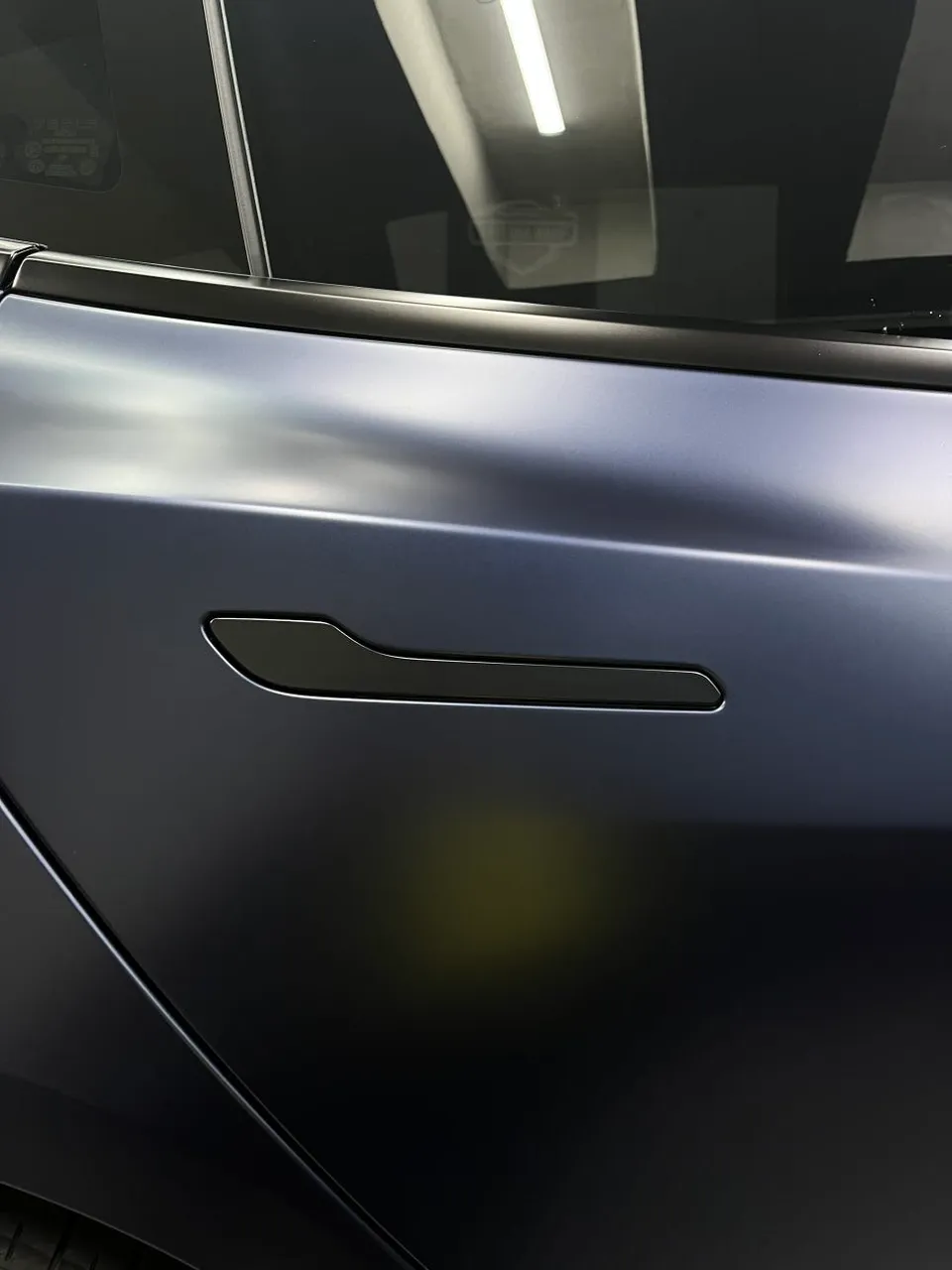
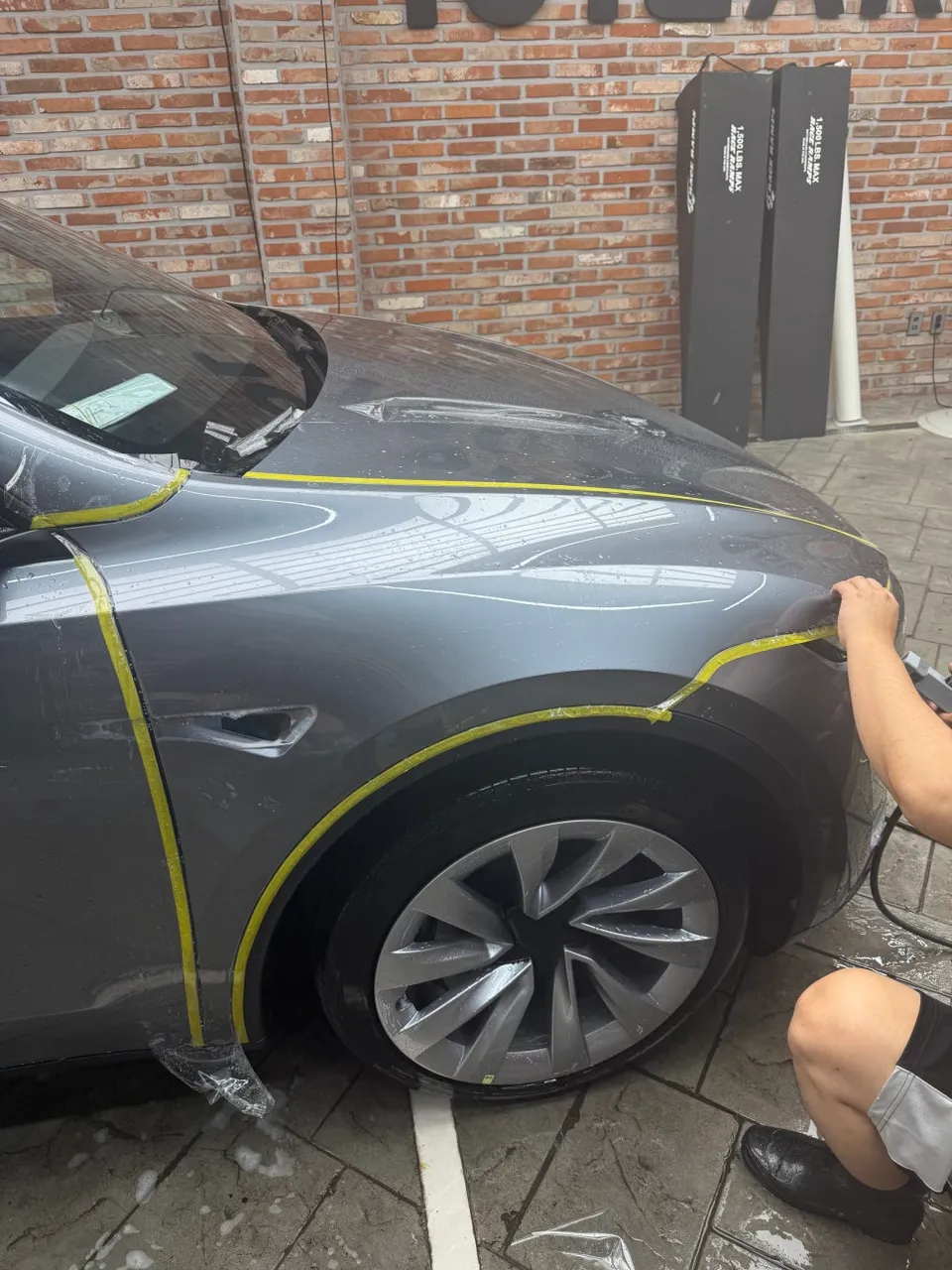
Answer: It depends on your vehicle's value and your lifestyle. For luxury vehicles like BMW, Mercedes-Benz, or Porsche where paint repair costs $2,000-$3,500 per panel, PPF is an excellent investment that pays for itself with even one or two repairs. For mainstream vehicles, ceramic coating provides excellent protection at lower cost. If you drive in harsh climates with salt or stone-heavy roads, PPF on high-impact areas (bumper, hood, fenders) is highly recommended. We recommend assessing your specific situation, but generally, some form of protection is worthwhile for any new vehicle.
FAQ: What's the difference between ceramic coating and wax on a new car?
Answer: Ceramic coating and traditional wax serve similar purposes but work very differently. Wax is a soft, organic substance that bonds only to the surface and degrades within 3-6 months, requiring frequent reapplication. Ceramic coating is a liquid polymer that chemically bonds to your clear coat, creating a semi-permanent protective layer lasting 2-5 years. Ceramic coatings provide superior UV protection, water beading, and durability. While ceramic costs more upfront ($1,000-$2,500), the longevity and reduced maintenance frequency make it more economical over time. For new cars, ceramic coating is the modern standard.
FAQ: When should I get my first service appointment after buying a new car?
Answer: Most manufacturers recommend a "break-in service" between 1,000-2,000 miles of driving. This initial appointment is critical and often included as part of the new car warranty. During this visit, technicians verify fluid levels, check all systems for proper function, and catch any manufacturing defects before they become problems. Don't skip this appointment—it ensures your warranty remains valid and addresses issues while components are under factory guarantee. Schedule it as soon as you hit 1,000 miles. Your owner's manual will specify the exact recommended interval for your vehicle.
FAQ: Is window tinting worth it for a new car?
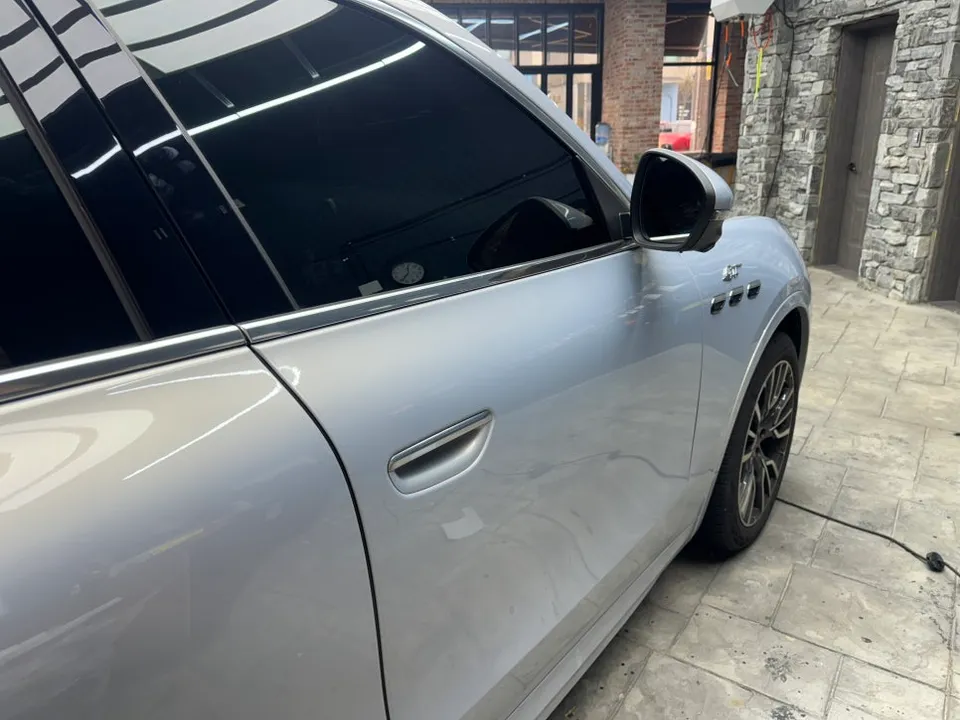
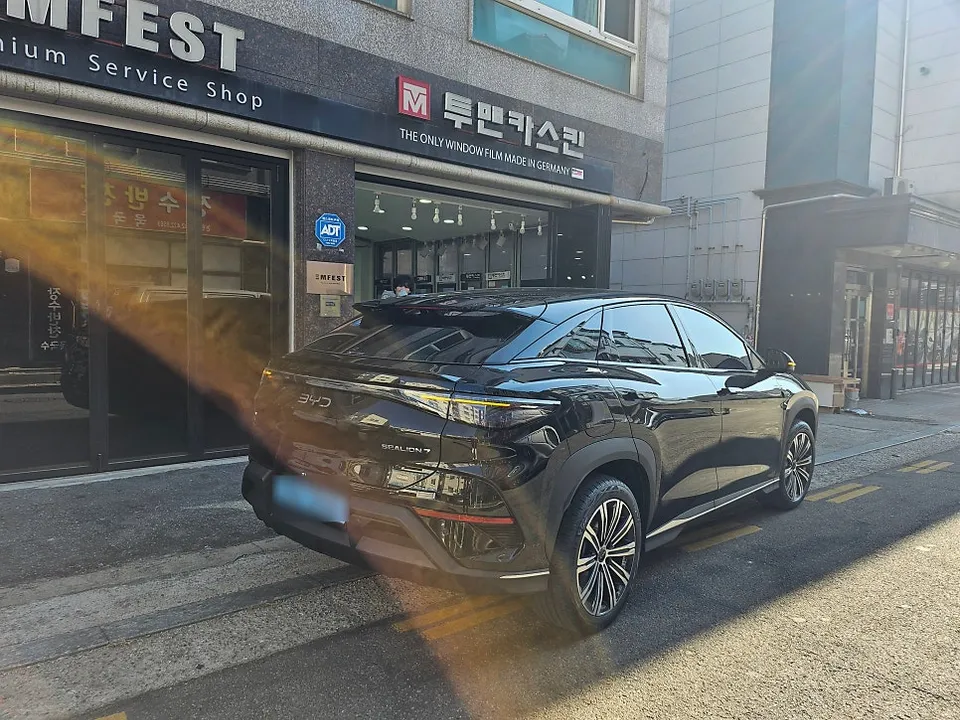
Answer: Absolutely. Professional window tinting offers multiple benefits: it blocks 99% of UV rays that fade leather and plastic interiors, reduces cabin temperature by 10-15 degrees (improving fuel economy), provides privacy and security, and reduces glare for safer driving. These benefits justify the $400-$1,200 cost, especially when you consider that UV damage to interior components alone can cost $2,000+ to repair over a vehicle's lifetime. Quality ceramic window tint is superior to standard dyed tint and lasts longer without discoloration. Check local tinting laws before installation, as darkness regulations vary by state.
FAQ: What maintenance schedule should I follow for a new car?
Answer: Follow your owner's manual—it's vehicle-specific and manufacturer-recommended. Generally, modern cars require: oil changes every 7,500-10,000 miles, tire rotations every 5,000-7,000 miles, brake inspections annually, and fluid checks seasonally. Keep all service records documented. Many modern vehicles have maintenance reminder systems that notify you when service is due. Don't ignore these warnings. Consistent maintenance prevents costly repairs, maintains warranty coverage, and preserves resale value. Using a maintenance tracking app or spreadsheet helps ensure you never miss important service intervals. When in doubt, refer to your owner's manual or contact your dealer.