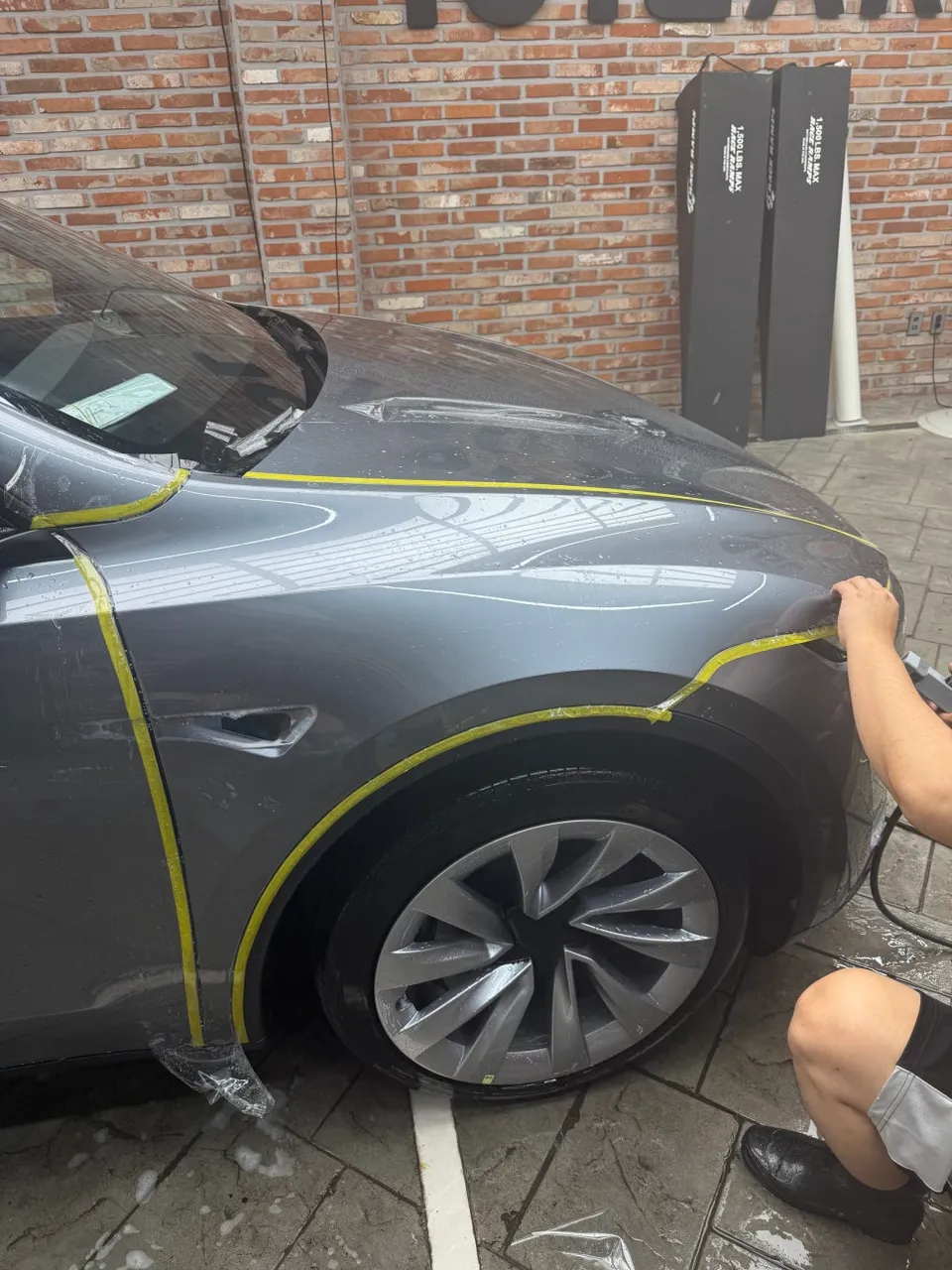
Tesla Paint Quality Issues: Why Owners Invest in PPF Protection
Tesla Paint Quality Issues — Why Owners Rush to Get PPF Installed
If you've recently purchased a Tesla, you've probably heard the whispers in owner forums: Tesla paint quality issues are real, and they're widespread. From minor swirl marks appearing after the first wash to paint chipping on door edges, many Tesla owners find themselves frustrated with their vehicle's finish before the first year is even complete. The irony? Tesla's innovative electric vehicles come with cutting-edge batteries and autonomous features, yet the paint protection seems to lag years behind competitors in the luxury segment.
This reality has sparked a booming aftermarket industry. Walk into any detailing shop specializing in Tesla protection, and you'll find owner after owner investing in paint protection film (PPF), ceramic coatings, and other defensive measures. It's not paranoia—it's practical economics. We've analyzed real owner experiences and protection options to give you the full picture of why Tesla paint quality issues have become such a hot topic.
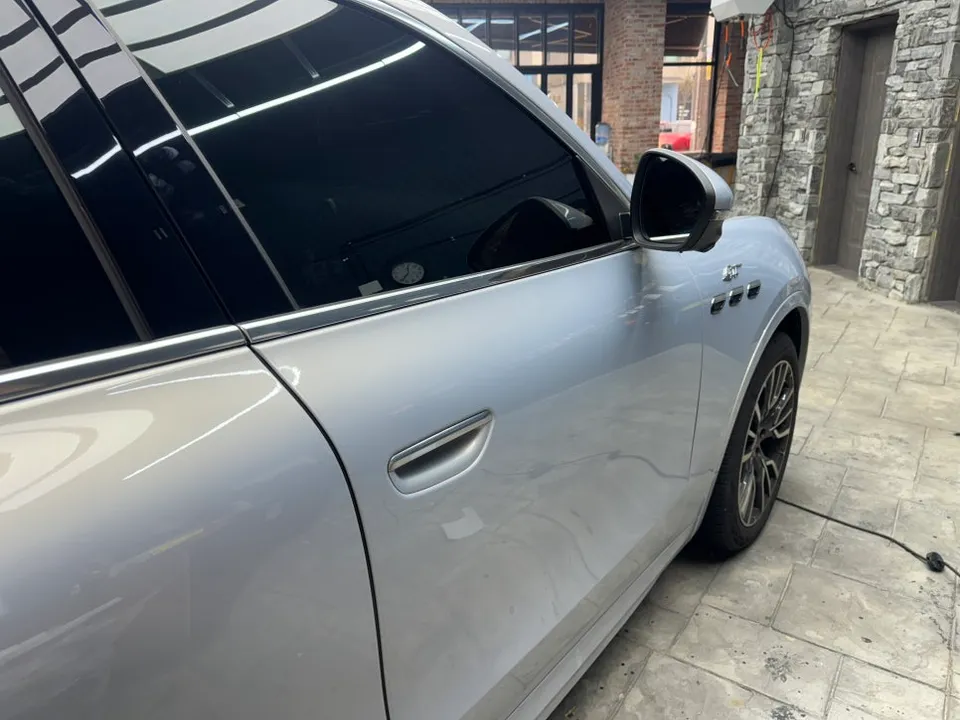
Understanding Tesla Paint Quality Issues
Let's start with the uncomfortable truth: Tesla's paint application process differs significantly from traditional automakers. Tesla prioritizes manufacturing speed and efficiency—core to their business model—which sometimes comes at the expense of paint depth and durability.
Most luxury vehicles receive 4-5 coats of paint with proper curing time between applications. Many Tesla models receive thinner paint layers, often just 1-2 mils total thickness compared to the 3-5 mils found on BMW, Mercedes, and Audi vehicles. For context, a human hair is approximately 3 mils thick. This means your Tesla's protective clear coat is dangerously thin.
Common Paint Problems Tesla Owners Report
Orange peel texture: The surface resembles an orange skin rather than smooth, glossy finish. This occurs when paint particles don't level properly during application.
Paint overspray: Visible overspray on trim, windows, and rubber seals indicates rushed application processes that don't meet luxury automotive standards.
Water spotting and etching: Even deionized water can leave permanent marks on Tesla's thin clear coat within days of exposure.
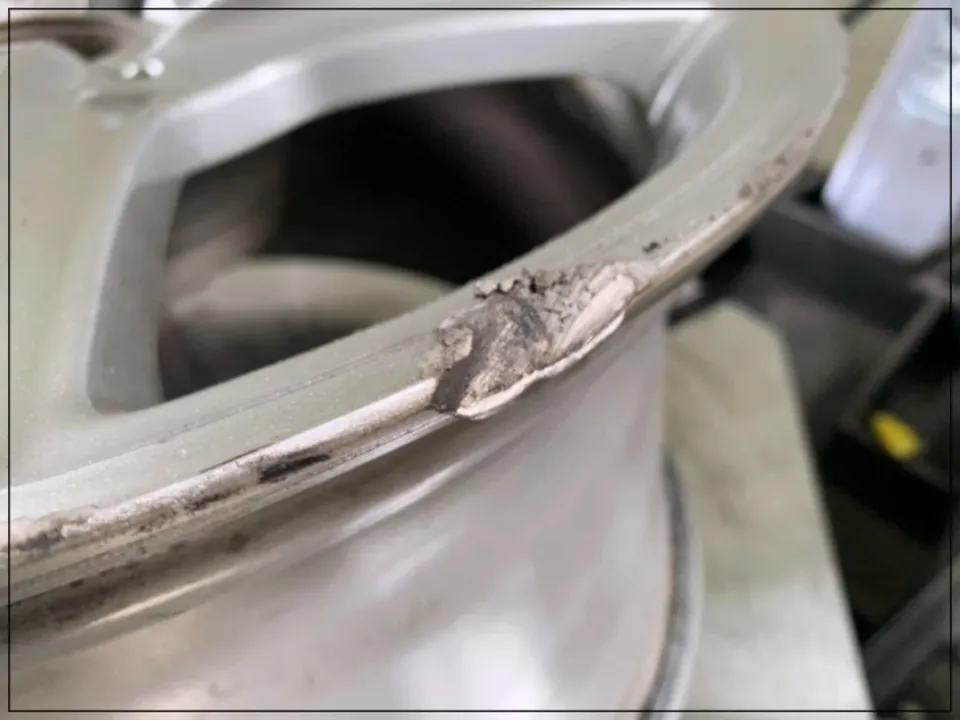
Chips and peeling: Door edges, hood corners, and front fascia areas chip or peel under normal driving conditions—not just from highway debris, but from everyday wear.
Swirl marks: Minor washing and drying create visible swirl patterns, suggesting insufficient clear coat protection.
Uneven color matching: Panels sometimes arrive with noticeably different shades, indicating inconsistent paint batch application.